
Cold Heading Dies for Bolts and Screws
Drawing-based cold heading dies, carbide die cores, die cases, and special forming tooling for bolt and screw production.
Browse by Tooling Type
Review representative products by tooling function, then send drawings for a supplier evaluation.
Cold Heading Dies
Drawing-based heading dies for stable bolt and screw forming.
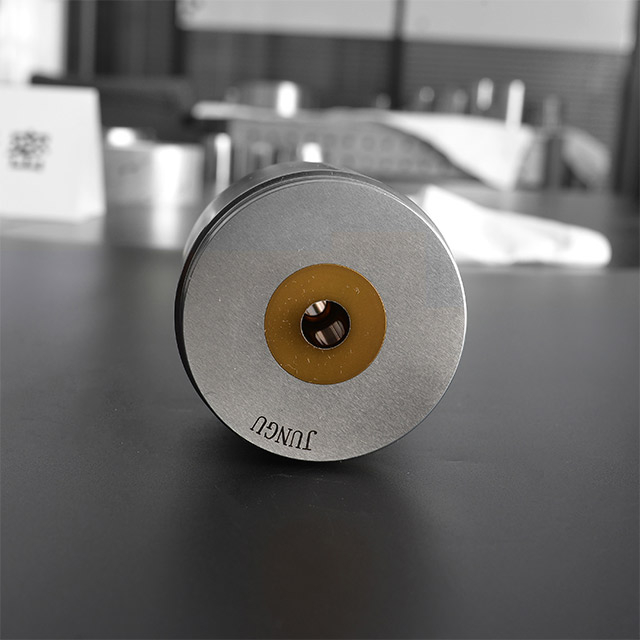 Bolt & Screw Forming DiesCold Heading Metal Die Bolt ToolingDrawing-based metal die bolt tooling for cold heading. Jungu checks blank volume, station load, die case support, material route, and crack or wear pattern before quoting.
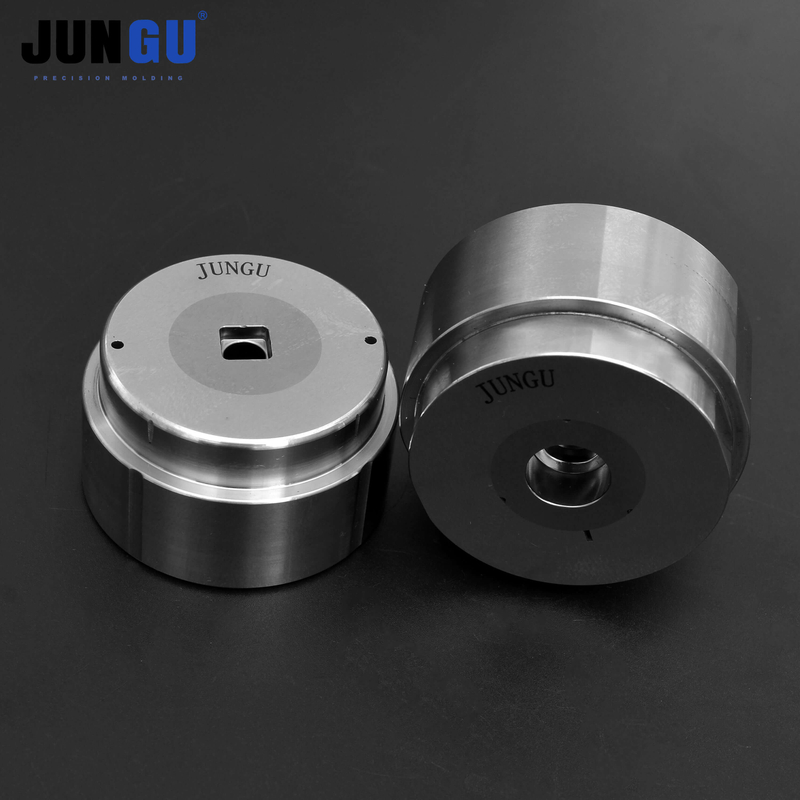 Bolt & Screw Forming DiesCustom Metal Die for Bolt Cold HeadingCustom metal die tooling for bolt cold heading. Jungu checks cavity geometry, blank volume, station load, die case support, release angle, and defect pattern before quoting.
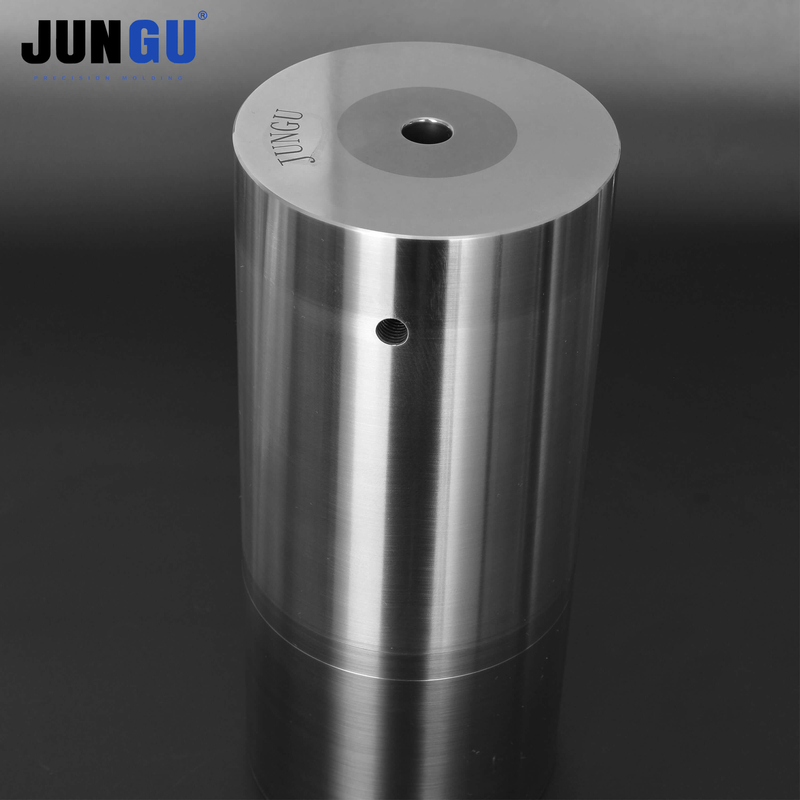 Bolt & Screw Forming DiesHSS and Carbide Bolt Die Material RouteBolt die tooling route using HSS, carbide, or supported hybrid structures. Jungu checks impact load, wear pattern, support structure, material flow, and target tool life before quoting.
Die Cases & Inserts
Die cases, carbide inserts, and supported die assemblies.
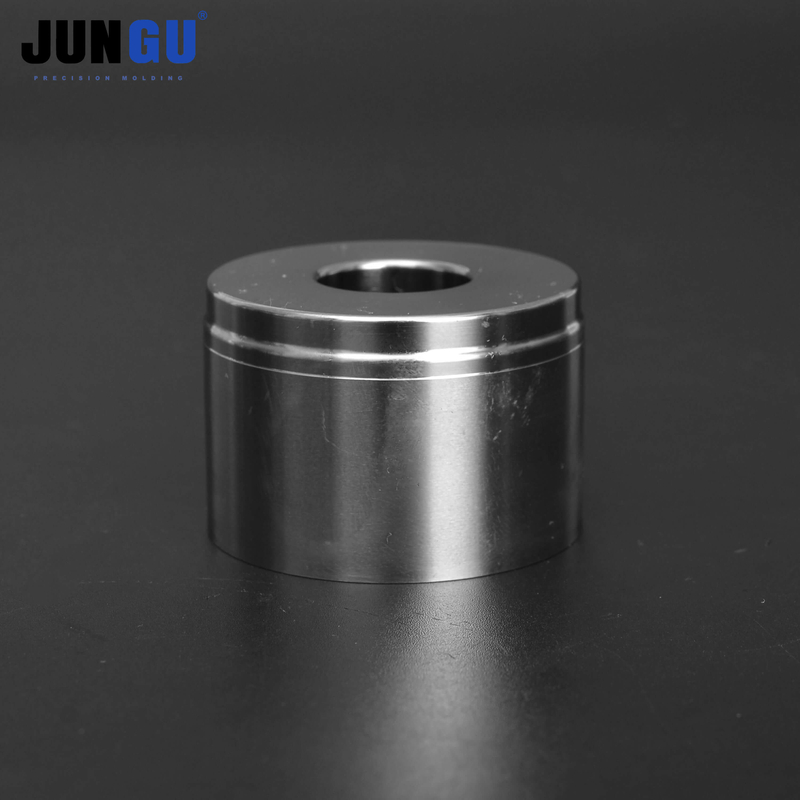 Bolt & Screw Forming DiesDie Case for Cold Heading Bolt DiesDie cases for supporting carbide or steel inserts in cold heading bolt dies. Jungu checks fit, wall thickness, support length, assembly route, and deformation risk.
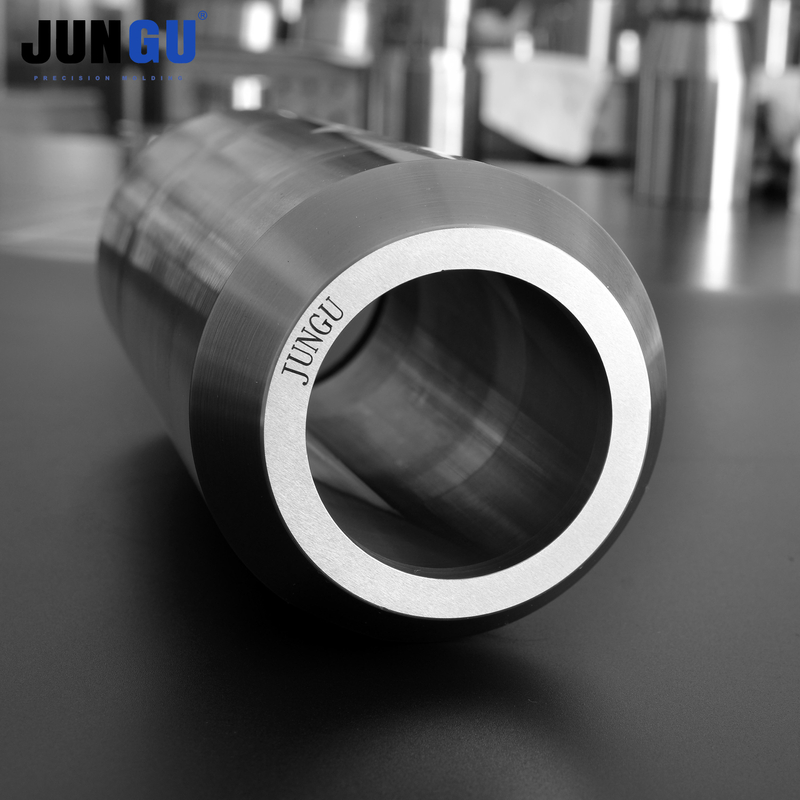 Bolt & Screw Forming DiesSpecial-Shape Die Case with Precision Inner HoleSpecial-shape die case for cold heading support and insert location. Jungu checks inner-hole tolerance, SKD or tool-steel route, shrink fit, station load, and crack pattern before quoting.
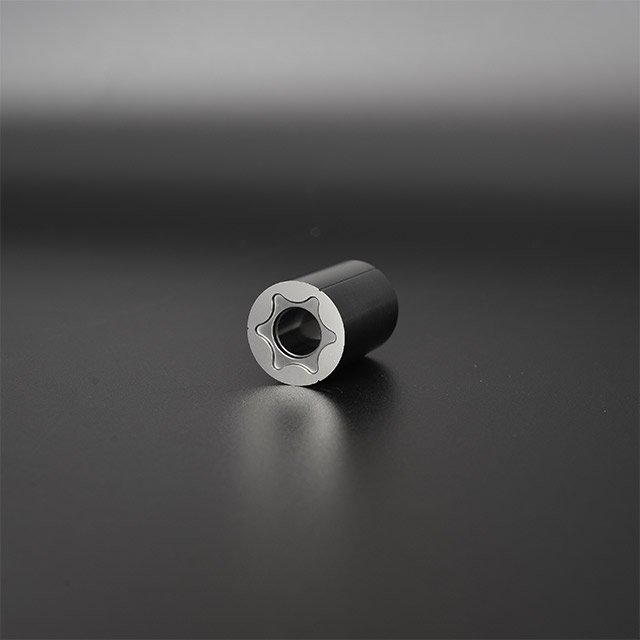 Bolt & Screw Forming DiesCustom Carbide Die Core for Bolt DiesCustom carbide die cores for bolt and screw forming dies. Jungu checks carbide grade, shrink-fit risk, die case support, forming load, and crack history.
Special-Shaped Dies
Hex, engineered, and non-standard fastener forming dies.
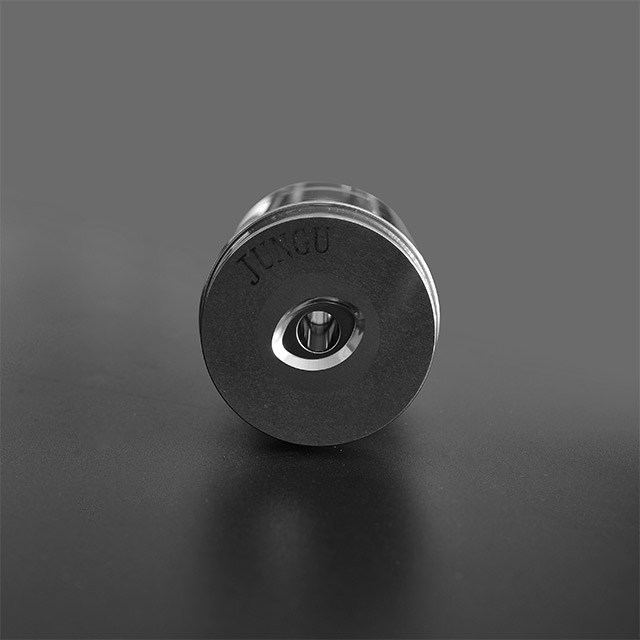 Bolt & Screw Forming DiesTungsten Carbide Dies for Engineering ForgingDrawing-based tungsten carbide dies for engineering forging and cold forming. Jungu checks forming load, material flow, carbide support, radius stress, and wear pattern before quoting.
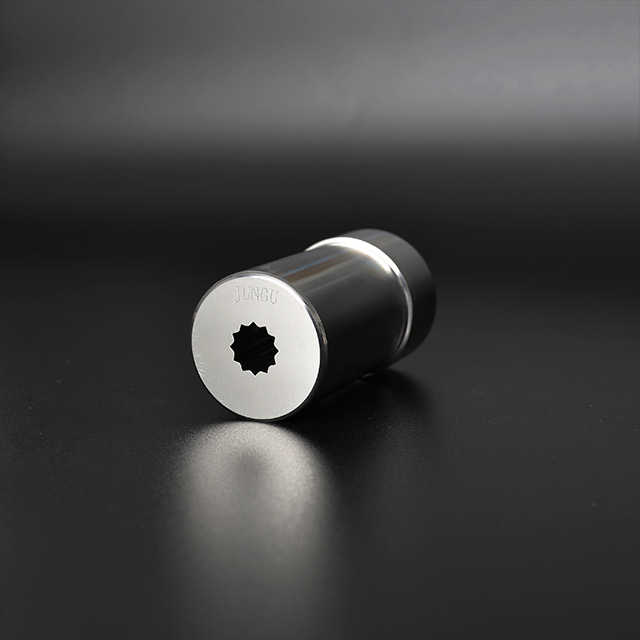 Bolt & Screw Forming DiesClean-Grade Carbide Dies for Rivet Cold HeadingClean-grade carbide dies for rivet and precision fastener cold heading. Jungu checks surface requirement, cavity polish, blank control, carbide support, and contamination risk before quoting.
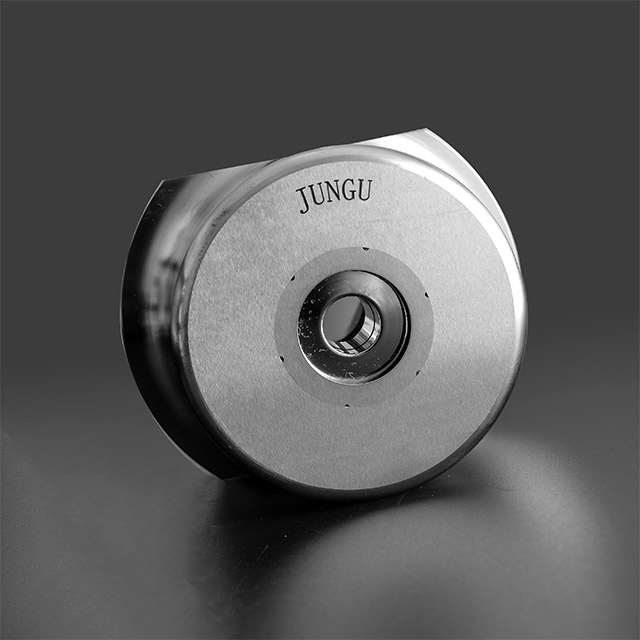 Bolt & Screw Forming DiesMetal Die Bolt Tooling for Engineering PartsMetal die bolt tooling for engineering cold-formed parts. Jungu checks drawing tolerance, blank control, station load, cavity support, material route, and defect evidence before quoting.
Custom capability
Materials: Tungsten carbide, HSS, SKD series steel, and custom carbide grades. Jungu reviews critical dimensions, surface finish, coating, annual demand, and existing tooling failure before quotation.
Typical Applications
Bolt and screw forming stations
Match each die to the part drawing, station sequence, machine interface, blank condition, and the intermediate shape entering that station.
Carbide inserts and supported die cases
Review insert geometry together with case fit, support length, loading direction, and the crack or wear location before selecting a replacement construction.
Special heads and recessed profiles
Send the head geometry, recess details, material grade, inspection method, and rejected-part photos so filling, alignment, and release can be reviewed together.
What changes a cold heading die route before quotation?
Cold heading dies are often called cold forming dies or cold forging dies in RFQs, but the name alone does not define the tooling route. The useful decision is whether the forming load, material flow, and die support call for a carbide core, a steel body, or a supported die-case assembly.
Machine and station
Send the machine model, station number, and forming sequence. A die that fits one station can fail early in another because the load path and support are different.
Blank and wire condition
Blank diameter tolerance, wire grade, hardness, lubrication, and surface condition affect cavity pressure before the finished bolt or screw is inspected.
Failure evidence
Photos of chipping, radial cracks, galling, folds, or dimensional drift help separate a material problem from a support, radius, or alignment problem.
A carbide die core will not solve a crack caused by weak case support or off-center load. Send the drawing, machine data, blank material, and failed-tool photos so the quote reflects the working condition rather than a generic die name.
Related engineering review pages
Use these detail pages when the RFQ needs a closer review of drawing data, tooling fit, and failure evidence.
- Special-Shape Die Case with Precision Inner HoleSpecial-shape die case for cold heading support and insert location. Jungu checks inner-hole tolerance, SKD or tool-steel route, shrink fit
- Die Case for Cold Heading Bolt DiesDie cases for supporting carbide or steel inserts in cold heading bolt dies. Jungu checks fit, wall thickness, support length, assembly
- Clean-Grade Carbide Dies for Rivet Cold HeadingClean-grade carbide dies for rivet and precision fastener cold heading. Jungu checks surface requirement, cavity polish, blank control
- Cold Heading Metal Die Bolt ToolingDrawing-based metal die bolt tooling for cold heading. Jungu checks blank volume, station load, die case support, material route, and crack
- HSS and Carbide Bolt Die Material RouteBolt die tooling route using HSS, carbide, or supported hybrid structures. Jungu checks impact load, wear pattern, support structure
- Tungsten Carbide Dies for Engineering ForgingDrawing-based tungsten carbide dies for engineering forging and cold forming. Jungu checks forming load, material flow, carbide support
- Custom Metal Die for Bolt Cold HeadingCustom metal die tooling for bolt cold heading. Jungu checks cavity geometry, blank volume, station load, die case support, release angle
- Metal Die Bolt Tooling for Engineering PartsMetal die bolt tooling for engineering cold-formed parts. Jungu checks drawing tolerance, blank control, station load, cavity support
Which RFQs need a forming-route review before a die quote?
When an RFQ provides only a part diameter and a product name, the forming route is still undefined. Head geometry, under-head transitions, intermediate shapes, and station sequence decide where each die carries load. Carbide support and die-case fit should be reviewed before the insert material or construction is selected. If the current tool chips, cracks, or produces folds, mark the failure location and include a sample part or clear photos. Copying the current cavity without that evidence can copy the same problem into the replacement tool. A useful quotation connects the part drawing to the machine, forming sequence, and current failure. A price based only on the label "cold heading die" or "bolt die" does not provide that engineering context.
Minimum RFQ data for cold heading dies
- Part drawing with tolerances and critical forming features
- Machine model, station number, and forming sequence
- Wire grade, surface condition, and lubrication route
- Blank dimensions and available intermediate-part drawings
- Current die assembly, support, fit, and clamping details
- Failed-tool photos or sample parts when troubleshooting
Send drawings, machine model, material, and current failure photos for review.
What does a returned cold heading die tell us?
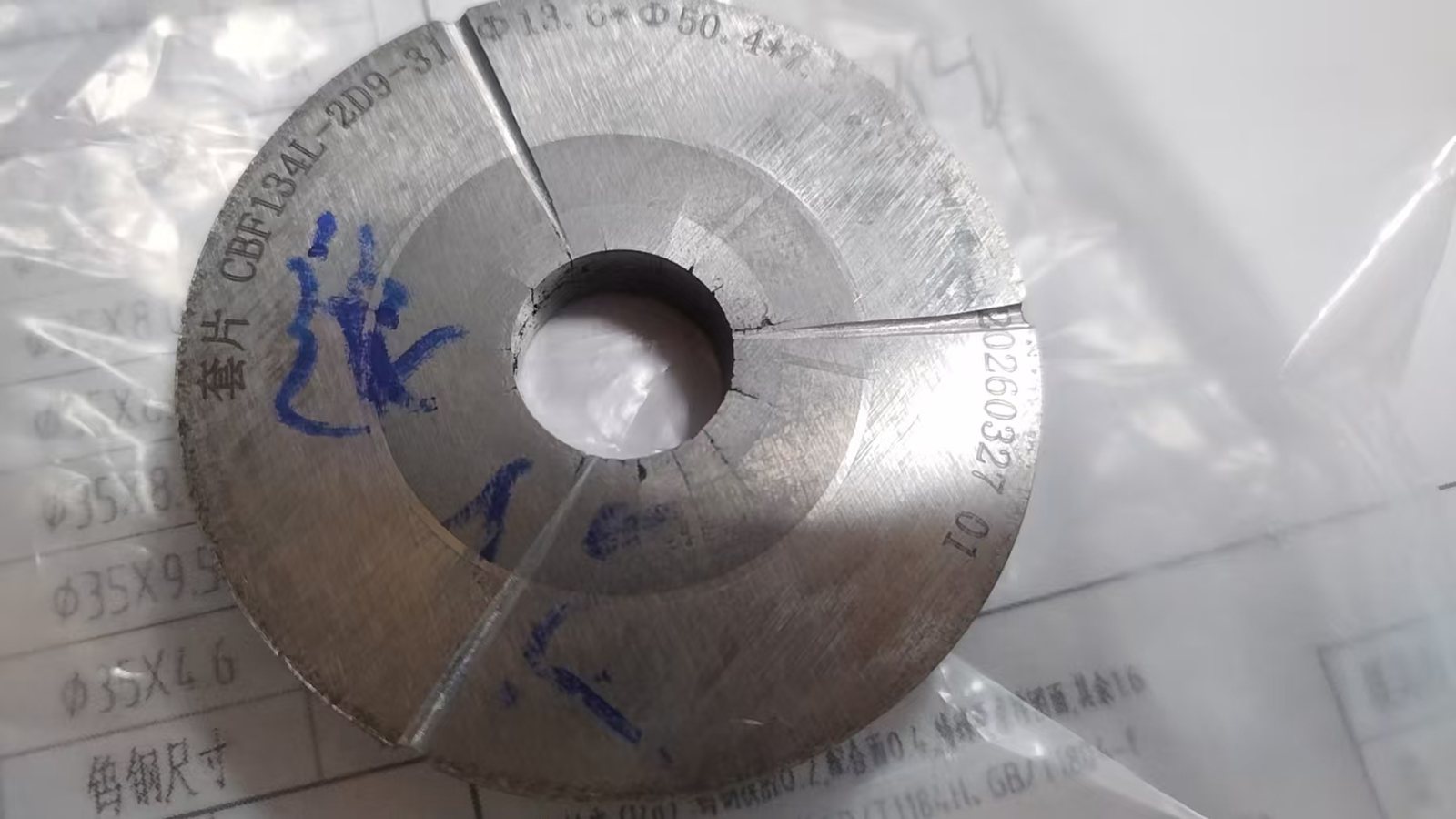
This returned tool has visible radial crack paths around the bore. That is a reason to inspect the insert and supporting case together, not a reason to select a harder grade from a photograph.
- Fit: compare the measured insert diameter and case bore with the assembly specification. Record the assembly method; do not infer interference from an external photograph.
- Support: check case condition, support length, contact, and the crack path. A replacement insert can inherit a problem in the retained case.
- Station: compare the incoming intermediate part and forming sequence with the intended cavity. The finished bolt drawing alone does not describe that station's work.
- Failure history: record when the damage appeared, material changes, and setup changes. Without that history, the photograph is a starting point, not a diagnosis.
See the cold heading die failure guide with internal photographs for the inspection sequence. For a supported assembly, review the die-case requirement alongside the insert drawing.
Buyer guides for cold heading dies
Compare tungsten carbide and tool steel for cold heading dies when wear, impact, or tool cost is the question. Use the cold heading die supplier checklist before sending a new drawing for quotation.
Need a custom Bolt & Screw Forming Dies review?
Send 2D or 3D drawings, material, machine model, annual volume, and current mould-life issue.