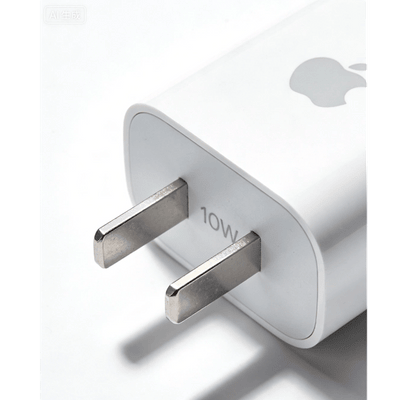
Apple Charger Plug Pin Mold: Case Study on Production Challenges and Solutions
Case study on charger plug pin mold design: copper alloy forming risk, scratch control, profile compensation, inspection points, and RFQ inputs.
Read technical note
Technical Knowledge Center
Practical notes on carbide dies, punch pins, thread rolling dies, mould life, material behavior, and case-specific production decisions.
Latest technical notes
Each article is written to help evaluate tooling choices, production risk, and the questions to ask before requesting a quotation.
Case study on charger plug pin mold design: copper alloy forming risk, scratch control, profile compensation, inspection points, and RFQ inputs.
Read technical note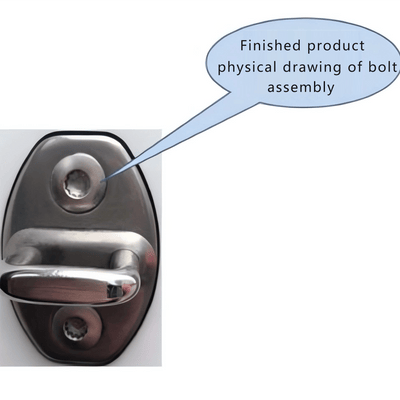
Automotive internal Torx door lock bolt tooling case: stainless steel forming, punch wear, mirror EDM, polishing, coating, and RFQ checks.
Read technical note
An Italian customer visited Jungu on October 8, 2026 to discuss bolt and nut tooling, manufacturing processes and delivery lead times. See photos and video.
Read technical note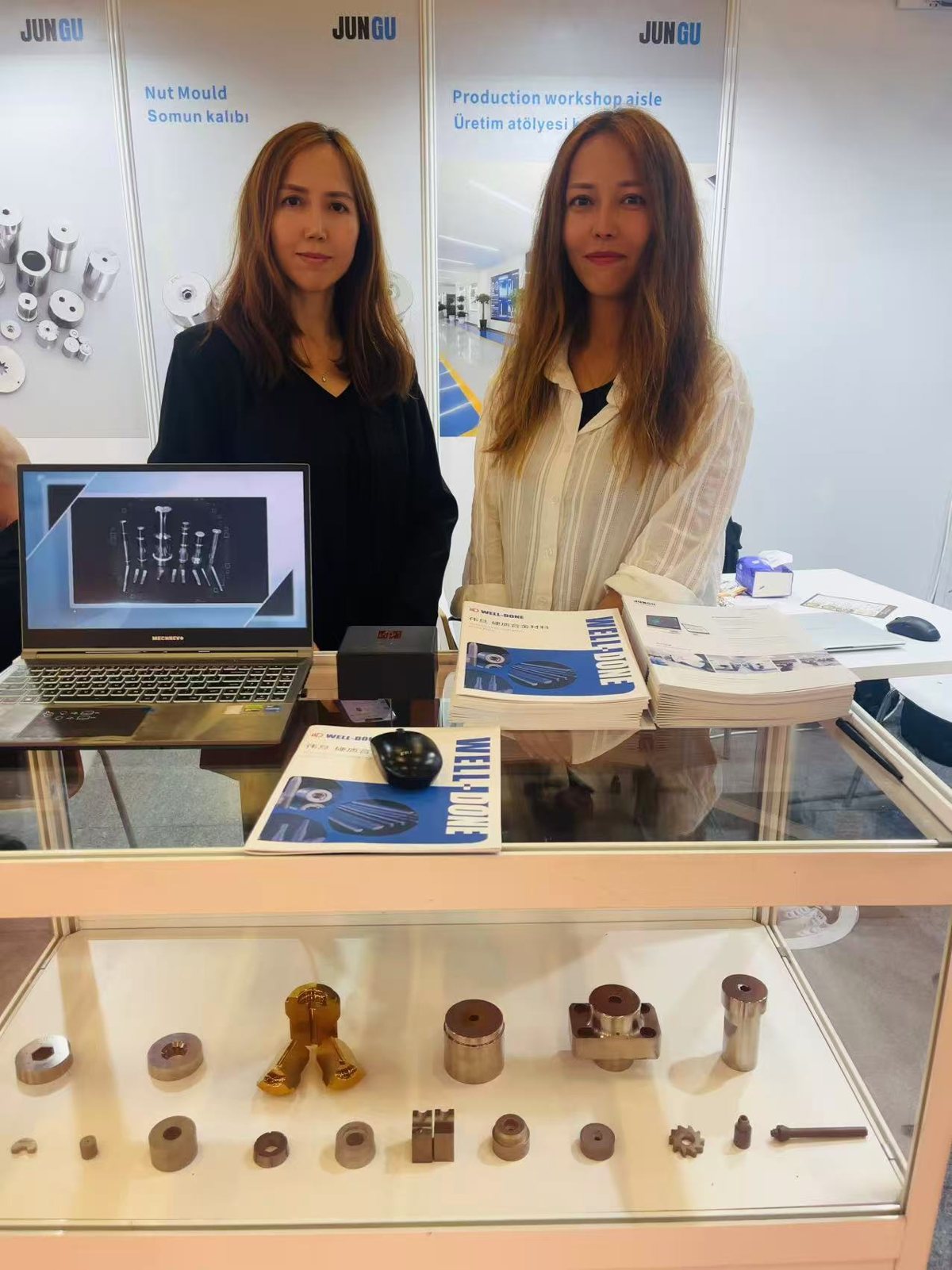
Meet Jungu at Fastener Expo Eurasia 2026 in Istanbul. Explore cold heading tooling and custom die samples, and send your drawings for an engineering review.
Read technical note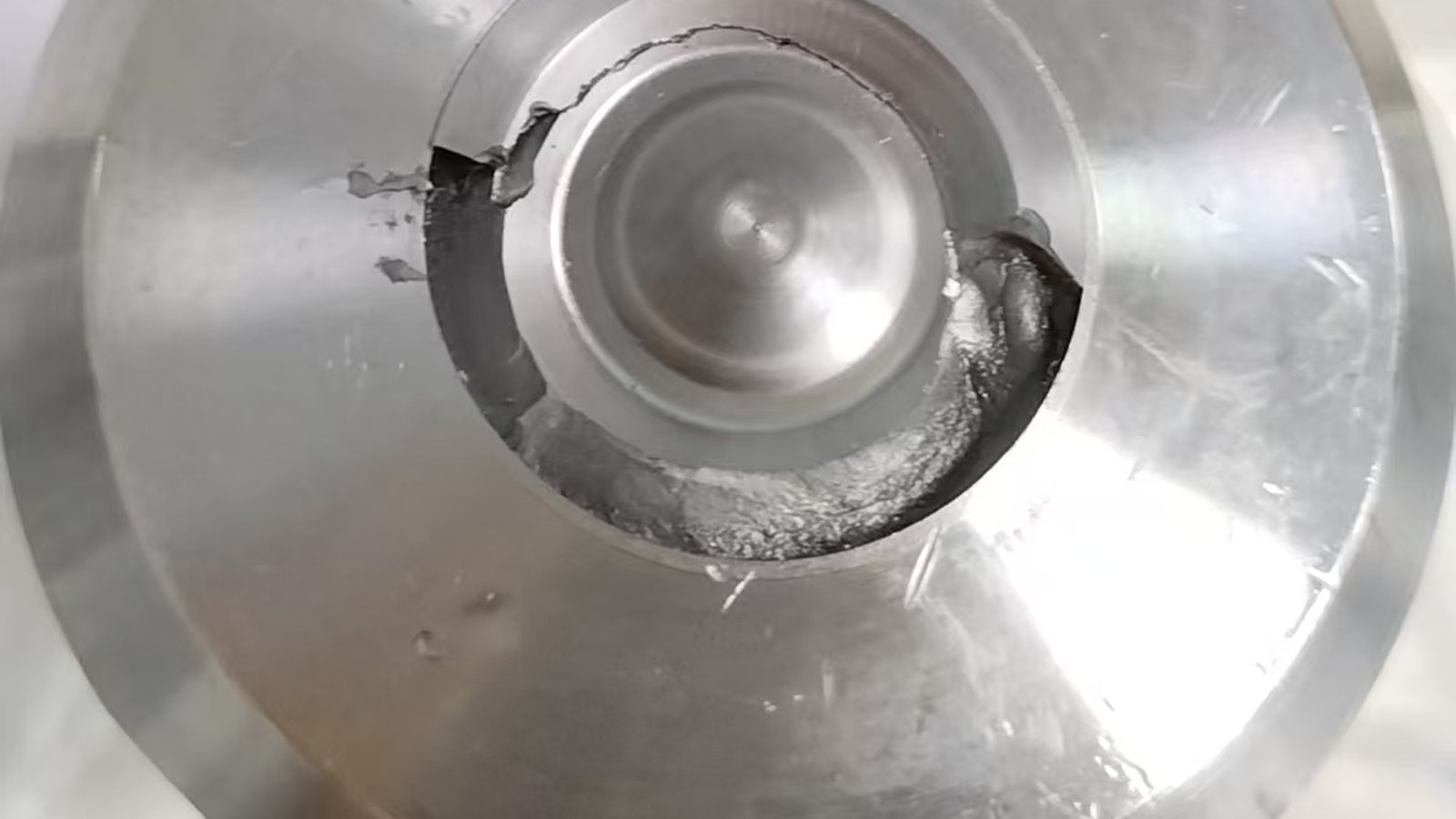
Diagnose cold heading die chipping, cracking, wear and incomplete fill using failed-tool evidence, shrink-fit review, machine data and RFQ checks.
Read technical note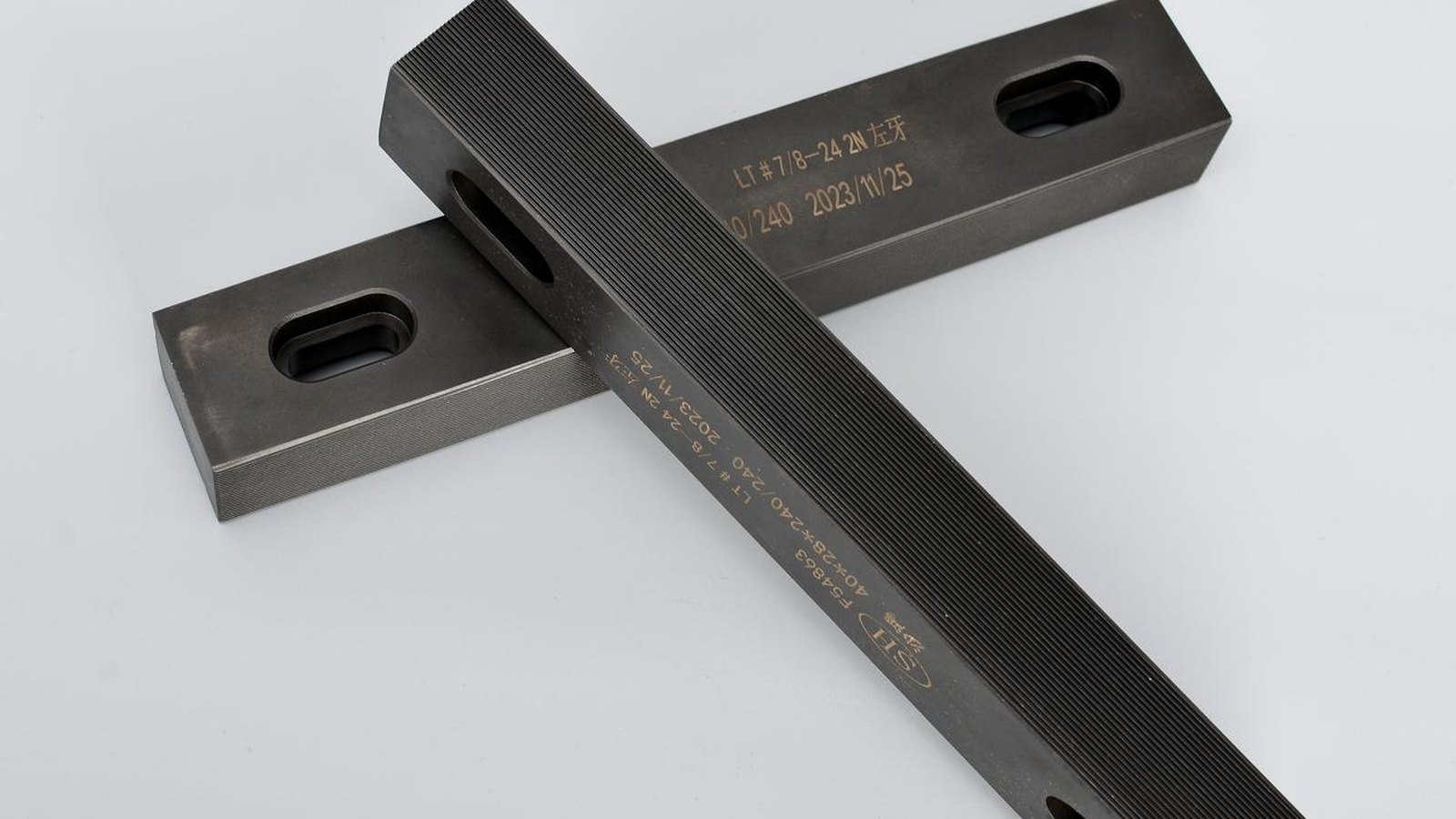
Choose flat or cylindrical thread rolling dies from machine architecture, tooling interface, blank control, material, inspection requirements, and RFQ.
Read technical note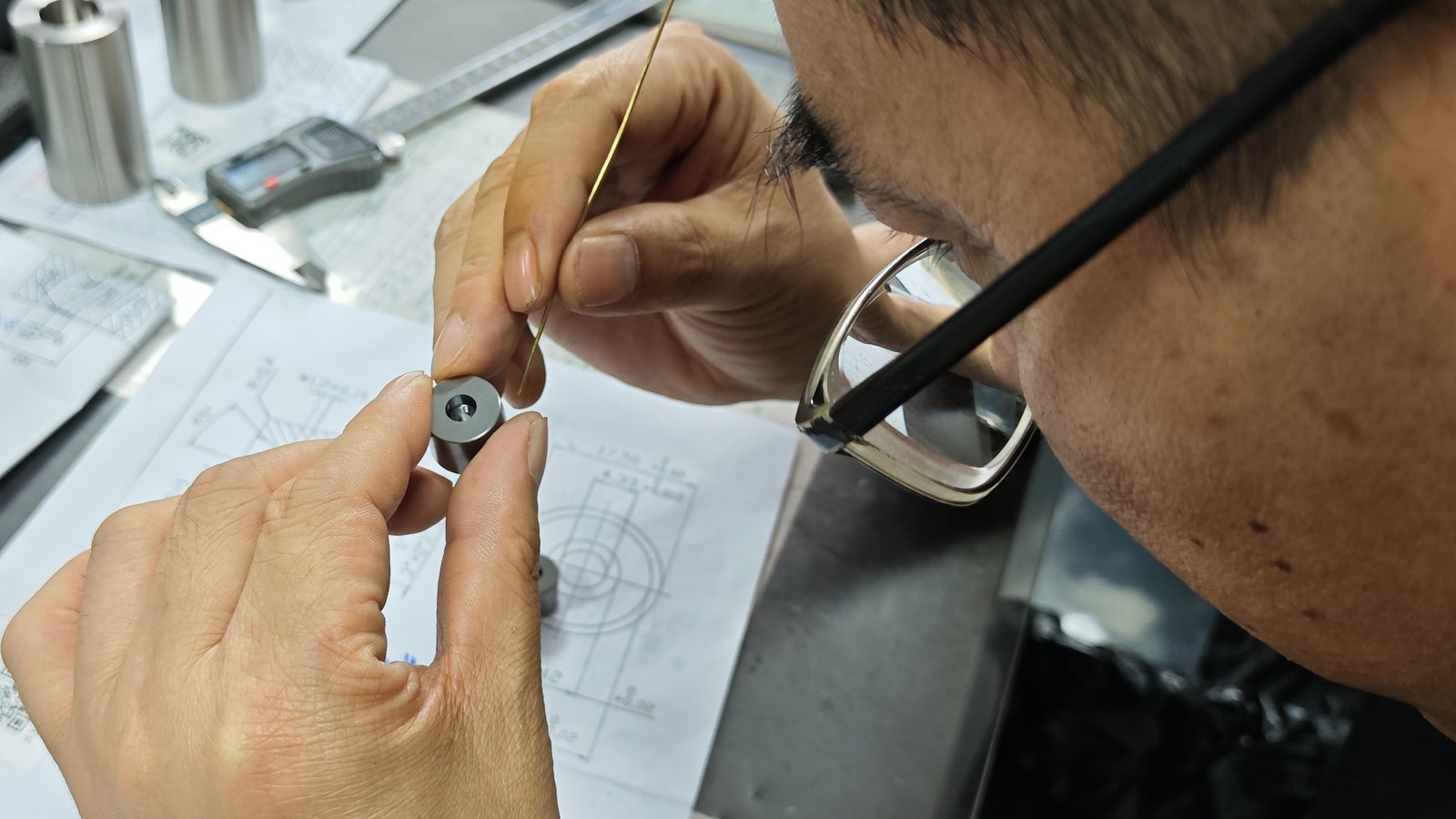
Compare cold heading die suppliers by tolerance capability, carbide selection, inspection process, engineering support and quote readiness.
Read technical note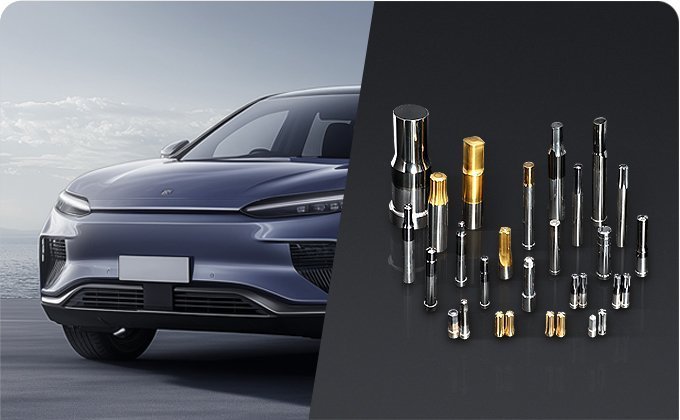
Tungsten carbide vs steel cold heading dies: compare tool life, cost, toughness and tolerances, and learn which to choose for your fastener production.
Read technical note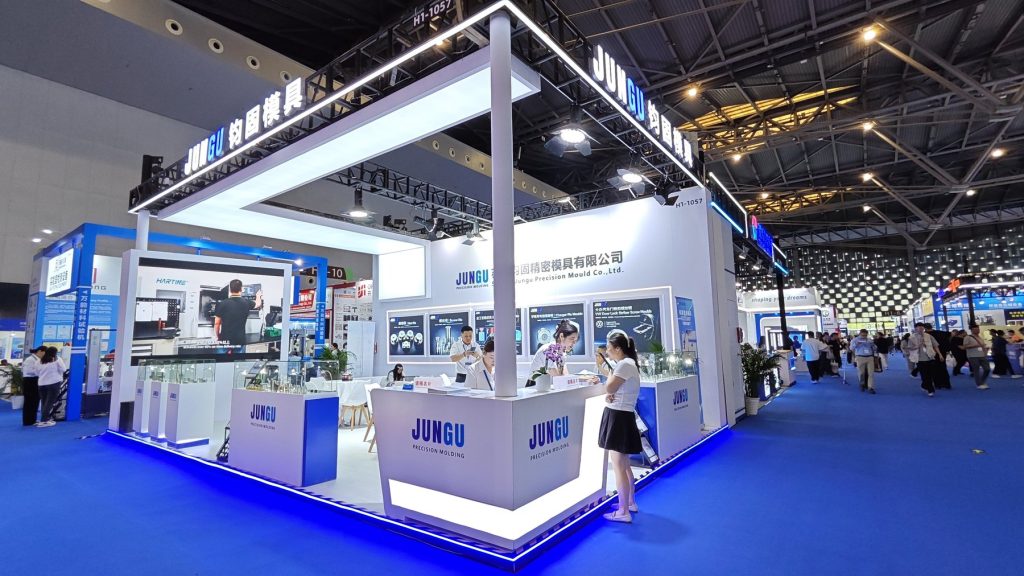
A short field note from Jungu Precision Mould at the 2026 Shanghai International Fastener Industry Expo, covering booth discussions around carbide dies.
Read technical note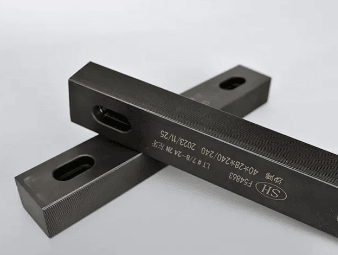
Compare thread rolling and thread cutting for bolts and screws. Review volume, material, blank diameter, tolerance, machine fit, and RFQ data.
Read technical note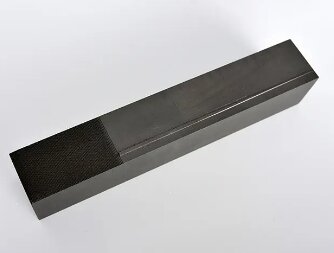
Learn how flat and cylindrical thread rolling dies form threads, what controls fill and wear, and which machine and blank data a tooling RFQ needs.
Read technical note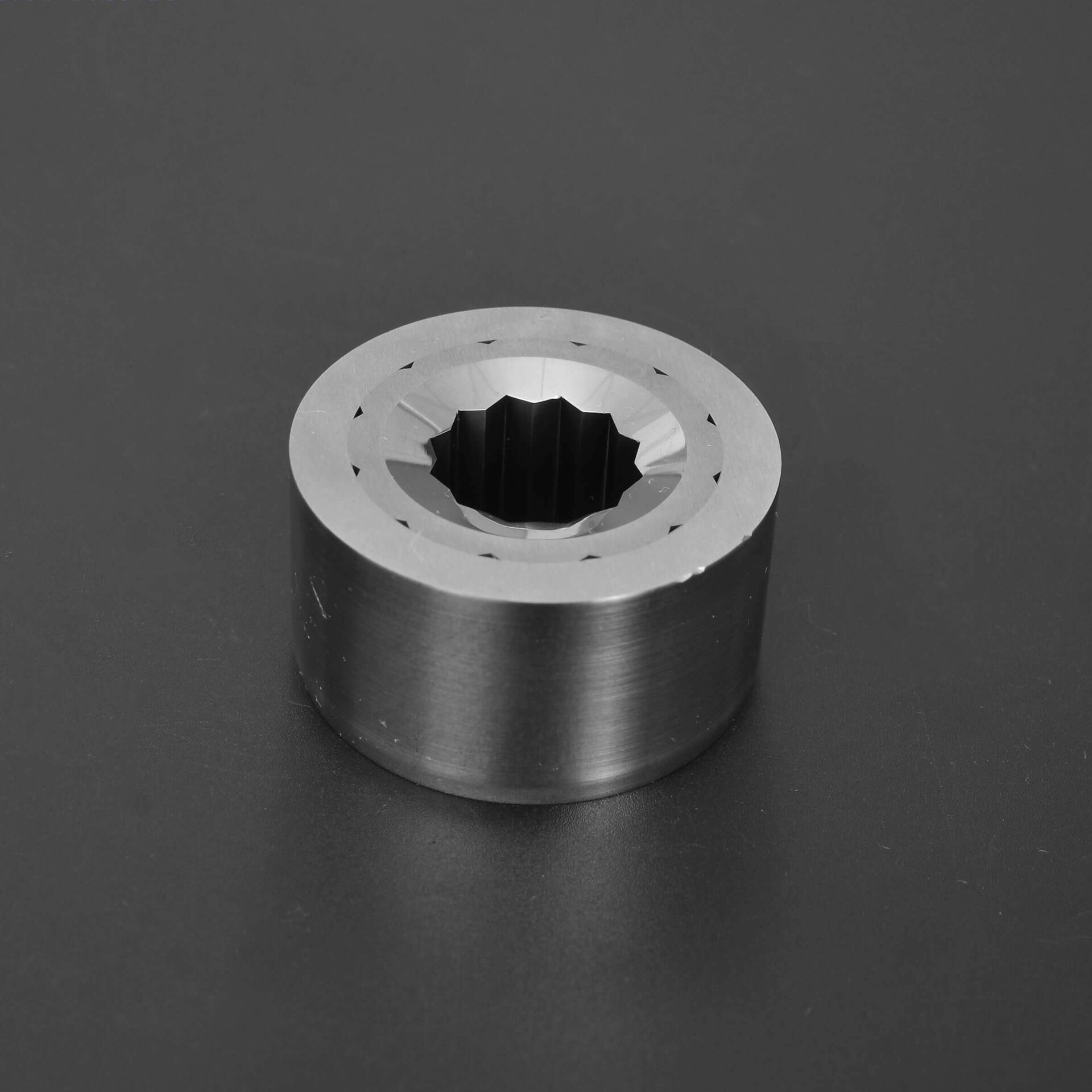
Tungsten carbide hardness is not one fixed value. Compare HRA, HV, binder content, grain size, toughness, and grade selection for cold heading dies.
Read technical note