
Bolt & Screw Forming Dies
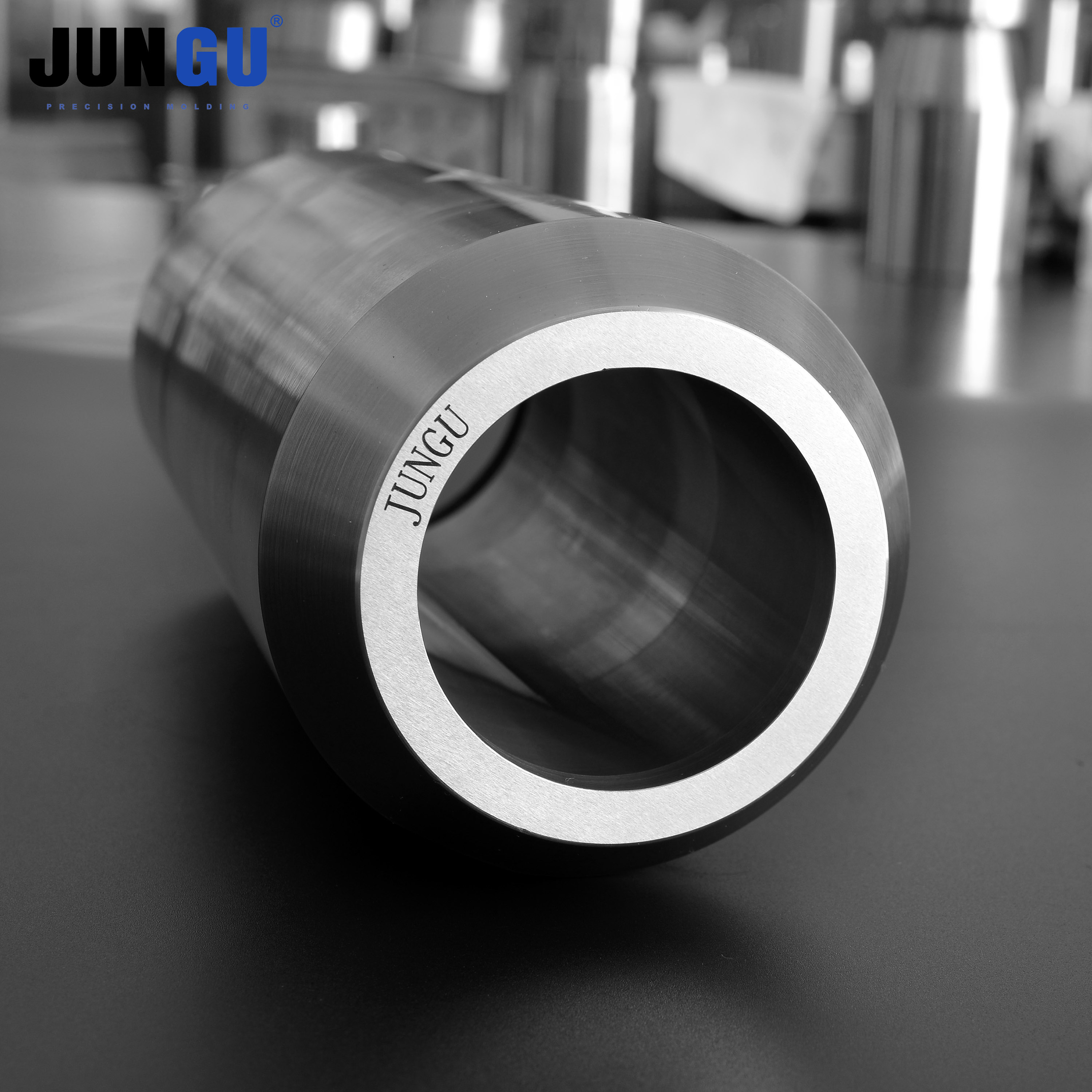
Special-Shape Die Case with Precision Inner Hole
Special-shape die case for cold heading support and insert location. Jungu checks inner-hole tolerance, SKD or tool-steel route, shrink fit, station load, and crack pattern before quoting.
What is Special-Shape Die Case with Precision Inner Hole used for?
A special-shape die case with a precision inner hole supports the forming insert and keeps the die aligned under cold-heading load. It is not only a steel housing. Inner-hole roundness, fit tolerance, shoulder support, wall thickness, heat-treatment route, and station load decide whether the insert stays stable or starts cracking at the back face. If the case is too hard, it can crack under impact; if it is too soft or loose, the insert moves and the formed part drifts. Jungu reviews the die case drawing, insert size, inner-hole tolerance, material route such as SKD or alloy tool steel, hardness target, machine station, support shoulder, and photos of cracks, fretting, loose fit, or eccentric wear before quoting.
Common sourcing use
Die case support for special-shape cold heading inserts where inner-hole tolerance and shoulder support control insert stability.
Related product families
Technical Review Scope
What Jungu checks
- Die case outside shape, inner-hole diameter, roundness, shoulder depth, and fit tolerance
- Insert size, material route, heat treatment, hardness target, and shrink or press-fit method
- Machine station, forming load direction, support face, wall thickness, and assembly method
- Failure mode: case crack, insert looseness, fretting, eccentric wear, shoulder collapse, or part drift
Why no standard price is shown
This die case is quoted after the insert and housing are reviewed as one assembly. Case bore, shoulder support, material route, heat treatment, and the intended fit can change both machining and inspection work.
Information Needed for Quotation
| Case geometry | Outside dimensions, inner-hole tolerance, shoulder depth, support face, and assembly drawing. |
|---|---|
| Insert fit | Insert material, size, fit method, interference target, and current assembly photos. |
| Load route | Machine station, forming direction, workpiece material, and expected tool-life target. |
| Failure evidence | Photos of cracks, fretting marks, loose insert, eccentric wear, or damaged shoulder. |
Application and Buyer Fit
| Typical application | die case support for special-shape cold heading inserts where inner-hole tolerance and shoulder support control insert stability |
|---|---|
| Buyer review focus | inner-hole roundness, fit tolerance, insert shoulder, wall thickness, hardness route, station load, and crack or fretting pattern |
| Quotation basis | drawing, material, tolerance, machine model, quantity, and target tool life |
| Review output | a die case route matched to insert support, material hardness, station load, and assembly tolerance |
Inquiry Process
- Send drawings and application details.
- Jungu reviews manufacturability and tooling route.
- Engineering confirms material, tolerance, and mould-life target.
- Quotation and lead time are prepared after technical confirmation.
FAQ
Why does a die case crack behind the insert?
Common causes are weak shoulder support, sharp inner corner, wrong hardness, excessive interference, or off-center forming load.
Can Jungu quote from the insert only?
No. The case fit depends on both insert and housing data, especially inner-hole tolerance and shoulder support.
Should the case be as hard as possible?
No. The case needs enough strength and toughness. Over-hardening can reduce impact resistance.
How should the insert-to-case fit be reviewed?
Send the insert outside diameter, case bore, material and heat-treatment condition, assembly method, and failure photos. The fit must support the insert without overstressing the case.
Need this tooling reviewed?
Send drawings, machine model, material, and current failure photos for review.