
How to Choose a Cold Heading Die Supplier: A Buyer's Checklist
Compare cold heading die suppliers by tolerance capability, carbide selection, inspection process, engineering support and quote readiness.
Source basis: Jungu customer project records and technical review notes. Customer names, drawings, and production data are anonymized unless publication was authorized.
Short answer: A good cold heading die supplier should prove four things before you place an order: precision capability, material selection expertise, quality control, and engineering support. The supplier should ask about your fastener drawing, wire material, forming station, target volume and current failure mode before quoting. If a supplier gives a price without reviewing these details, the quotation may be fast, but it is not reliable.
For overseas buyers, the goal is not only to find a low unit price. The real goal is to reduce trial costs, avoid repeated die failure, keep fastener production stable, and work with a supplier who can communicate clearly when a drawing or forming condition changes.
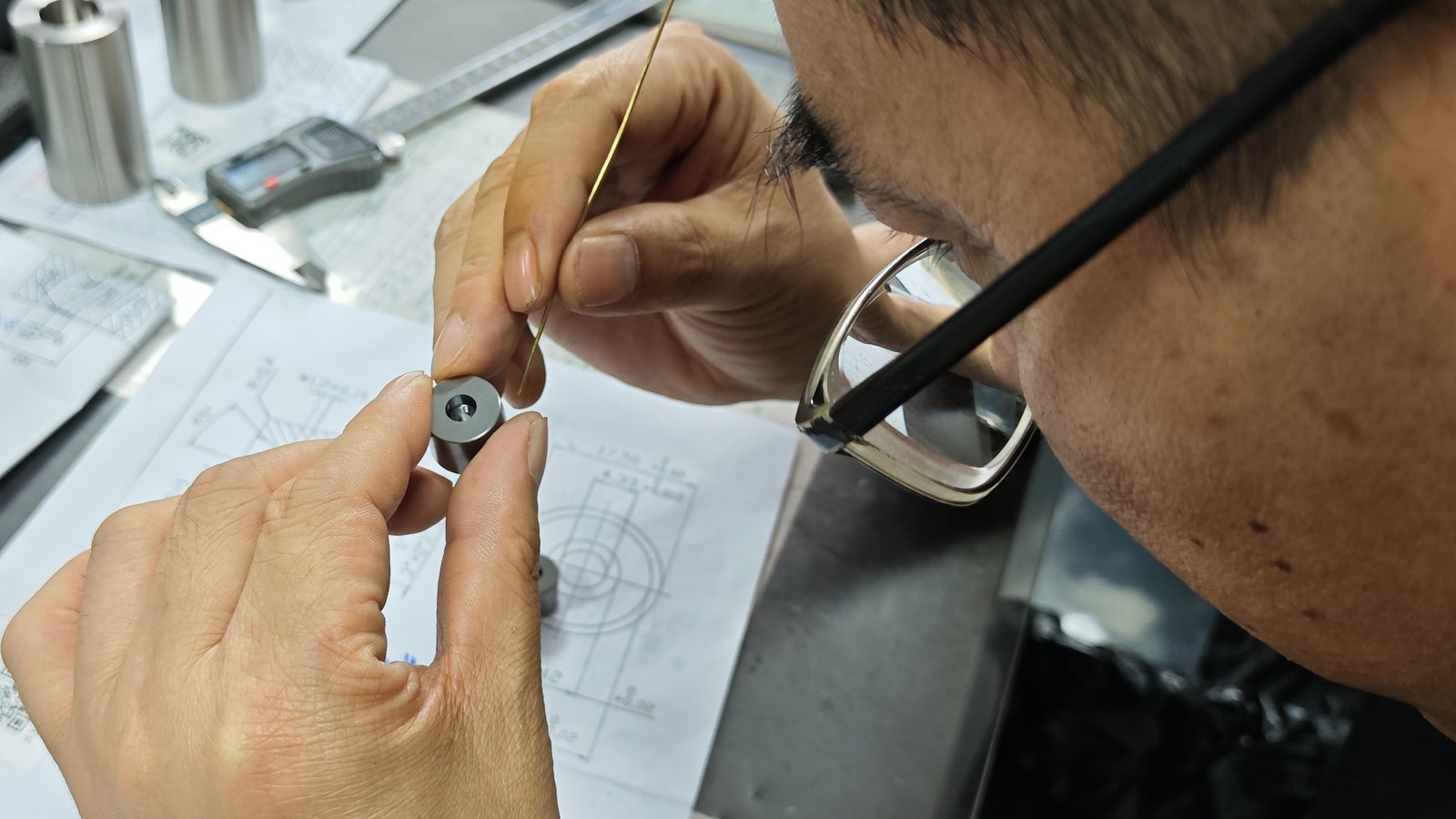
Cold Heading Die Supplier Checklist
| What to check | Why it matters | What a reliable supplier should show |
|---|---|---|
| Tolerance capability | Dimensional control affects fastener consistency and die life | Real inspection capability, clear tolerance discussion, and measured dimensions for selected features |
| Carbide and steel selection | Wrong material choice can cause chipping, cracking or fast wear | Recommendations based on wire material, forming load, production volume and failure mode |
| Cavity and bore finish | Surface finish affects metal flow, part surface quality and tool life | Finish requirements discussed according to the drawing instead of vague "high precision" claims |
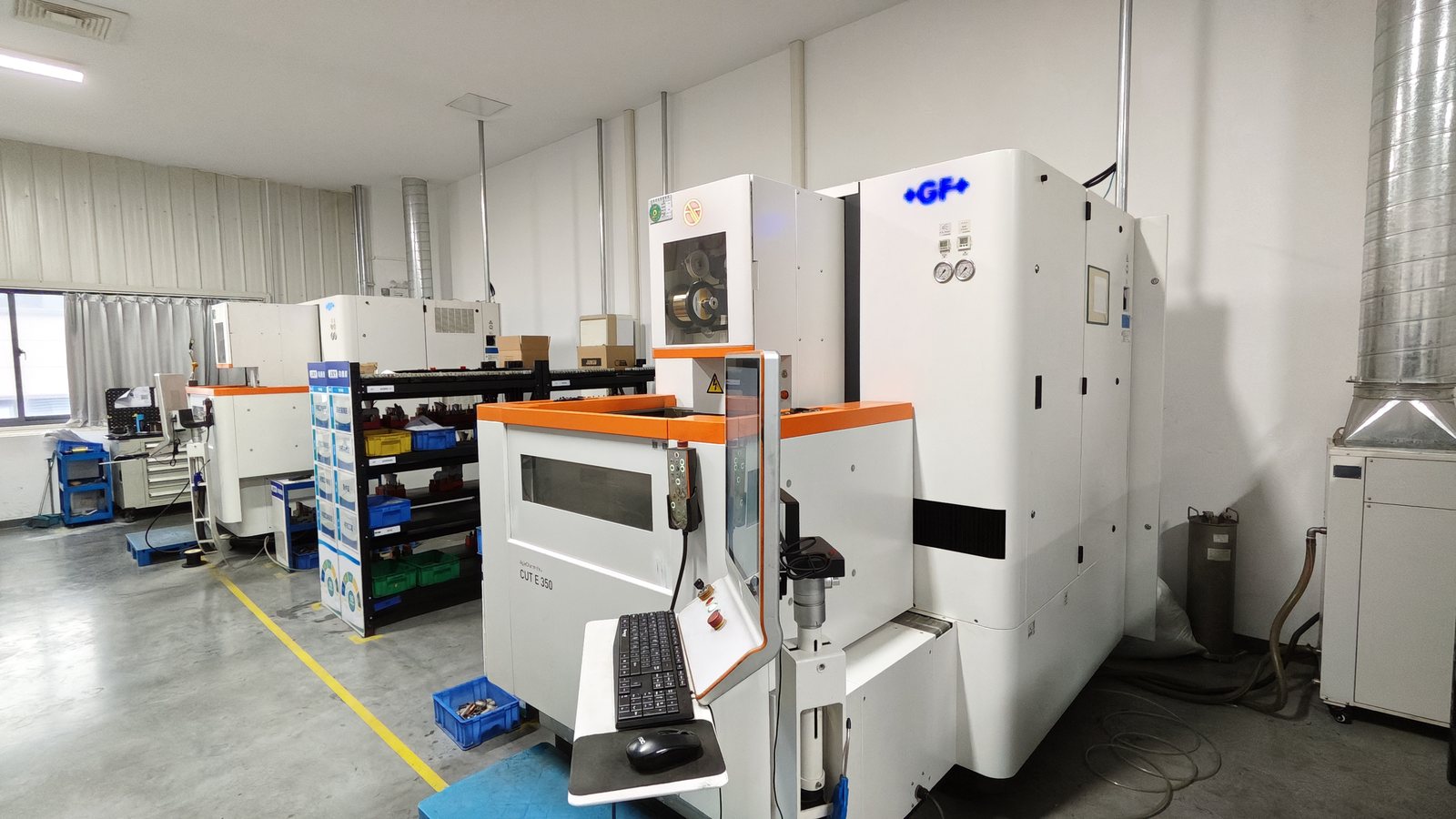
| Equipment | Machining equipment limits what precision can be achieved repeatedly | EDM, wire cutting, grinding, polishing and inspection equipment matched to the part geometry |
| Quality system | Repeatability depends on process control, not only final inspection | ISO 9001:2015 quality management, in-process checks and full-size final inspection |
| Engineering review | Custom dies are not standard catalog parts | Drawing review, forming-condition questions and practical suggestions before production |
| Lead time and communication | Delays affect production schedules and replacement planning | Clear lead time, named contact, drawing-based quotation and English-capable communication |
| Proof of work | Buyers need evidence before trusting a new supplier | Real workshop images, inspection photos, certificate images, and examples of similar tooling types |
Red Flags When Comparing Suppliers
Be careful if a supplier:
- Quotes a price without asking for the fastener drawing, wire material or forming station.
- Recommends carbide for every project without explaining why.
- Cannot explain the difference between tool steel, carbide and carbide-insert construction.
- Gives only general claims such as "best quality" or "high precision" without inspection details.
- Has no visible inspection process, certificate image, workshop images or technical contact.
- Cannot discuss why your previous die failed, such as chipping, cracking, galling, poor surface finish or short tool life.
These problems do not always mean the supplier is incapable. But they do mean the buyer will carry more risk during sampling and production.
What Information Should You Send for an Accurate Quote?
To receive a useful recommendation instead of a generic price, send:
- Fastener drawing, preferably with critical dimensions marked.
- Wire material and grade.
- Target production volume or expected batch size.
- Forming station and machine model.
- Current die material and actual tool life, if this is a replacement project.
- Failure mode you want to solve, such as chipping, cracking, wear, poor finish or unstable dimensions.
- Surface finish, coating or heat-treatment requirements if they are already specified.
When these details are available, the supplier can evaluate whether the project is better suited for carbide, tool steel, or a carbide-insert structure.
How to Evaluate Precision and Inspection Capability
Precision is not only a number in a brochure. Buyers should ask how the supplier checks the dimensions that matter most to the fastener.
For cold heading dies, important inspection points may include bore size, cavity shape, concentricity, length, outer diameter, surface finish and special-shaped profile accuracy. Some dimensions may require a profile projector, coordinate measuring equipment, optical inspection or dedicated gauges.
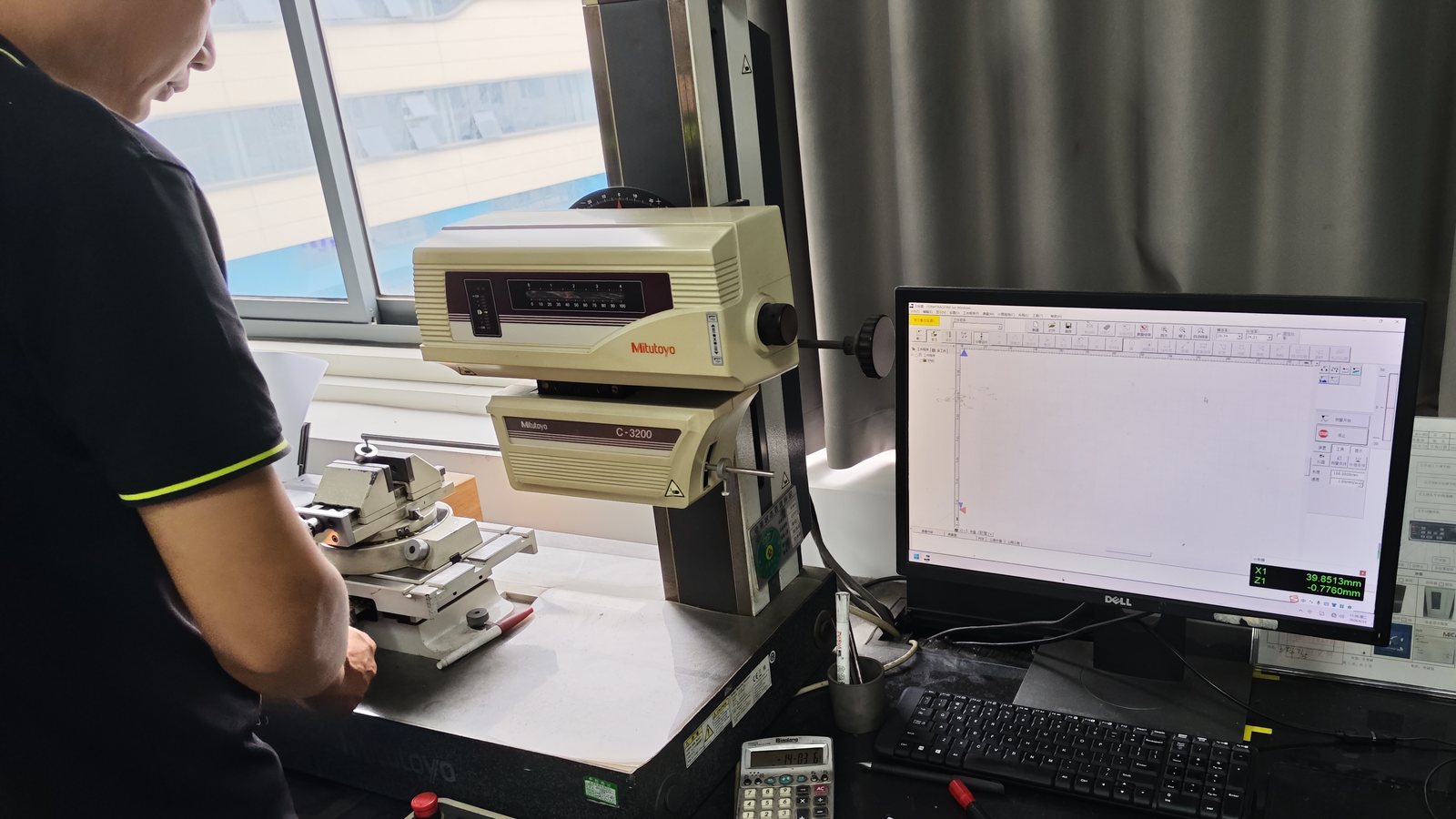
A reliable supplier should be able to explain:
- Which features are difficult to control.
- Which inspection method is used for those features.
- Whether the tolerance is checked during machining, after polishing, or before shipment.
- Whether an inspection report can be provided when the project requires it.
For custom tooling, a tolerance claim should always be tied to a drawing and selected dimensions. Avoid treating one tolerance number as a universal guarantee for every die type.
Material Selection: Carbide, Tool Steel or Insert Design?
Many cold heading die problems come from choosing the wrong construction, not from poor machining alone.
Carbide is often used when the buyer needs wear resistance, stable dimensions and longer tool life in high-volume production. Tool steel may be more practical for lower volume, prototyping, impact-heavy stations or cost-sensitive programs. A carbide-insert design can combine wear resistance with a steel case or holder structure.
The correct choice depends on:
- Wire material and hardness.
- Fastener geometry.
- Forming load.
- Target volume.
- Previous failure mode.
- Cost of downtime versus tooling cost.
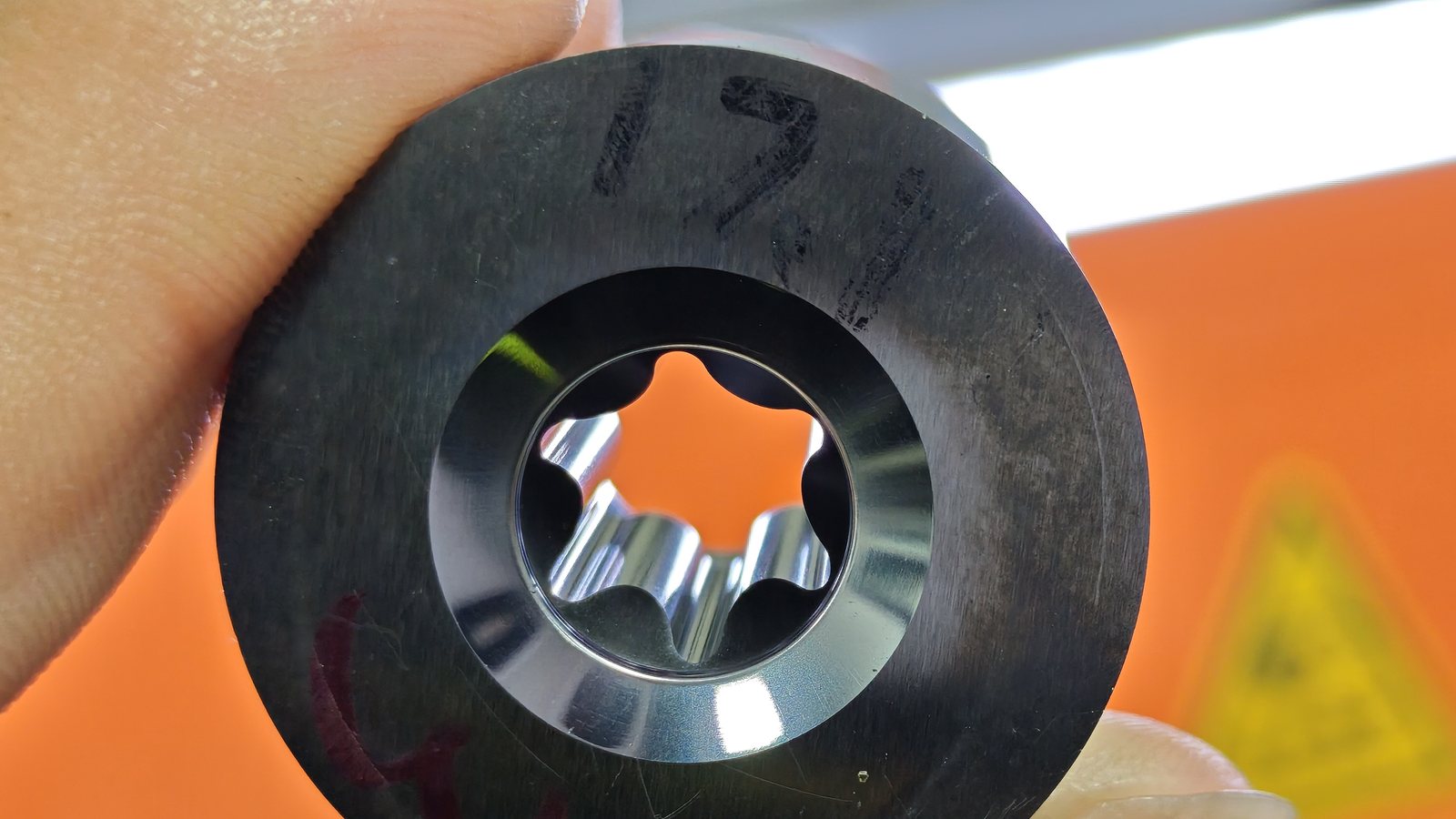
A strong supplier should not simply say "carbide is better" or "steel is cheaper." They should explain why a material or structure fits your specific forming condition.
When Should a Supplier Propose a Segmented Die?
A supplier should discuss a segmented design when the formed part has a shoulder, flange, side feature, multiple upset, or asymmetric profile that cannot release cleanly from a one-piece cavity. The first decision is not carbide versus steel. It is whether the segments can open, close, and support the profile without placing a seam on a critical surface.
For quotation, send the finished-part drawing, forming sequence, machine and station, holder or case dimensions, blank data, and photos of chipping, flash, sticking, or incomplete fill. A useful supplier review should explain the release direction, proposed segment count, seam location, support route, and inspection points before discussing coating.
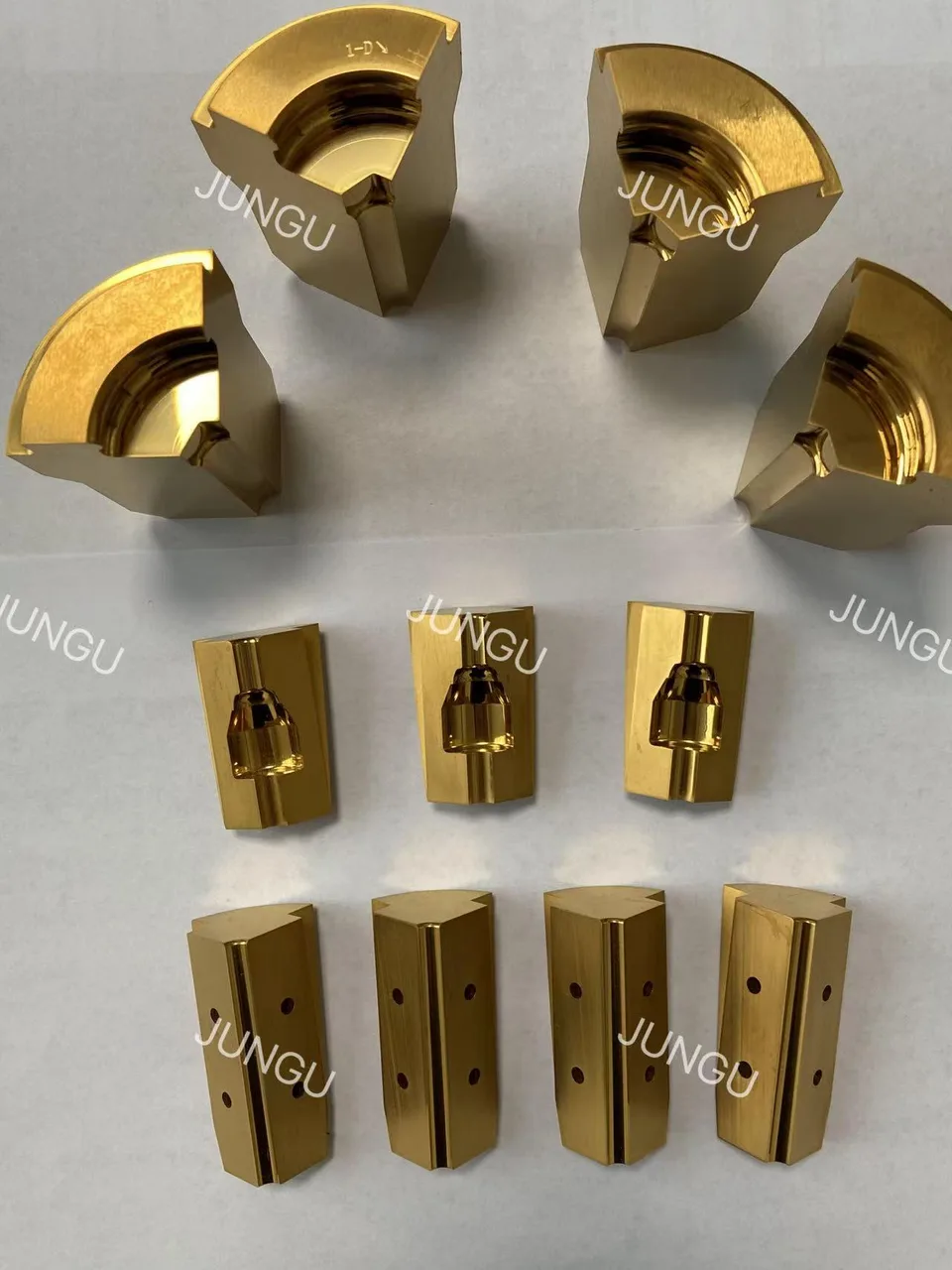
Review Jungu segmented dies for the product scope and drawing requirements.
How Jungu Approaches Cold Heading Die Projects
Jungu is a Taicang-based manufacturer focused on precision fastener tooling, including carbide dies, cold heading dies, punch pins, thread rolling dies, nut forming dies and custom mould components.
For drawing-based projects, Jungu reviews the fastener drawing, wire material, forming station, target volume and existing tool-life problem before recommending a tooling route. The recommendation may involve carbide, tool steel, a carbide-insert construction, EDM machining, polishing, profile inspection, or full-size final inspection depending on the part.
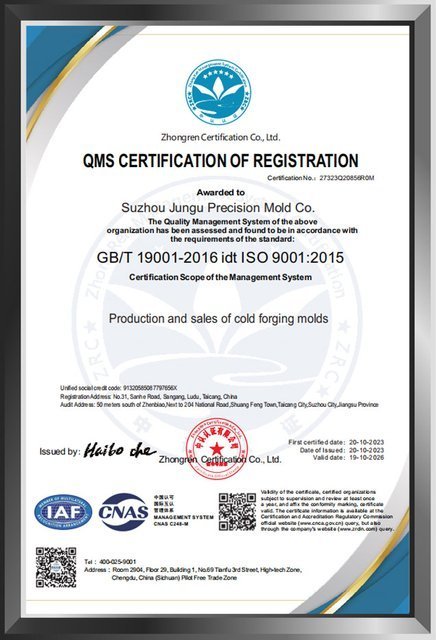
Jungu's public quality information includes an ISO 9001:2015 certificate on the official website. For buyer evaluation, this matters because a supplier should show not only finished products, but also a controlled process for machining, inspection and delivery.
If you are comparing suppliers, Jungu can review your drawing and help confirm whether the project is suitable for carbide dies, punch pins, thread rolling tooling, nut forming dies or other fastener mould components.
Supplier Comparison Scorecard
Use this scorecard before selecting a cold heading die supplier:
| Evaluation item | Score 1-5 | Notes |
|---|---|---|
| Drawing review quality | Did the supplier ask technical questions before quoting? | |
| Material recommendation | Did they explain why carbide, steel or insert design fits the project? | |
| Inspection capability | Did they show how critical dimensions are checked? | |
| Workshop and equipment evidence | Are machining and inspection photos visible and relevant? | |
| Quality management | Is ISO 9001:2015 or equivalent quality documentation visible? | |
| Communication quality | Is the contact technical enough for overseas projects? | |
| Quote completeness | Does the quote reflect drawing, material, tolerance, quantity and delivery terms? |
A supplier with a slightly higher unit price may still reduce total cost if they help avoid repeated sampling, unexpected downtime and early die failure.
FAQ
What is the most important factor when choosing a cold heading die supplier? Engineering fit. The supplier should match the die material, grade, construction and inspection method to your wire material, volume, forming station and failure mode.
Should I choose a carbide die supplier or a tool steel die supplier? Choose a supplier that can evaluate both options. Carbide is often suitable for high-volume and wear-sensitive applications, while tool steel can be practical for prototyping, lower volume or impact-heavy conditions.
What certifications should a cold heading die supplier have? ISO 9001:2015 quality management is a useful baseline. For automotive-related fastener programs, the supplier should also understand traceability and inspection expectations even when the final buyer manages IATF 16949 requirements.
How do I get an accurate quote for custom cold heading dies? Send the fastener drawing, wire grade, target volume, forming station, machine model, current tool life and failure mode. This lets the supplier recommend the right material and construction instead of guessing.
Can a supplier quote without a drawing? Only roughly. For custom cold heading dies, a serious quotation usually needs at least a drawing, sample part or clear dimensional information. Without these, the quote may miss important cost and manufacturing risks.
Have a drawing? Send it to Jungu for a tooling recommendation.