
Bolt & Screw Forming Dies
Custom Metal Die for Bolt Cold Heading
Custom metal die tooling for bolt cold heading. Jungu checks cavity geometry, blank volume, station load, die case support, release angle, and defect pattern before quoting.
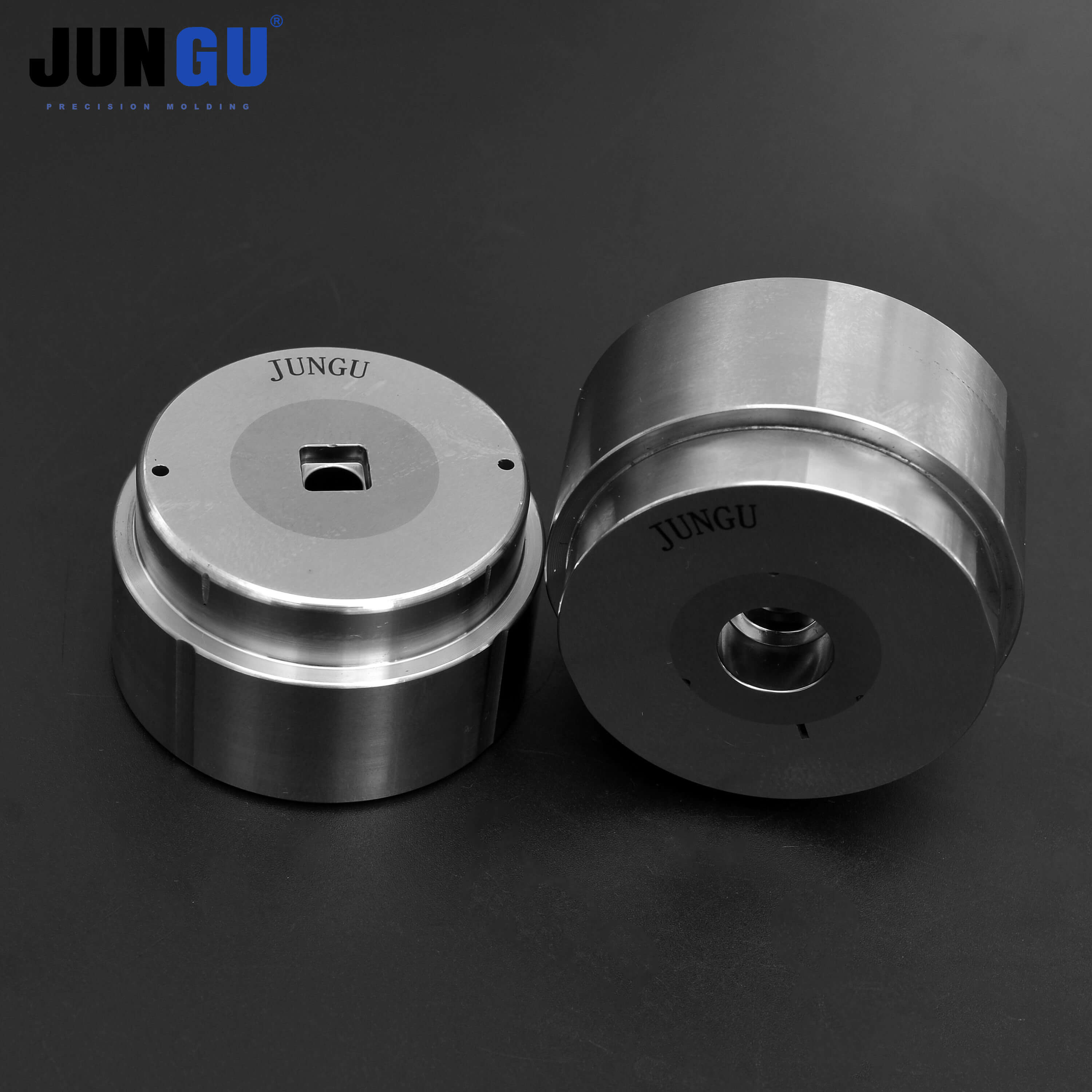
What is Custom Metal Die for Bolt Cold Heading used for?
A custom metal die for bolt cold heading forms bolt heads, shoulders, or body transitions by forcing material into a controlled cavity. The useful sourcing question is not whether the die can be made, but whether the cavity, blank volume, die case, material route, and machine station are consistent. If the blank volume is unstable, the die may show poor fill or excessive pressure. If the release angle is too small, sticking marks can be mistaken for material wear. Jungu reviews the bolt drawing, head and shank transition, blank diameter and cut length, material grade, station layout, die case support, cavity finish, lubrication, and photos of cracks, sticking, fold marks, or dimensional drift before quoting.
Common sourcing use
Bolt head and shoulder cold heading where cavity geometry, blank volume, die support, and release condition control stability.
Related product families
Technical Review Scope
What Jungu checks
- Bolt drawing, head shape, shoulder transition, cavity radius, tolerance, and finish requirement
- Blank diameter, cut length, material grade, hardness, lubrication, and line speed
- Machine station, die case support, insert route, release angle, and polish route
- Failure mode: crack, sticking, fold mark, poor fill, head eccentricity, or dimensional drift
Why no standard price is shown
This is B2B custom tooling. A reliable quotation depends on drawing, material, size, tolerance, machine setup, annual quantity, and the mould-life issue the buyer wants to solve. Jungu quotes after technical review instead of showing a misleading fixed price.
Information Needed for Quotation
| Bolt geometry | Drawing with head form, shoulder transition, cavity radius, and inspection tolerance. |
|---|---|
| Blank data | Blank diameter, cut length, material grade, hardness, lubrication, and surface condition. |
| Die support | Machine station, die case dimensions, support shoulder, insert route, and assembly photos. |
| Defect evidence | Photos of failed part, worn die, sticking marks, fold marks, cracks, or drifted dimensions. |
Application and Buyer Fit
| Typical application | bolt head and shoulder cold heading where cavity geometry, blank volume, die support, and release condition control stability |
|---|---|
| Buyer review focus | bolt geometry, blank size, material grade, station layout, die case support, release angle, and crack or sticking evidence |
| Quotation basis | drawing, material, tolerance, machine model, quantity, and target tool life |
| Review output | a metal die route matched to cavity load, blank control, support structure, and inspection target |
Inquiry Process
- Send drawings and application details.
- Jungu reviews manufacturability and tooling route.
- Engineering confirms material, tolerance, and mould-life target.
- Quotation and lead time are prepared after technical confirmation.
FAQ
Why does a bolt die stick after polishing?
Sticking can come from release angle, blank volume, lubrication, material pickup, or cavity pressure, not only surface roughness.
Can Jungu quote from a finished bolt sample?
A sample helps, but drawing, blank size, material, and station data are needed for a serious route.
How do you choose die material?
We compare wear, impact load, support, repairability, and current failure pattern before selecting the route.
Can this product be customized?
Yes. Jungu manufactures fastener mould tooling according to buyer drawings, samples, and machine requirements.
Need this tooling reviewed?
Send drawings, machine model, material, and current failure photos for review.