
Bolt & Screw Forming Dies
Clean-Grade Carbide Dies for Rivet Cold Heading
Clean-grade carbide dies for rivet and precision fastener cold heading. Jungu checks surface requirement, cavity polish, blank control, carbide support, and contamination risk before quoting.
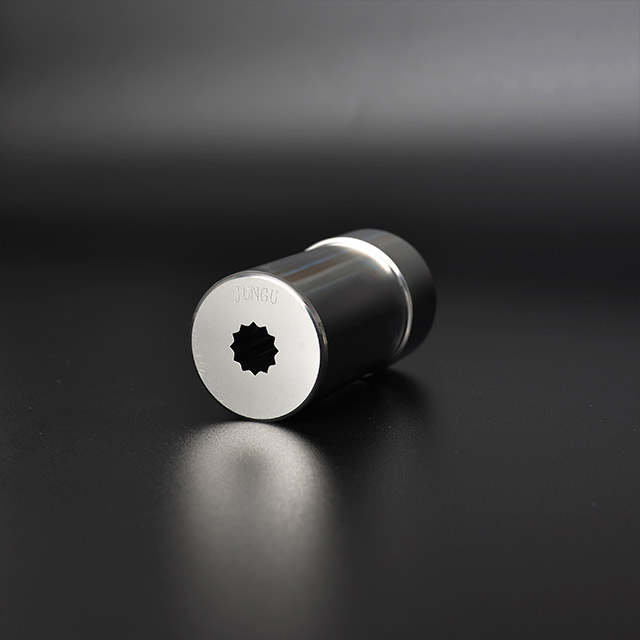
What is Clean-Grade Carbide Dies for Rivet Cold Heading used for?
Clean-grade carbide dies for rivet cold heading are used when the finished rivet or precision fastener needs stable dimensions and a cleaner formed surface. The review is different from a rough bolt die because surface marks, cavity polish, washing, EDM finish, and material pickup can affect acceptance. Jungu does not treat the word aerospace as proof of a certification claim; we review the actual drawing and inspection requirement. The useful RFQ data includes rivet drawing, material grade, blank diameter and length, surface requirement, cavity radius, carbide support, die case fit, cleaning expectation, and photos of scratches, pickup, sticking, or dimensional drift. The goal is to match the die route to the buyer's inspection method. If the buyer has an inspection standard, those limits should be provided before material grade or polish route is finalized.
Common sourcing use
Cold heading and cold forging operations for bolts, screws, rivets, and precision fastener blanks.
Related product families
Technical Review Scope
What Jungu checks
- Rivet drawing, head form, shank transition, radius, tolerance, and inspection method
- Blank diameter, material grade, hardness, surface condition, and cleanliness requirement
- Cavity polish, EDM finish, carbide support, die case fit, release angle, and cleaning route
- Failure: scratch, pickup, sticking, dimensional drift, head mark, or cavity contamination
Why no standard price is shown
Quotation depends on the drawing and the buyer's actual surface-acceptance method. Cavity finish, carbide support, cleaning route, blank condition, and inspection evidence must be reviewed before a material or polishing route is confirmed.
Information Needed for Quotation
| Drawing | 2D drawing, 3D file, or sample photos with critical dimensions. |
|---|---|
| Production Context | Fastener type, material, machine model, station count, and annual demand. |
| Quality Target | Tolerance, surface finish, coating, target mould life, and current failure mode. |
| Commercial Context | Prototype quantity, mass-production demand, target delivery time, and destination country. |
Application and Buyer Fit
| Typical application | cold heading and cold forging operations for bolts, screws, rivets, and precision fastener blanks |
|---|---|
| Buyer review focus | fastener drawing, carbide grade, die case, forming station, tolerance, surface finish, and target mould life |
| Quotation basis | drawing, material, tolerance, machine model, quantity, and target tool life |
| Review output | an engineering review for drawing-based carbide die manufacturing and quotation |
Inquiry Process
- Send drawings and application details.
- Jungu reviews manufacturability and tooling route.
- Engineering confirms material, tolerance, and mould-life target.
- Quotation and lead time are prepared after technical confirmation.
FAQ
Can Jungu claim aerospace certification for this die?
No. We only describe the tooling route unless the buyer provides verified certification or program requirements.
Why do clean-surface rivets still show marks?
Marks can come from cavity finish, pickup, lubrication, blank surface, cleaning process, or release angle.
What inspection data helps most?
Surface photos, dimensional report, material grade, blank condition, and the acceptance method used by the buyer.
Does a mirror finish guarantee a clean rivet surface?
No. Pickup, blank condition, lubrication, release geometry, cleaning, and die support can still leave marks. Finish must be reviewed with real reject photos and the acceptance method.
Need this tooling reviewed?
Send drawings, machine model, material, and current failure photos for review.