
Bolt & Screw Forming Dies
Die Case for Cold Heading Bolt Dies
Die cases for supporting carbide or steel inserts in cold heading bolt dies. Jungu checks fit, wall thickness, support length, assembly route, and deformation risk.
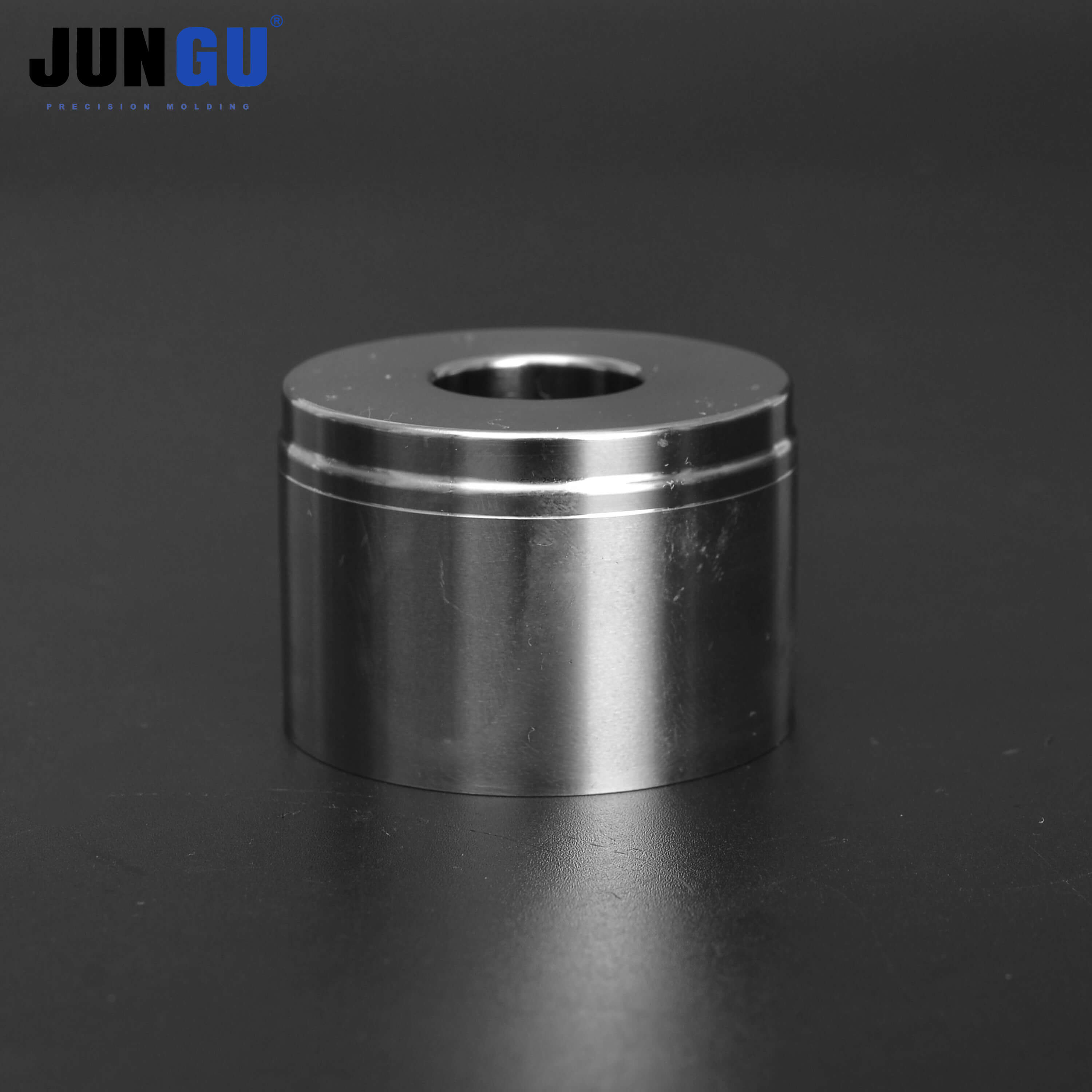
What is Die Case for Cold Heading Bolt Dies used for?
A die case for cold heading bolt dies holds and supports the insert that forms the fastener. It is easy to treat the case as a simple holder, but case fit can decide whether the insert survives. Too little support lets the insert move; too much interference can add assembly stress; weak wall thickness can deform under forming pressure. Jungu reviews the outer diameter, height, insert bore, interference or shrink-fit route, case material, machine station, insert drawing, and photos of cracks, fretting, or deformation before quoting. This page is for buyers who need a replacement die case or want to correct repeated insert cracking in bolt die assemblies. We check both the case and insert because polishing the bore or changing fit allowance can solve problems that look like carbide failure.
Common sourcing use
Cold heading and cold forging operations for bolts, screws, rivets, and precision fastener blanks.
Related product families
Technical Review Scope
What Jungu checks
- Outer diameter, height, insert bore, wall thickness, shoulder, chamfer, and support length
- Insert material, interference fit, shrink-fit temperature, case material, and station load
- Current issue: insert movement, case deformation, radial crack, fretting mark, or poor assembly fit
Why no standard price is shown
This is B2B custom tooling. A reliable quotation depends on drawing, material, size, tolerance, machine setup, annual quantity, and the mould-life issue the buyer wants to solve. Jungu quotes after technical review instead of showing a misleading fixed price.
Information Needed for Quotation
| Drawing | 2D drawing, 3D file, or sample photos with critical dimensions. |
|---|---|
| Production Context | Fastener type, material, machine model, station count, and annual demand. |
| Quality Target | Tolerance, surface finish, coating, target mould life, and current failure mode. |
| Commercial Context | Prototype quantity, mass-production demand, target delivery time, and destination country. |
Application and Buyer Fit
| Typical application | cold heading and cold forging operations for bolts, screws, rivets, and precision fastener blanks |
|---|---|
| Buyer review focus | fastener drawing, carbide grade, die case, forming station, tolerance, surface finish, and target mould life |
| Quotation basis | drawing, material, tolerance, machine model, quantity, and target tool life |
| Review output | an engineering review for drawing-based carbide die manufacturing and quotation |
Inquiry Process
- Send drawings and application details.
- Jungu reviews manufacturability and tooling route.
- Engineering confirms material, tolerance, and mould-life target.
- Quotation and lead time are prepared after technical confirmation.
FAQ
Why does a die case affect insert life?
The case controls support and assembly stress. Poor fit can crack or loosen a good insert.
What should be measured before quoting?
Outer dimensions, insert bore, shoulder depth, wall thickness, fit allowance, and the installed station should be checked.
Can this product be customized?
Yes. Jungu manufactures fastener mould tooling according to buyer drawings, samples, and machine requirements.
What should be sent first?
Send the drawing, material, machine model, tolerance requirements, annual quantity, and current tool-life problem.
Need this tooling reviewed?
Send drawings, machine model, material, and current failure photos for review.