
Nut Forming Dies
Nut forming dies and die sets for multi-station cold forging and stable hole forming.
Browse by Tooling Type
Review representative products by tooling function, then send drawings for a supplier evaluation.
Carbide Nut Dies
Wear-resistant carbide nut dies for repeatable production.
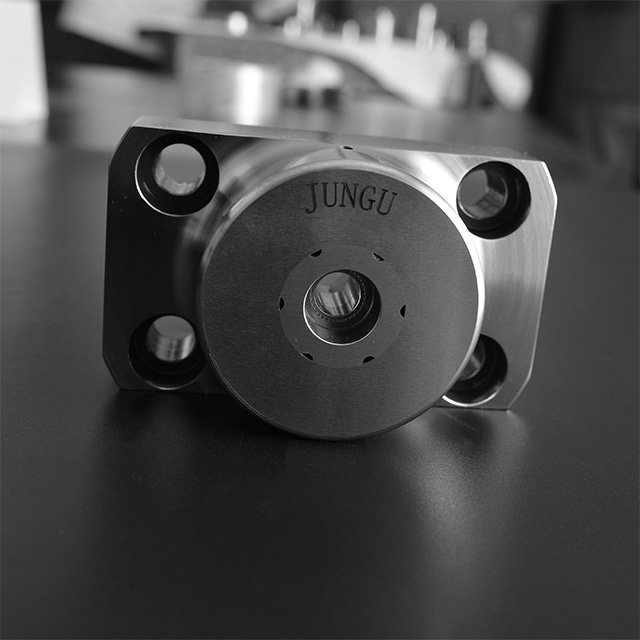
Nut Die Sets
Drawing-based die sets and support tooling for nut forming.
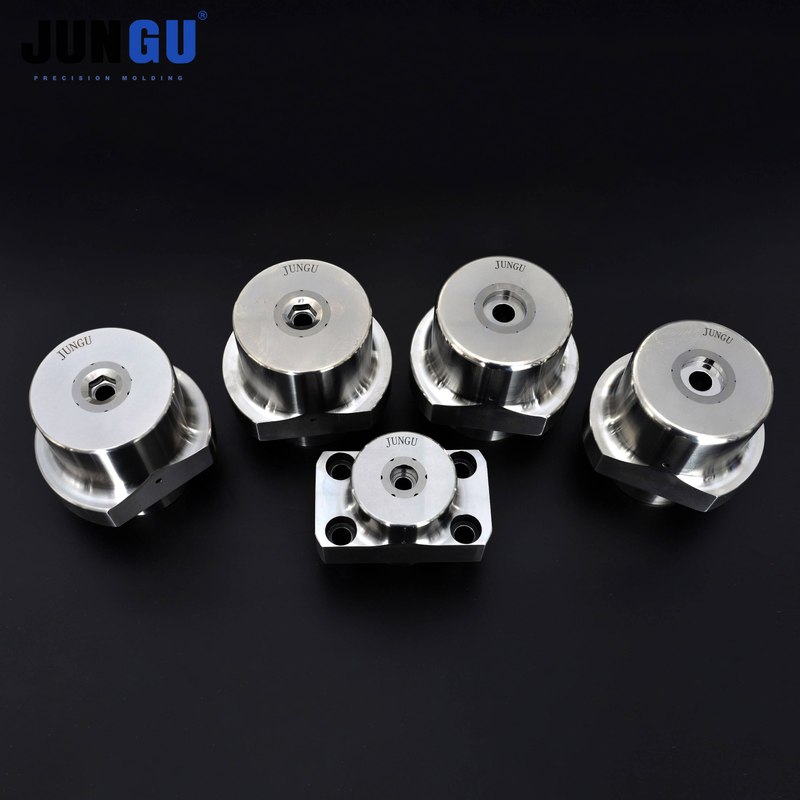
Hex Nut Dies
Forming dies for hex nuts and related cold-forged nut profiles.
Drawing-based Hex Nut Dies
Share your drawing, forming sequence, machine type, and mould-life target so Jungu can review the tooling requirement.
How to Choose a Nut Forming Die for Your Machine
A nut forming die should be matched to the blank diameter, station sequence, hole geometry, material grade, die-case support, and cooling or lubrication route. A product name alone is not enough to confirm the tooling route. Send the nut drawing, machine model and station, blank size, material grade, target tolerance, and current failure photos before asking for a price.
- Check the forming sequence before deciding between a carbide die, a supported insert, or a complete die set.
- Confirm the die-case fit and punch alignment when the hole is drifting, the nut wall is uneven, or the die edge is chipping.
- Compare the target mould life with the actual material and production volume instead of selecting a grade from a catalogue.
Materials: Carbide, HSS, SKD, and custom steel and coating combinations. Jungu reviews critical dimensions, surface finish, coating, annual demand, and existing tooling failure before quotation. See the carbide nut die and nut die set detail pages for drawing-based review.
Typical Applications
Multi-station nut forming
Review the nut drawing, station sequence, blank volume, hole profile, corner fill, and die-case support before choosing a carbide die, supported insert, or complete tool set.
Hole position and wall control
Punch-die alignment, transfer position, wall thickness, and inspection datum should be checked together when the nut hole is eccentric or the wall is uneven.
Replacement tooling and failure review
Send the current punch and die interfaces with photos of corner cracks, folds, poor fill, sticking, or gauge rejection so the replacement route does not copy an existing process mismatch.
Related engineering review pages
Use these detail pages when the RFQ needs a closer review of drawing data, tooling fit, and failure evidence.
- Carbide Nut Forming Die for Cold ForgingCarbide nut forming dies for cold forging and sizing nut blanks. Jungu checks hole profile, insert support, station sequence, material flow
Need a custom Nut Forming Dies review?
Send 2D or 3D drawings, material, machine model, annual volume, and current mould-life issue.