
Segmented Dies
Segmented die assemblies for complex bolt, screw, and nut cold forming applications.
Browse by Tooling Type
Review representative products by tooling function, then send drawings for a supplier evaluation.
Bolt & Screw Segmented Dies
Six-piece and segmented die assemblies for bolt and screw cold forming.
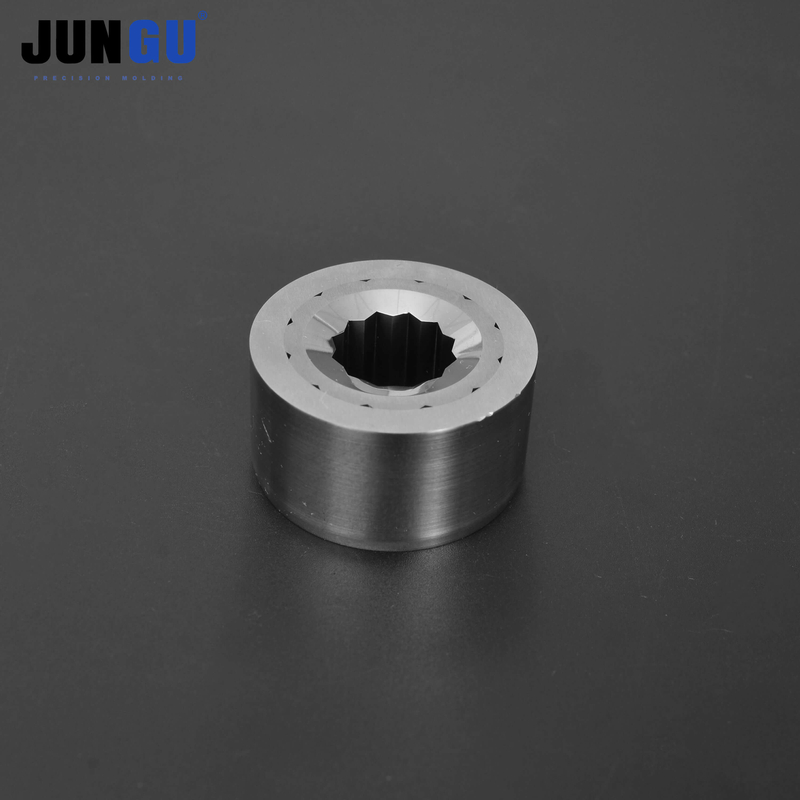 Segmented DiesMulti-Station Carbide Cold Heading Dies for BoltsMulti-station carbide cold heading dies for bolt forming lines. Jungu checks station sequence, carbide support, shrink fit, blank volume, and crack pattern before quoting.
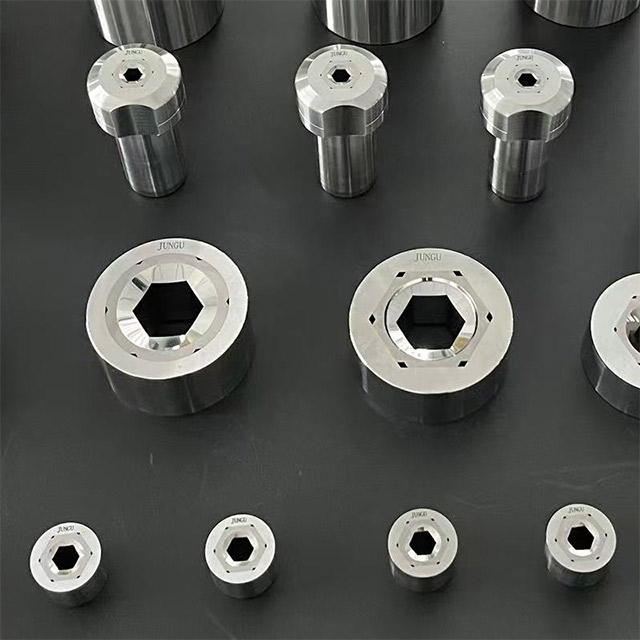 Segmented DiesTungsten Carbide Hex Bolt Die for Cold HeadingTungsten carbide hex bolt die for cold heading lines. Jungu checks hex corner support, blank volume, shrink fit, die case stiffness, and corner crack pattern before quoting.
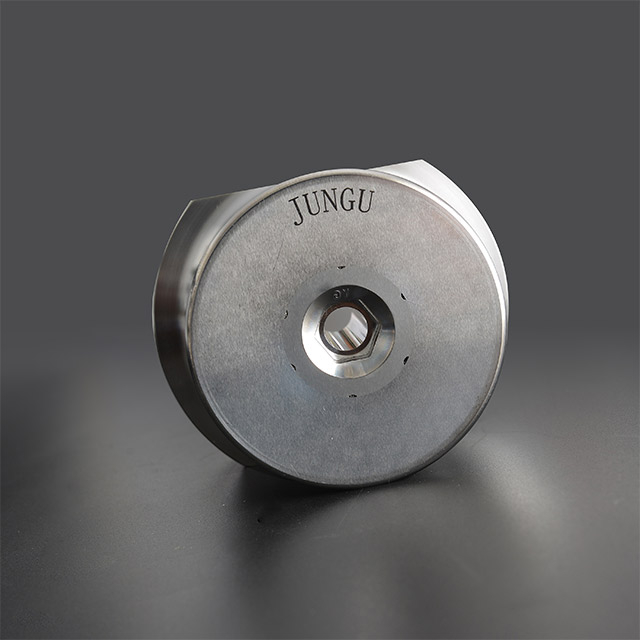
 Segmented DiesSpecial-Shape Carbide Screw Mold and Punch ToolingSpecial-shape carbide screw mold and punch tooling for non-standard fastener geometry. Jungu checks release direction, segmented structure, carbide support, and filling risk.
Nut Segmented Dies
Segmented die solutions for precision nut forming applications.
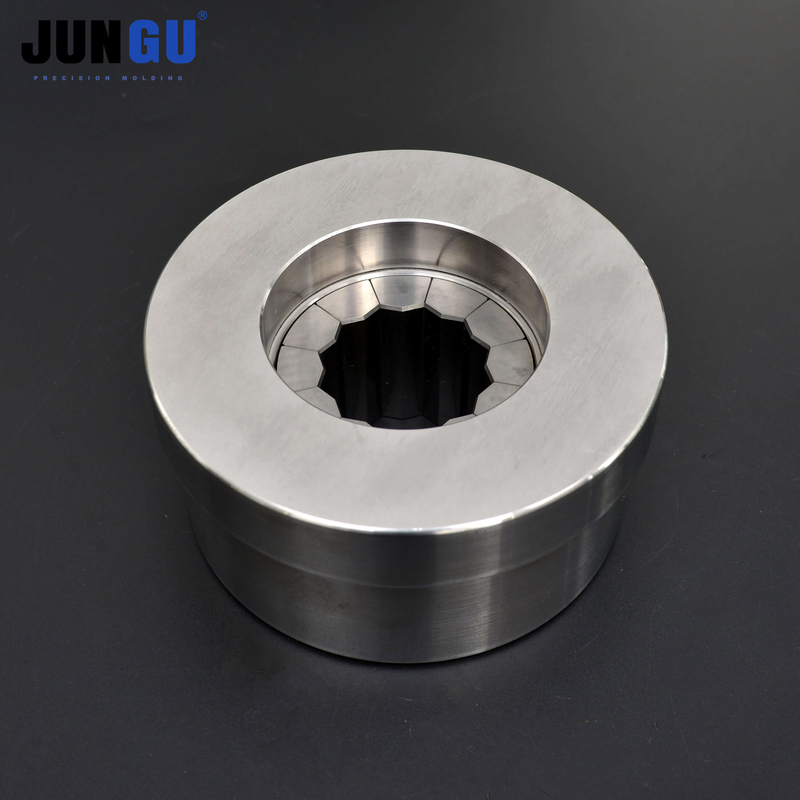
Custom Segmented Dies
General-purpose six-piece and segmented tooling made to drawing.
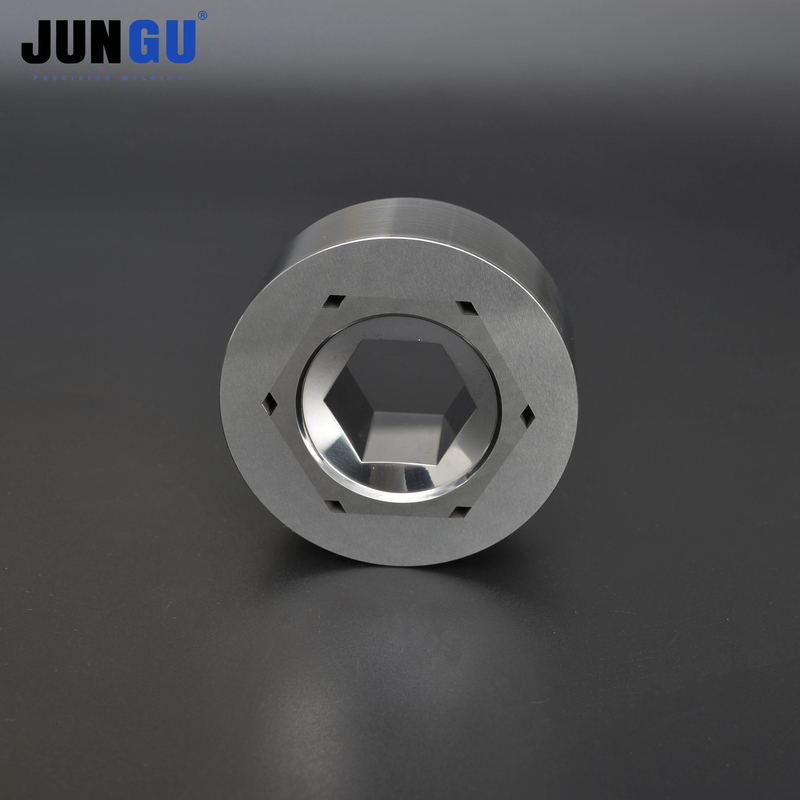
Open-Close Dies
Open-close die assemblies for fastener cold forming where part release, cavity access, and repeatable closing must be reviewed together.
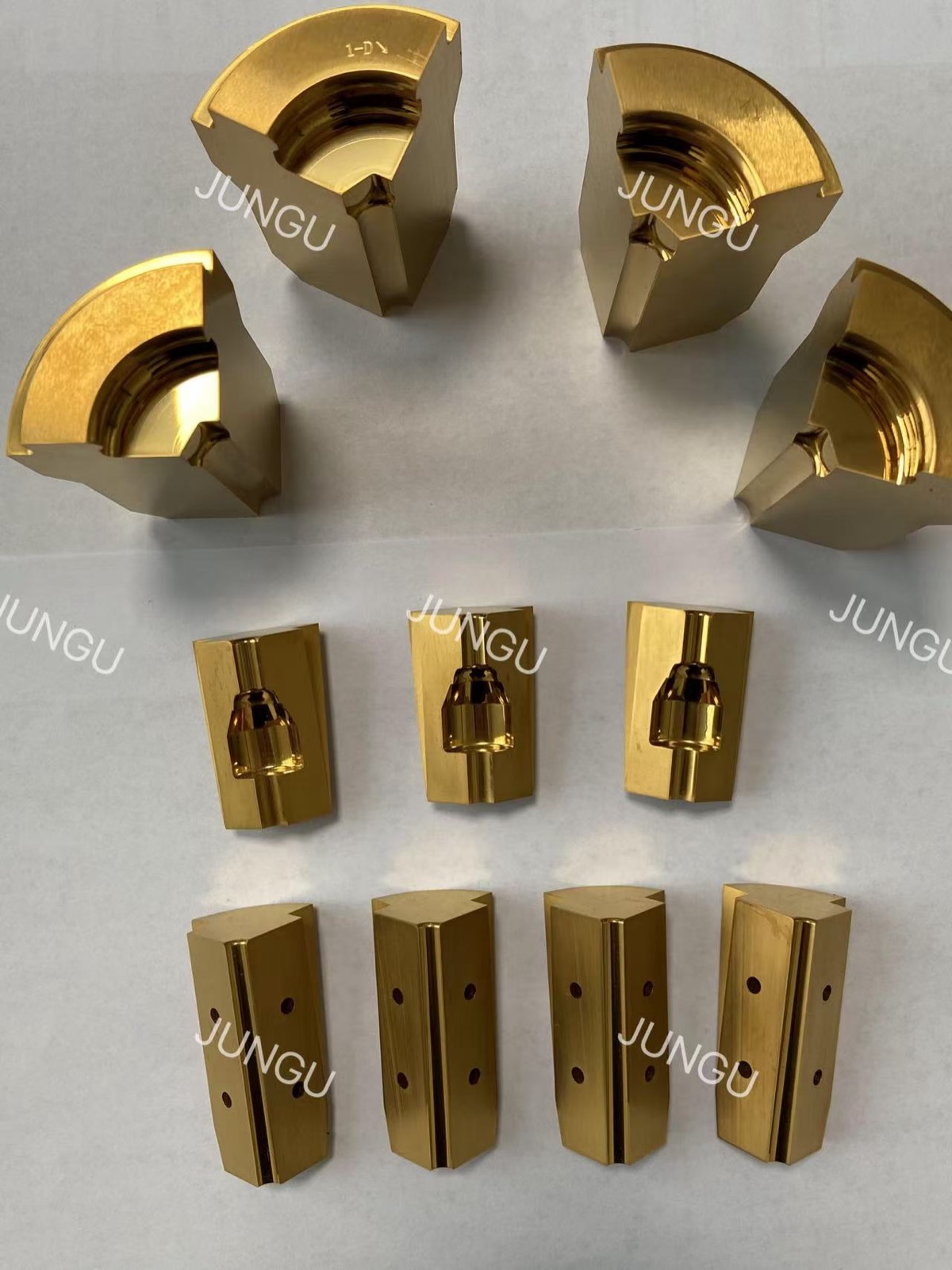
Custom capability
Materials: Tungsten carbide segments, supported steel sleeves, and drawing-specified assemblies. Jungu reviews critical dimensions, surface finish, coating, annual demand, and existing tooling failure before quotation.
When Does a Fastener Need a Segmented Die?
A segmented die is considered when a shoulder, flange, side feature, multiple upset, or non-symmetrical profile cannot release cleanly from a one-piece cavity. Before recommending segment count or material, Jungu checks how the segments open and close, where the seams meet the formed profile, and how the holder supports the assembly under load.
Send before quotation
- Finished-part drawing with critical dimensions and gauges
- Forming sequence, machine model, and tooling station
- Blank material, diameter, cut length, and lubrication route
- Holder or case dimensions plus current failure photos
What Jungu checks
- Release direction, segment count, and seam location
- Closing fit, cavity alignment, and segment-to-holder support
- Corner radii, polished flow surfaces, and coating route
- Chipping, uneven wear, flash, sticking, or incomplete fill
Practical boundary: A coating change cannot correct the wrong seam position, weak support, or unstable closing fit. Those mechanical conditions are reviewed before carbide grade or surface treatment.
Review representative routes for a special-shape carbide screw mould and a tungsten carbide hex bolt die.
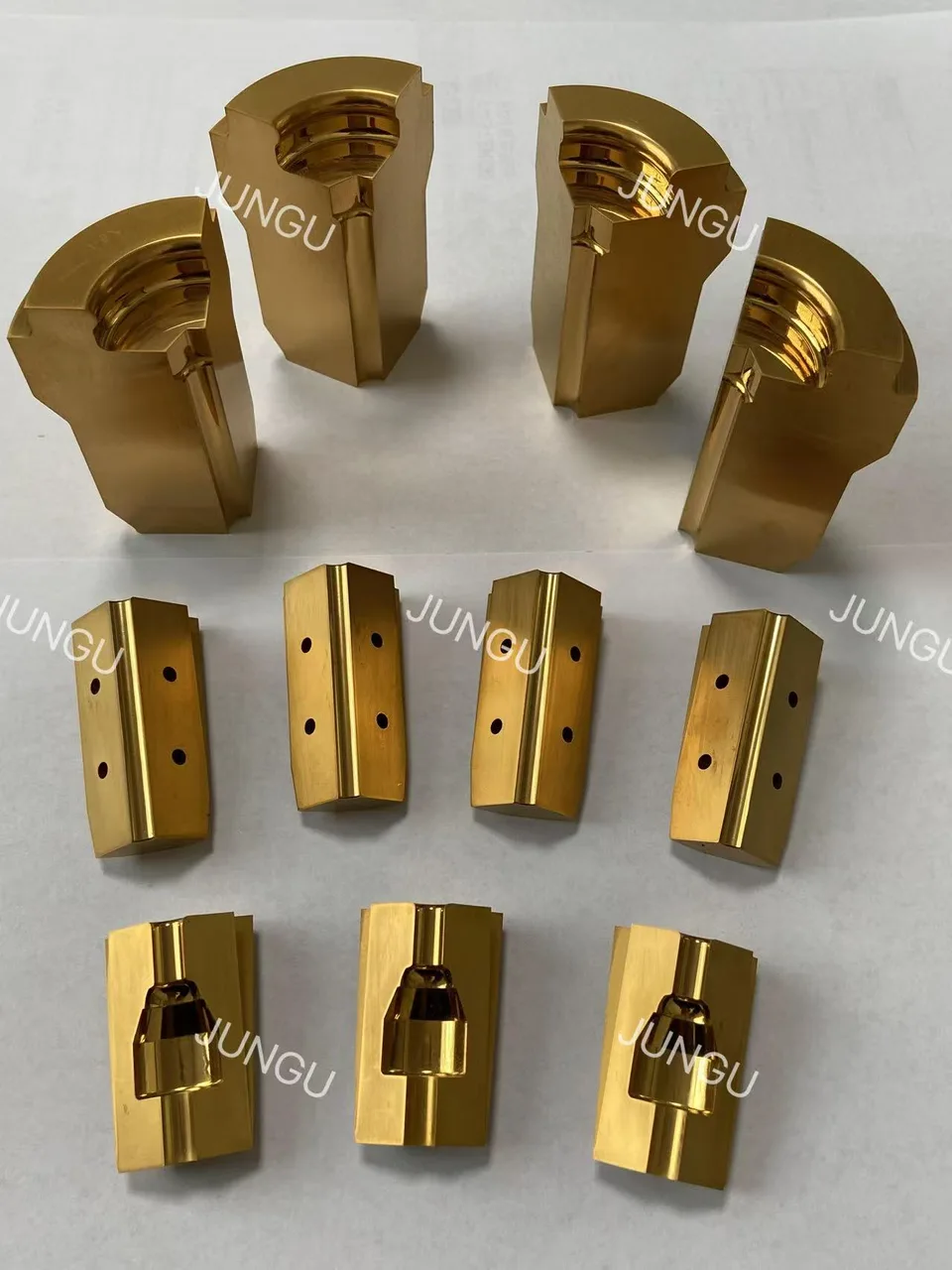
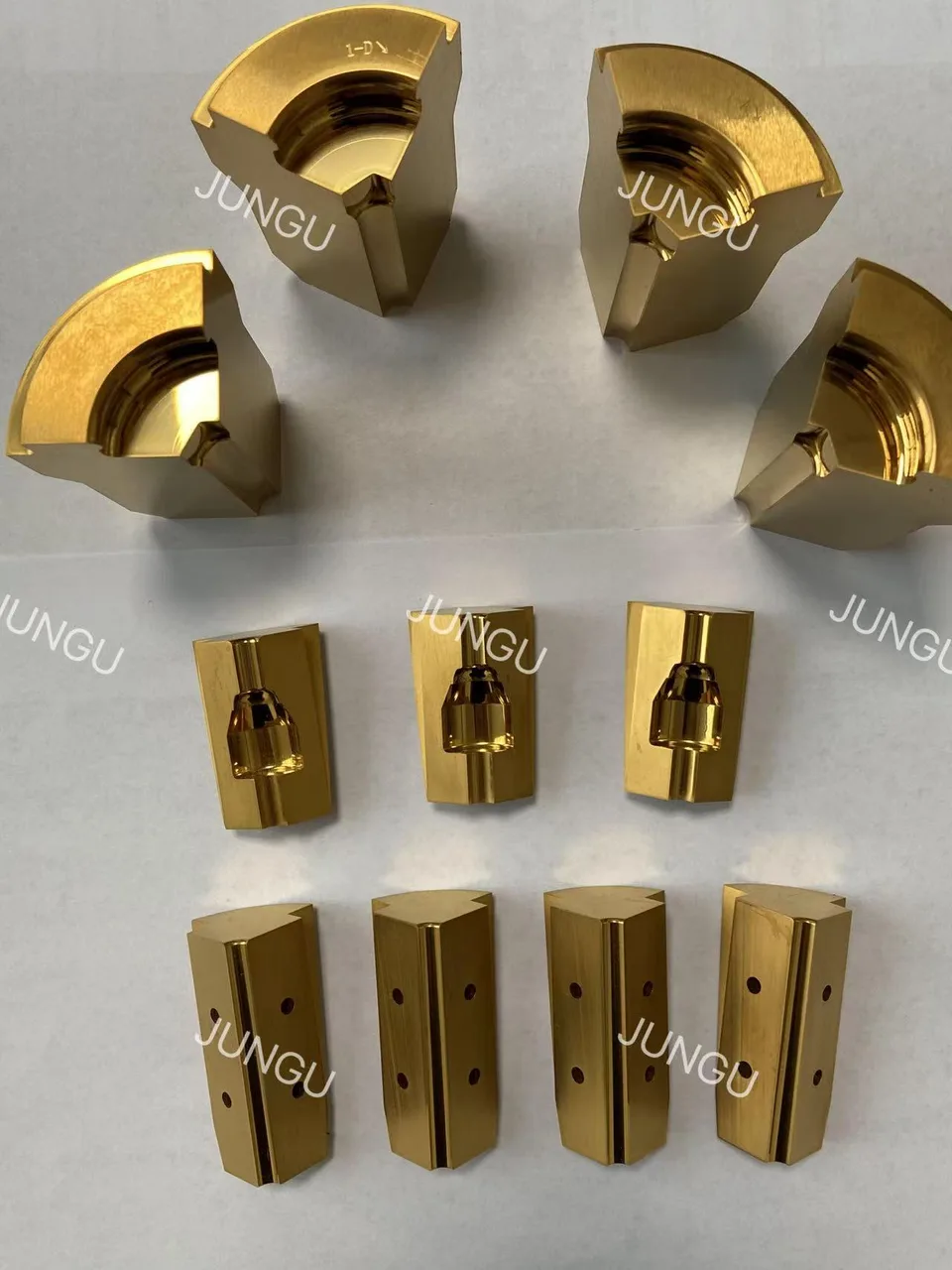
Typical Applications
Split release for headed fasteners
Use the part geometry and release direction to decide segment count, split-line position, cavity transition, and the opening clearance needed after forming.
Segment support and closing fit
Review taper contact, backing support, segment matching, case interface, and loading direction when wear or cracking appears near a joint.
Replacement and failure analysis
Send the full assembly drawing, current segment set, failed faces, formed-part defects, and machine sequence so the replacement does not repeat the same mismatch.
Related engineering review pages
Use these detail pages when the RFQ needs a closer review of drawing data, tooling fit, and failure evidence.
- Special-Shape Carbide Screw Mold and Punch ToolingSpecial-shape carbide screw mold and punch tooling for non-standard fastener geometry. Jungu checks release direction, segmented structure
- Tungsten Carbide Hex Bolt Die for Cold HeadingTungsten carbide hex bolt die for cold heading lines. Jungu checks hex corner support, blank volume, shrink fit, die case stiffness
- Tungsten Carbide Hexagonal Die for Metal FastenersTungsten carbide hexagonal die tooling for metal fastener forming. Jungu checks hex corner radius, blank volume, carbide support, die case
- Open-Close Dies for Fastener Cold FormingOpen-close die assemblies for fastener cold forming where the cavity must open for part release and close repeatably for the next stroke.
Need a custom Segmented Dies review?
Send 2D or 3D drawings, material, machine model, annual volume, and current mould-life issue.