
Bolt & Screw Forming Dies
Custom Carbide Die Core for Bolt Dies
Custom carbide die cores for bolt and screw forming dies. Jungu checks carbide grade, shrink-fit risk, die case support, forming load, and crack history.
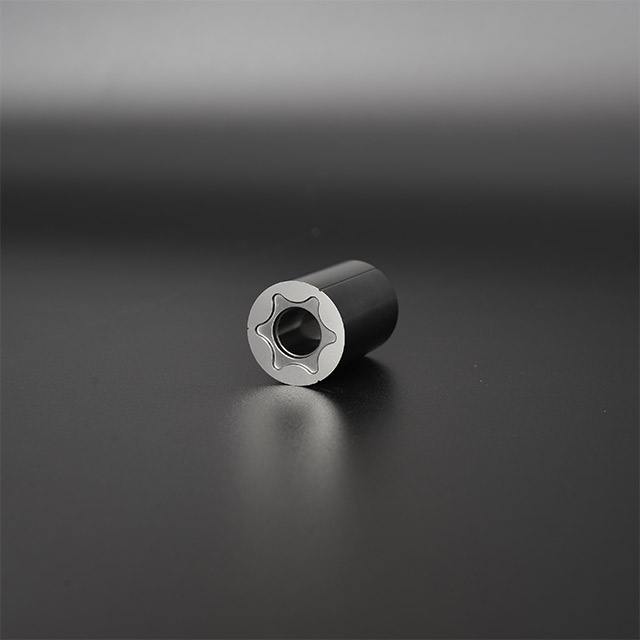
What is Custom Carbide Die Core for Bolt Dies used for?
A carbide die core is the wear-resistant insert inside a bolt die or cold heading die. The core must resist pressure, but it also has to survive assembly stress from the die case. Many failures come from the fit, not the carbide grade: too much interference can crack the core during assembly, while weak support can let the cavity move under load. Jungu reviews the fastener drawing, core cavity, die case size, interference fit, carbide grade, forming station, material flow, and photos of radial cracks or cavity wear before quoting. This product is for buyers replacing a die core, redesigning a bolt die insert, or comparing carbide routes for longer tool life. We check the crack direction and contact marks because a thermal-fit crack and a forming-pressure crack need different corrections.
Common sourcing use
Cold heading, recess forming, and segmented die assemblies where a carbide-supported die bolt or punch tool must match the buyer's drawing.
Related product families
Technical Review Scope
What Jungu checks
- Cavity geometry, bolt drawing, forming station, carbide grade, and expected pressure zone
- Die case material, shrink-fit or press-fit data, support length, and heat assembly method
- Current issue: radial crack, cavity wear, carbide movement, poor fill, or die case deformation
Why no standard price is shown
This is B2B custom tooling. A reliable quotation depends on drawing, material, size, tolerance, machine setup, annual quantity, and the mould-life issue the buyer wants to solve. Jungu quotes after technical review instead of showing a misleading fixed price.
Information Needed for Quotation
| Drawing | 2D drawing, 3D file, or sample photos with critical dimensions. |
|---|---|
| Production Context | Fastener type, material, machine model, station count, and annual demand. |
| Quality Target | Tolerance, surface finish, coating, target mould life, and current failure mode. |
| Commercial Context | Prototype quantity, mass-production demand, target delivery time, and destination country. |
Application and Buyer Fit
| Typical application | cold heading, recess forming, and segmented die assemblies where a carbide-supported die bolt or punch tool must match the buyer's drawing |
|---|---|
| Buyer review focus | internal profile geometry, carbide support, die body fit, punch alignment, surface finish, coating route, machine station, and current wear pattern |
| Quotation basis | drawing, material, tolerance, machine model, quantity, and target tool life |
| Review output | a drawing-based carbide die bolt or punch-tool route matched to the forming load, machine setup, and tool-life target |
Inquiry Process
- Send drawings and application details.
- Jungu reviews manufacturability and tooling route.
- Engineering confirms material, tolerance, and mould-life target.
- Quotation and lead time are prepared after technical confirmation.
FAQ
Why can a carbide die core crack before production?
Assembly stress can crack the core if interference fit, temperature, case support, or corner radius is wrong.
Can Jungu suggest carbide grade?
Yes, but grade selection comes after checking cavity shape, forming load, support structure, and failure history.
Can this product be customized?
Yes. Jungu manufactures fastener mould tooling according to buyer drawings, samples, and machine requirements.
What should be sent first?
Send the drawing, material, machine model, tolerance requirements, annual quantity, and current tool-life problem.
Need this tooling reviewed?
Send drawings, machine model, material, and current failure photos for review.