
Bolt & Screw Forming Dies
HSS and Carbide Bolt Die Material Route
Bolt die tooling route using HSS, carbide, or supported hybrid structures. Jungu checks impact load, wear pattern, support structure, material flow, and target tool life before quoting.
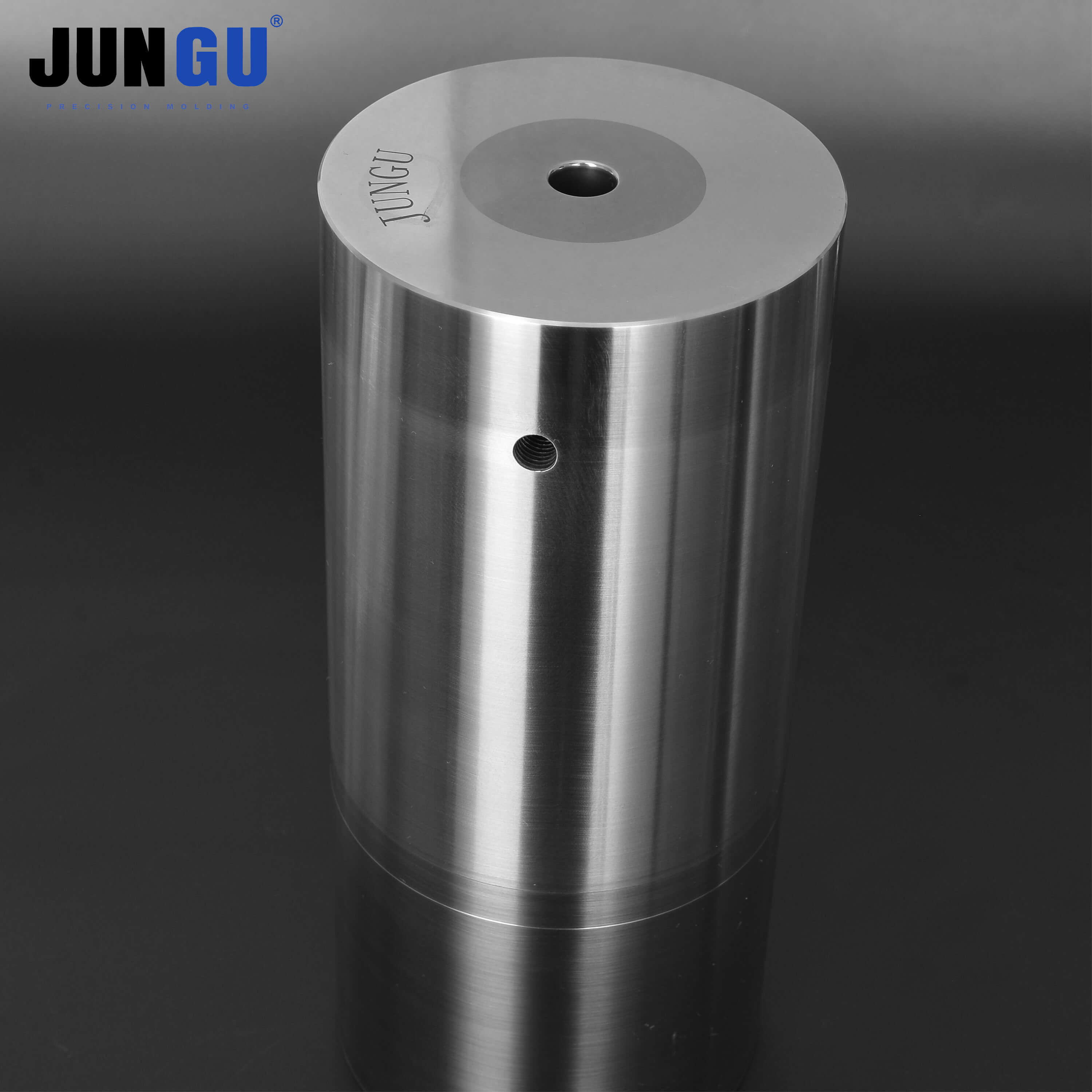
What is HSS and Carbide Bolt Die Material Route used for?
An HSS and carbide bolt die route is selected when the buyer needs to balance impact toughness, wear resistance, cost, and tool life. The correct material is not decided by a generic service-life claim. HSS can tolerate impact and repair better in some profiles, while carbide can resist abrasive wear when support and shrink fit are correct. If the forming load is off-center or the radius is sharp, carbide may chip; if the material flow is abrasive, HSS may wear too quickly. Jungu reviews the bolt drawing, station load, blank size, wire material, cavity radius, die case support, current wear band, crack photos, and target production quantity before quoting a material route.
Common sourcing use
Bolt cold heading where hss, carbide, or hybrid die materials must be selected against impact, wear, support, and budget.
Related product families
Technical Review Scope
What Jungu checks
- Bolt drawing, station load, cavity radius, reduction ratio, and tolerance
- Blank size, wire material, hardness, lubrication, and surface condition
- HSS route, carbide support, shrink fit, die case stiffness, and repair expectation
- Failure: abrasive wear, edge chipping, radial crack, sticking, fold mark, or short life
Why no standard price is shown
The quote follows the selected material and support route. HSS, carbide, and supported hybrid structures require different heat treatment, fits, finishing, and inspection, so the current wear or crack pattern should be reviewed first.
Information Needed for Quotation
| Part and station | Bolt drawing, station number, reduction step, cavity geometry, and machine data. |
|---|---|
| Material evidence | Wire grade, hardness, lubrication, blank size, and current wear pattern. |
| Support route | Die case dimensions, insert support, shrink fit, and repair or replacement preference. |
| Tool-life target | Current life, target life, crack or wear photos, and annual quantity. |
Application and Buyer Fit
| Typical application | bolt cold heading where HSS, carbide, or hybrid die materials must be selected against impact, wear, support, and budget |
|---|---|
| Buyer review focus | forming load, radius stress, wear band, crack position, blank material, die case support, and target tool-life expectation |
| Quotation basis | drawing, material, tolerance, machine model, quantity, and target tool life |
| Review output | a material route that chooses HSS, carbide, or supported hybrid tooling based on actual failure evidence |
Inquiry Process
- Send drawings and application details.
- Jungu reviews manufacturability and tooling route.
- Engineering confirms material, tolerance, and mould-life target.
- Quotation and lead time are prepared after technical confirmation.
FAQ
When is carbide not the best choice?
Carbide can be risky under impact, poor support, sharp radius, or off-center load.
When is HSS still useful?
HSS can be better when toughness, repairability, and impact tolerance matter more than abrasive wear resistance.
Can Jungu compare routes?
Yes. We can review HSS, carbide, and hybrid options using the same drawing and failure evidence.
Can an HSS and carbide hybrid route be considered?
Yes, when the drawing and load path allow a wear-resistant working zone to be supported by a tougher structure. Jungu reviews impact, fit, repair expectation, and failure evidence first.
Need this tooling reviewed?
Send drawings, machine model, material, and current failure photos for review.