
Bolt & Screw Forming Dies
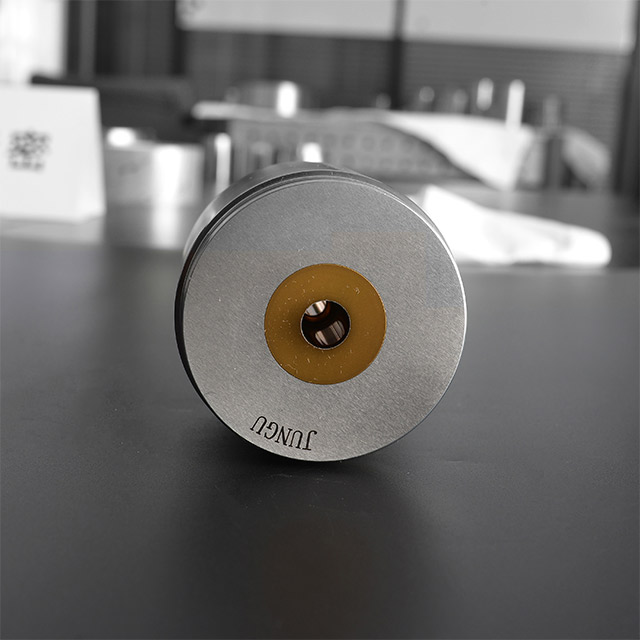
Cold Heading Metal Die Bolt Tooling
Drawing-based metal die bolt tooling for cold heading. Jungu checks blank volume, station load, die case support, material route, and crack or wear pattern before quoting.
What is Cold Heading Metal Die Bolt Tooling used for?
Cold heading metal die bolt tooling is used to form bolt geometry through compression in a die cavity. The page name may sound generic, but the buying decision is specific: blank volume, material hardness, station load, die case support, and release angle must match the drawing. If the cavity is polished well but the blank is oversized, the die sees unnecessary pressure. If the die case support is weak, cracks can start behind the carbide or steel insert. Jungu reviews the bolt drawing, blank diameter and cut length, material grade, machine station, die body size, support structure, lubrication, and photos of cracking, sticking, fold marks, or poor fill before quoting. Cavity wear is compared with the failed part because head eccentricity and sticking leave different marks than simple abrasive wear.
Common sourcing use
Cold heading and cold forging operations for bolts, screws, rivets, and precision fastener blanks.
Related product families
Is this a standard bolt die or an engineering-part die?
Use this page when the main job is a bolt or screw blank formed through a defined cold-heading sequence. The review starts with blank volume, head geometry, station load, die-case support, and release. If the component has non-standard shoulders, functional surfaces, or an inspection route closer to a custom engineering part, use the engineering-parts tooling page instead.
Technical Review Scope
What Jungu checks
- Bolt drawing, head form, shank transition, cavity radius, and tolerance
- Blank diameter, cut length, material grade, hardness, and lubrication
- Machine station, die case fit, support ring, insert route, and release angle
- Failure mode: crack, sticking, fold, poor fill, head eccentricity, or cavity wear
Why no standard price is shown
This bolt die is quoted against blank volume, station load, cavity geometry, support structure, and the current failure pattern. A cavity drawing without blank and die-case data is not enough for a reliable tooling route.
Information Needed for Quotation
| Drawing | 2D drawing, 3D file, or sample photos with critical dimensions. |
|---|---|
| Production Context | Fastener type, material, machine model, station count, and annual demand. |
| Quality Target | Tolerance, surface finish, coating, target mould life, and current failure mode. |
| Commercial Context | Prototype quantity, mass-production demand, target delivery time, and destination country. |
Application and Buyer Fit
| Typical application | cold heading and cold forging operations for bolts, screws, rivets, and precision fastener blanks |
|---|---|
| Buyer review focus | fastener drawing, carbide grade, die case, forming station, tolerance, surface finish, and target mould life |
| Quotation basis | drawing, material, tolerance, machine model, quantity, and target tool life |
| Review output | an engineering review for drawing-based carbide die manufacturing and quotation |
Inquiry Process
- Send drawings and application details.
- Jungu reviews manufacturability and tooling route.
- Engineering confirms material, tolerance, and mould-life target.
- Quotation and lead time are prepared after technical confirmation.
FAQ
Why is blank volume important?
Cold heading moves material into the cavity. Too much volume raises pressure; too little volume creates poor fill.
Can Jungu review die cracking?
Yes. Send crack path photos, die case size, insert route, and station data so support can be checked.
Is polishing enough to stop sticking?
No. Sticking may also come from release angle, material, lubrication, coating, or cavity pressure.
What evidence points to weak die-case support?
Cracks behind the insert, fretting, uneven contact, eccentric wear, or repeated failure at the same support face can indicate that the case and insert should be reviewed together.
Need this tooling reviewed?
Send drawings, machine model, material, and current failure photos for review.