
Thread Rolling Dies for Screws and Bolts
Flat, cylindrical, and self-tapping thread rolling dies reviewed by thread profile, blank condition, and machine interface.
Browse by Tooling Type
Review representative products by tooling function, then send drawings for a supplier evaluation.
Flat Thread Rolling Dies
Flat dies for high-volume screw and bolt thread forming.
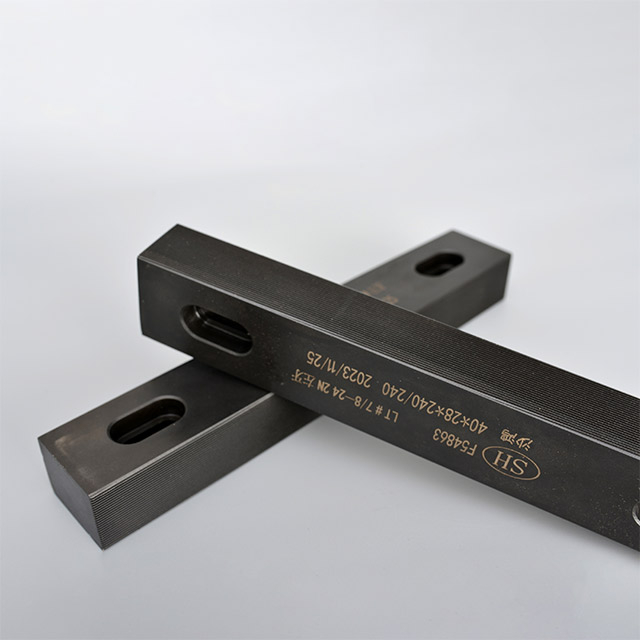 Thread Rolling DiesFlat Thread Rolling Dies for Screws and BoltsDrawing-based flat thread rolling dies for screws, bolts, and studs. Jungu reviews the thread profile, blank condition, die mounting interface, machine setup, and current thread defects before quoting.
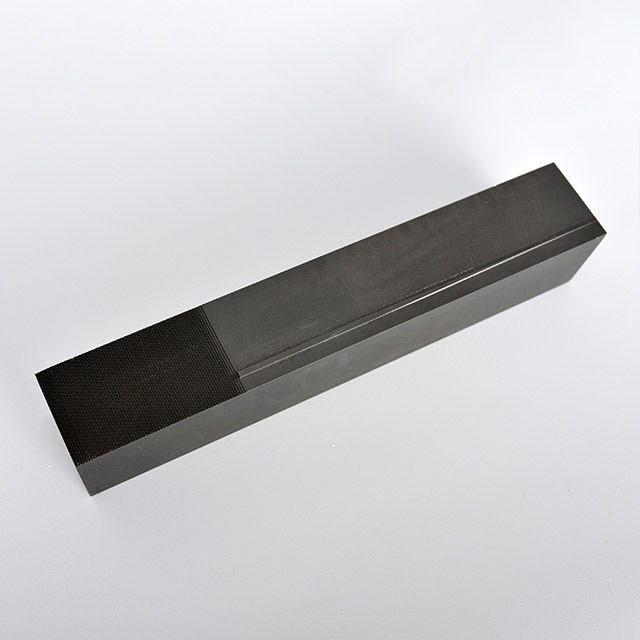 Thread Rolling DiesThreading Dies for Screw and Bolt Thread RollingCustom threading dies for screw and bolt thread rolling. Jungu checks pitch, tolerance class, blank control, material grade, machine fit, and gauge stability before quoting.
Self-Tapping Thread Rolling Dies
Thread rolling tooling for self-tapping and rethreading applications.
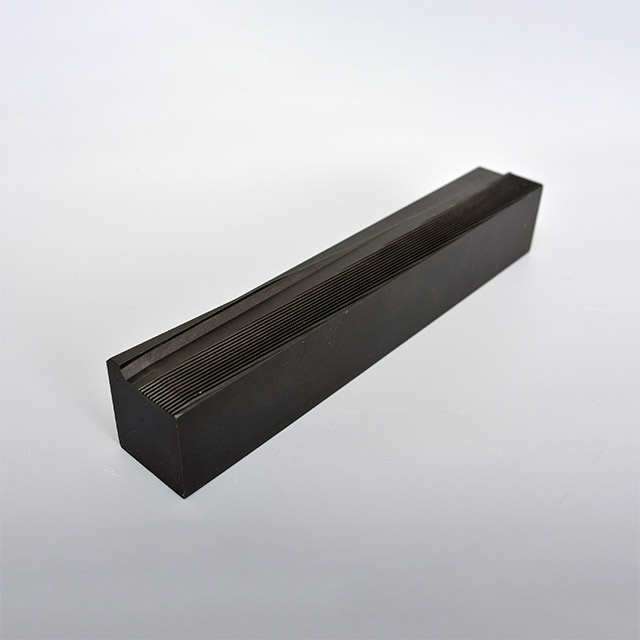 Thread Rolling DiesRethreading Die for Self-Tapping Screw ThreadsCustom rethreading die for self-tapping screw thread correction or secondary rolling. Jungu checks existing thread damage, blank control, lead-in shape, and gauge result before quoting.
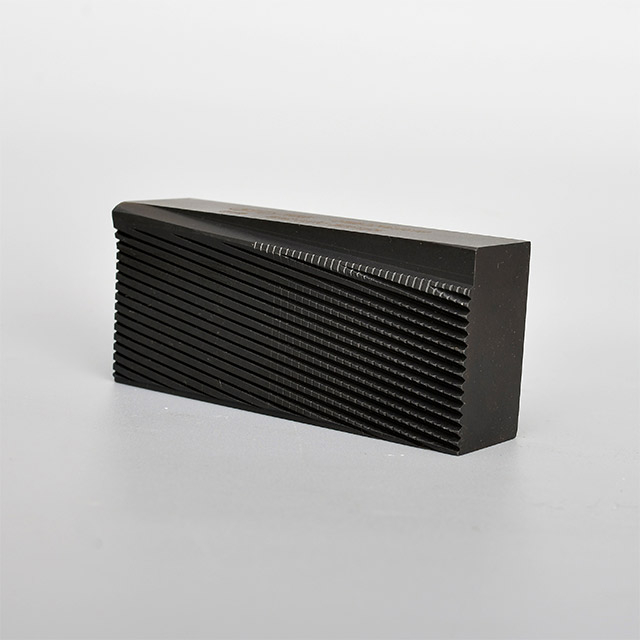 Thread Rolling DiesSelf-Tapping Thread Rolling Die for Screw ThreadsDrawing-based self-tapping thread rolling die for screw thread forming. Jungu checks lead-in profile, blank diameter, thread flank fill, machine slot, and current gauge failures before quoting.
Cylindrical Thread Rolling Dies
Cylindrical rolling dies for application-specific thread forming.
Drawing-based Cylindrical Thread Rolling Dies
Share your drawing, forming sequence, machine type, and mould-life target so Jungu can review the tooling requirement.
Custom capability
Materials: Tool steel, HSS, carbide inserts, and surface coating selected by application. Jungu reviews critical dimensions, surface finish, coating, annual demand, and existing tooling failure before quotation.
Typical Applications
Flat dies for screws and bolts
Confirm the stationary and moving die dimensions, mounting references, thread profile, blank diameter, and inspection method as one matched setup.
Cylindrical rolling applications
Provide the rolling-machine model, roll arrangement, workpiece support, thread length, material condition, and any pitch or roundness problem.
Self-tapping and special profiles
Review the lead geometry, forming length, blank condition, edge wear, and failed-part samples before copying an existing die profile.
What should a thread rolling die manufacturer review before quoting?
A workable thread rolling die quote starts with the thread form and the machine interface, not only the finished screw diameter. Flat and cylindrical dies use different rolling contact, mounting arrangements, and setup controls.
Thread profile and gauge
Provide the thread standard, pitch, major and minor diameter, thread length, tolerance class, and the gauge or inspection method used in production.
Blank and material
Blank diameter tolerance, wire grade, hardness, lubrication, and surface condition decide whether the crest fills cleanly or the die edge carries excess pressure.
Machine fit and failure pattern
Send the rolling-machine model, die size, mounting slot dimensions, target output, and photos of shallow threads, chipped edges, pitch drift, or unstable setup.
For thread rolling dies, a matched pair that does not fit the machine slot or material condition is not a production solution. Confirm the interface and failure pattern before comparing prices.
Related engineering review pages
Use these detail pages when the RFQ needs a closer review of drawing data, tooling fit, and failure evidence.
- Flat Thread Rolling Dies for Screws and BoltsDrawing-based flat thread rolling dies for screws, bolts, and studs. Jungu reviews the thread profile, blank condition, die mounting
- Threading Dies for Screw and Bolt Thread RollingCustom threading dies for screw and bolt thread rolling. Jungu checks pitch, tolerance class, blank control, material grade, machine fit
When is a replacement die drawing not enough?
A replacement drawing measured from a worn die does not show the original profile by itself. The removed die and its mate should be reviewed as a set, including wear location, mounting references, and any repair or adjustment made during production. Machine-specific setup, blank variation, and the buyer's inspection method also affect how a replacement is checked. This is especially relevant when only one member of a flat-die pair is being replaced or when the current parts show pitch drift, shallow threads, chipped edges, or unstable gauge results. Copying visible geometry without the used-die condition and failed-part evidence can reproduce the same mismatch. The quotation should therefore identify what will be copied, what will be corrected, and which production references will be used for acceptance.
Minimum RFQ data for thread rolling dies
- Thread standard, profile, tolerance class, and inspection method
- Workpiece drawing with thread length, runout, and nearby features
- Blank diameter, material specification, and material condition
- Rolling-machine model and relevant setup information
- Die type with mounting dimensions, keyways, and matched-set details
- Used-die and failed-part photos showing the defect location
Send drawings, machine model, material, and current failure photos for review.
What can you check in a flat thread rolling die photograph?
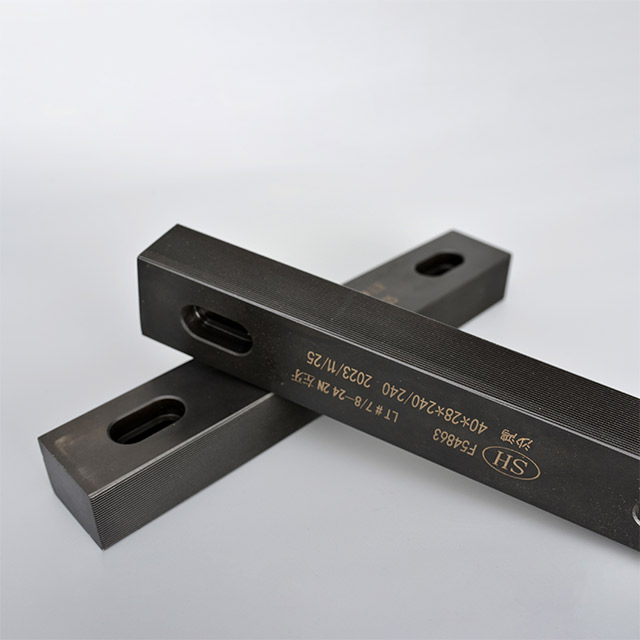
The photograph shows the tool form; it cannot establish machine fit, thread accuracy, or remaining die life. We need the mounting drawing and part inspection requirement alongside the photograph before reviewing a replacement.
- Mounting slots: compare slot position, length, and seating references with the holder drawing. Matching the outside dimensions alone is not enough.
- Working face: identify the entry end and rolling direction on the drawing. A photograph cannot verify pitch or tolerance class.
- Matched tooling: identify the stationary and moving die, and whether the order replaces both or only one. Include the retained die's condition when ordering a single replacement.
- Acceptance: state the thread gauge and part-inspection criteria in the RFQ. A visually clean die is not evidence that the rolled part passes its gauge.
For the illustrated tooling type, see the flat thread rolling dies detail page. If the manufacturing route is not settled, start with thread rolling versus thread cutting.
Buyer guides for thread rolling dies
Choose between flat and cylindrical thread rolling dies with machine and blank thresholds. Compare thread rolling with thread cutting when the process route is still undecided.
Need a custom Thread Rolling Dies review?
Send 2D or 3D drawings, material, machine model, annual volume, and current mould-life issue.