
Volkswagen Stainless Steel Internal Torx Door Lock Bolt Tooling Case
Automotive internal Torx door lock bolt tooling case: stainless steel forming, punch wear, mirror EDM, polishing, coating, and RFQ checks.
Source basis: Jungu customer project records and technical review notes. Customer names, drawings, and production data are anonymized unless publication was authorized.
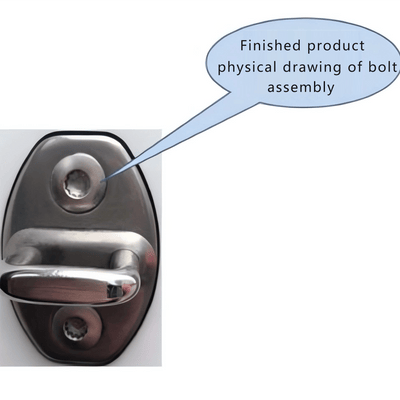
Short answer: for stainless steel internal Torx door-lock bolts, do not quote from the bolt outline alone. First confirm the material grade, recess depth, Torx profile tolerance, machine tonnage, punch support length, and whether the drawing allows small radius changes. If a supplier prices this part without asking those points, the number is only a placeholder.
This article is a manufacturing capability case for an automotive door-lock bolt tooling problem. It is not an official Volkswagen endorsement. The useful lesson for buyers is how to review stainless steel forming risk, internal Torx punch life, polishing, mirror EDM, and coating decisions before ordering a custom mold.
Why Are Stainless Internal Torx Door-Lock Bolts Difficult to Form?
Stainless steel door-lock bolts combine two problems in one part: the material work-hardens during forming, and the internal Torx recess concentrates load on a small punch profile. When the punch is under-supported or the recess geometry is too sharp, the first failure is usually cracking, chipping, or galling at the Torx punch edge.
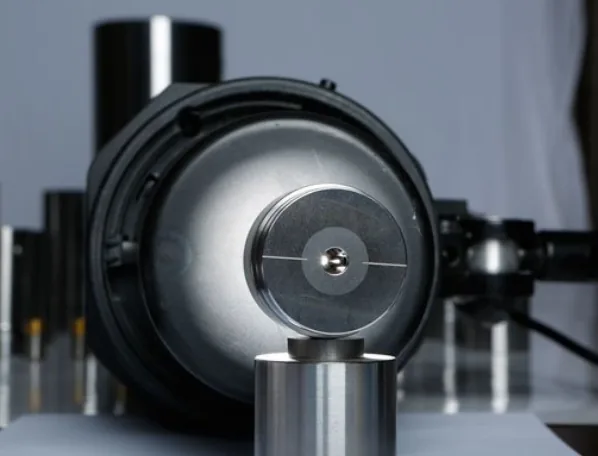
| Risk point | What we check first | Why it affects tool life |
|---|---|---|
| Stainless work hardening | Grade such as SUS304/1.4301 or equivalent, wire condition, and lubricant plan. | Higher forming load increases punch wear and can start galling on polished surfaces. |
| Internal Torx profile | Recess depth, root radius, profile tolerance, and allowed edge relief. | Sharp roots and deep recesses raise stress at the punch edge. |
| Punch support | Unsupported punch length, holder fit, alignment, and station layout. | A slender punch can bend microscopically before it chips or cracks. |
| Surface finish | EDM layer, polishing route, and roughness target on contact surfaces. | Small EDM marks become stress raisers under repeated impact. |
What Data Should Be Checked Before Changing Die Steel?
The weak move is to blame the steel grade immediately. In our review, die steel is only one part of the route. Before changing to powder metallurgy high-speed steel or carbide inserts, we first separate geometry risk from process risk.
For this type of RFQ, the data we want is simple and practical:
- 2D drawing with Torx recess depth, flank angle, root radius, and tolerance notes.
- Material grade and condition, especially whether the stainless steel is SUS304, SUS316, 1.4301, or another equivalent grade.
- Cold heading machine model, station layout, and available tonnage margin.
- Photos of the failed punch, rejected bolts, galling marks, and worn die contact area.
- Target maintenance interval or current tool-life pain point, stated as a production target rather than a guarantee.
These inputs decide whether the tooling route should focus on punch support, edge-radius change, surface coating, mirror EDM, heat treatment, or a different insert structure.
How Would Jungu Build the Tooling Route for This Bolt?
For stainless internal Torx bolts, our normal review starts with the recess punch. If the drawing and machine setup support it, the route may use powder metallurgy high-speed steel for toughness, selected carbide where wear is the main limit, and TiN or TiCN coating when galling is the first failure mode.
We avoid saying "use the hardest steel" because harder is not always safer. A punch that is too hard but poorly supported can chip faster. A softer route may wear too quickly. The workable route balances hardness, edge toughness, coating friction, and maintenance access.
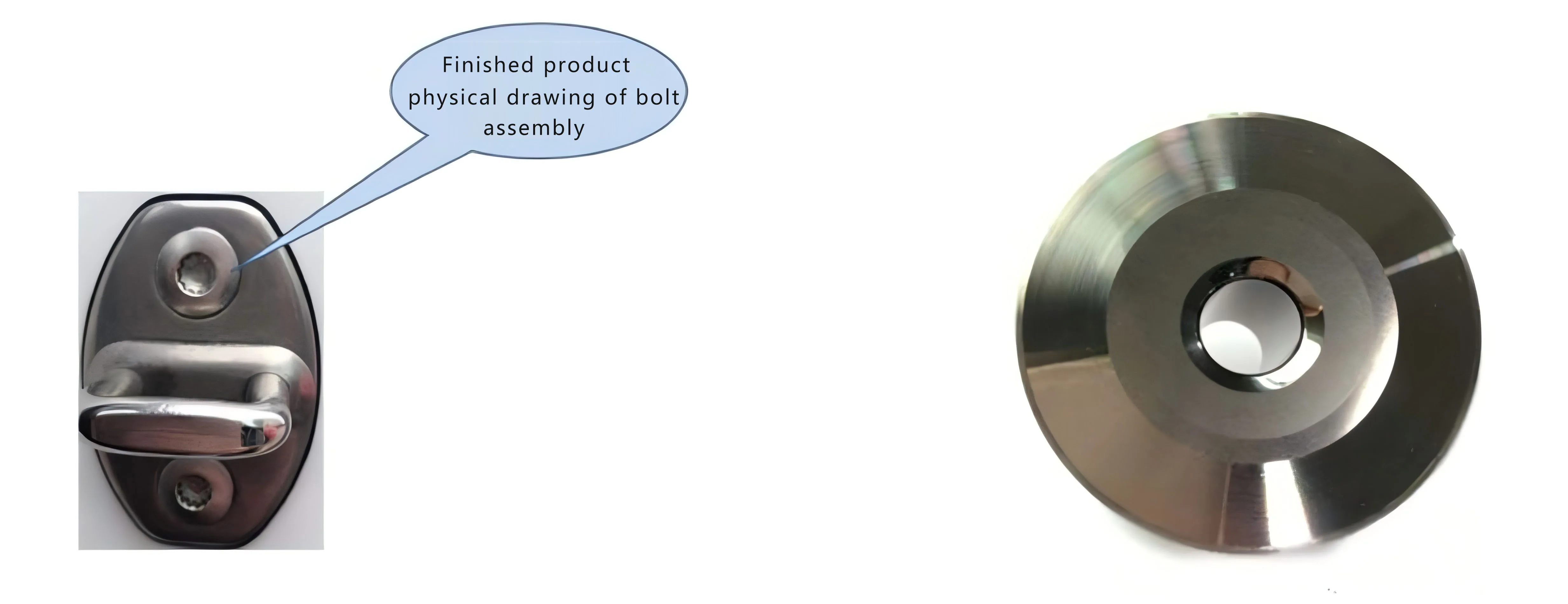
| Tooling decision | When it is useful | RFQ question we ask |
|---|---|---|
| Powder metallurgy HSS | When impact load and edge toughness matter more than simple abrasive wear. | Where did the previous punch fail: edge chipping, body cracking, or wear? |
| Carbide insert or carbide-supported zone | When wear is concentrated and the geometry can support a brittle material safely. | Is the wear zone stable and replaceable without disturbing the whole setup? |
| TiN / TiCN coating | When stainless galling or friction marks appear early. | Does the failed part show galling, scratches, or poor Torx fill? |
| Mirror EDM + finish polishing | When surface defects or EDM recast layer become failure origins. | What roughness target is needed before shipment and trial? |
What Quality Checks Should Be Confirmed Before Shipment?
For an internal Torx bolt mold, a clean-looking punch is not enough. We need inspection points that connect directly to the buyer's failure mode.
| Check item | Buyer impact |
|---|---|
| Torx profile and recess depth | Prevents poor fill, assembly mismatch, or driver-fit problems. |
| Root radius and edge condition | Reduces edge cracking risk and avoids uncontrolled sharp transitions. |
| Surface roughness in contact zones | Reduces galling and scratch initiation during stainless forming. |
| Hardness and heat-treatment consistency | Supports predictable wear without making the punch too brittle. |
| Coating continuity | Helps control friction and prevents early coating failure at high-load corners. |
| Drawing-to-sample review | Keeps the mold route tied to the buyer's real bolt, machine, and tolerance target. |
How Do Polishing and Mirror EDM Reduce Failure Risk?
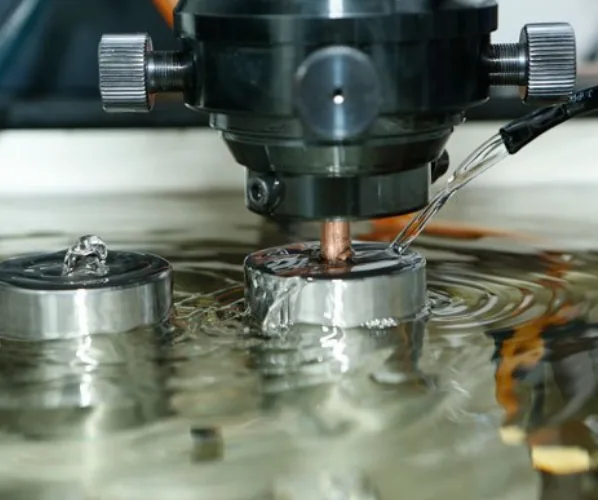
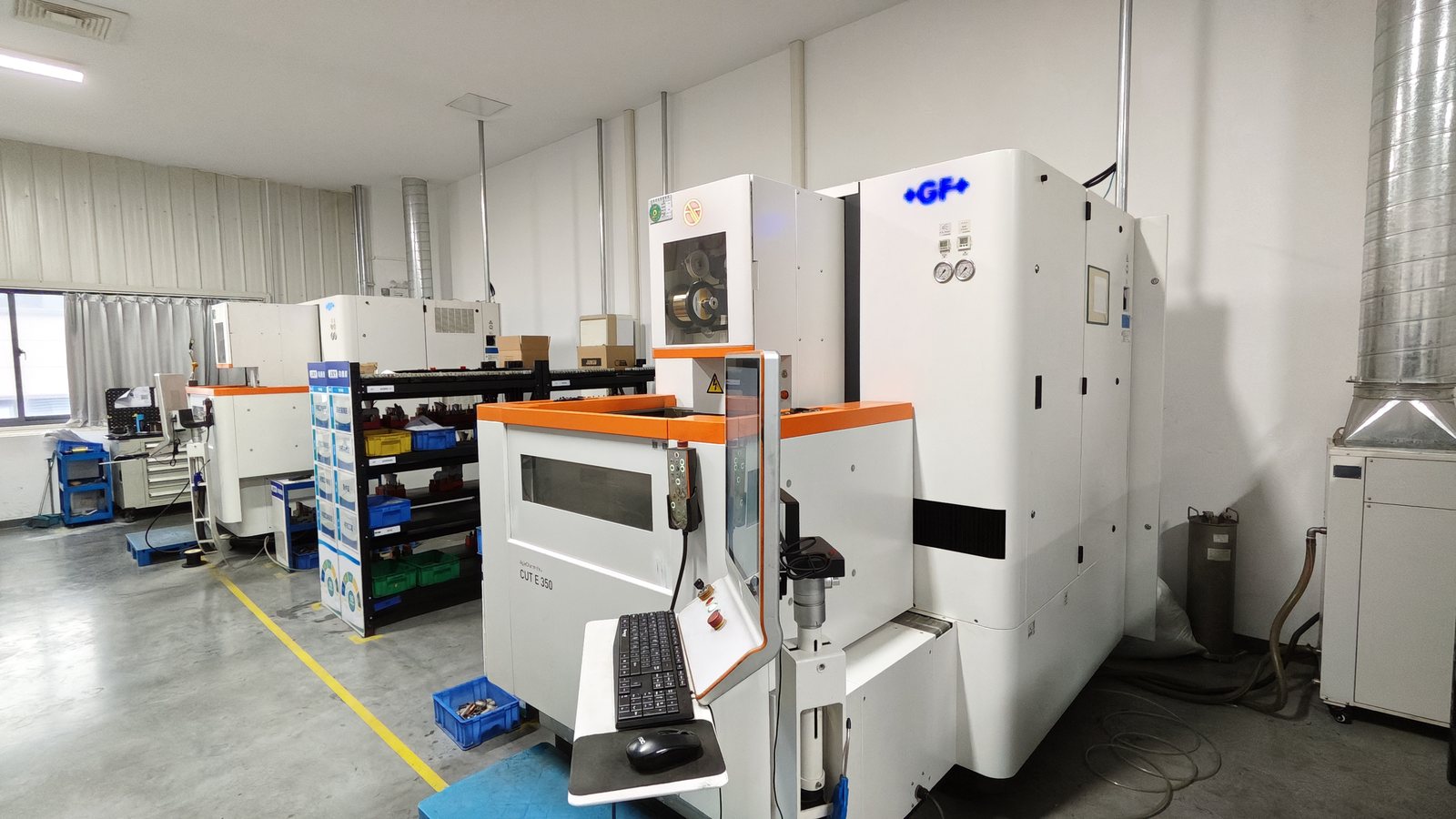
On stainless fastener tooling, EDM quality is not a cosmetic detail. A rough EDM layer can hold material, start galling, and create microscopic stress points at the Torx punch edge. That is why we separate EDM machining, recast-layer control, staged polishing, and final inspection instead of treating polishing as a final touch.
| Process step | What it prevents | What buyers should ask for |
|---|---|---|
| Stable EDM discharge | Carbon buildup, heavy recast layer, and unstable cavity dimensions. | Ask how the supplier controls EDM surface quality on small recess profiles. |
| Staged polishing | Random scratches and local pressure marks left by rough hand polishing. | Ask which contact zones are polished and how they are inspected. |
| Microscope inspection | Hidden edge chips and polishing marks near the Torx root. | Ask for close-up inspection photos when the part is high risk. |
| Trial feedback loop | Repeating the same failure after a replacement mold arrives. | Send failed-part photos and trial notes back before approving a repeat order. |
What Should You Send for a Reliable RFQ?
A useful quote for this part needs more than a part name. Send the drawing, material grade, recess detail, machine model, target volume, and failure photos if this is a replacement project.
If your project is close to this geometry, also review Jungu's related high precision punch tool die bolt used for carbide product page. It shows the type of drawing-based custom tooling review we use for punch, die bolt, and segmented die projects.
For recess profiles, punch holders, and supported punch tooling, compare the cold heading punches and header punch pins category before sending the RFQ.
Bottom line: the fastest way to get a real answer is to send the drawing, machine setup, material grade, and defect photos together. We can then return a tooling-route review, not a placeholder price.
FAQ
Can Jungu quote this type of internal Torx bolt mold without a drawing? Only roughly. A reliable quote needs the bolt drawing, Torx recess detail, material grade, machine model, target quantity, and the current failure mode if there is one.
Why do internal Torx punch pins crack early? Common causes include insufficient punch support, sharp Torx root geometry, stainless work hardening, poor alignment, unstable EDM surface quality, and a hardness route that is too brittle for the load.
Should stainless steel door-lock bolts use TiN or TiCN coating? Coating depends on the failure mode. TiN or TiCN can help when galling and friction are the main problem, but coating cannot fix poor punch support, bad alignment, or a drawing with excessive local stress.
Can the same tooling route be used for carbon steel and stainless steel? Not safely without review. Stainless steel work-hardens more aggressively, so the punch support, radius design, lubrication, coating, and polishing route may need to change.
Is this an official Volkswagen endorsement? No. This page is a manufacturing capability case about an automotive door-lock bolt tooling problem. It should not be read as a public customer endorsement or authorization.