
How Thread Rolling Dies Work: Flat vs Cylindrical
Learn how flat and cylindrical thread rolling dies form threads, what controls fill and wear, and which machine and blank data a tooling RFQ needs.
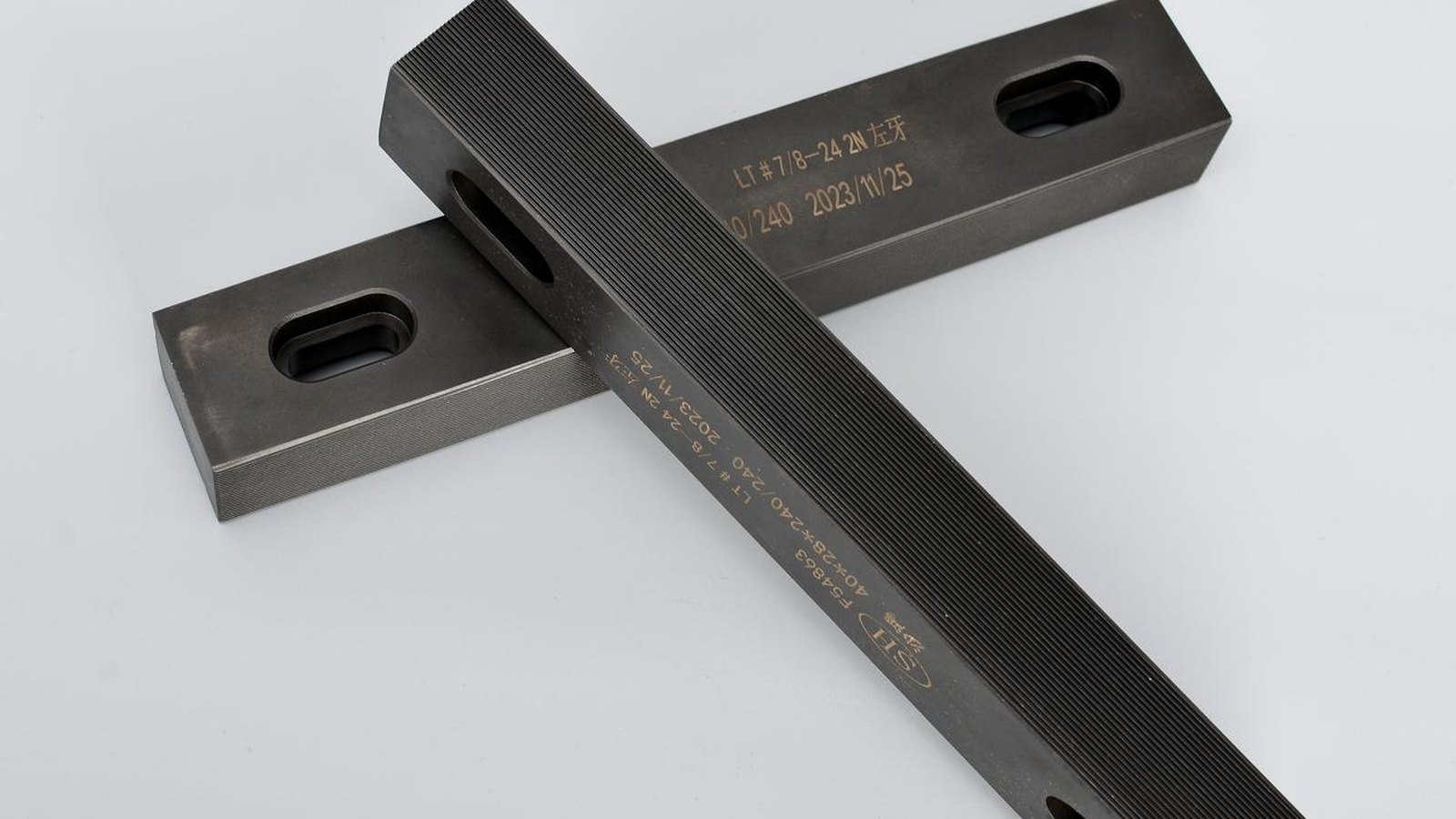
How Do Thread Rolling Dies Form a Thread?
Thread rolling dies press a hardened profile into a ductile blank, moving material from the future thread root toward the crest without cutting chips. The dies do not simply stamp the finished shape in one impact. Their entry, forming, sizing, and exit zones load the workpiece progressively while machine motion keeps the part synchronized with the profile.
A correct finished-thread drawing is only one input. To design a working die, we also need the machine interface, pre-roll blank diameter and tolerance, material condition, rolling length, lubrication, production rate, and any existing wear pattern. Missing one of those can produce a die that matches the drawing but fails in the machine.
What Is the Difference Between Flat, Two-Roll, and Three-Roll Dies?
| Die system | Machine motion | Where it is often used | RFQ detail that decides it |
|---|---|---|---|
| Flat dies | One die moves past a stationary die | Repeat production of screws and bolts | Die length, width, thickness, pitch line, holder, and machine model |
| Two cylindrical dies | The workpiece rolls between two rotating dies | Controlled in-feed or through-feed rolling | Outside diameter, bore, keyway, face width, and rotation setup |
| Three-roll system | Three rolls form and support the workpiece | Longer parts or jobs needing distributed support | Machine envelope, support method, feed, and full workpiece length |
The choice follows the machine, not a preference on a quotation sheet. Even within one die family, holder dimensions and pitch-line conventions vary. We ask for a holder drawing or a verified existing die drawing before releasing production dimensions.
What Happens During Entry, Forming, Sizing, and Exit?
- Entry: the lead section engages the blank gradually. An entry that loads too quickly can mark the first threads, push the part out of position, or overload the first working teeth.
- Forming: material flows into the profile as penetration increases. Blank diameter and material condition determine whether the crest fills cleanly or folds.
- Sizing: the full-form section stabilizes flank geometry, pitch diameter, and surface condition. Uneven contact here often points to alignment or support problems.
- Exit: run-out and release geometry allow the part to leave without double tracking or damaging the last threads.
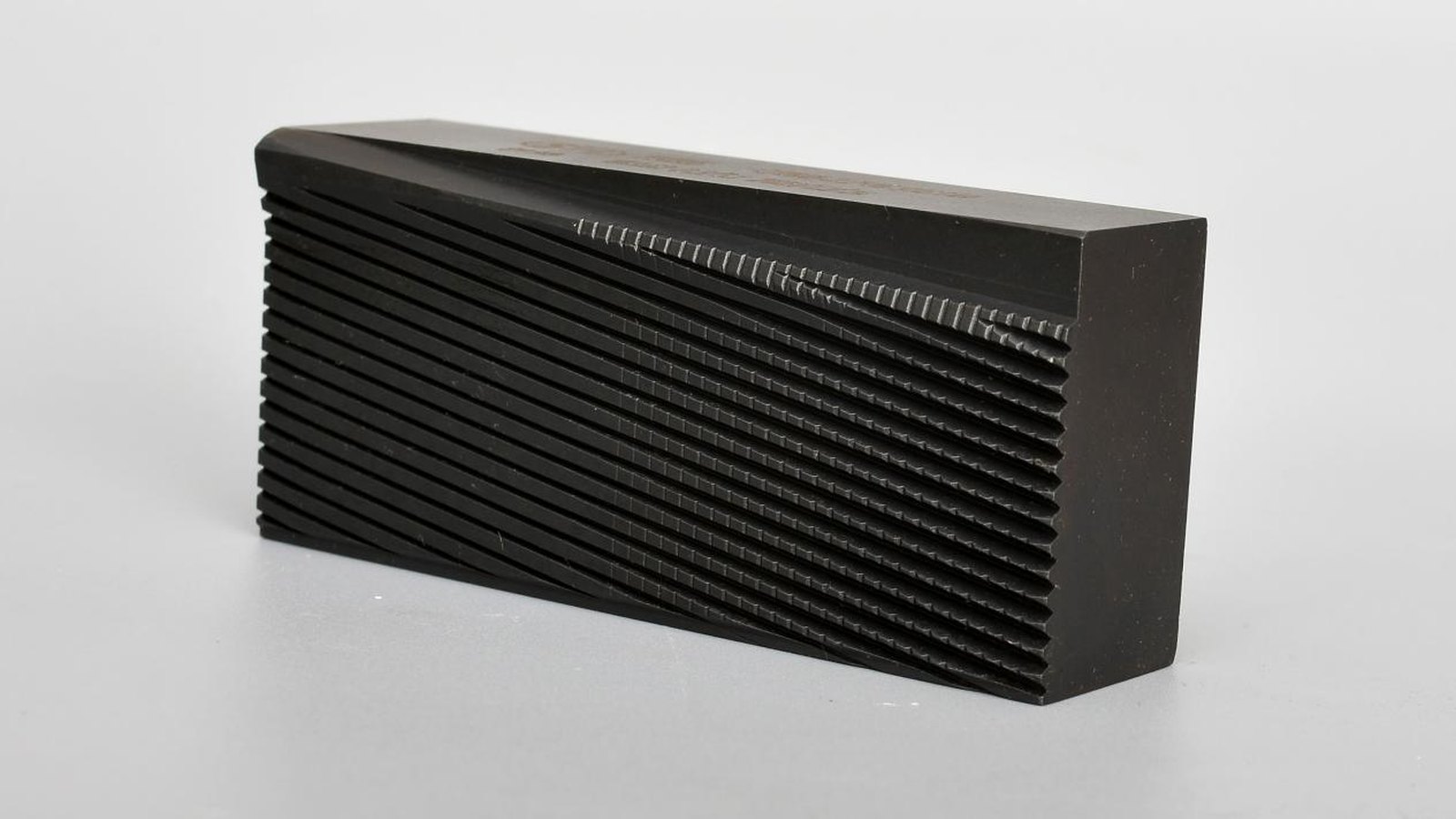
Why Does Pre-Roll Blank Diameter Control Thread Fill?
The rolling blank starts near the thread pitch diameter rather than the finished major diameter. If the blank is too small, there is not enough material to complete the crest. If it is too large, excess volume drives up rolling pressure and can create laps, flakes, die damage, or machine overload.
Nominal diameter alone hides the real problem. We need the measured minimum and maximum, roundness, surface condition, coating, and batch variation. A process that works at the center of tolerance may fail at one end if the allowed range was never included in the die review.
Which Machine Details Change the Die Design?
- Holder dimensions and condition: worn or mismatched holders change die support and parallelism.
- Machine capacity and adjustment range: available force and penetration must suit the material and rolling length.
- Feed and timing: incorrect synchronization can create double tracking even when the die profile is correct.
- Workpiece support: long parts need a stable work-rest or support method to prevent bending and one-sided loading.
- Lubrication delivery: the right lubricant cannot help if it does not reach the entry and full-form zones consistently.
What Do Common Wear Patterns Tell Us?
| Wear pattern | Likely checks | Evidence to send |
|---|---|---|
| Wear concentrated at entry | Lead design, initial penetration, blank presentation | Entry close-up and first-thread defect |
| One-sided flank wear | Parallelism, holder wear, work-rest height | Both dies marked by mounting position |
| Repeated chip at one tooth | Local overload, material seam, handling damage | Uncleaned fracture and matching part defect |
| Profile drift across both dies | Material variation, lubrication, total production history | First and latest inspected parts plus batch data |
| Double track or pitch mismatch | Timing, synchronization, exit, incorrect die pair | Full thread view and machine setup information |
Can the Same Die Concept Be Used for Lead Screws?
Lead screws can be rolled, but long rolling length, lead accuracy, straightness, workpiece support, and machine feed make the route different from a short fastener. A profile that looks similar in section can behave differently over a long contact length. Do not select a lead-screw die from thread form alone; review the complete workpiece, unsupported length, machine arrangement, and inspection method.
What Data Should Be Sent Before a Die Quotation?
Send the finished thread drawing, standard and tolerance class, pre-roll blank diameter with tolerance, material grade and hardness condition, rolling length, machine maker and model, holder dimensions, current die drawing, target rate, and photographs of current wear or thread defects. Mark which die is stationary, moving, left, or right so the wear direction is not lost.
Review our flat and cylindrical thread rolling dies or compare process limits in thread rolling versus thread cutting. For supplier qualification, use the thread rolling die manufacturer checklist.
What Do Buyers Commonly Ask About Thread Rolling Dies?
Can you manufacture a die from a finished-part drawing only?
We can review feasibility, but production design also needs machine and holder data, blank diameter, material condition, and rolling length. Quoting without them leaves major assumptions unresolved.
Why did a new die reproduce the same defect as the old one?
The cause may sit outside the die drawing: blank variation, holder wear, misalignment, timing, lubrication, or workpiece support. The old wear pattern should be reviewed before copying the tooling.
Should I specify coating before the die geometry is reviewed?
No. Coating can address a defined wear or friction problem, but it will not correct poor entry, unstable blanks, or uneven support. Establish the failure mode first.