
How to Choose Thread Rolling Dies for Screws and Bolts
Choose flat or cylindrical thread rolling dies from machine architecture, tooling interface, blank control, material, inspection requirements, and RFQ evidence.
Source basis: Jungu customer project records and technical review notes. Customer names, drawings, and production data are anonymized unless publication was authorized.
Short answer: choose the die type from the rolling machine architecture, mounting interface, thread geometry, blank condition, material, and required production stability. Flat dies are the normal route for reciprocating flat-die machines; cylindrical dies belong to rotary rolling systems and may suit parts that need a different contact or support condition. Strength grades such as 8.8 and 12.9, stainless grades such as SUS304, and long thread sections are review inputs, not universal rules that select the die by themselves. Before talking price, confirm the machine model and die mounting dimensions.
A finished screw photo can show the symptom, but it cannot confirm die-seat dimensions, available forming capacity, blank diameter control, material condition, or whether the existing tooling pair is aligned. Send the photo together with the drawing and machine data.
What Does a Thread Rolling Die Actually Control in Fastener Production?
Thread rolling dies form external threads by displacing material instead of cutting it away. In screw and bolt production, the blank is pressed between matched rolling tools so the material flows into the required thread profile.
We look at the die as a pressure-control tool, not only a shaped steel block. The thread profile, blank diameter, material flow, rolling pressure, and matched-pair timing decide whether the finished fastener keeps pitch accuracy or comes out with torn crests, shallow roots, and unstable gauge results.
When blank diameter is too large, rolling pressure spikes and the die edge chips. When it is too small, the thread crest cannot fill. When die dimensions do not match the machine slot, the operator compensates during setup and the production window becomes narrow.
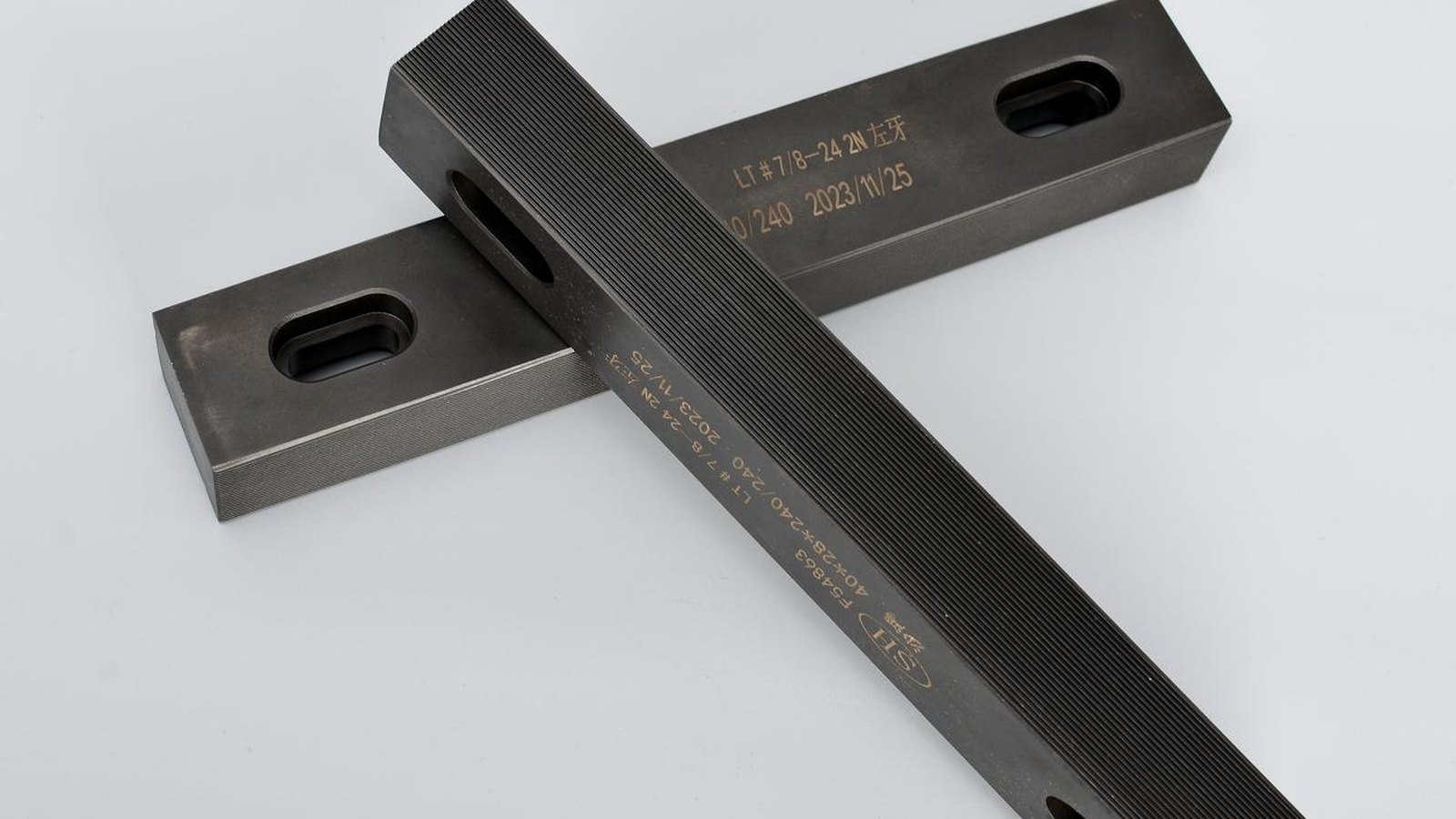
How Should You Choose Between Flat and Cylindrical Thread Rolling Dies?
Before comparing die types, check whether the blank diameter and its variation meet the fastener drawing and the rolling process. A die cannot compensate for an unstable blank, and the permitted variation must come from the part and process requirements rather than a universal shop-floor number.
| Decision factor | Flat thread rolling dies | Cylindrical thread rolling dies | Decision trigger | What we check before quoting |
|---|---|---|---|---|
| Machine architecture | Used on reciprocating flat-die machines with a stationary and moving die | Used on rotary systems designed for cylindrical rolling tools | The installed machine and tooling interface set the first boundary | Machine brand/model, die seat, mounting method, and current tooling photos |
| Workpiece and thread length | Suitable when the part and thread section fit the machine stroke and support condition | Reviewed when longer contact or a different support condition is required | Review increases as the thread section becomes long relative to the diameter | Overall length, thread length, lead-in, run-out, support, and bending risk |
| Production target | Common for volume production of standard screws and bolts | Selected when the rotary process better fits profile, stability, or part geometry | Output target must be checked against machine capability and setup stability | Target rate, feeding stability, setup history, and rejected-part rate |
| Thread requirement | Can hold regular or tight classes when blank and setup control are suitable | Can support special profiles when the machine and inspection route are compatible | Tolerance class alone does not select the die type | Thread standard, gauge method, pitch, crest/root requirements, and acceptance plan |
| Material and strength grade | Used for many carbon-steel and alloy-steel fasteners after load review | Reviewed for the same materials when the rotary process is appropriate | Material grade changes load, adhesion, lubrication, and wear risk | Exact grade, hardness condition, heat-treatment route, and surface condition |
| Tooling interface | Requires correct length, width, thickness, mounting angle, and matched-pair geometry | Requires roller dimensions, shaft or holder interface, and rotary setup data | A final quote needs confirmed interface dimensions | Tool drawing, machine manual dimensions, sample dies, and measured seat data |
What RFQ Details Should You Send Before Asking for a Price?
A useful quote needs enough information to judge pressure, material flow, machine fit, and inspection risk. If we receive only a product name such as "M8 screw thread rolling die," the price can only be a rough placeholder.
- Fastener drawing with thread standard, pitch, major diameter, minor diameter, thread length, and tolerance class.
- Blank diameter and the actual process variation recorded in production.
- Wire material, strength grade, hardness condition, and whether the fastener is 8.8, 10.9, 12.9, carbon steel, alloy steel, or stainless steel.
- Thread rolling machine model, die size, mounting dimensions, and available forming capacity.
- Upstream blank-forming route when blank consistency or surface condition is part of the problem.
- Wire surface condition, including known decarburization, coating, scale, or surface cracks when relevant.
- Current failure mode: die chipping, fast wear, shallow thread, pitch drift, poor surface finish, or unstable setup.
- Photos of the existing dies, finished fastener, and rejected samples when the drawing is incomplete.
We can usually separate a normal purchasing RFQ from a technical-risk RFQ within the first review, because pressure and blank-control problems leave different marks on the thread flank.
What 4 Quality Checks Should You Demand Before Shipment?
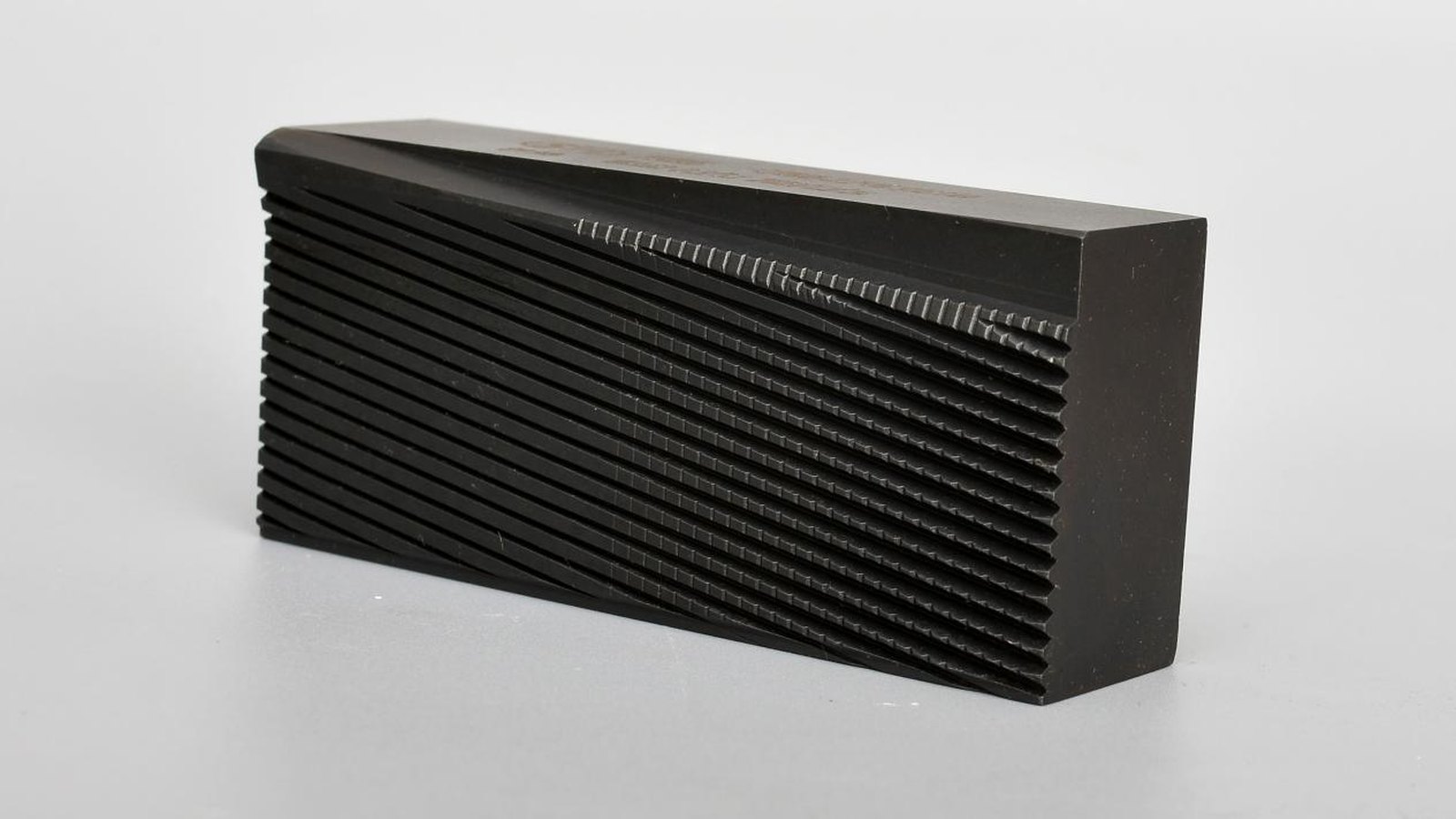
For thread rolling dies, quality control must follow the working profile and the machine fit. We would ask for four checks before shipment, especially when the order is for export and sampling time is expensive.
| Check point | What can go wrong if skipped |
|---|---|
| Thread profile accuracy | The finished screw may pass visual inspection but fail the gauge because crest and root geometry are not controlled. |
| Matched die pair consistency | One die can push harder than the other, so the operator keeps adjusting setup and loses stable production time. |
| Surface finish and lead-in area | Rough surfaces drag material instead of flowing it, which causes galling, torn thread flanks, and fast wear. |
| Hardness and heat-treatment balance | Too soft wears quickly; too brittle chips on high-pressure materials such as 12.9-grade fasteners or stainless steel. |
We also check whether the requested material and heat-treatment route fit the fastener material and observed load. A higher hardness value is not automatically better because thread rolling dies need edge toughness, profile stability, and wear resistance together.
When Should You Treat a Supplier's Quote as a Draft Price?
We have reviewed overseas replacement enquiries where the buyer received a clean-looking die but still saw unstable threads or early edge damage. The useful lesson is not that one cause applies to every order. The machine interface, available forming capacity, blank condition, tooling alignment, and die design must be checked together.
Ask the supplier two questions before you trust the number:
- Which rolling machine model, die interface, and available forming capacity did you assume? Without these inputs, the supplier cannot confirm that the proposed tooling fits the machine or load condition.
- Which blank material, diameter control, hardness condition, and surface condition did you assume? These inputs affect material flow, adhesion, pressure, and edge risk.
If a supplier calls the price final before asking for these details, treat it as a budget figure. It may help early screening, but it is not yet a technical quotation for stable production.
How Does Jungu Review Thread Rolling Die Projects Before Quoting?
Jungu reviews thread rolling die projects from the drawing, thread profile, fastener material, rolling machine, die size, mounting slot, target quantity, and current failure mode. We first decide whether the job fits flat thread rolling dies, cylindrical dies, or another fastener tooling route.
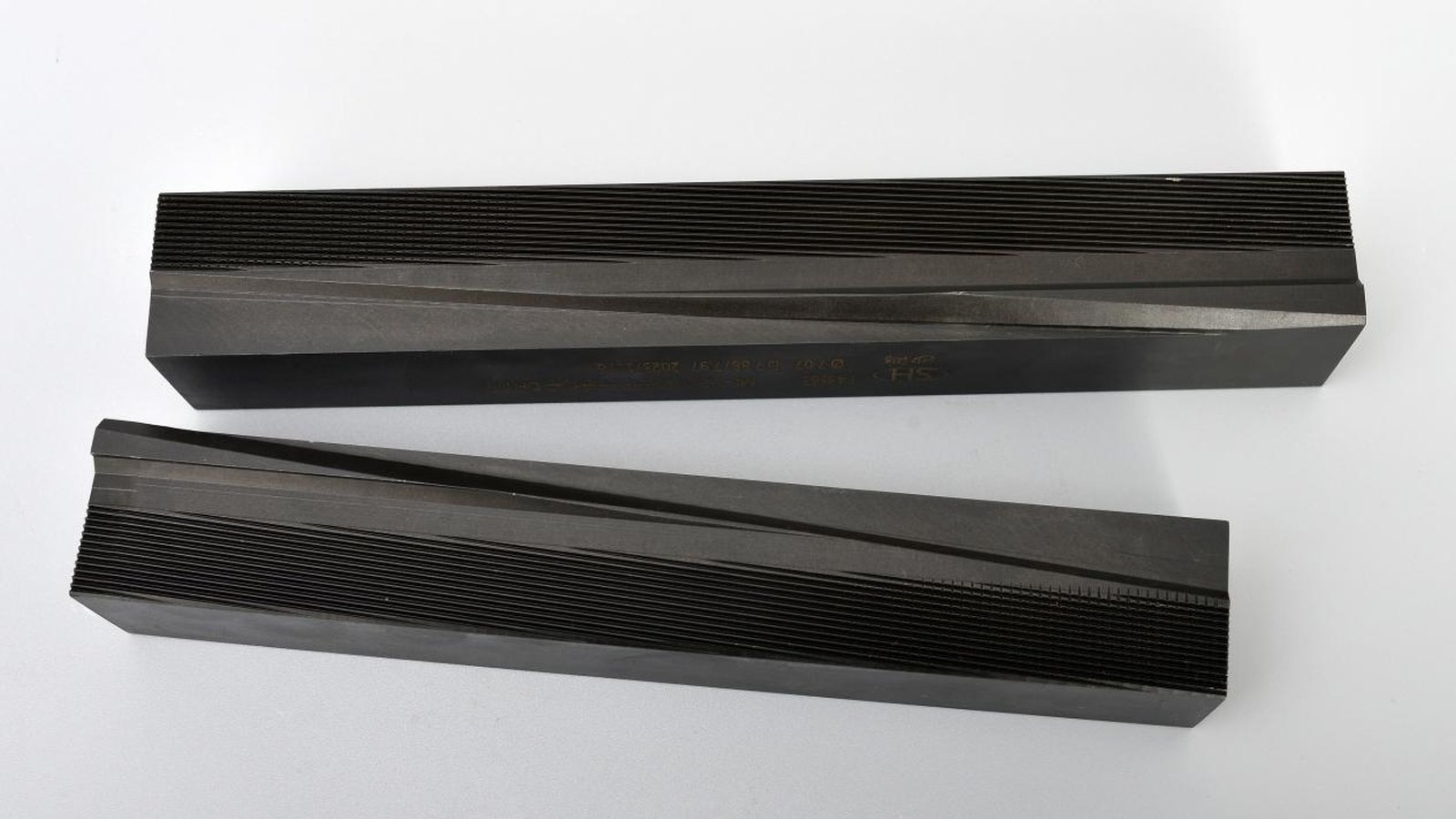
We pause a quotation when the drawing, machine interface, available forming capacity, and blank condition do not agree. Recording that mismatch before manufacturing is more useful than forcing a price onto incomplete data.
For custom fastener tooling projects, we can also review whether the thread rolling problem is actually connected to cold heading dies, punch pins, nut forming dies, cut-off tools, or blank-preparation issues. That prevents the buyer from replacing thread rolling dies when the real failure begins one process earlier.
If you are preparing an RFQ, send the drawing, machine model, material, thread profile, mounting slot size, estimated quantity, and current tool-life issue. We will return a tooling-route review before treating the price as final.
What Do Buyers Ask Before Ordering Thread Rolling Dies?
What information is needed to quote thread rolling dies? Send the fastener drawing, thread standard, pitch, major and minor diameter, blank diameter, material, rolling machine model, die size, quantity, and current tooling problem if available.
Can I use the same dies for Carbon Steel and Stainless Steel (e.g., SUS304)? Do not assume so. Stainless steel such as SUS304 work-hardens during forming and can change rolling load, adhesion, lubrication, and surface-finish requirements. We review the lead-in, transition radius, working surface, base material, support, and coating route against the machine and fastener drawing. A coating cannot compensate for the wrong geometry or an unstable blank. State the exact material grade before quotation.
Can thread rolling dies be customized? Yes. For custom dies, the supplier should review the drawing, thread profile, machine model, material, and production target before confirming the tooling route.
How do I know whether my problem comes from the die or the machine? Look at the failure pattern. Repeated chipping at the same edge often points to pressure concentration, blank diameter error, or material-surface problems. Pitch drift and unstable setup can point to machine alignment, die pair matching, feeding instability, or insufficient tonnage. Send rejected part photos with the drawing so we can separate tooling risk from machine risk.
Can Jungu review drawings before quotation? Yes. Jungu can review drawings and project details before quoting custom thread rolling dies and related fastener mould tooling.
Bottom line: send the drawing, machine model, tooling interface, blank material, and current failure photos before asking for a final price. We will review the tooling route and identify missing inputs before the quotation is treated as final.