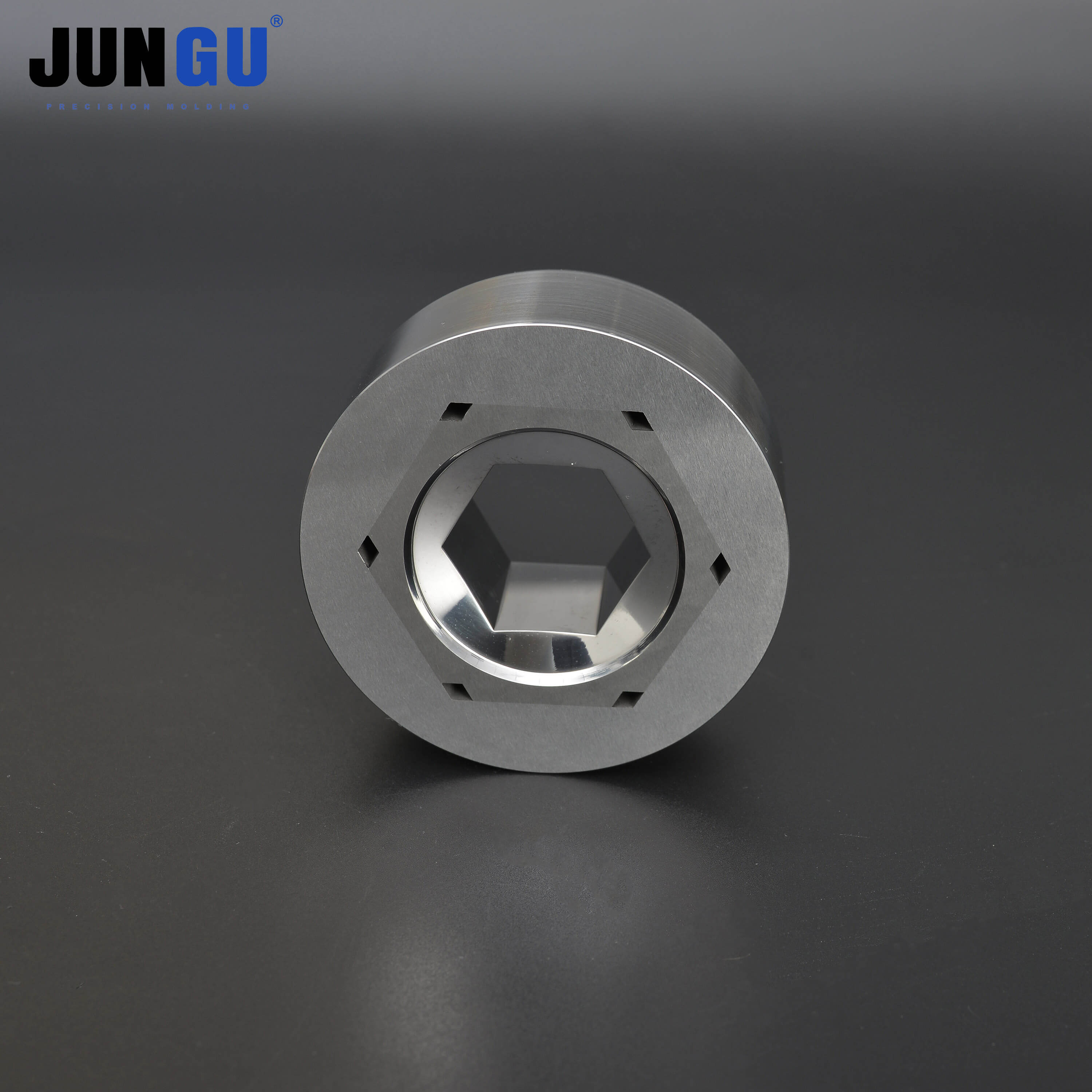
Tungsten Carbide Dies vs Steel Dies: Comparison Guide
Choosing between tungsten carbide dies and steel dies affects mould life, wear resistance, cost, delivery planning, and part consistency in industrial fastener production.
Read More
Article Archive
Jungu technical articles about carbide dies.
Choosing between tungsten carbide dies and steel dies affects mould life, wear resistance, cost, delivery planning, and part consistency in industrial fastener production.
Read More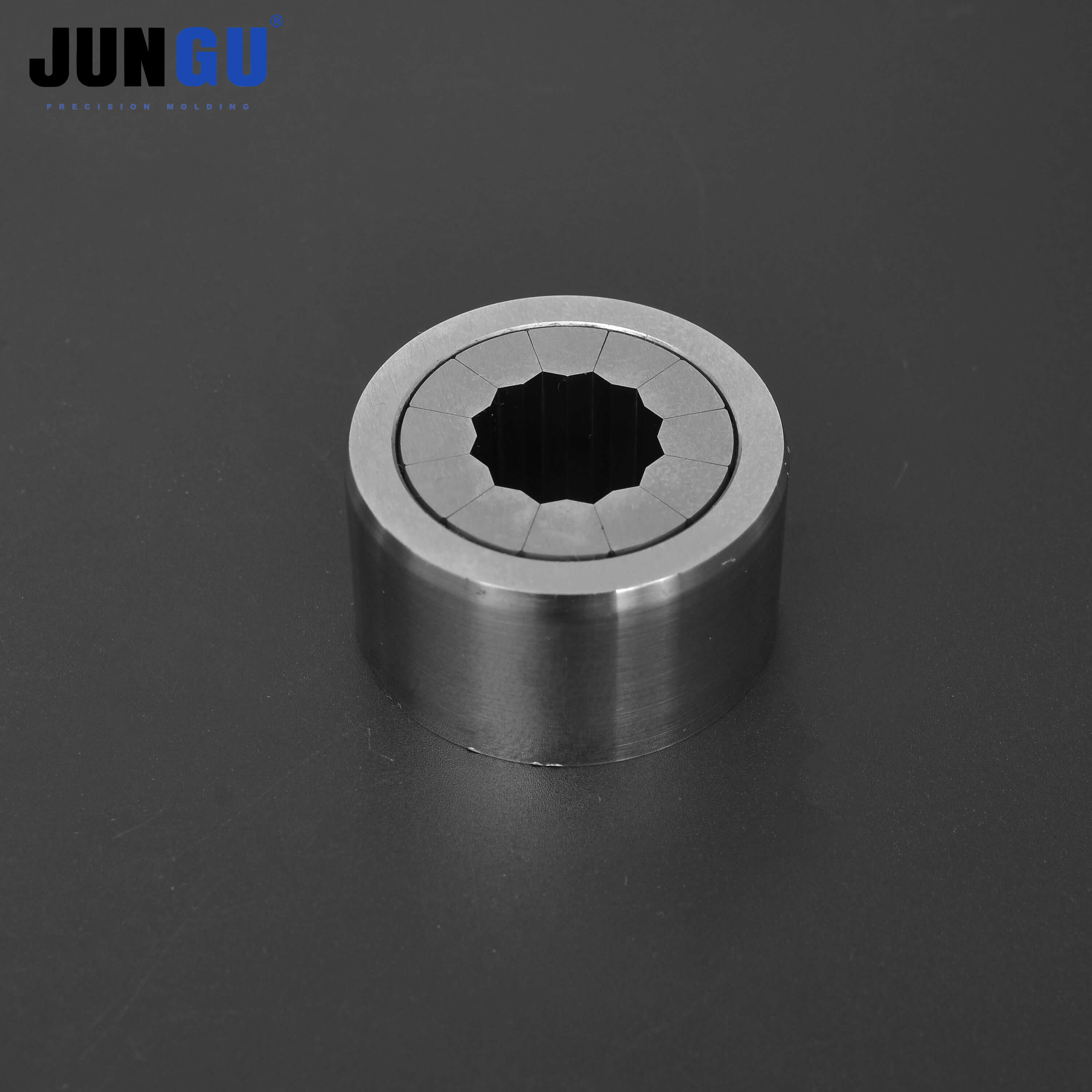
Carbide dies make the biggest difference when the application requires high wear resistance, stable dimensions, long production runs, and strict surface quality.
Read More
Tungsten carbide is valued for hardness and wear resistance in demanding environments. Temperature behavior matters when moulds face heat, friction, and repeated forming load.
Read More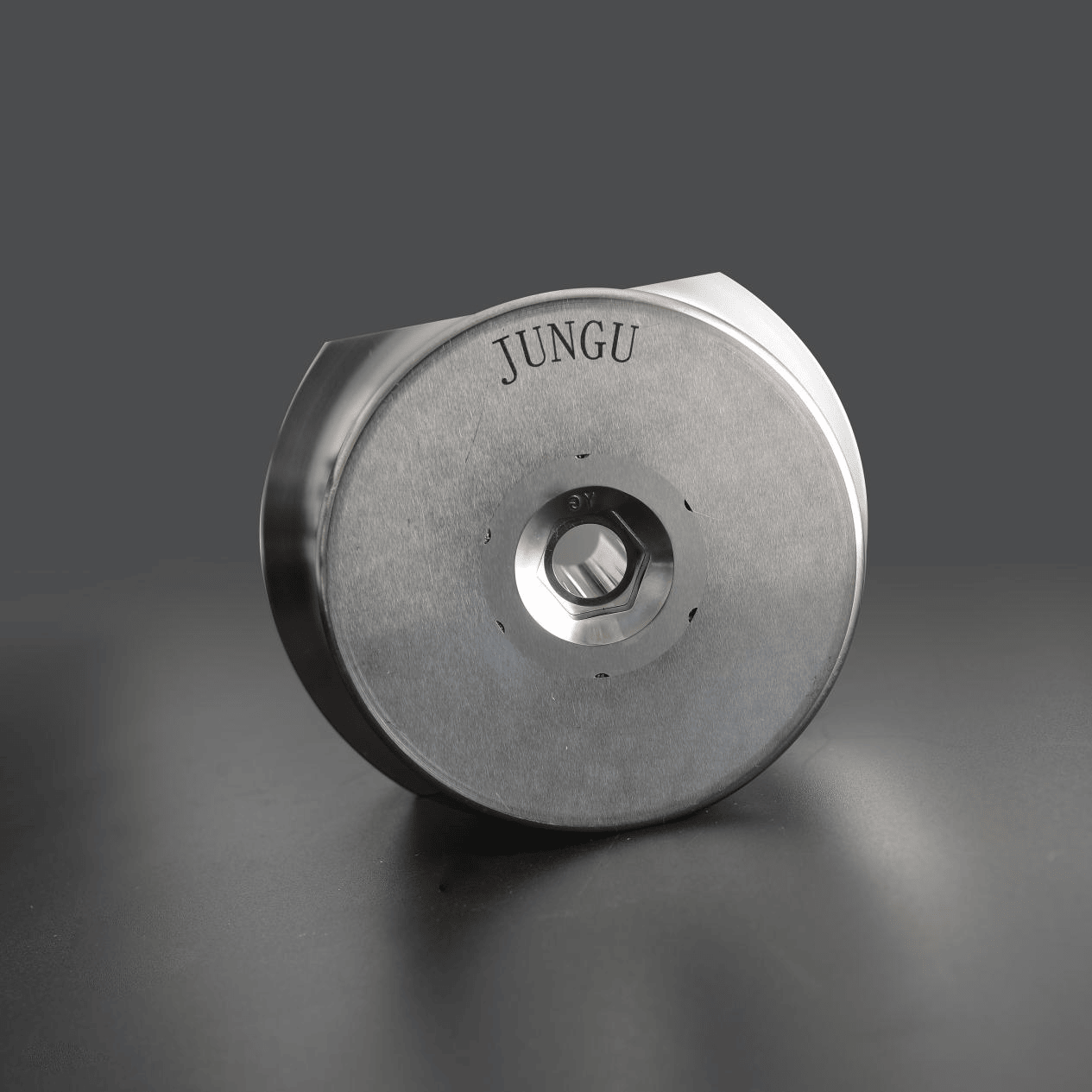
A technical overview of tungsten carbide composition, physical properties, industrial applications, die comparison, machining considerations, and recycling.
Read More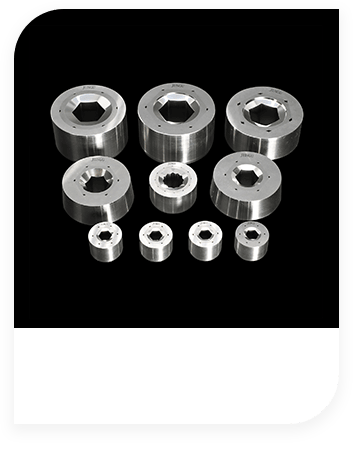
Tungsten carbide is highly resistant to water — it will not rust, corrode, or degrade from normal moisture exposure. Learn about its performance in…
Read More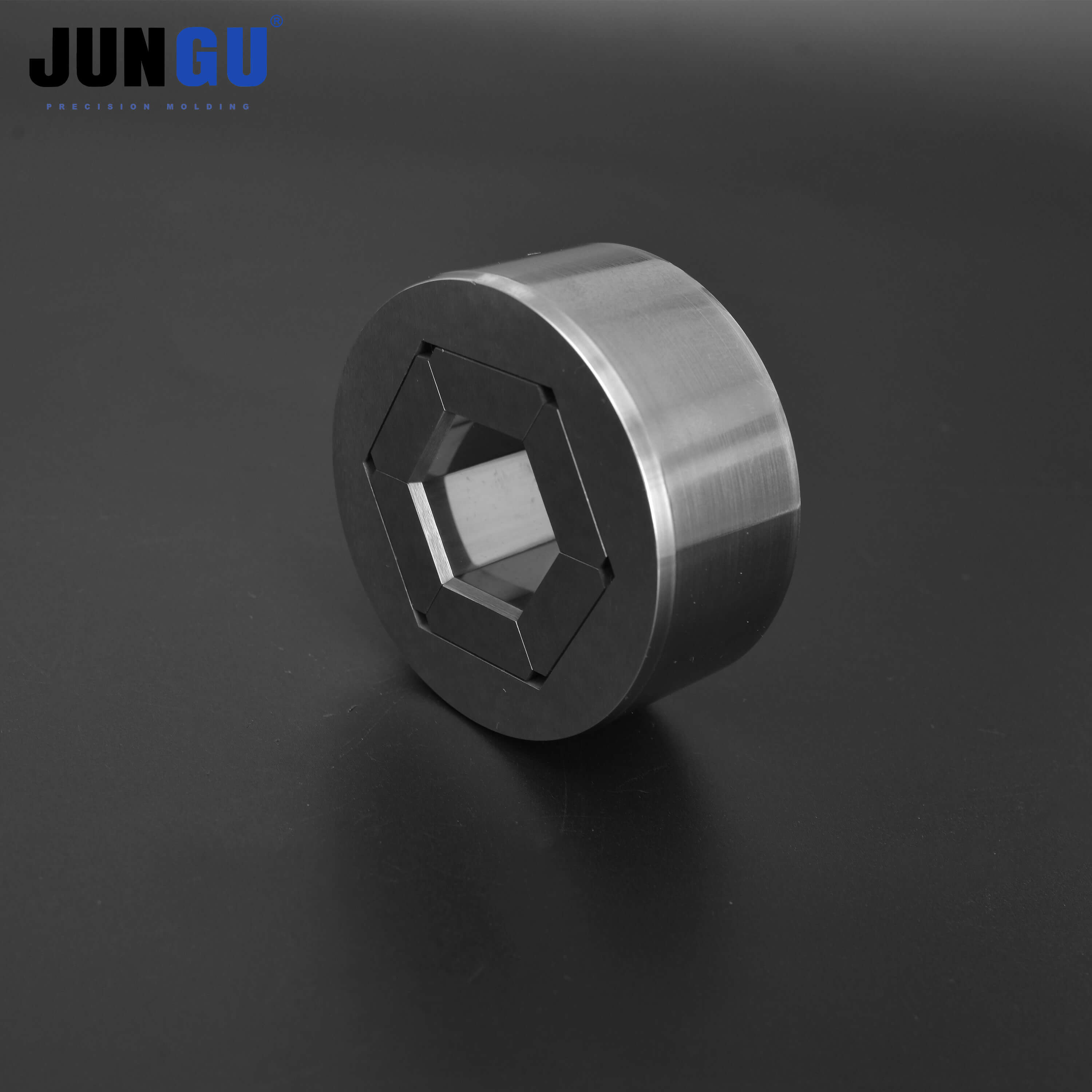
Compare tungsten carbide dies vs steel dies across hardness, wear resistance, temperature stability, toughness, cost, and application suitability.
Read More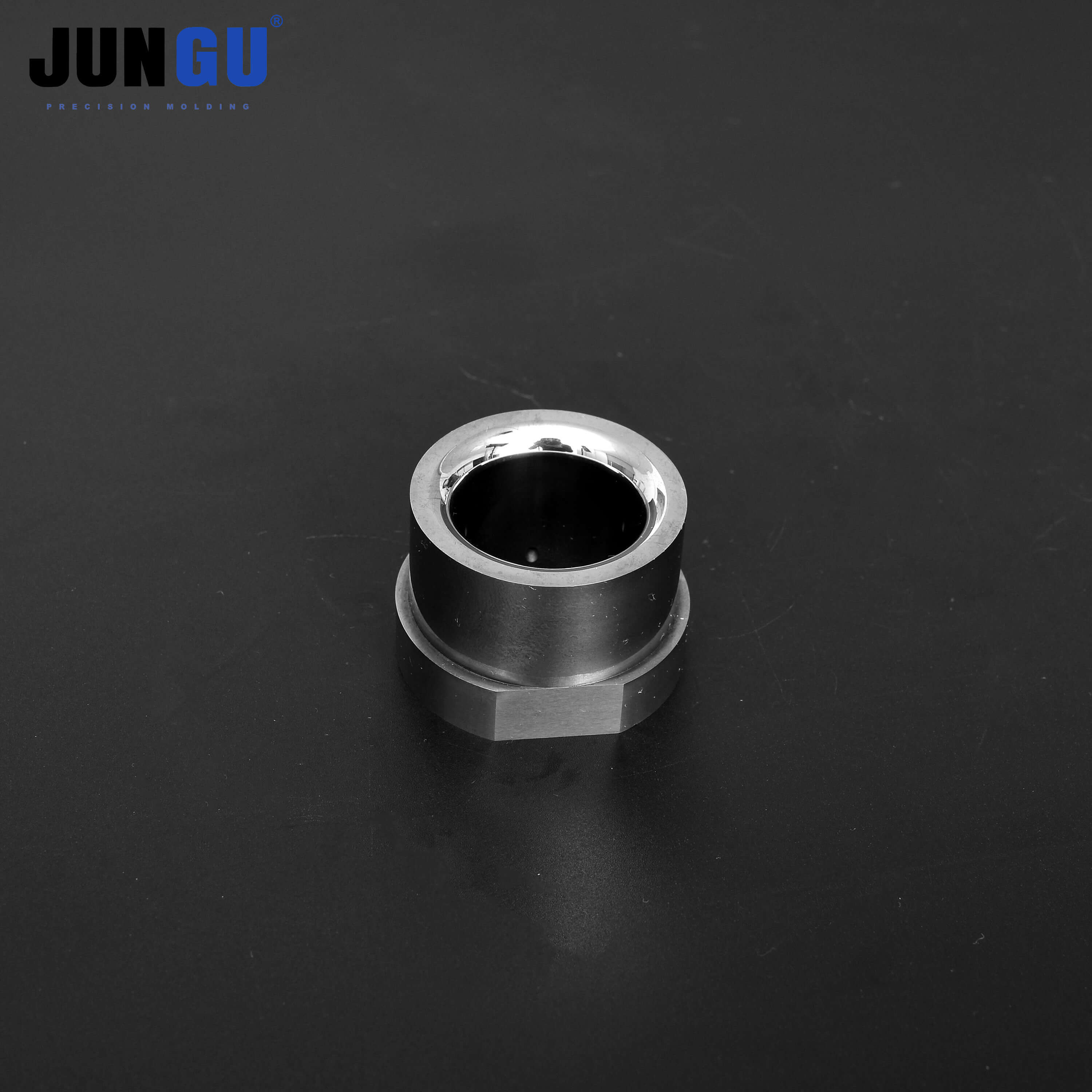
Tungsten carbide offers exceptional hardness and wear resistance but comes with trade-offs. A practical guide to its pros, cons, and industrial applications.
Read More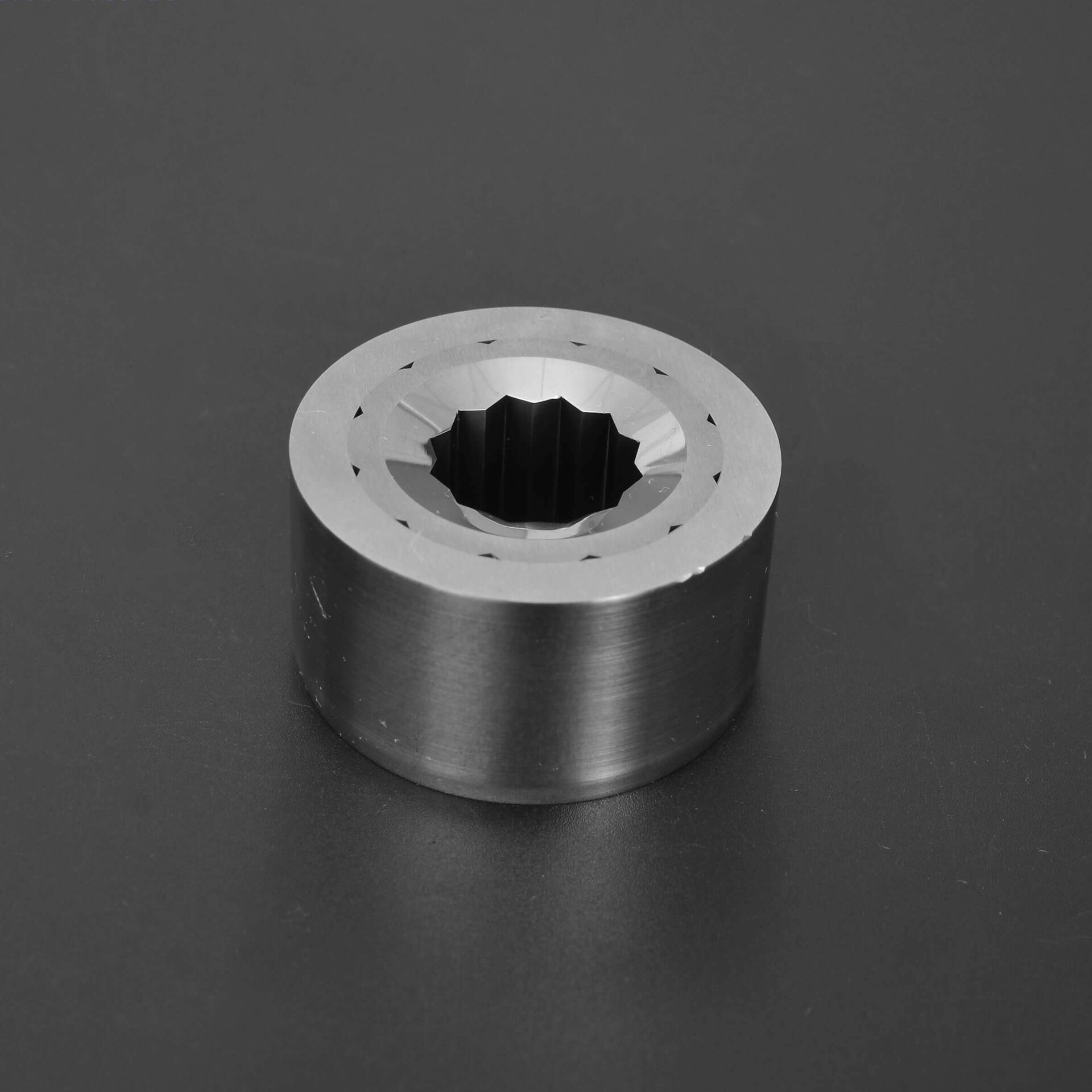
Tungsten carbide ranks 9–9.5 Mohs with Vickers hardness of 1,500–2,600 HV. A technical guide to measuring, comparing, and applying tungsten carbide hardness in manufacturing.
Read More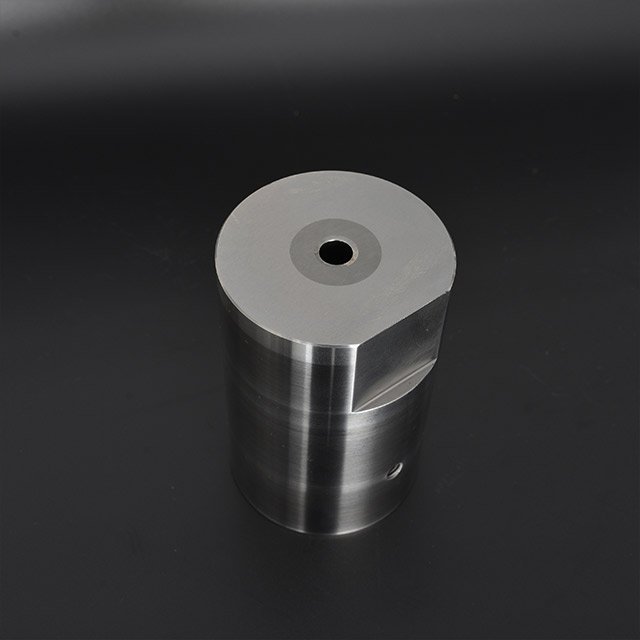
Compare tungsten carbide hardness vs diamond and other high-hardness materials. Detailed Mohs, Vickers, and Rockwell scale comparisons for industrial applications.
Read More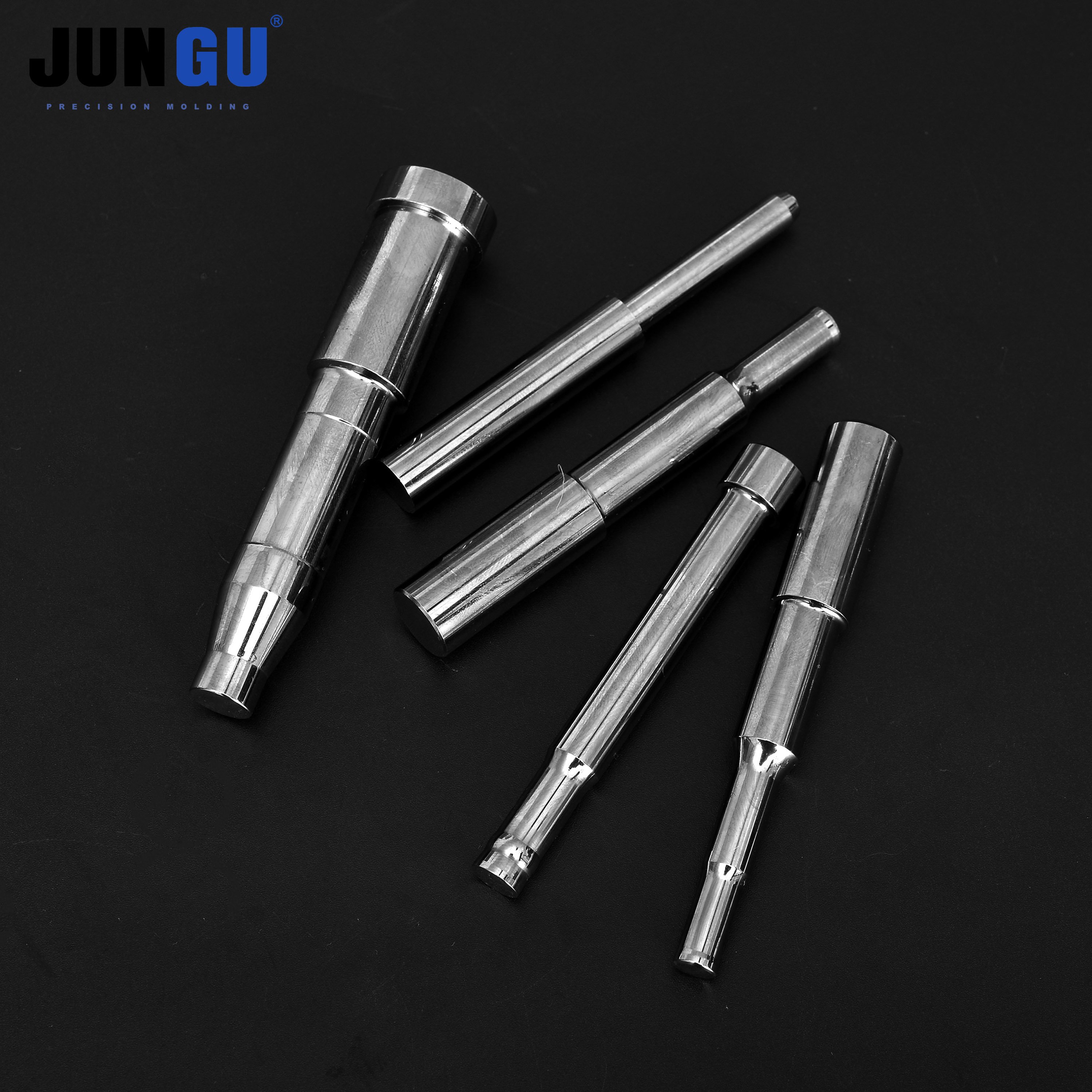
Tungsten vs tungsten carbide — key differences in properties, hardness, and industrial applications. A practical selection guide for punches, dies, and tooling.
Read More