Can Tungsten Carbide Get Wet? Water Resistance and Industrial Applications
Tungsten carbide is highly resistant to water — it will not rust, corrode, or degrade from normal moisture exposure. Learn about its performance in wet industrial environments.
Does Water Affect Tungsten Carbide?
Tungsten carbide is highly resistant to water. It will not rust, corrode, or degrade from normal moisture exposure. This makes it suitable for wet environments — whether in industrial cooling systems, marine applications, or everyday wear as jewelry.
The material’s chemical stability comes from its dense atomic structure. Water molecules cannot penetrate or react with the tungsten carbide grains themselves. However, the cobalt binder that holds the carbide grains together can be vulnerable in extreme conditions. Prolonged exposure to acidic or chlorinated water may cause surface discoloration or gradual weakening of the binder over time.
Practical Guidelines
- Normal water exposure (rain, humidity, hand washing) has no effect on tungsten carbide
- Chlorinated pool water and harsh chemical cleaners should be minimized — rinse and dry afterward
- For industrial tools in wet environments, select grades with higher binder corrosion resistance
- Regular cleaning with mild soap and water, followed by thorough drying, is sufficient maintenance
Tungsten Carbide in Industrial Environments
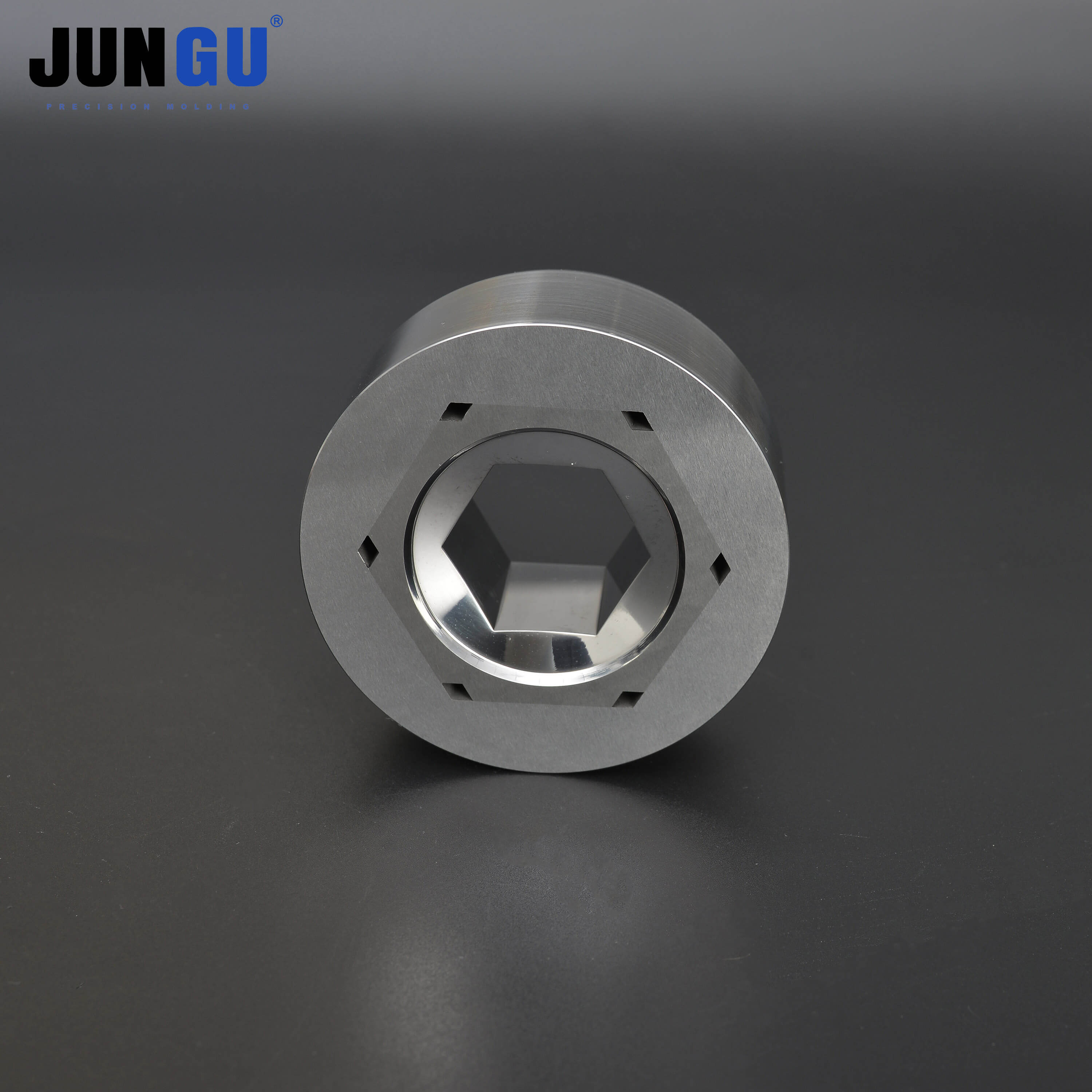
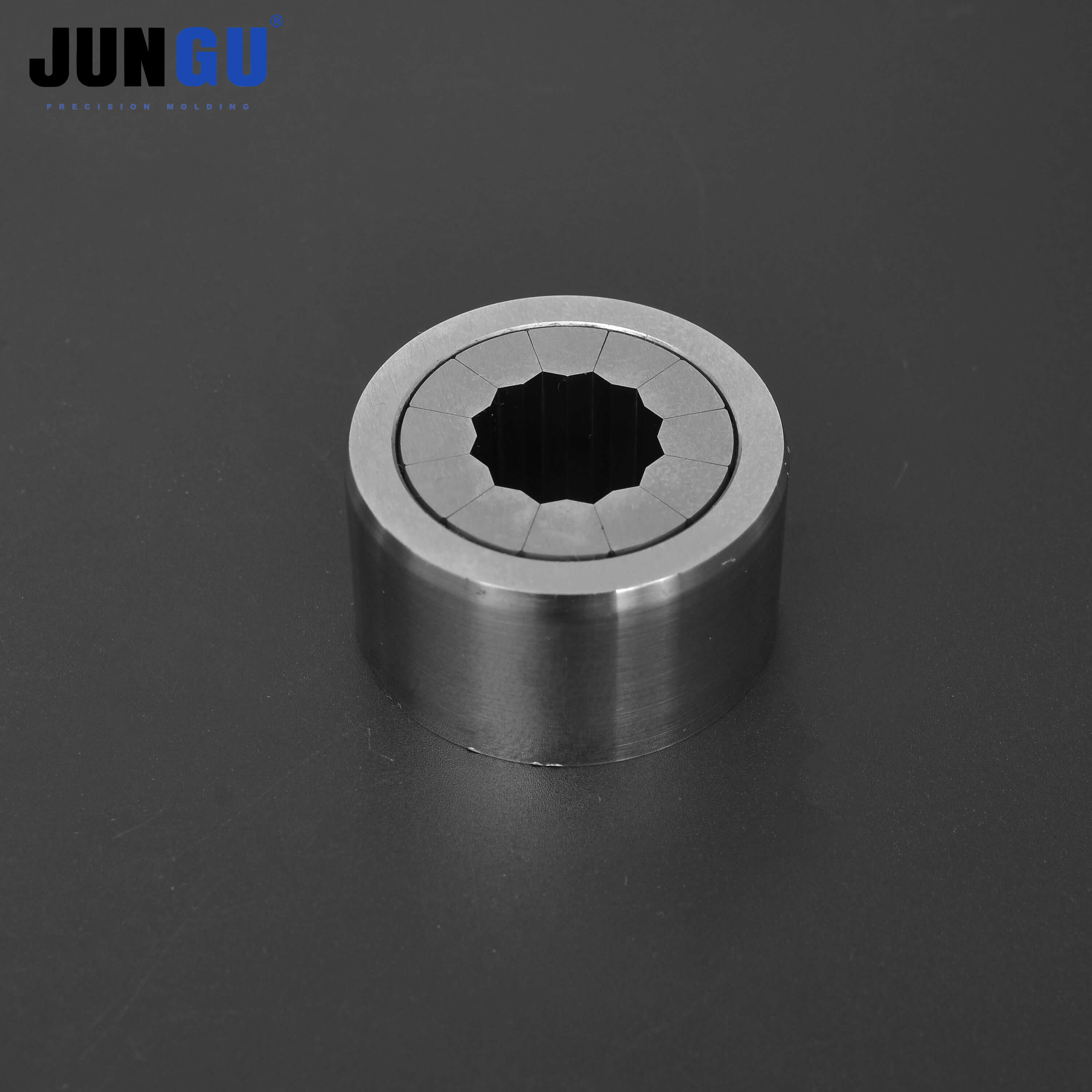
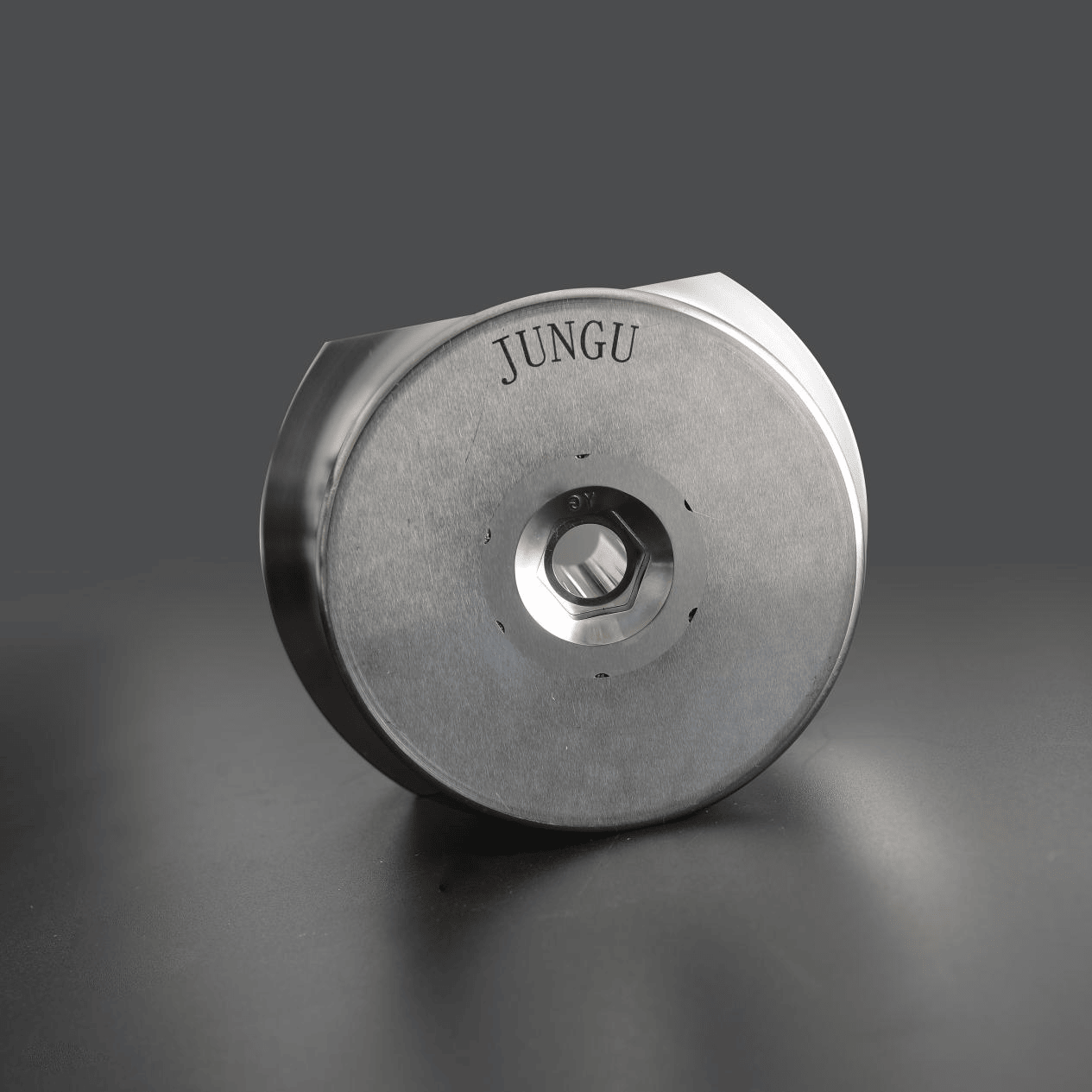
Cutting tools and dies made from tungsten carbide perform reliably in wet machining operations where coolant is present. The material maintains its hardness and edge sharpness regardless of moisture. In mining and drilling, tungsten carbide drill bits and wear plates encounter water, mud, and slurry without degradation.
High-temperature performance is another advantage. Tungsten carbide retains hardness up to approximately 1,000°C (1,832°F), which means it performs well in high-speed machining where friction generates intense heat alongside coolant exposure.
Tungsten Carbide Jewelry and Water
Tungsten carbide rings have grown popular partly because they withstand daily exposure to water without tarnishing or losing their finish. Unlike silver, which tarnishes, or gold, which can scratch, tungsten carbide rings emerge from hand washing, rain, or even showering unchanged.
The only caution involves the cobalt binder — prolonged immersion in chlorinated pools or salt water may eventually affect it. Rinsing and drying the ring after such exposure is good practice.
Recycling and Environmental Impact
Tungsten carbide scrap retains significant value. Recycling recovers both tungsten and cobalt through chemical or thermal processes, consuming about 70% less energy than mining and refining virgin material. Scrap carbide typically sells for $5–$10 per pound. Many manufacturers now operate closed-loop recycling programs.