Tungsten Carbide Pros & Cons: The Hype & What You Need to Know
Tungsten carbide offers exceptional hardness and wear resistance but comes with trade-offs. A practical guide to its pros, cons, and industrial applications.
What Is Tungsten Carbide?
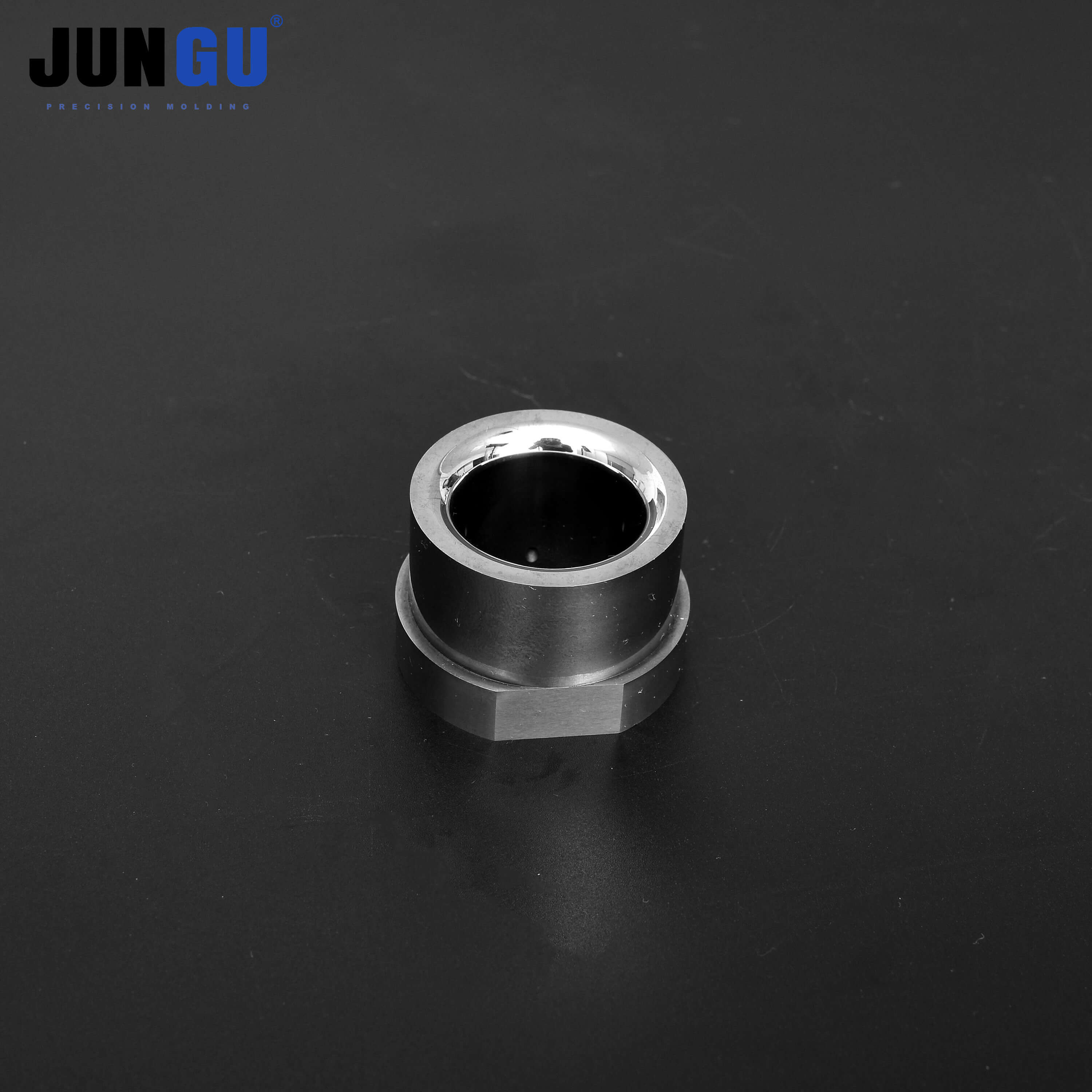
Tungsten carbide is a composite material made from tungsten and carbon atoms, typically containing 80–90% tungsten carbide particles bonded with a metal binder such as cobalt. It’s produced through powder metallurgy — pressing and heating the powdered materials until they fuse into a dense solid. The result ranks just below diamond on the Mohs hardness scale.
Smaller grain sizes produce harder but more brittle material, while larger grains improve toughness. This means manufacturers can tailor the material’s properties to match specific applications by adjusting grain size and binder content.
Common Applications
Tungsten carbide appears across a wide range of industries:
- Cutting tools — machine tools, saw blades, drill bits, end mills that keep sharp edges longer than steel
- Industrial machinery — nozzles, bearings, wear plates for high-wear environments
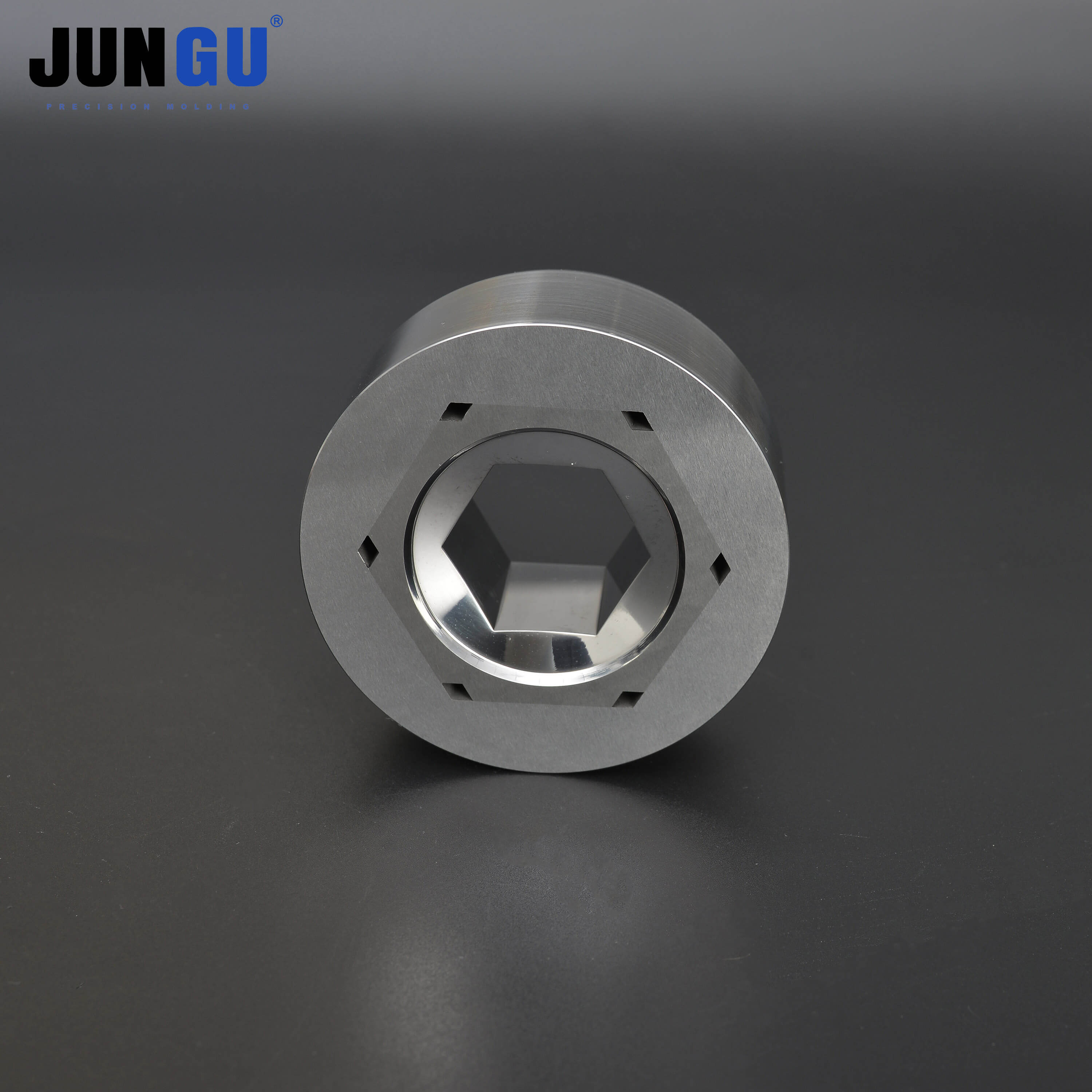
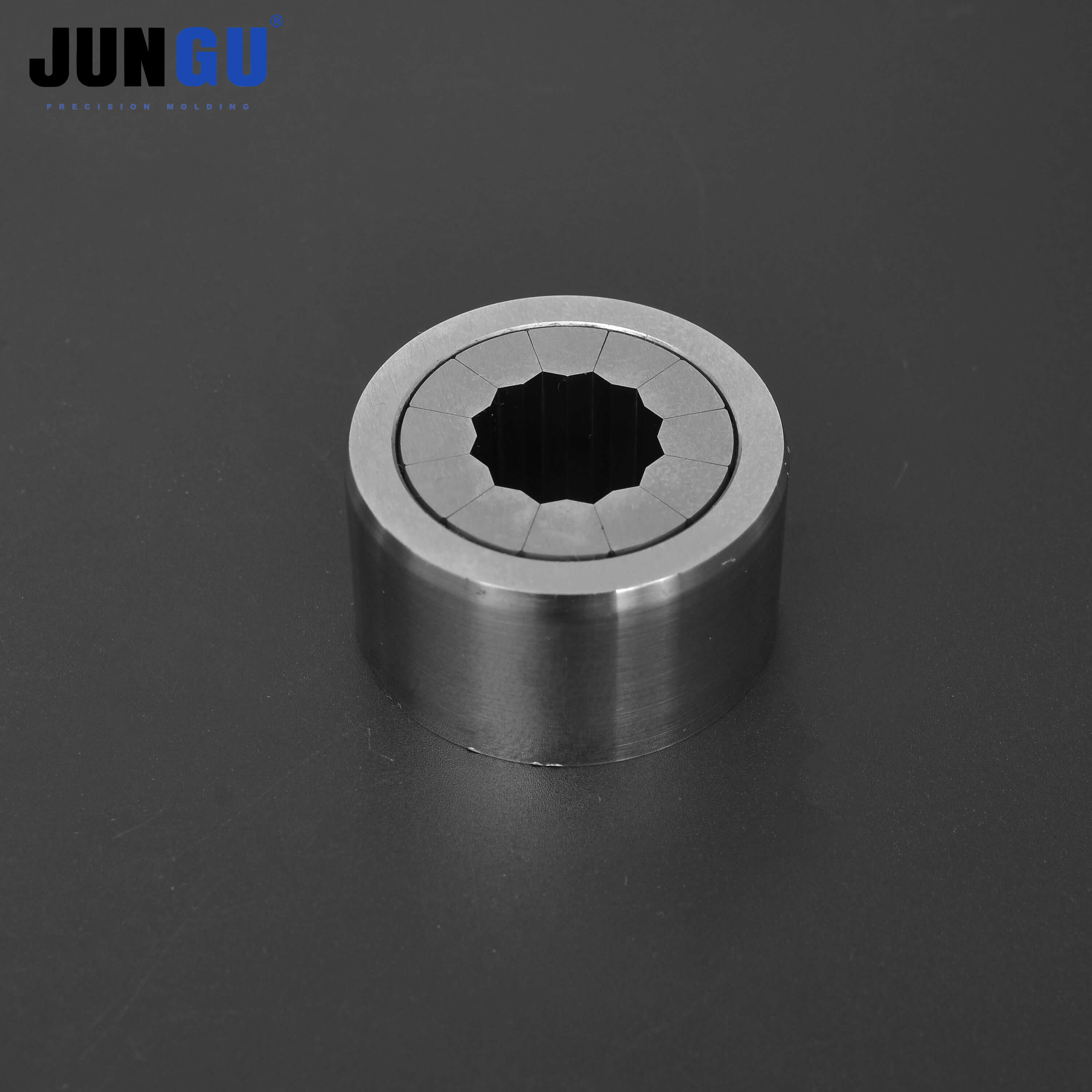
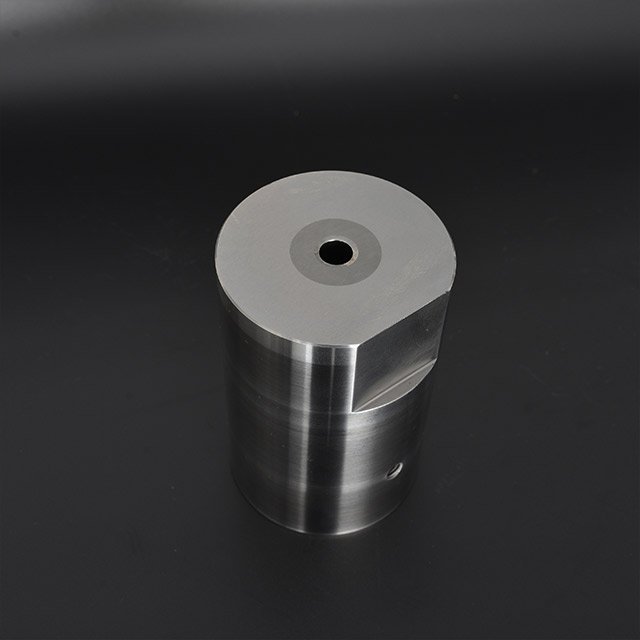
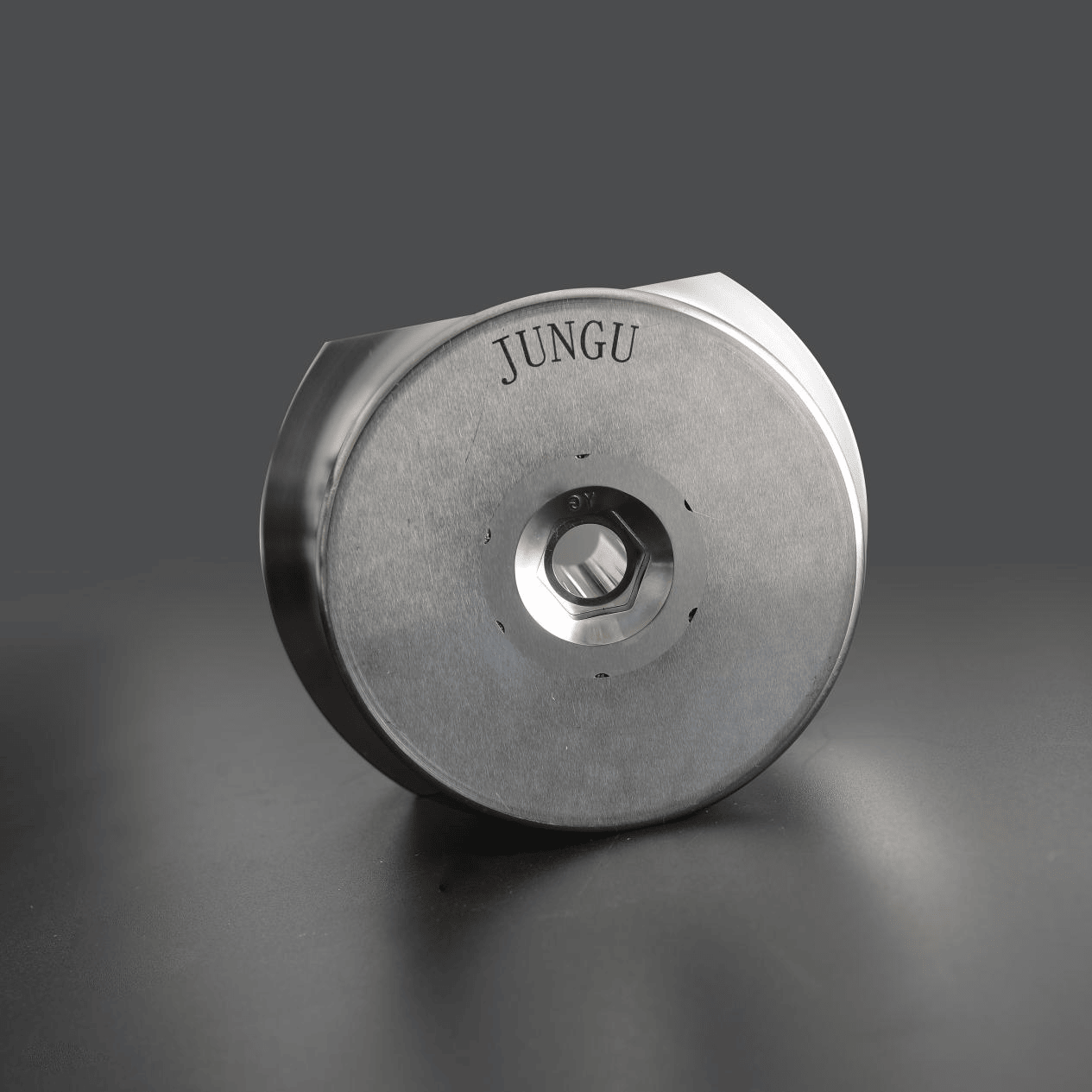
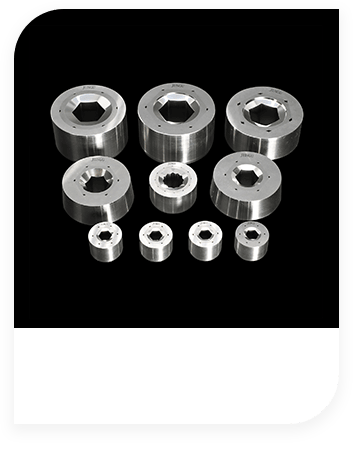
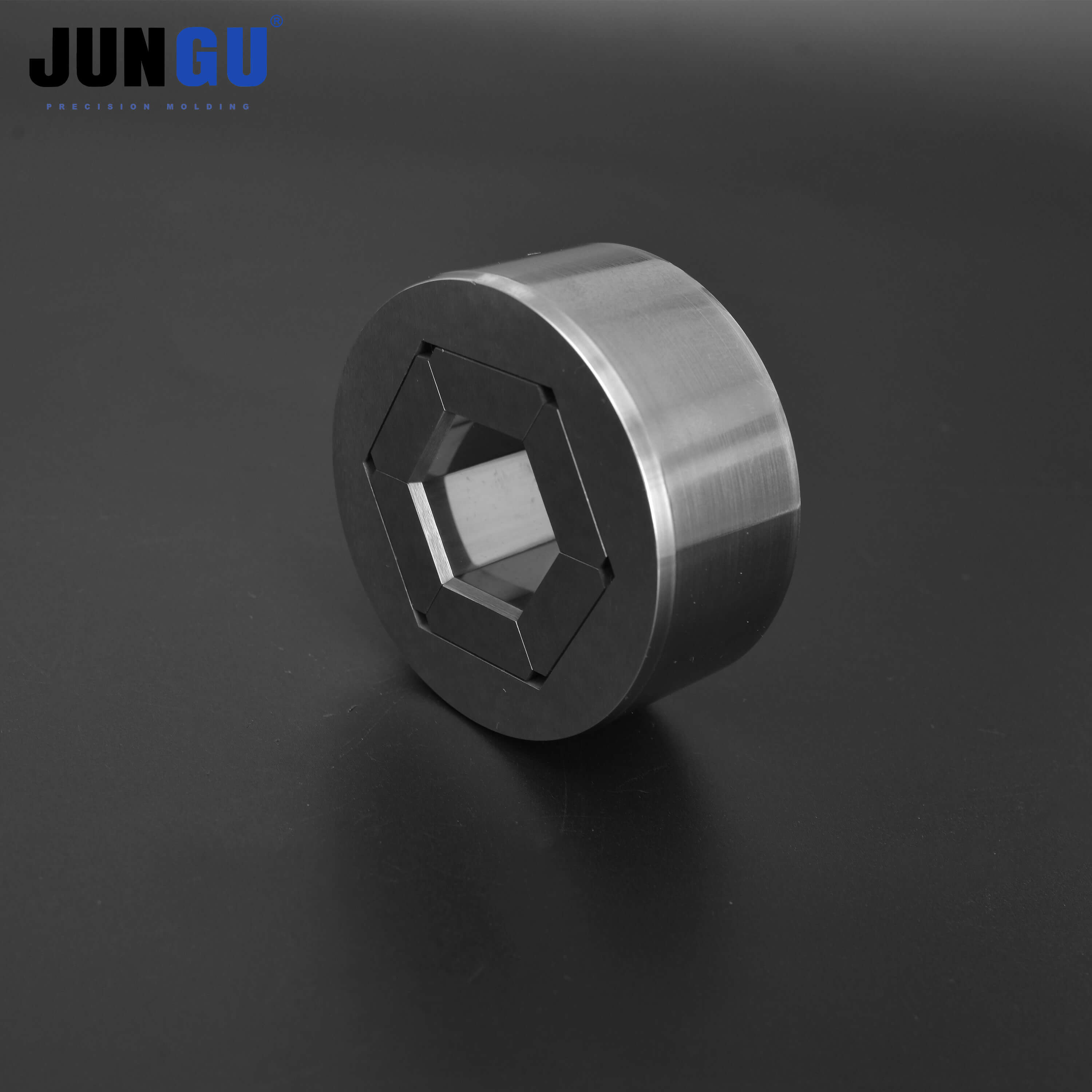
- Dies and tooling — stamping, drawing, extrusion dies for high-volume production
- Mining and drilling — drill bits and excavation tools that withstand abrasive rock
- Jewelry — rings prized for scratch resistance and lasting shine
- Medical instruments — surgical tools requiring precision and durability
The Pros
Exceptional Hardness and Durability
Tungsten carbide resists dents and deformation better than almost any other metal. Tools and components hold their shape under heavy use, reducing replacement frequency and downtime.
Scratch and Wear Resistance
Unlike softer metals, tungsten carbide shows minimal signs of wear over time. Rings, dies, and machine parts maintain their surface finish and dimensional accuracy long after conventional materials would need replacement.
Cost-Effective Compared to Precious Metals
Tungsten carbide costs significantly less than gold, platinum, or palladium. For industrial buyers, the longer service life often justifies the upfront investment compared to steel alternatives. Wedding bands offer a stylish, durable option at a fraction of the cost of traditional precious metals.
Design Flexibility
Modern manufacturing allows various finishes — polished, matte, hammered — and inlays such as wood, carbon fiber, or gemstones for jewelry applications.
The Cons
Brittleness
Hardness comes with a trade-off. Tungsten carbide can crack or shatter under sudden impact. Unlike steel or titanium, which bend or dent, tungsten carbide breaks when stressed beyond its limit. This matters most in applications involving shock loads or impact.
Resizing Limitations
The material’s hardness makes post-production modification nearly impossible. Tungsten carbide rings cannot be resized. Industrial dies are difficult to alter once manufactured. Getting dimensions right the first time is essential.
Machining Difficulty
Working with tungsten carbide requires diamond-coated tools or EDM processes. This increases production costs and lead times compared to machinable materials like steel.
Tungsten Carbide vs. Other Materials
vs. Steel
Tungsten carbide ranks 9–9.5 on the Mohs scale versus steel’s 7–8.5. It stays sharper longer and handles higher temperatures. Steel is tougher and less brittle — it bends under heavy impact rather than shattering. Steel is also easier to machine and less expensive upfront.
vs. Titanium
Titanium is lighter, more flexible, and won’t shatter under impact, but its Mohs hardness of 6 means it scratches and wears much faster than tungsten carbide.
vs. Precious Metals
Gold, platinum, and silver (Mohs 2.5–4) scratch and dent easily but can be resized or repaired. Tungsten carbide offers unmatched scratch resistance at a lower cost but cannot be resized and risks shattering under strong impact.
Common Misconceptions
“Tungsten carbide is indestructible.” It’s extremely hard but not unbreakable. Its hardness comes with brittleness — it can crack or shatter if dropped on a hard surface or struck with enough force.
“Tungsten carbide is pure tungsten.” Pure tungsten carbide exists only as a powder. Solid products are a composite of tungsten carbide particles and a metal binder, typically cobalt or nickel.
“Lower price means lower quality.” Tungsten carbide costs less than precious metals because tungsten is relatively abundant and manufacturing is efficient — not because it’s inferior. For industrial applications, its performance often exceeds far more expensive materials.