What Is Tungsten Carbide Hardness?
Tungsten carbide ranks 9–9.5 Mohs with Vickers hardness of 1,500–2,600 HV. A technical guide to measuring, comparing, and applying tungsten carbide hardness in manufacturing.
What Determines Tungsten Carbide Hardness?
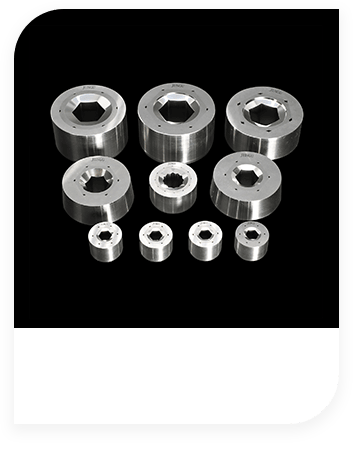
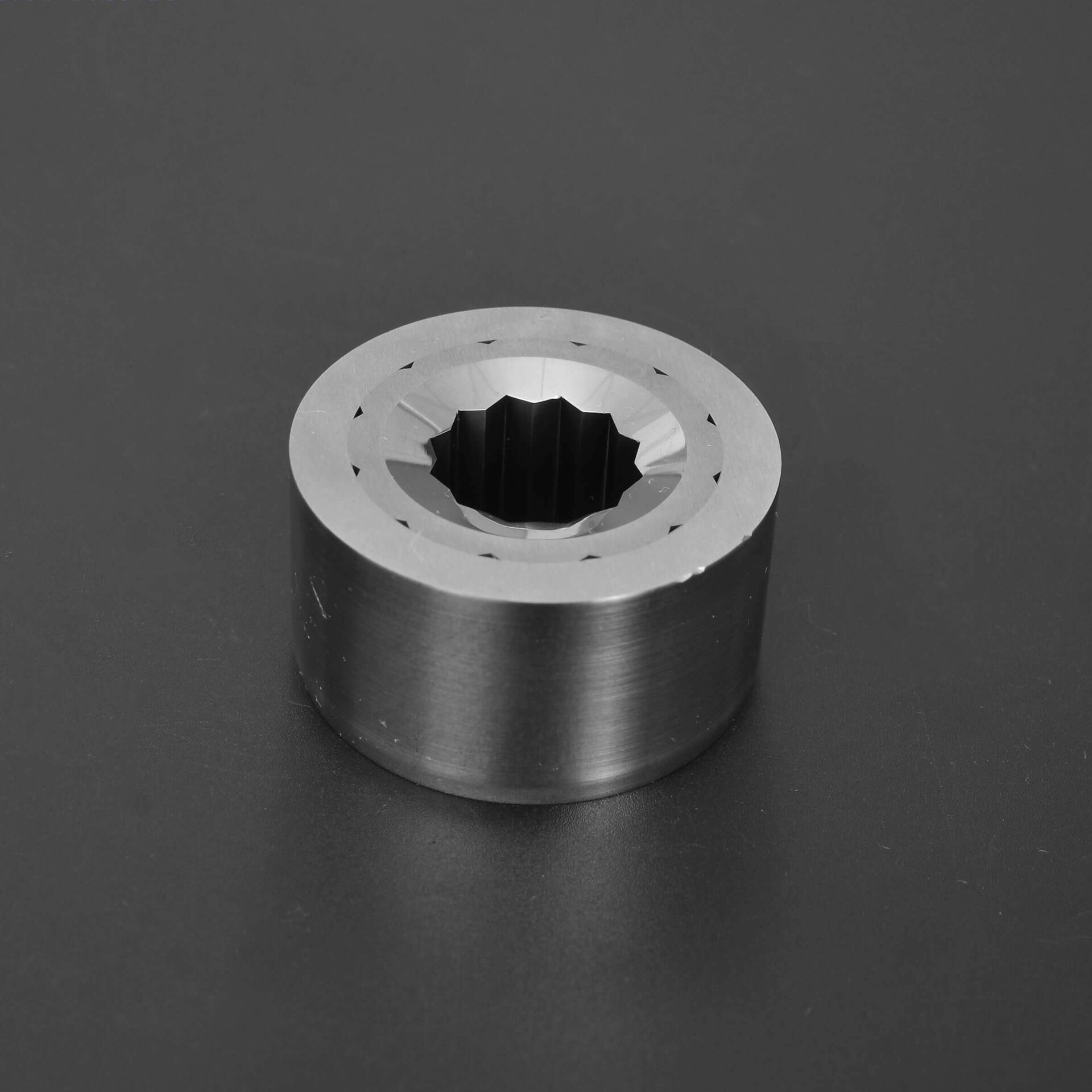
Tungsten carbide ranks 9 to 9.5 on the Mohs scale, just below diamond. Its hardness comes from the dense crystal lattice formed when tungsten and carbon atoms bond in the WC structure. In practice, tungsten carbide products combine these carbide grains with a cobalt binder, which adds toughness at a slight cost to hardness.
Hardness is measured using several scales. On the Vickers test, tungsten carbide typically ranges from 1,500 to 2,600 HV. On the Rockwell A scale, values fall between 88 and 94 HRA. These numbers tell engineers how the material will perform under wear, pressure, and friction.
What Affects Hardness
- Binder content: Lower cobalt (3–6%) increases hardness but reduces toughness. Higher cobalt (10–20%) does the opposite.
- Grain size: Fine grains (0.2–0.8 microns) produce denser, harder material. Coarser grains improve impact resistance.
- Sintering temperature: Higher temperatures around 1,400–1,600°C improve bonding and densification, boosting hardness.
- Post-sintering treatments: Coatings like TiN or diamond-like carbon add a super-hard surface layer.
Hardness Comparison With Other Materials
| Material | Mohs | Vickers (HV) |
|---|---|---|
| Diamond | 10 | ~10,000 |
| Tungsten Carbide | 9–9.5 | 1,500–2,600 |
| Alumina Ceramic | 9 | ~2,000 |
| Hardened Steel | 7–8.5 | 600–900 |
| Titanium Carbide | 9–9.5 | ~3,200 |
Diamond is the hardest known material but is expensive and brittle. Tungsten carbide offers the best balance of hardness and toughness for most industrial applications. Hardened steel is tougher and cheaper but wears significantly faster in abrasive environments.
Why Hardness Matters in Manufacturing
For cutting tools, hardness means maintaining a sharp edge under continuous use. Tungsten carbide drill bits, end mills, and inserts keep cutting longer than high-speed steel equivalents, reducing tool change downtime.
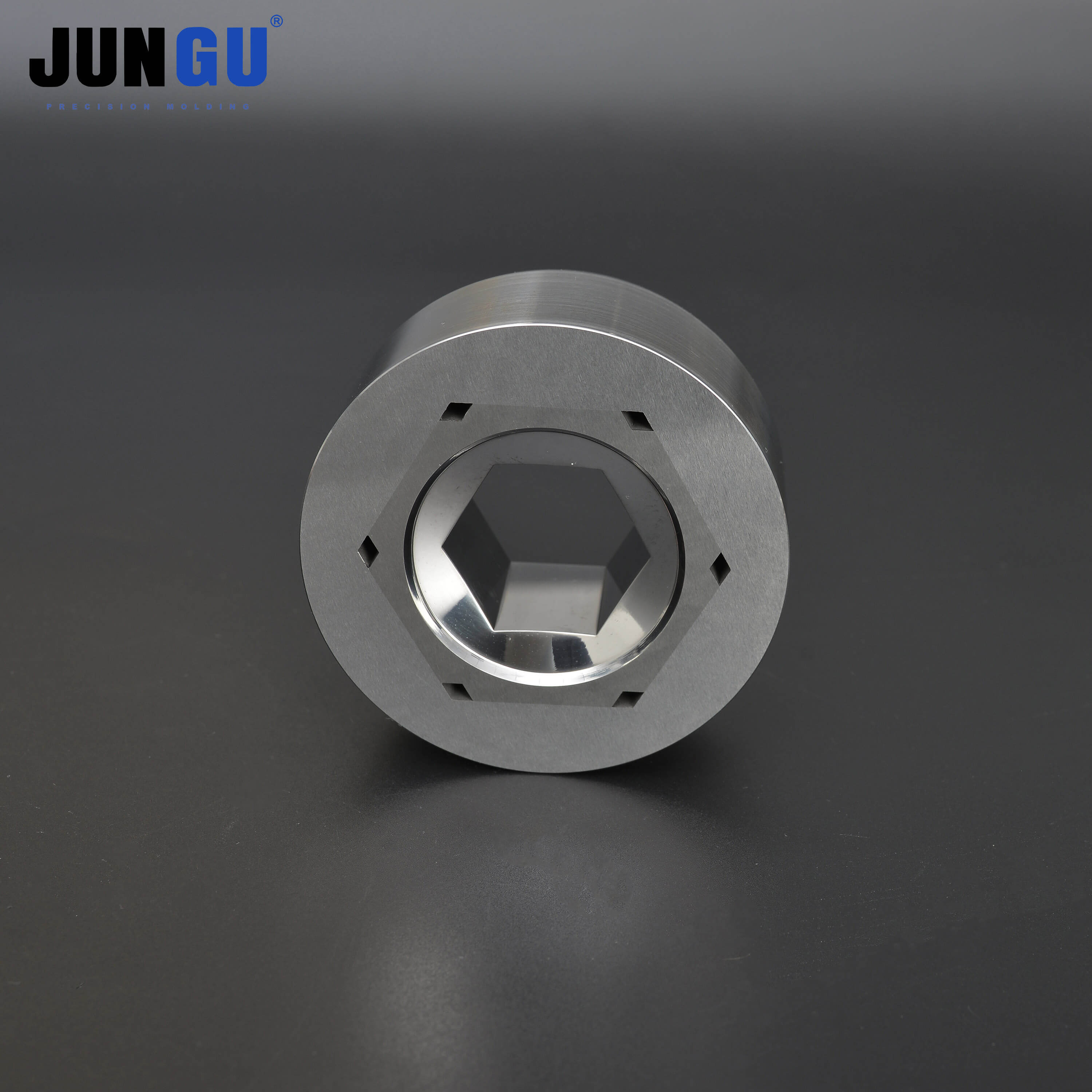
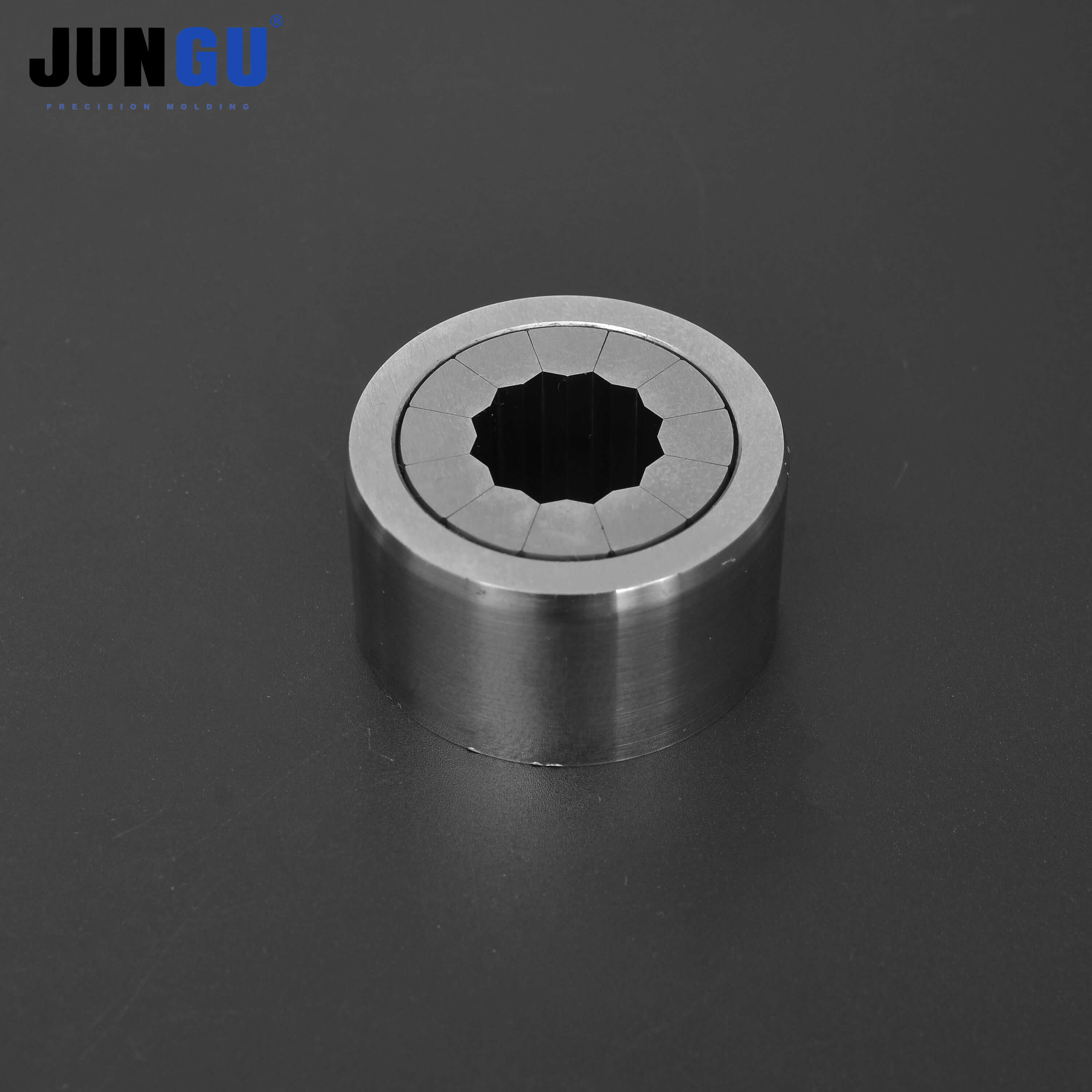
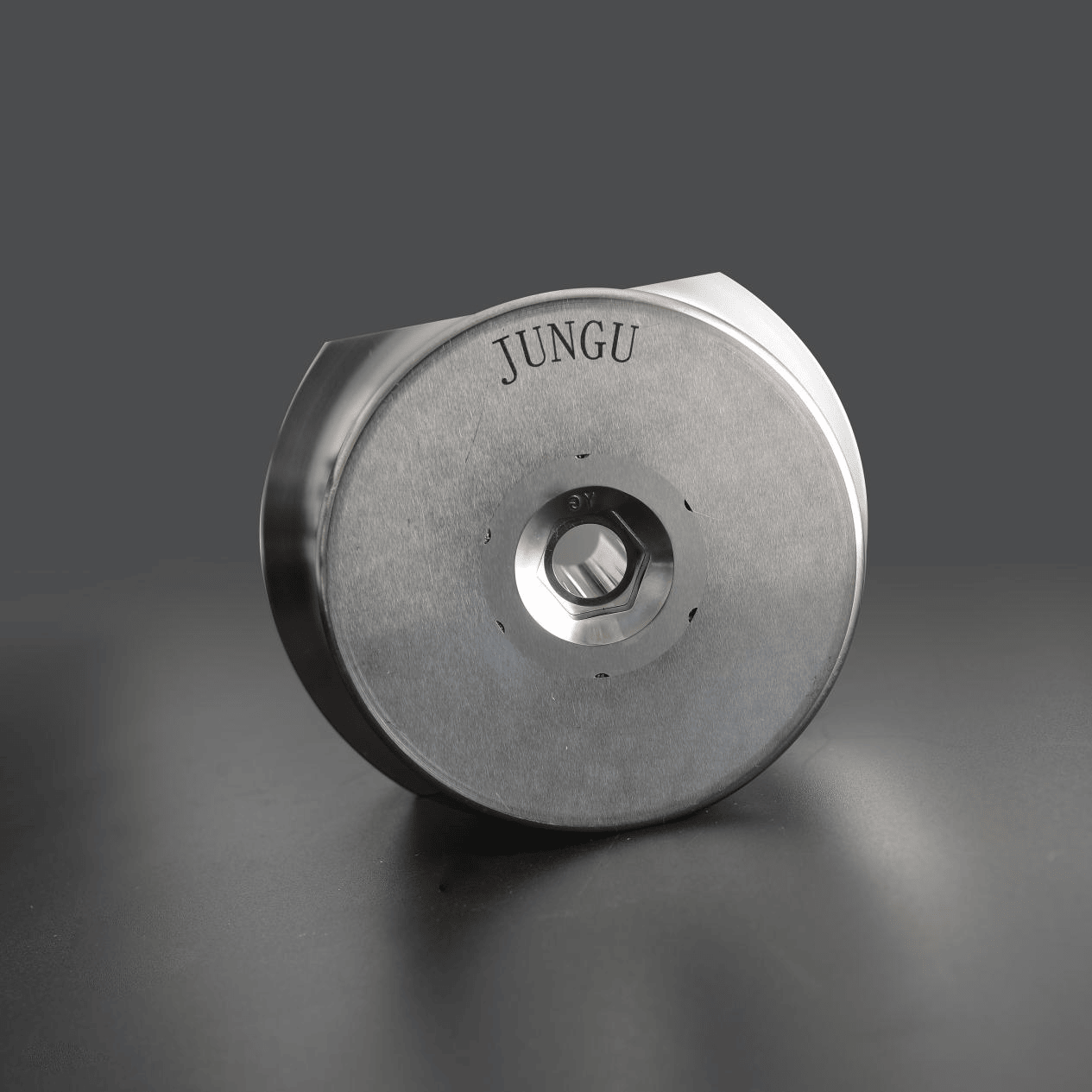
For dies and tooling, hardness translates to dimensional stability. A tungsten carbide die holds its shape through millions of cycles, producing consistent parts without the gradual wear that would cause steel dies to drift out of tolerance.
For mining and drilling, tungsten carbide bits resist the extreme abrasion of rock and soil, extending service life and reducing replacement costs in remote or harsh environments.
Tungsten Carbide vs Diamond vs Other Hard Materials
Diamond (Mohs 10, Vickers ~10,000) is the hardest material known but it is brittle and expensive. Tungsten carbide is less hard but significantly tougher and more affordable, making it the practical choice for most industrial applications.
Alumina ceramic (Mohs 9) is also very hard but brittle — it can crack under impact where tungsten carbide would survive. Tool steels (Mohs 7–8.5) are tougher and cheaper but wear faster, which means more frequent replacements and downtime.
Titanium carbide matches tungsten carbide on the Mohs scale but is harder on the Vickers test (~3,200 HV). It’s less tough, however, limiting its use to applications where extreme hardness is needed and brittleness can be managed.