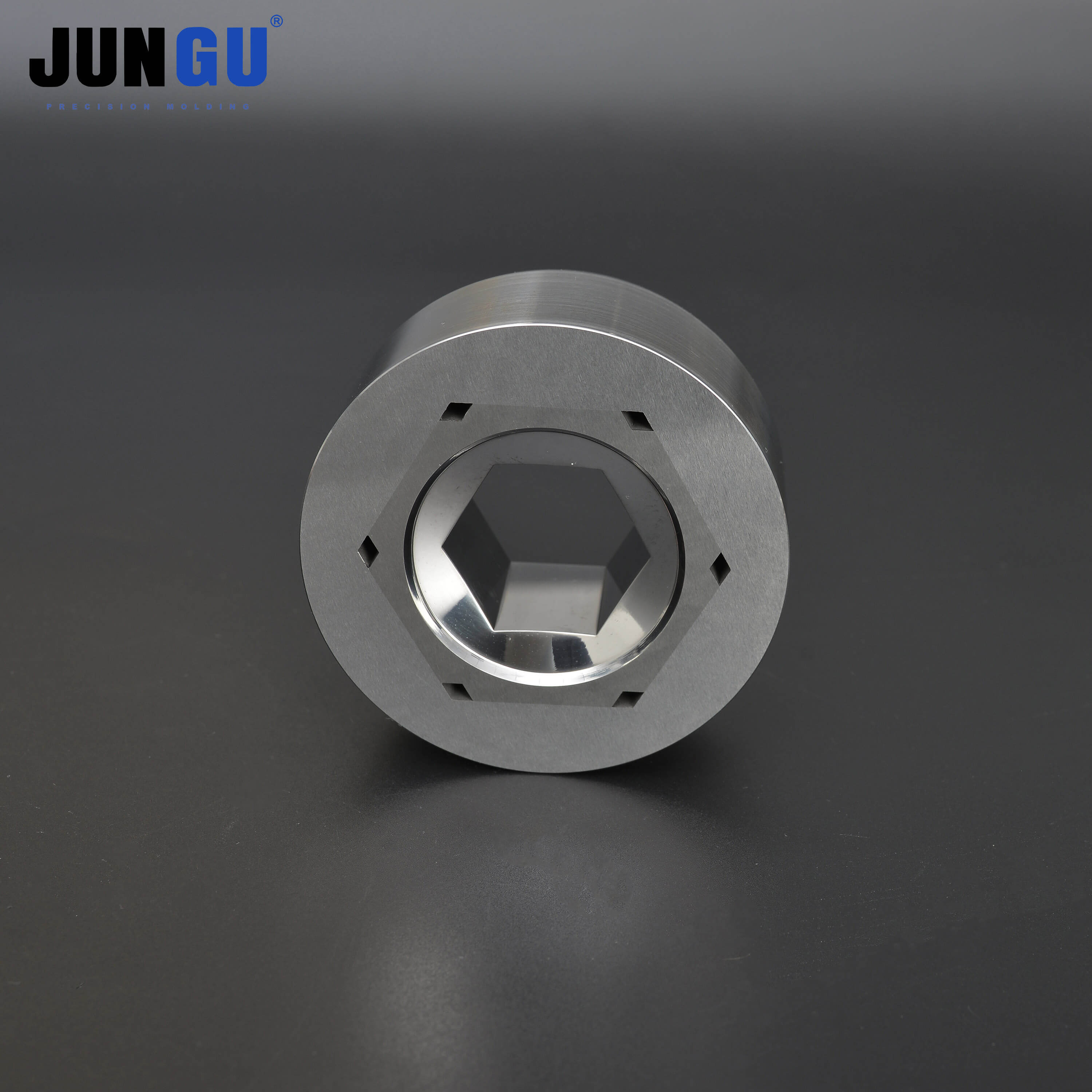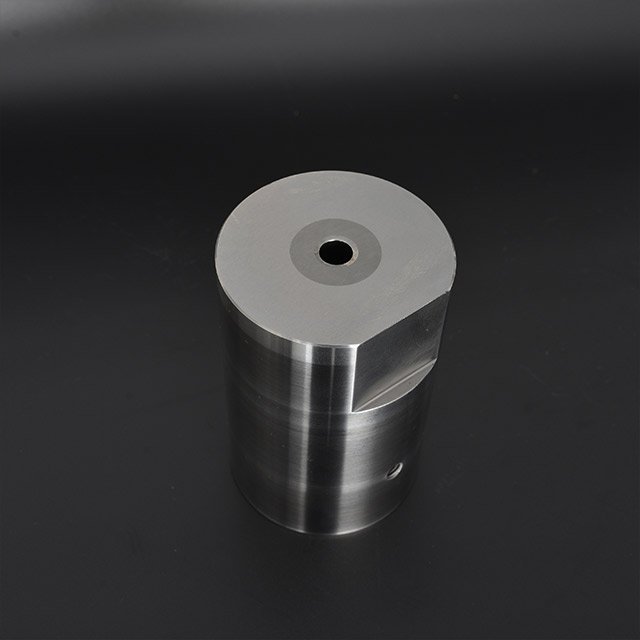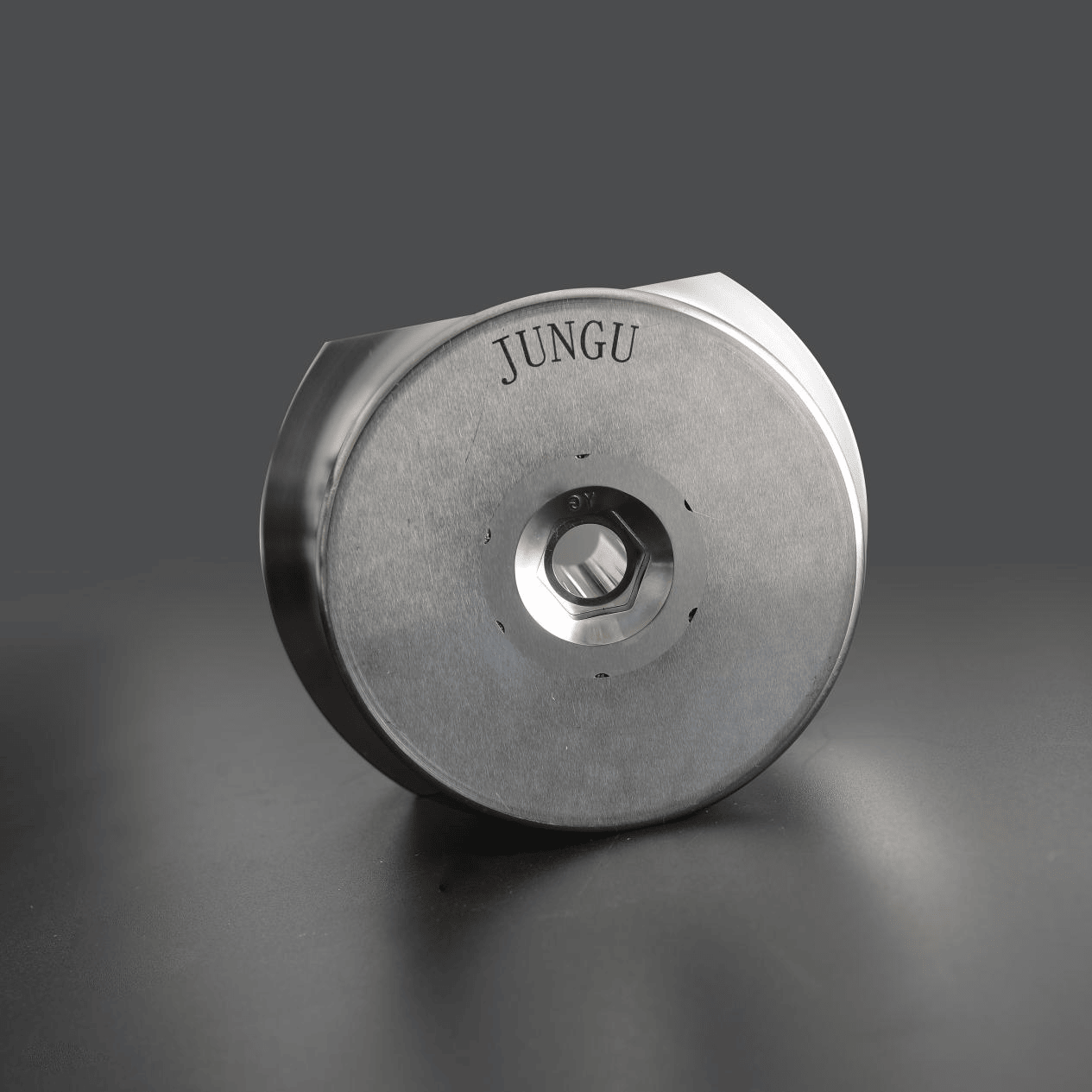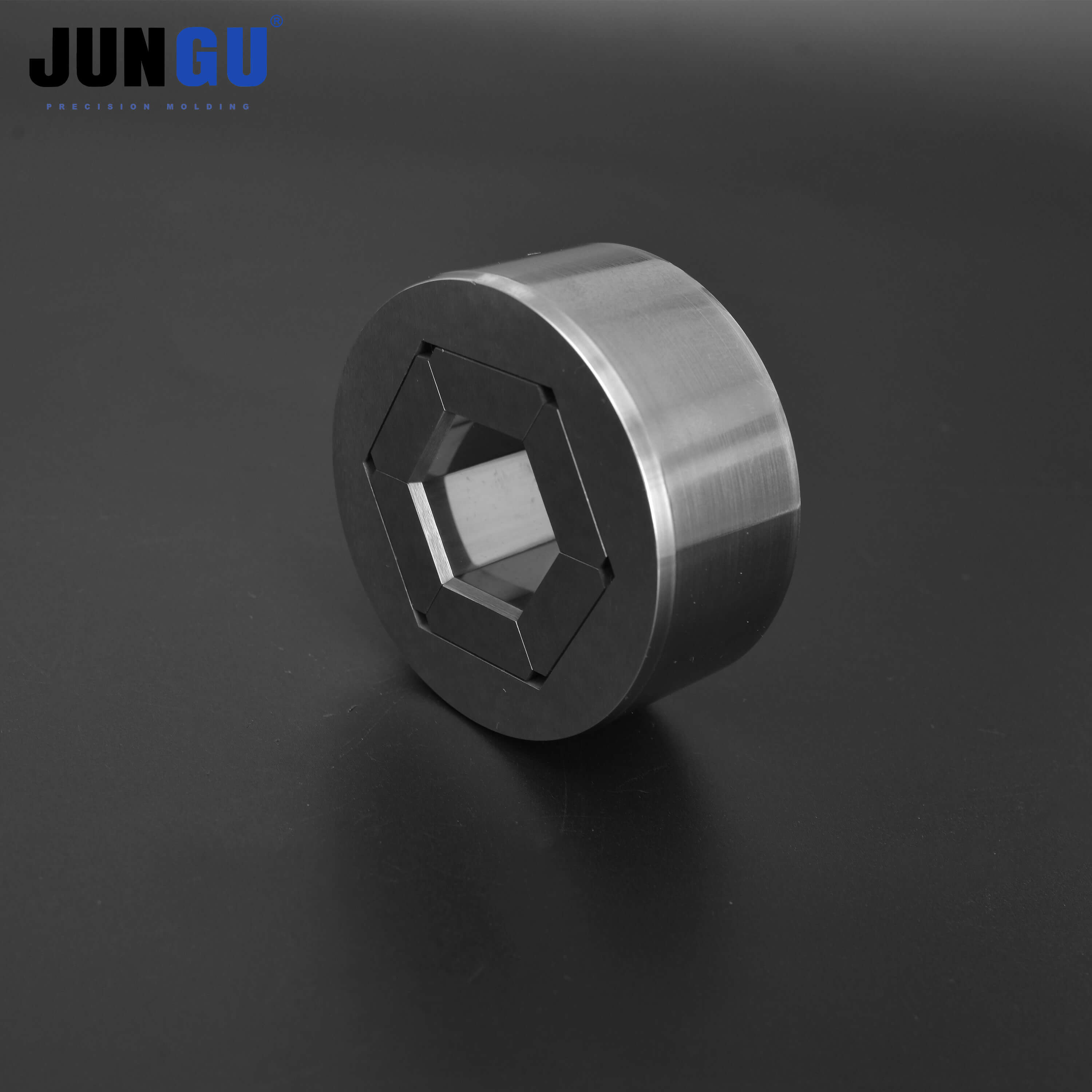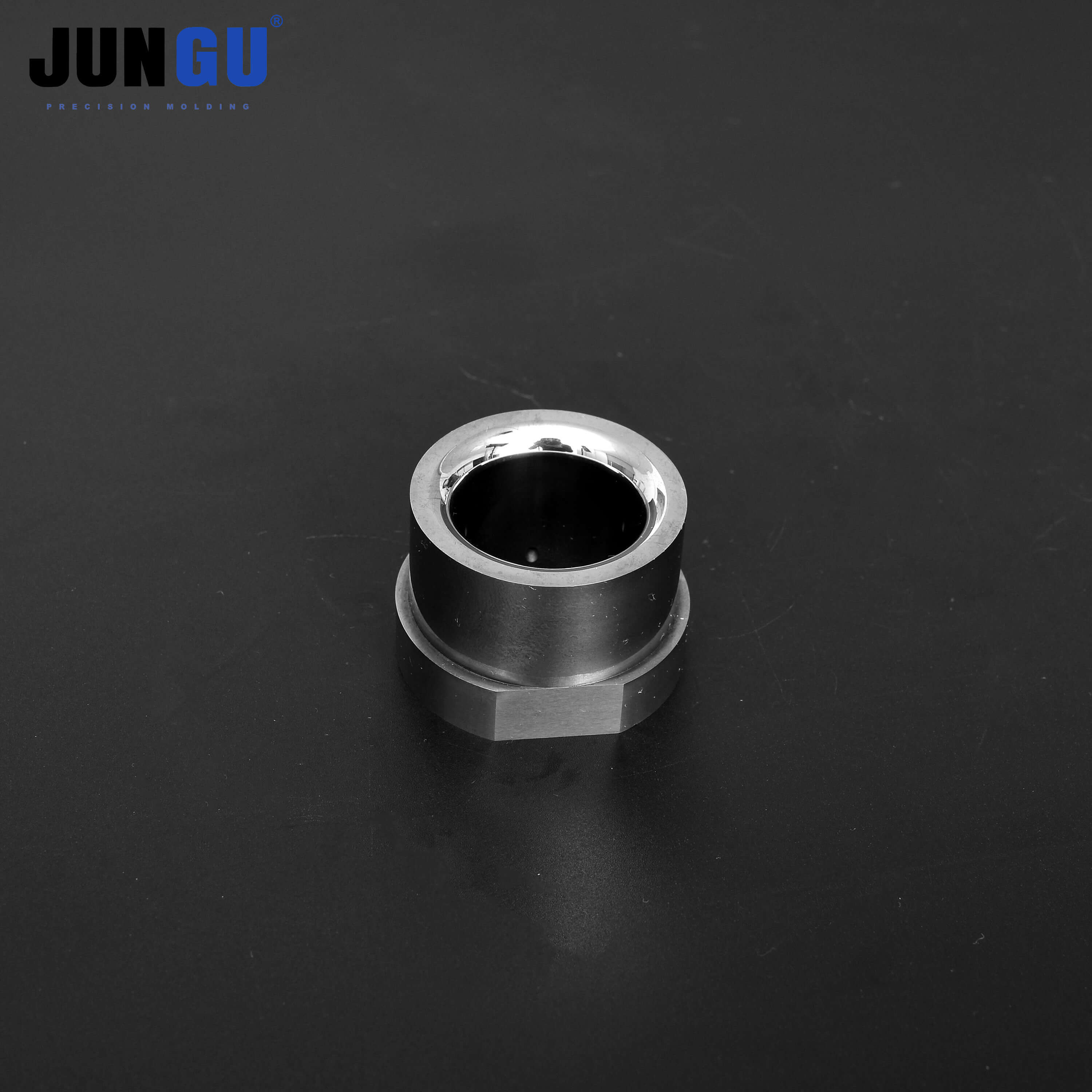
When Using Carbide Dies Makes a Real Difference
Carbide dies make the biggest difference when the application requires high wear resistance, stable dimensions, long production runs, and strict surface quality.
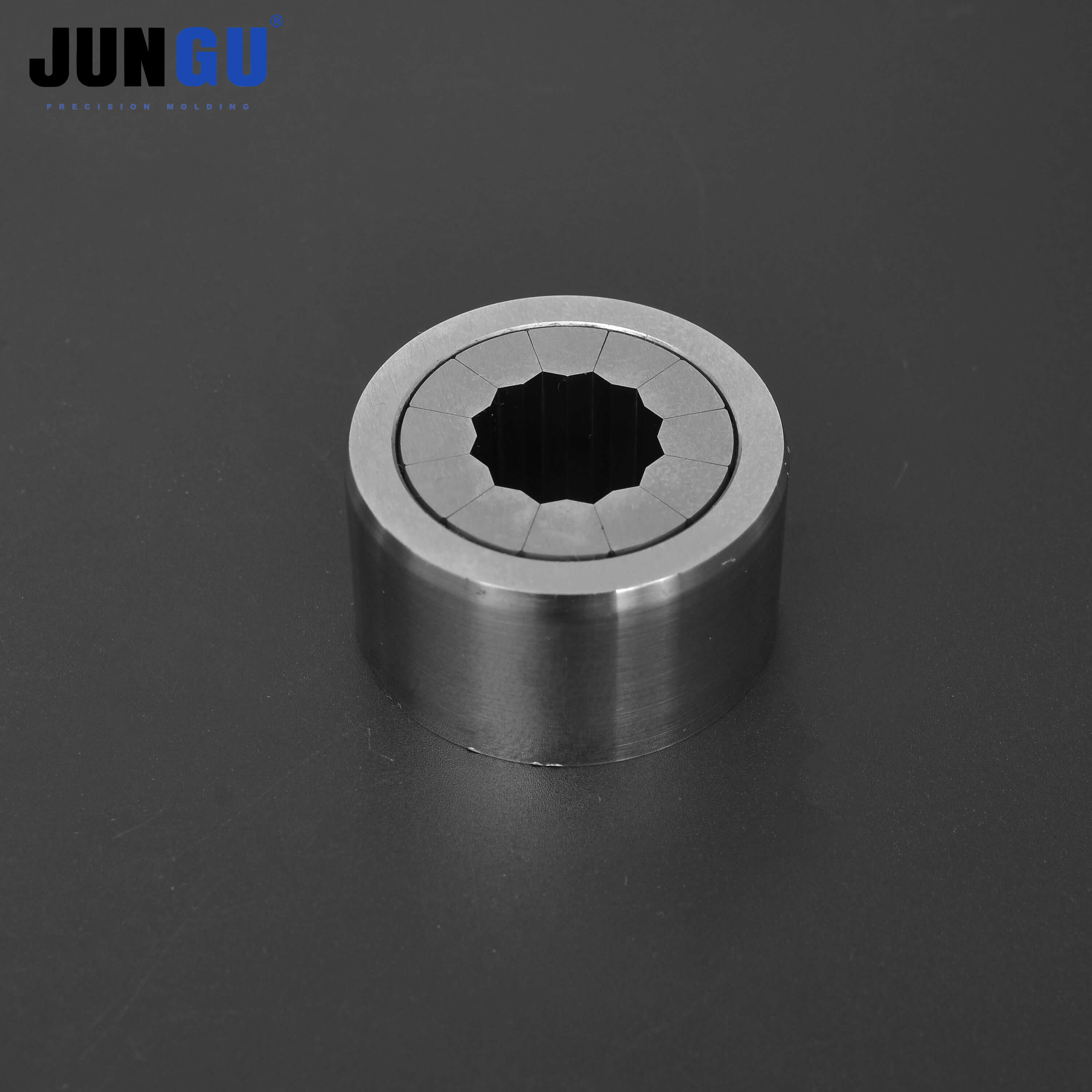
Carbide dies make the biggest difference when the application requires high wear resistance, stable dimensions, long production runs, and strict surface quality.
What this article helps buyers decide
This article helps buyers decide when carbide die investment is justified and when a steel die or lower-cost route may still be acceptable.
Manufacturing and inspection points
- Confirm part volume, tolerance tightness, material hardness, surface requirements, and historical wear problems.
- Review carbide grade, shrink fit, casing design, polishing, and crack prevention details.
- Track mould life, part defects, downtime, and dimensional drift to judge the real production value.
Information to confirm before quotation
- 2D drawing and 3D model if available.
- Material grade, target hardness, coating, and surface finish requirements.
- Critical tolerance notes, application industry, annual demand, and expected delivery schedule.
How Jungu supports this requirement
Jungu supports carbide die selection, machining, polishing, and inspection so buyers can align mould cost with production risk and required mould life.
Need mould support for this topic?
Send drawings, material requirements, tolerance targets, surface requirements, annual demand, and application details. Jungu can review manufacturability and reply with a practical mould solution.