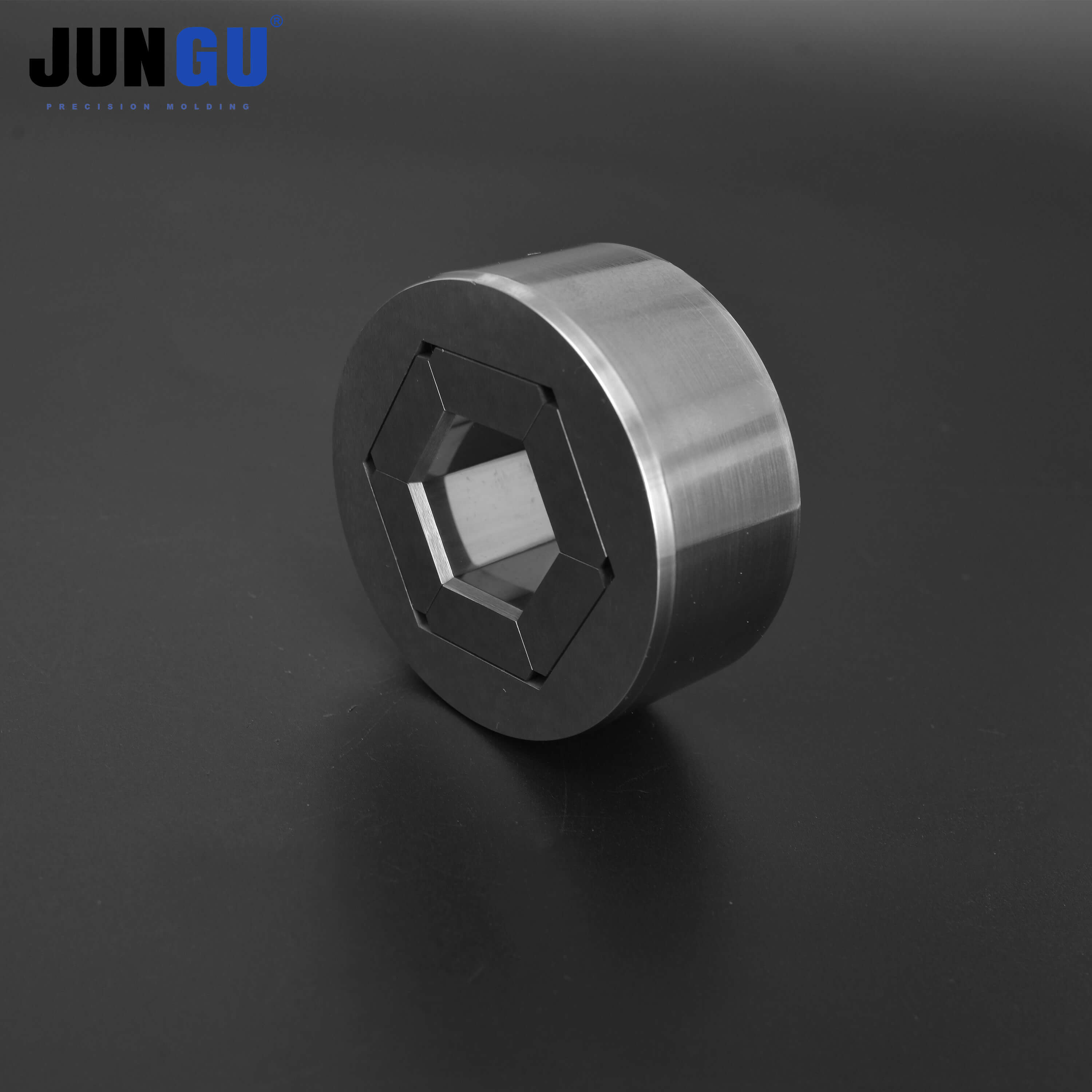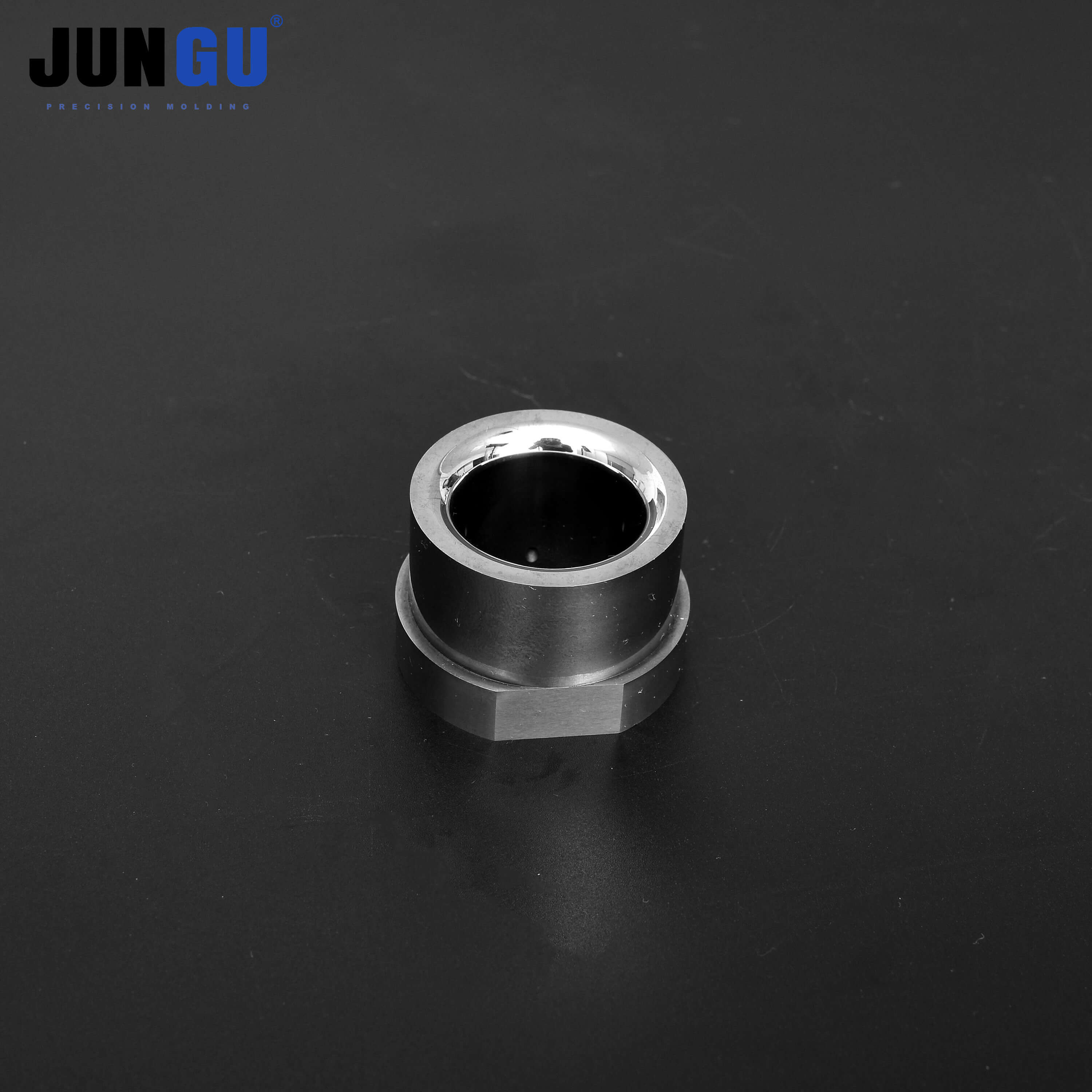
Tungsten Carbide Dies vs Steel Dies: Comparison Guide
Choosing between tungsten carbide dies and steel dies affects mould life, wear resistance, cost, delivery planning, and part consistency in industrial fastener production.
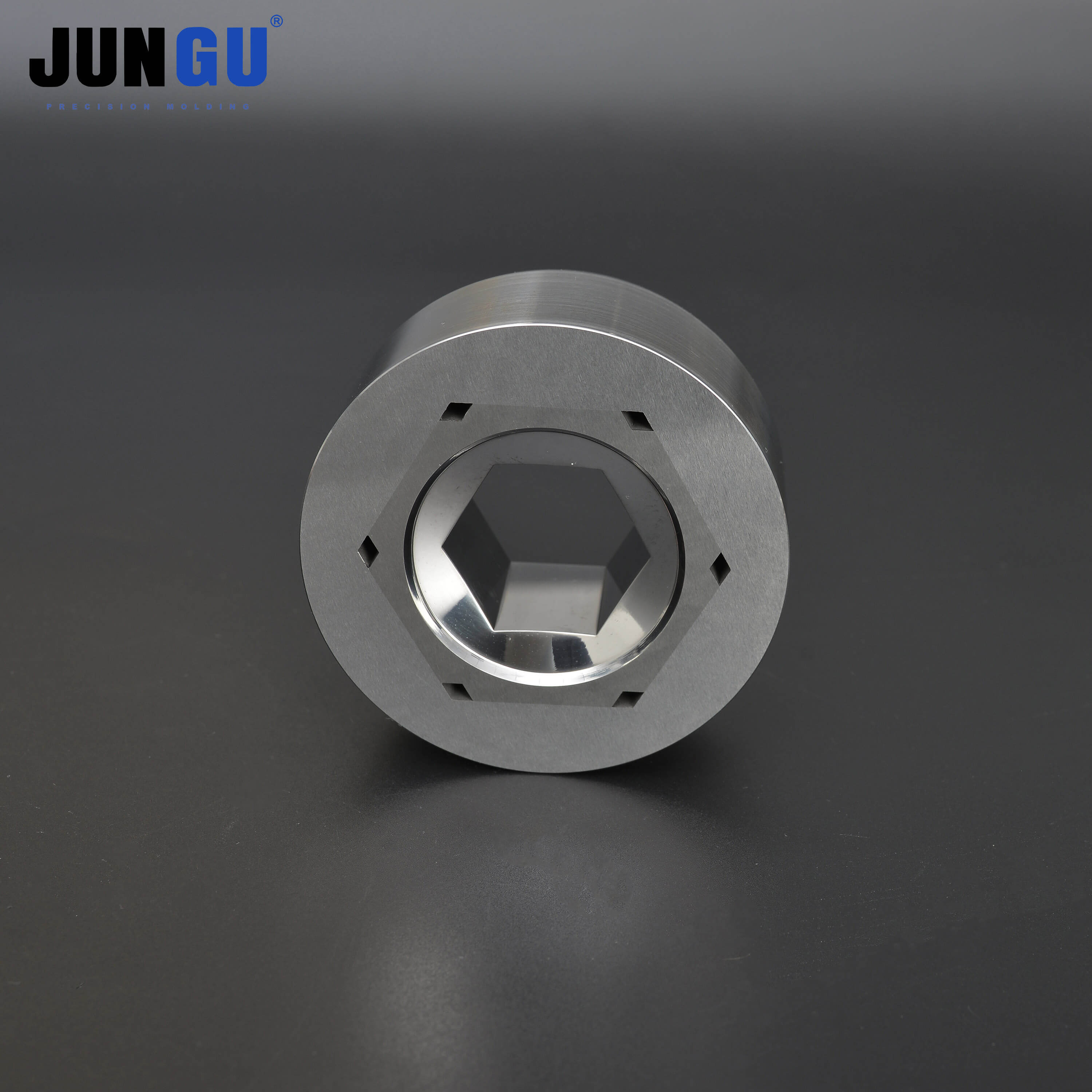
Choosing between tungsten carbide dies and steel dies affects mould life, wear resistance, cost, delivery planning, and part consistency in industrial fastener production.
What this article helps buyers decide
This comparison helps buyers evaluate whether higher initial carbide die cost is justified by longer life, better dimensional stability, and reduced downtime.
Manufacturing and inspection points
- Compare production volume, material abrasiveness, tolerance stability, expected tool life, and maintenance cost.
- Check die geometry, carbide grade, steel holder design, polishing, and fit between insert and casing.
- Inspect wear pattern, cracking risk, dimensional drift, and surface finish during production feedback.
Information to confirm before quotation
- 2D drawing and 3D model if available.
- Material grade, target hardness, coating, and surface finish requirements.
- Critical tolerance notes, application industry, annual demand, and expected delivery schedule.
How Jungu supports this requirement
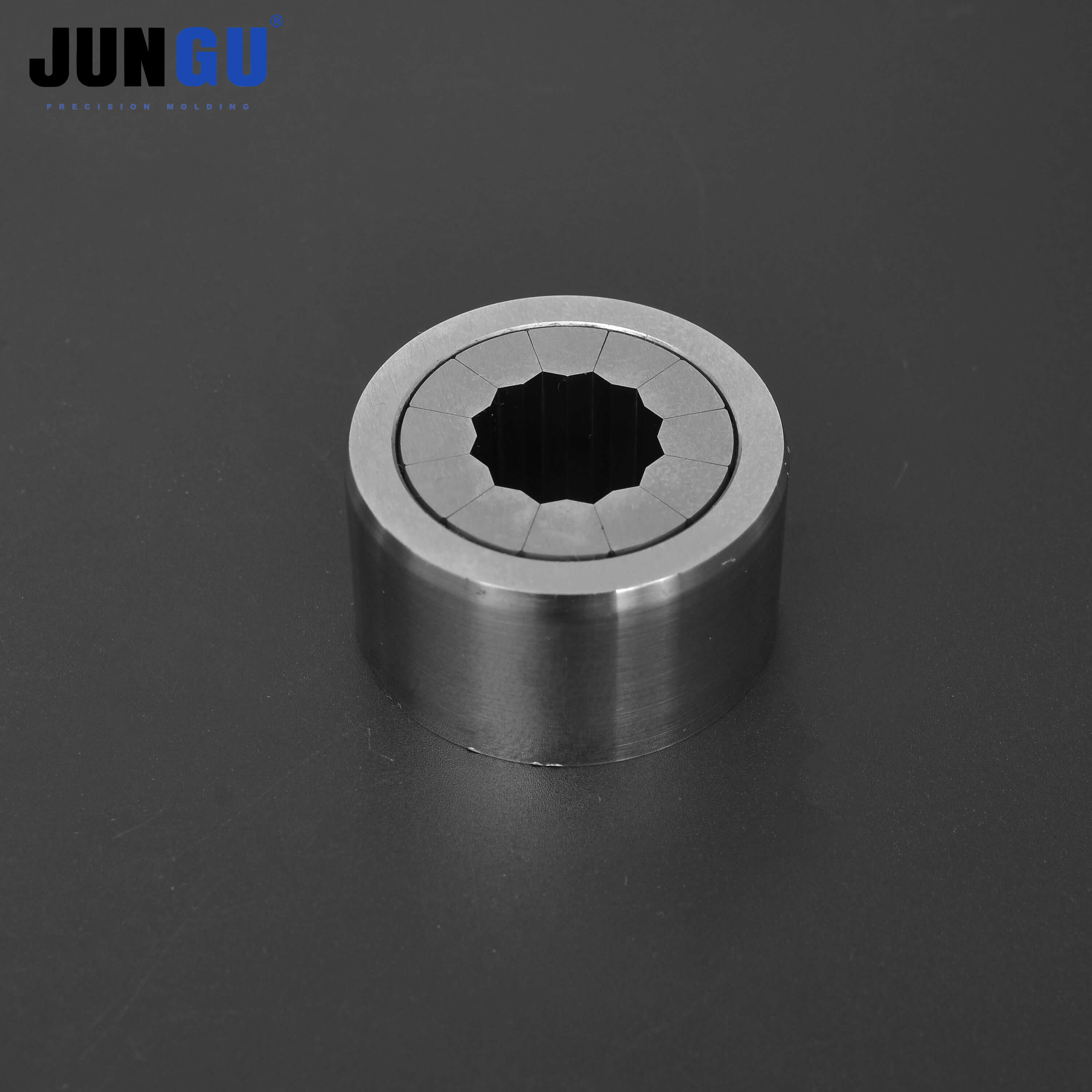
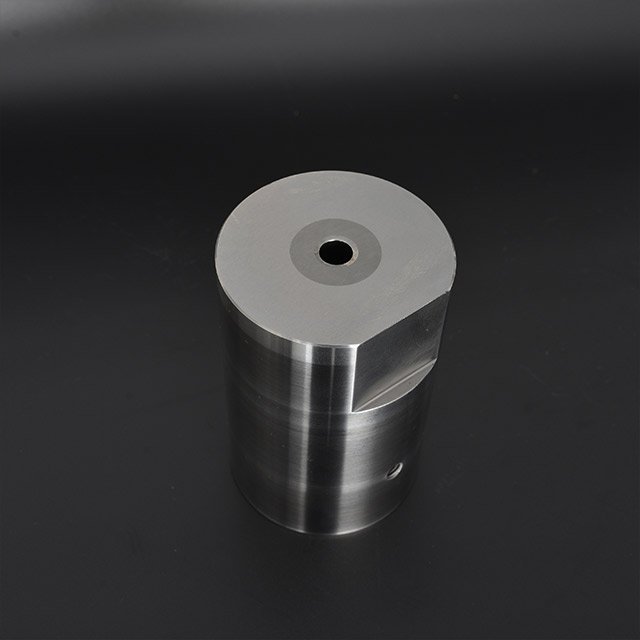
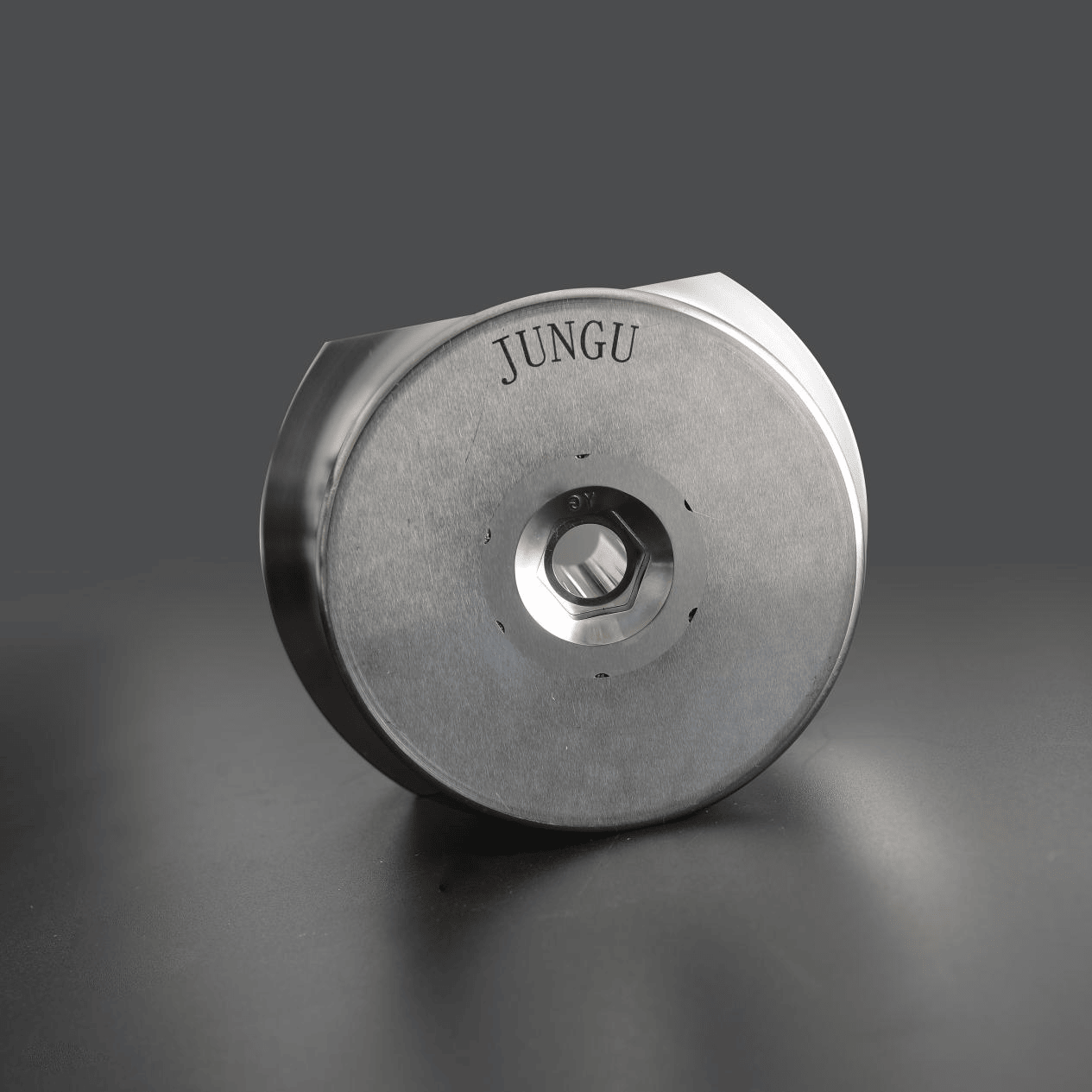
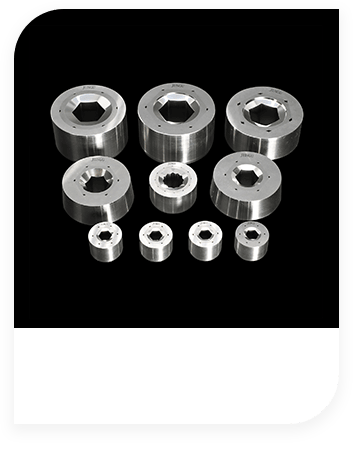
Jungu manufactures carbide dies, steel-supported die assemblies, and custom mould parts for buyers who need a practical balance between performance, cost, and delivery.
Need mould support for this topic?
Send drawings, material requirements, tolerance targets, surface requirements, annual demand, and application details. Jungu can review manufacturability and reply with a practical mould solution.