Comparing Tungsten vs Tungsten Carbide: Properties, Uses and Selection Tips
Tungsten vs tungsten carbide — key differences in properties, hardness, and industrial applications. A practical selection guide for punches, dies, and tooling.
Tungsten vs Tungsten Carbide: Key Differences
Tungsten (W) is a pure metallic element — dense, silver-gray, with the highest melting point of any metal at 3,422°C. Tungsten carbide (WC) is a composite material made by bonding tungsten and carbon atoms, typically with a cobalt binder. The difference in properties is substantial.
Tungsten Properties
- Pure metal, density 19.35 g/cm³
- Vickers hardness: 343–360 HV
- Melting point: 3,422°C (exceptional heat resistance)
- Good corrosion resistance
- Brittle — can break under impact or bending
- Difficult to machine into complex shapes
Tungsten Carbide Properties
- Composite: tungsten + carbon + cobalt binder
- Vickers hardness: 1,700–2,400 HV
- Melting point: 2,870°C
- Extreme wear resistance
- Some brittleness, but better toughness than pure tungsten due to binder
- Requires diamond tooling for machining
Industrial Applications
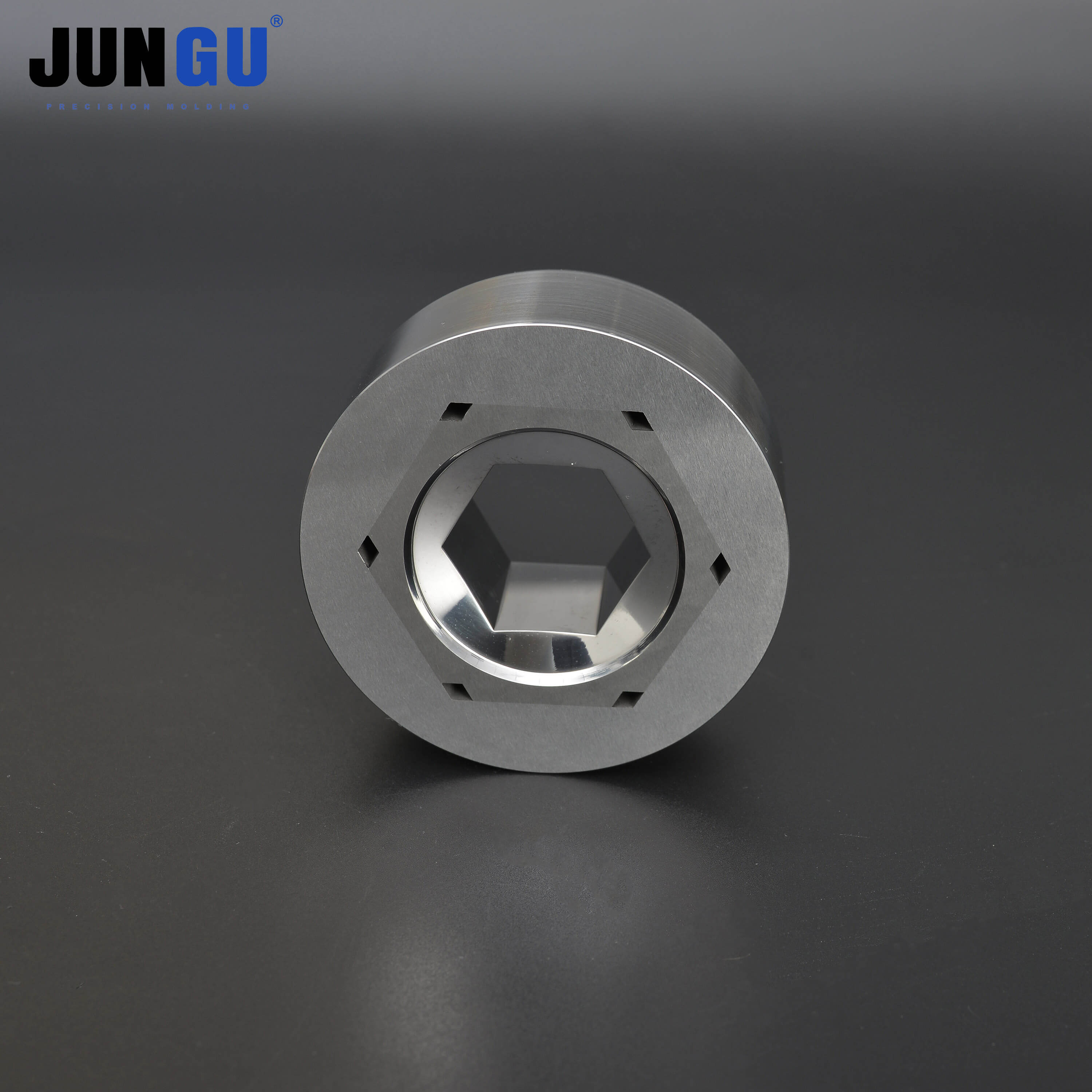
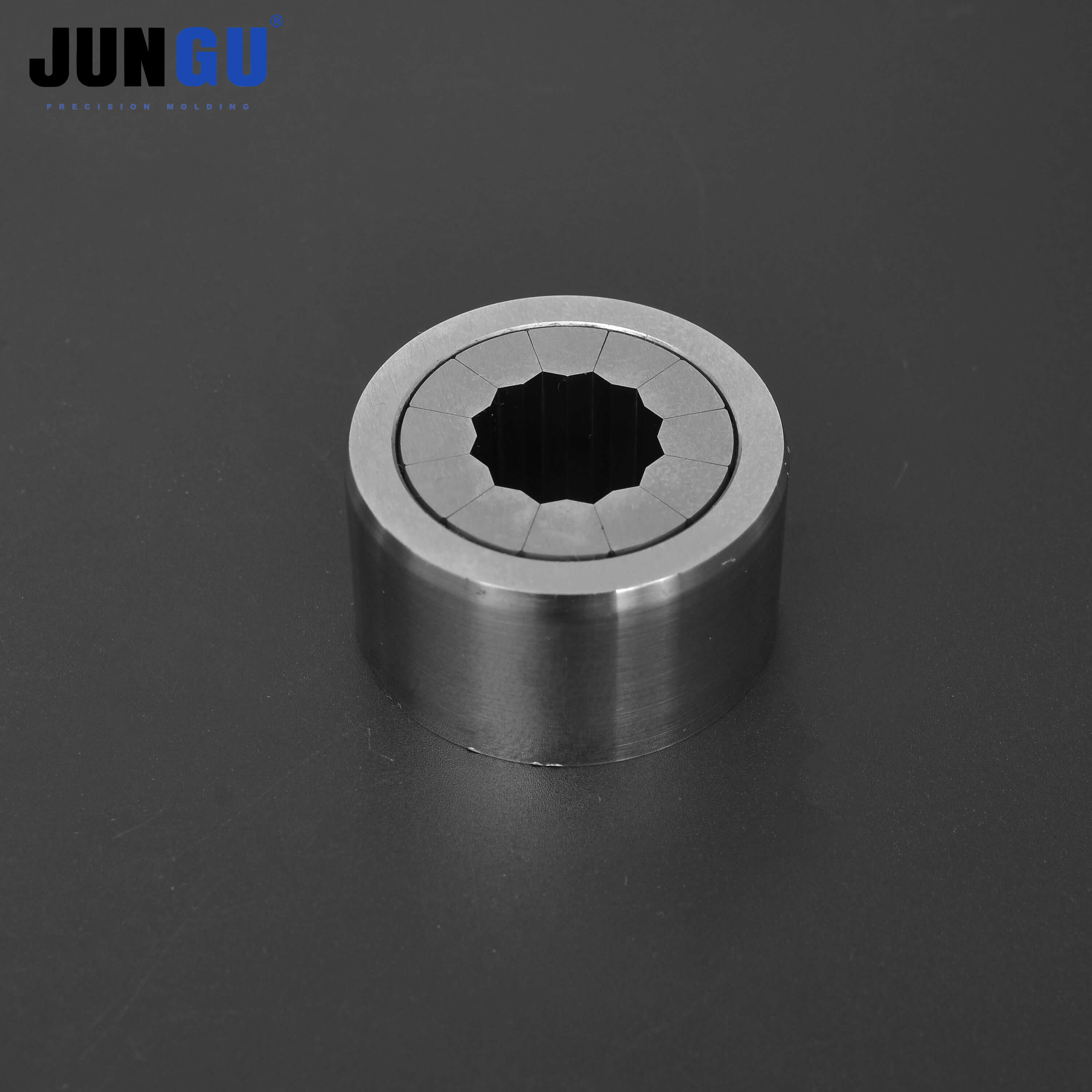
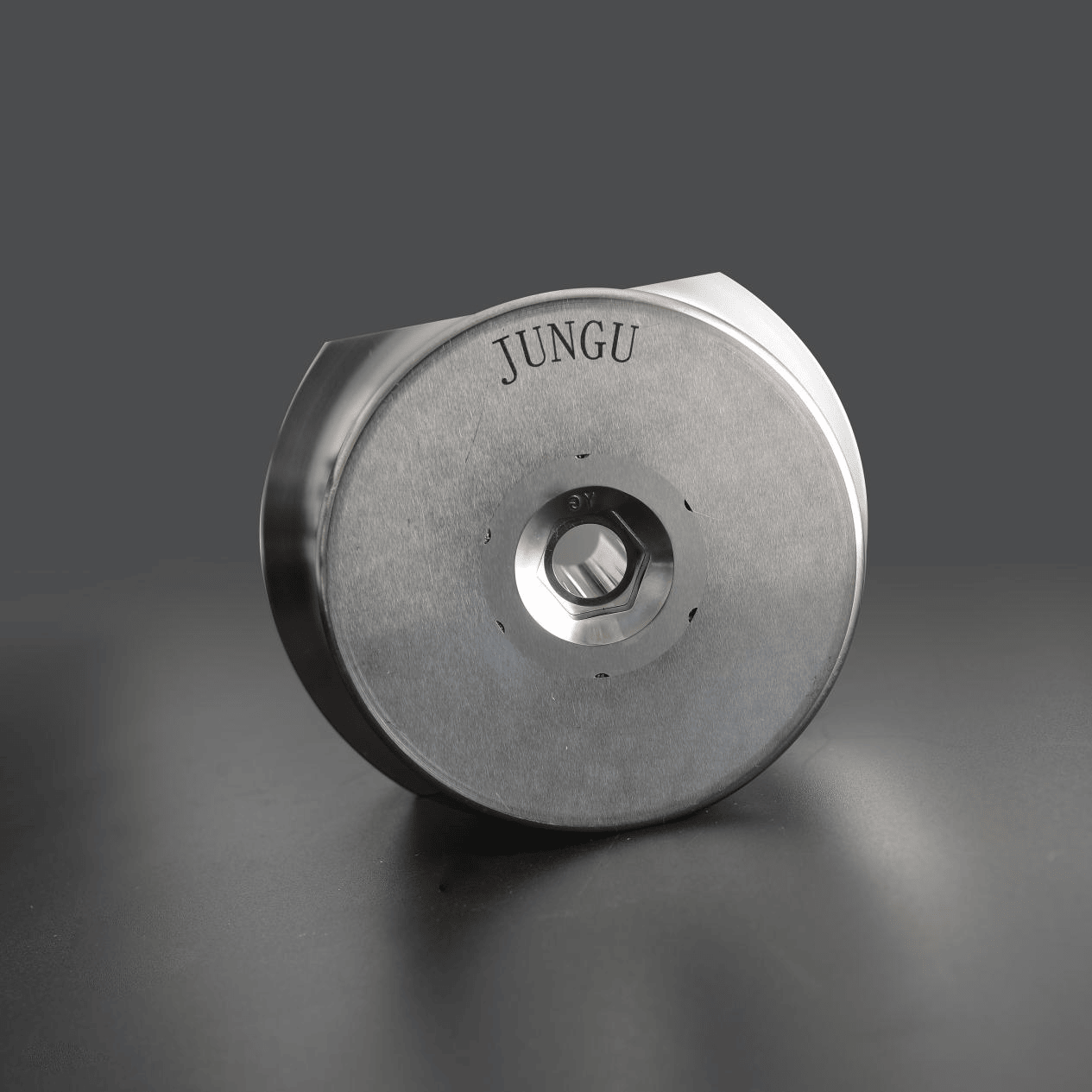
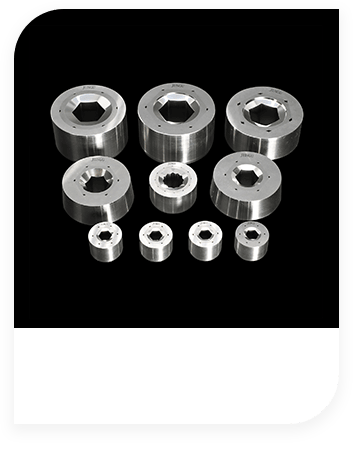
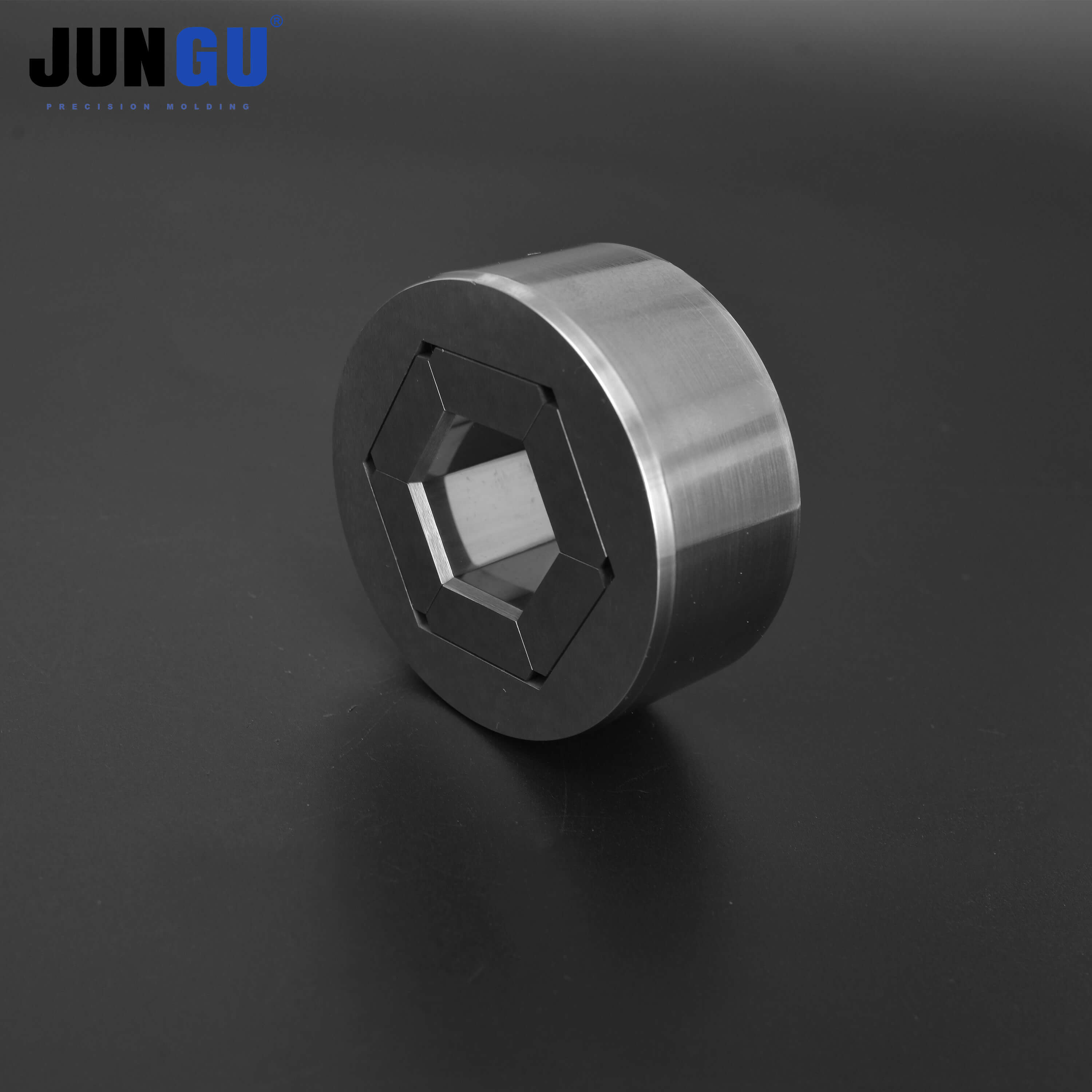
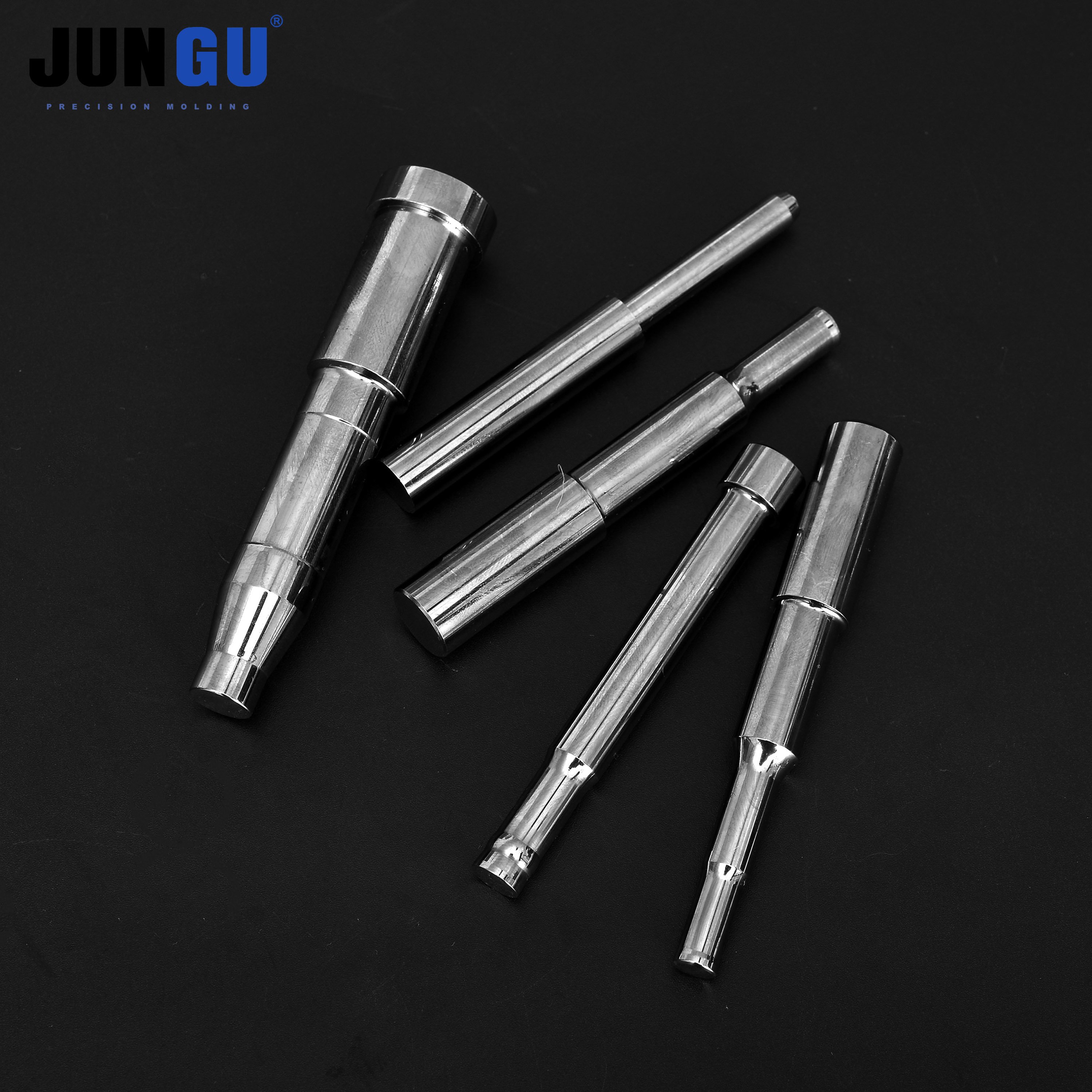
Tungsten carbide punches and dies dominate high-wear applications: cold forming, metal stamping, blanking, and extrusion. Their extreme hardness keeps edges sharp through millions of cycles, reducing downtime and tool changes.
In a production environment, tungsten carbide punches can achieve edge straightness within 0.003 mm and surface smoothness of Ra 0.2 μm after hundreds of thousands of hits in stainless steel. Special coatings can extend life by up to 300%.
Cost Comparison
| Type | Unit Price | Min Order | Best For |
|---|---|---|---|
| Tungsten Carbide Punches | $5–$10 | 100 | High-precision, long-run production |
| Tungsten Steel Punches | $0.50–$0.80 | 2 | Moderate durability, custom jobs |
| Steel (CR-V) Punches | $0.63–$0.70 | 1,000 | High volume, low precision |
While carbide punches cost more upfront, they last 10–20 times longer than steel in demanding applications, making them more economical for high-volume production.
Selection Guide
Choose tungsten carbide when: production volumes are high, tolerances are tight, the workpiece material is abrasive, and downtime for tool changes is costly.
Choose tungsten steel when: the application involves high impact or shock loading, the production run is short, budget is limited, or the material being worked is compatible with steel tooling.
Key selection factors include operating temperature, material hardness, required precision, production volume, and compatibility with existing machinery.