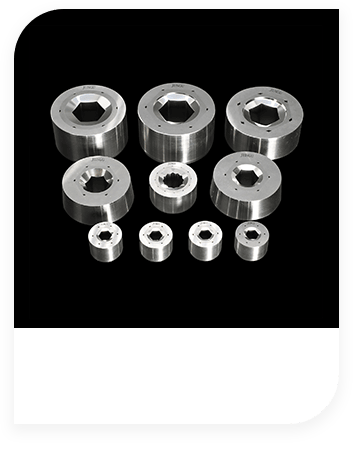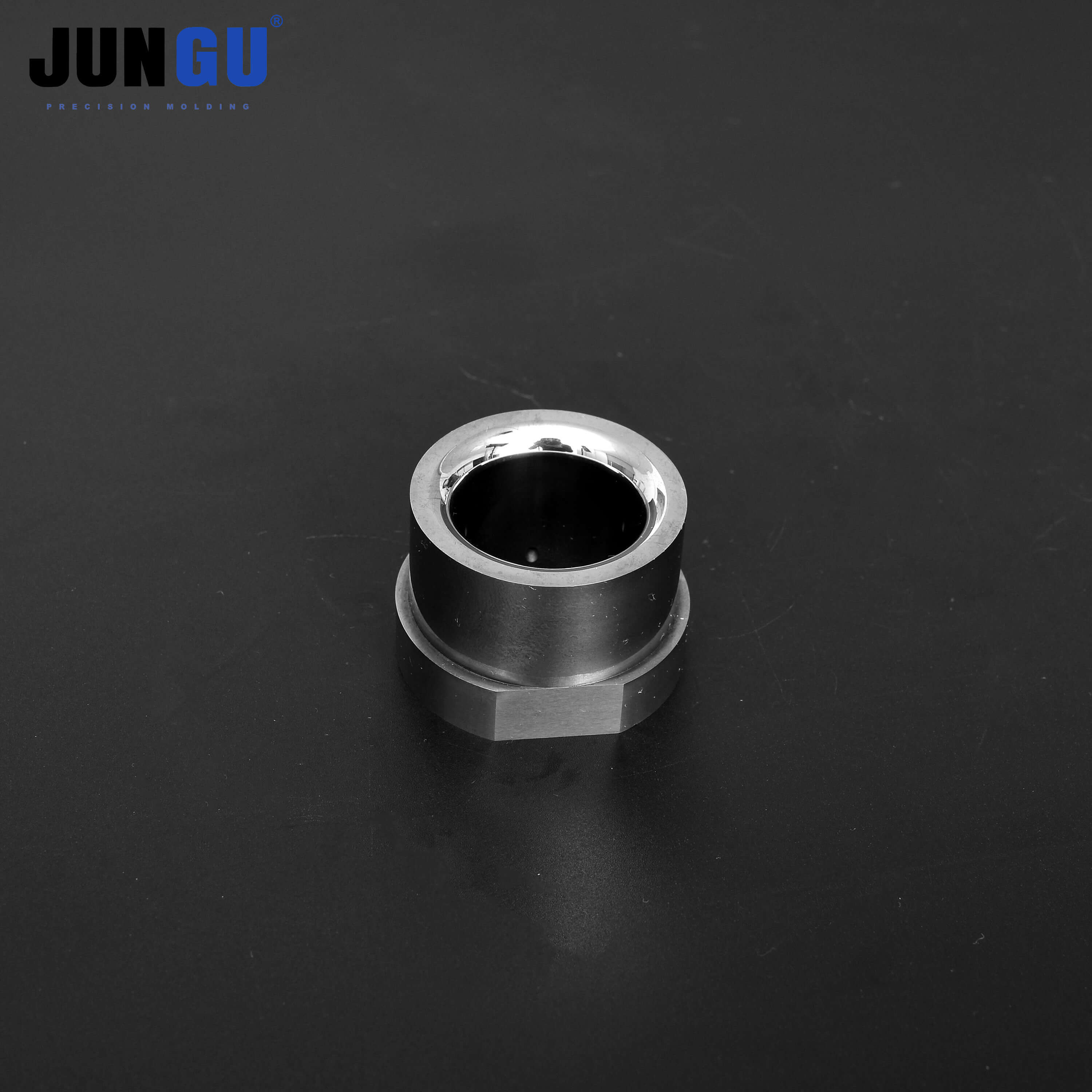
Tungsten Carbide Dies vs Steel Dies: A Practical Comparison
Compare tungsten carbide dies vs steel dies across hardness, wear resistance, temperature stability, toughness, cost, and application suitability.
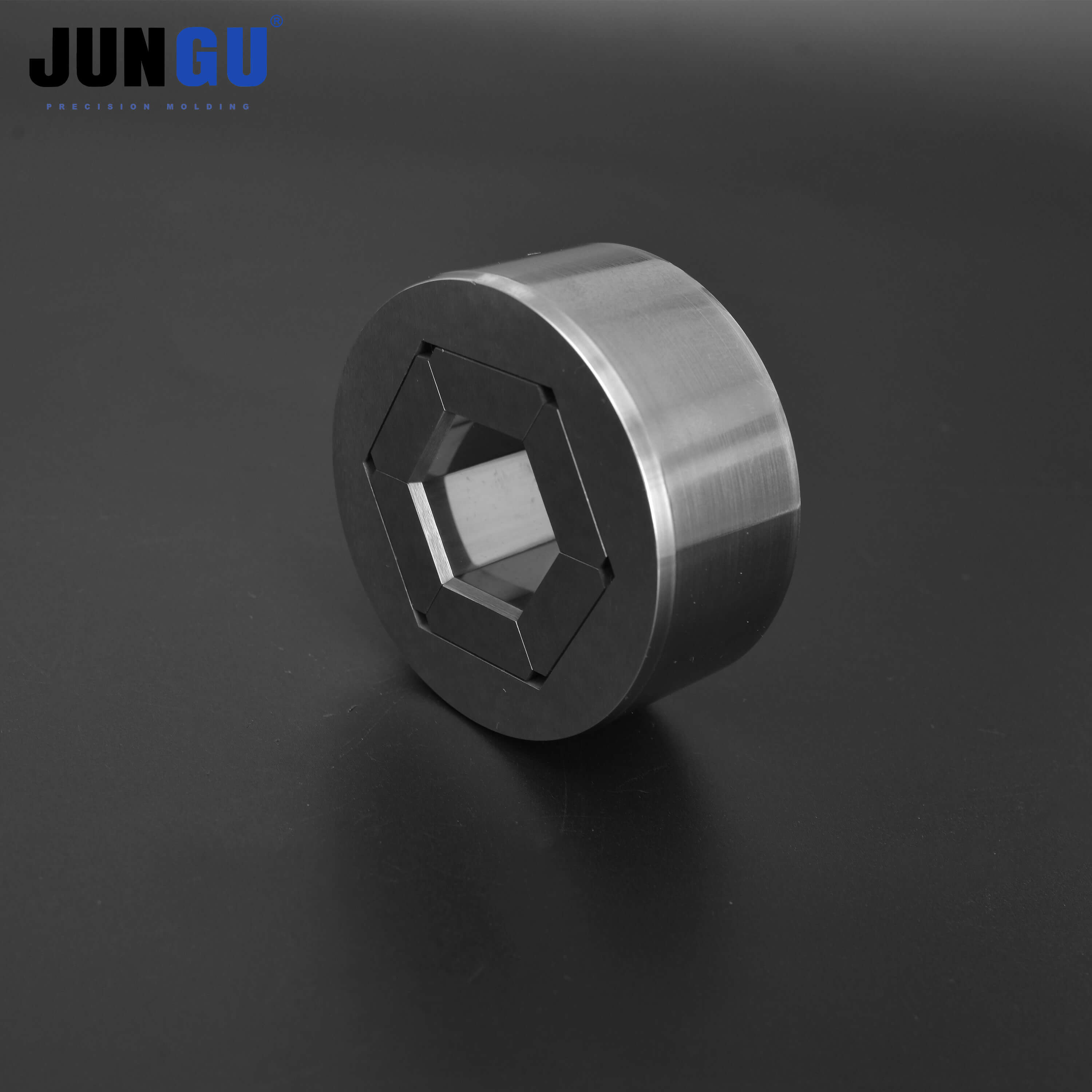
Tungsten Carbide Dies vs Steel Dies: A Practical Comparison
Tungsten carbide dies offer extreme hardness while steel dies provide versatility and toughness. Choosing the right die material depends on your specific manufacturing requirements.
Tungsten Carbide Dies
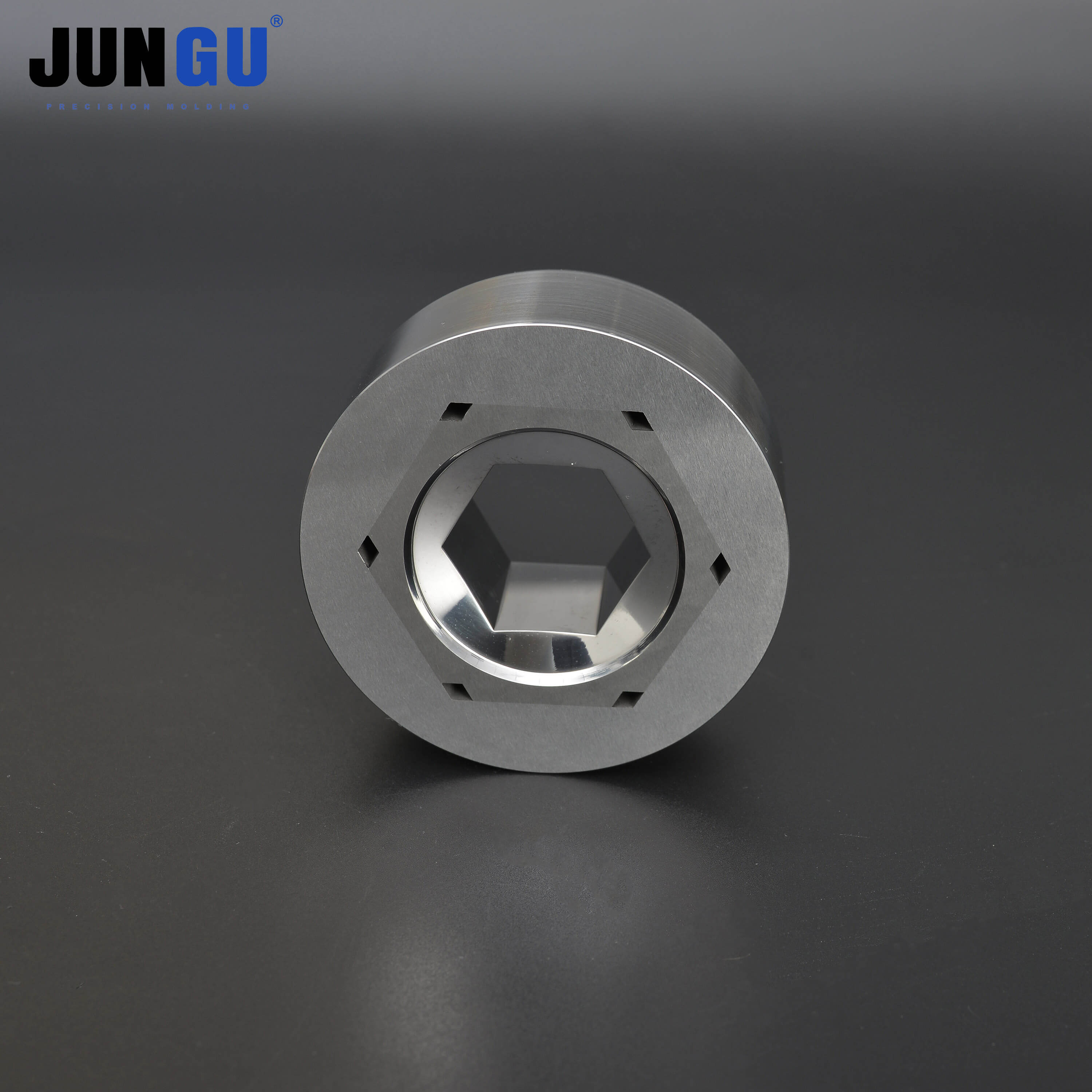
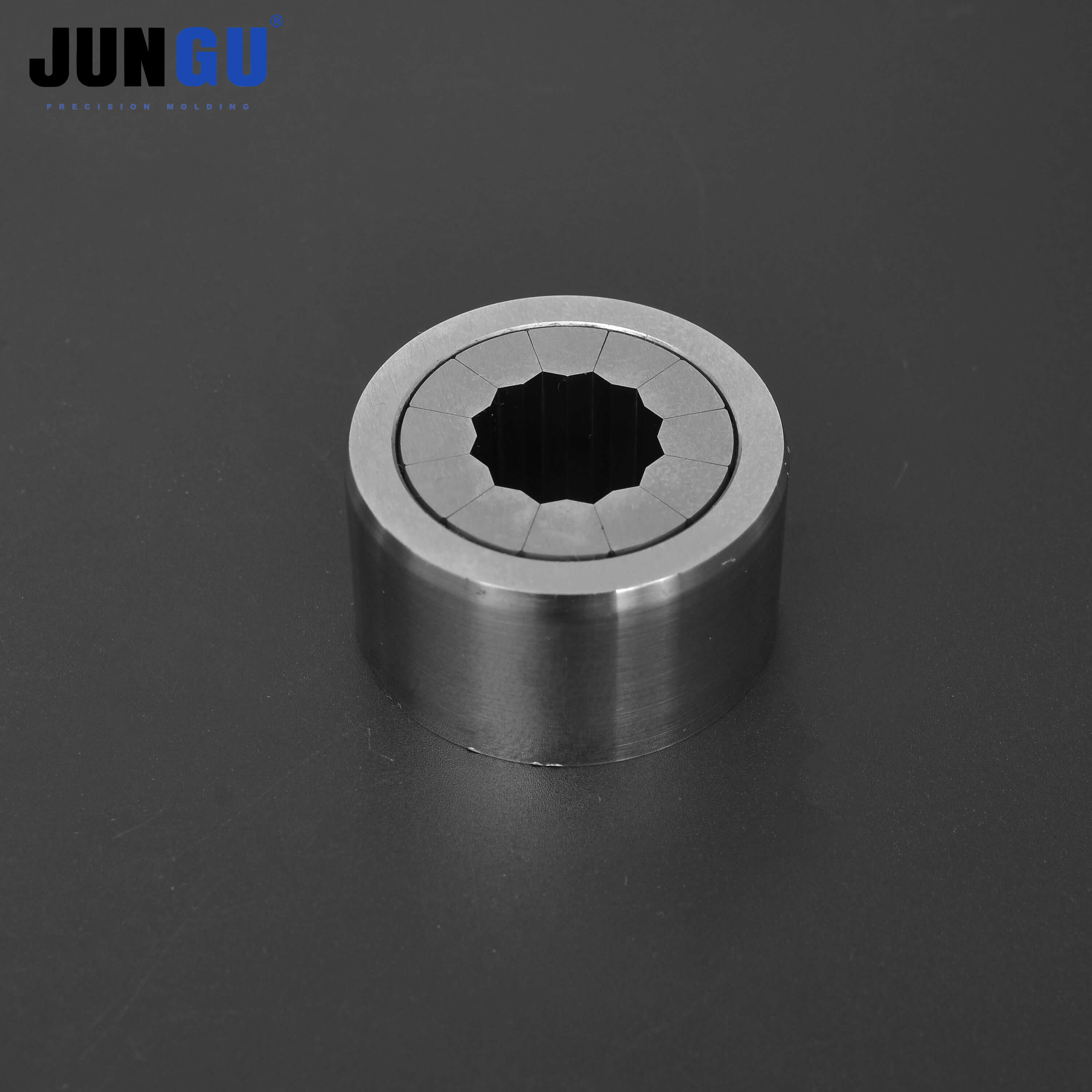
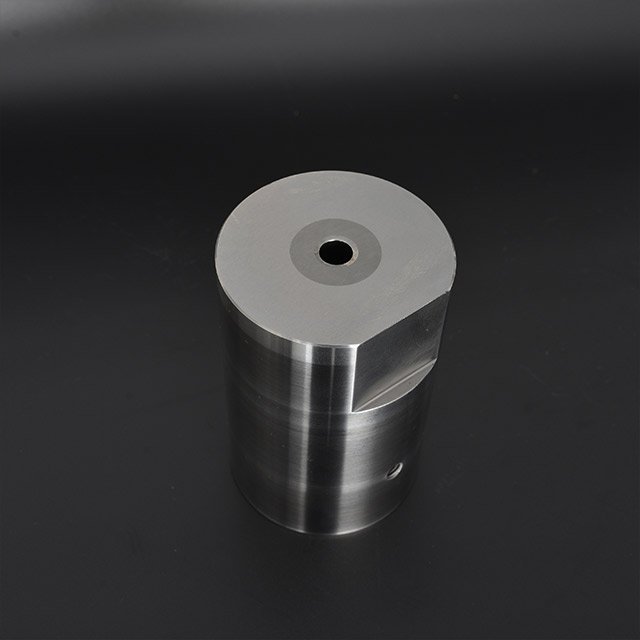
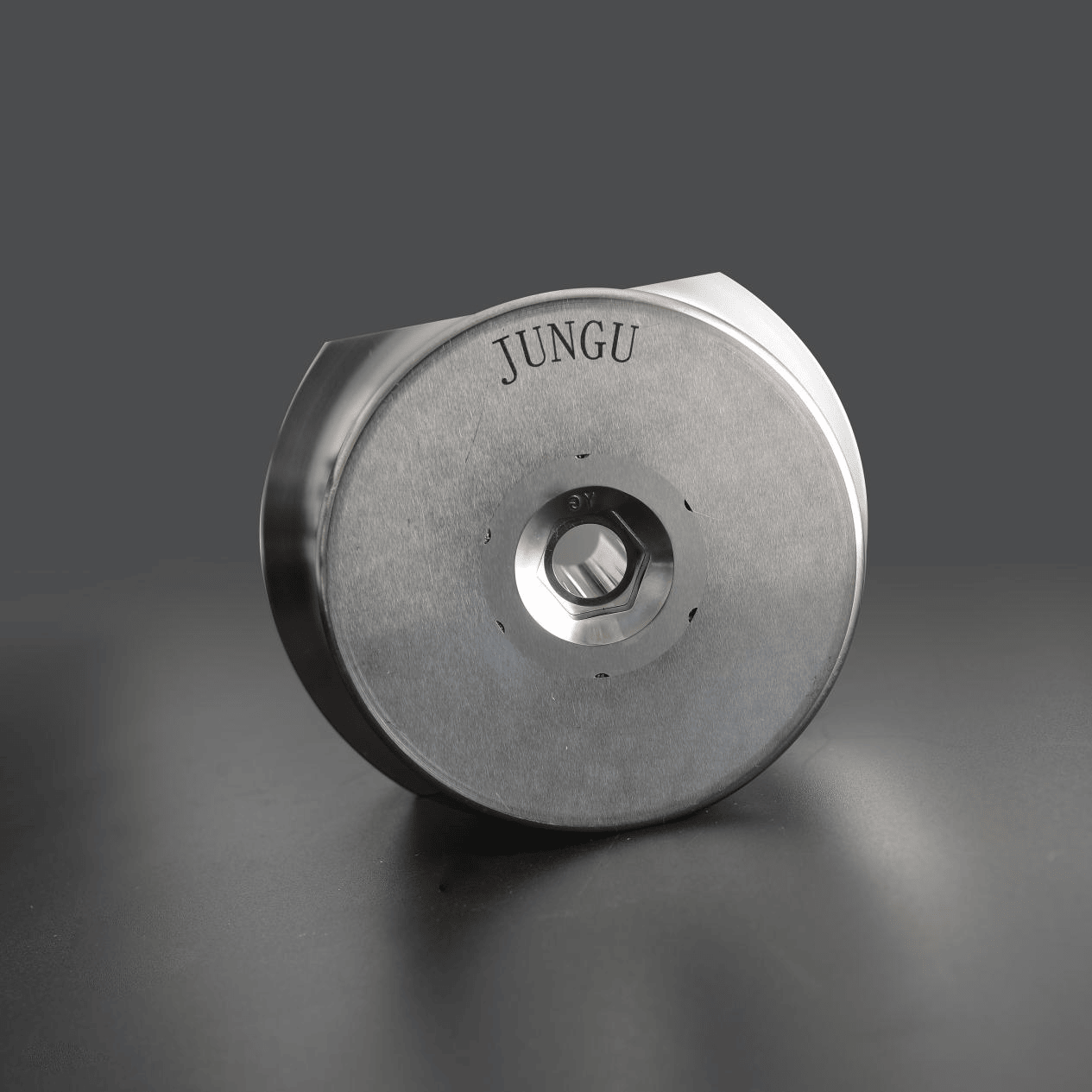
These dies combine tungsten and carbon atoms to form tungsten carbide (WC), an extremely hard and dense composite. Cobalt acts as a binder, adding toughness. Key properties include hardness of 9–9.5 on the Mohs scale, superior wear resistance, high-temperature stability up to 1,000°C, and excellent corrosion resistance. The trade-off is brittleness — carbide dies can crack under sharp impact.
Applications: Metal forming (stamping, punching, extrusion), automotive manufacturing, aerospace components, mining and drilling tools, and electronics.
Steel Dies
Made from various tool steel grades like high carbon steel, D2, or A2, with heat treatment enhancing their properties. Steel dies offer hardness typically 55–65 HRC, greater toughness than carbide, easier machinability for complex designs, and lower cost. However, they wear faster in abrasive conditions and are susceptible to rust without proper coating.
Applications: Stamping and blanking, forging, cutting and punching, plastic injection molding, and applications requiring impact resistance.
Comparative Analysis
| Property | Tungsten Carbide | Steel |
|---|---|---|
| Hardness | 9–9.5 Mohs | 55–65 HRC |
| Wear Resistance | Excellent | Good |
| Temperature Stability | Up to ~1,000°C | Up to ~400°C |
| Toughness | Brittle, can crack | High impact resistance |
| Corrosion Resistance | Excellent | Requires coating/oiling |
| Machinability | Diamond tooling required | Conventional tooling |
| Upfront Cost | Higher | Lower |
When to Choose Tungsten Carbide
- High-volume production requiring long tool life
- Abrasive workpiece materials
- High-temperature operations (hot forging, extrusion, high-speed stamping)
- Corrosive environments
- Applications demanding tight dimensional tolerances over millions of cycles
When to Choose Steel
- High impact or shock loading applications
- Short production runs where carbide cost cannot be amortized
- Complex die geometries requiring frequent design changes
- Budget-constrained projects
- Applications where carbide brittleness poses a risk