
Thread Rolling Dies
Threading Dies for Screw and Bolt Thread Rolling
Custom threading dies for screw and bolt thread rolling. Jungu checks pitch, tolerance class, blank control, material grade, machine fit, and gauge stability before quoting.
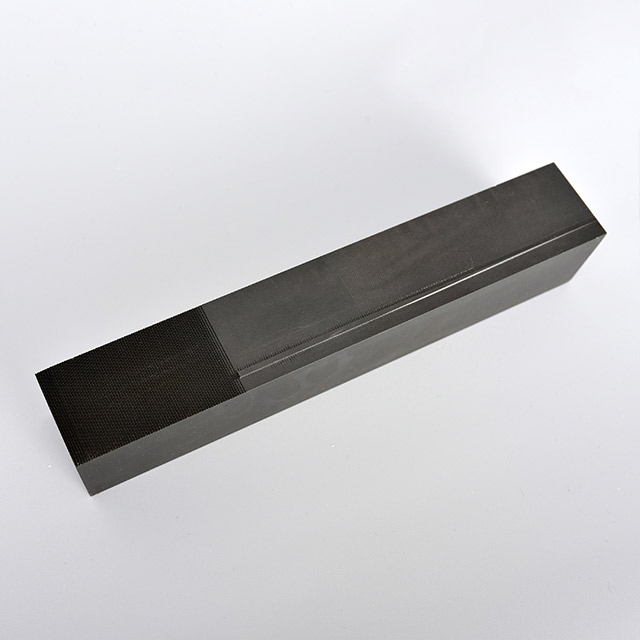
What is Threading Dies for Screw and Bolt Thread Rolling used for?
Threading dies for thread rolling are replacement or new-build tooling used to form external threads on screws, bolts, studs, and similar fasteners. The quotation problem is usually not the thread name; it is whether the thread volume, blank tolerance, material hardness, and die mounting data are consistent. If a buyer sends only M-size and pitch, the die supplier cannot judge flank fill, lead-in length, or machine pressure. Jungu reviews the drawing, thread class, blank diameter tolerance, rolling machine model, die slot, workpiece length, material grade, target inspection method, and photos of rejected threads. This page is for buyers who need the threading die matched to production evidence rather than a catalog-style replacement. When previous dies are available, the wear band and lead-in marks help confirm whether the problem starts at the blank, profile, or machine setup.
Common sourcing use
External thread rolling for screws, bolts, studs, and custom fasteners where gauge stability and tool-life repeatability matter.
Related product families
Technical Review Scope
What Jungu checks
- Thread standard, pitch, tolerance class, major/minor diameter, and lead-in requirement
- Blank diameter tolerance, material hardness, surface condition, and cut length stability
- Rolling machine model, die dimensions, slot position, mounting angle, and target output
- Reject evidence: gauge no-go, pitch drift, flank tear, galling, shallow crest, or uneven wear
Why no standard price is shown
This is B2B custom tooling. A reliable quotation depends on drawing, material, size, tolerance, machine setup, annual quantity, and the mould-life issue the buyer wants to solve. Jungu quotes after technical review instead of showing a misleading fixed price.
Information Needed for Quotation
| Thread specification | Drawing with standard, pitch, class, major/minor diameter, lead-in, and gauge requirement. |
|---|---|
| Blank condition | Blank diameter tolerance, material grade, hardness, surface condition, and blank length. |
| Machine data | Rolling machine model, die dimensions, mounting slot, angle, stroke, and current die photos. |
| Quality issue | Photos or records of gauge failure, pitch drift, torn flank, galling, or short tool life. |
Application and Buyer Fit
| Typical application | external thread rolling for screws, bolts, studs, and custom fasteners where gauge stability and tool-life repeatability matter |
|---|---|
| Buyer review focus | thread class, pitch, blank tolerance, workpiece length, material grade, die slot, gauge result, and existing thread defects |
| Quotation basis | drawing, material, tolerance, machine model, quantity, and target tool life |
| Review output | a threading die route matched to the buyer's blank control, thread inspection method, and rolling machine |
Inquiry Process
- Send drawings and application details.
- Jungu reviews manufacturability and tooling route.
- Engineering confirms material, tolerance, and mould-life target.
- Quotation and lead time are prepared after technical confirmation.
FAQ
Can Jungu make threading dies from a worn sample?
A sample helps, but a drawing and blank data are still needed because worn dies may hide the original compensation and lead-in shape.
Why is the same thread failing on a new batch?
Material hardness, blank diameter drift, or surface condition may have changed. Jungu checks the process data before blaming the die.
Can one die set cover several thread lengths?
Only after checking the lead-in, rolling stroke, machine setup, and acceptable inspection method. Length changes can alter pressure and finish.
Can this product be customized?
Yes. Jungu manufactures fastener mould tooling according to buyer drawings, samples, and machine requirements.
Need this tooling reviewed?
Send drawings, machine model, material, and current failure photos for review.