
Thread Rolling Dies
Self-Tapping Thread Rolling Die for Screw Threads
Drawing-based self-tapping thread rolling die for screw thread forming. Jungu checks lead-in profile, blank diameter, thread flank fill, machine slot, and current gauge failures before quoting.
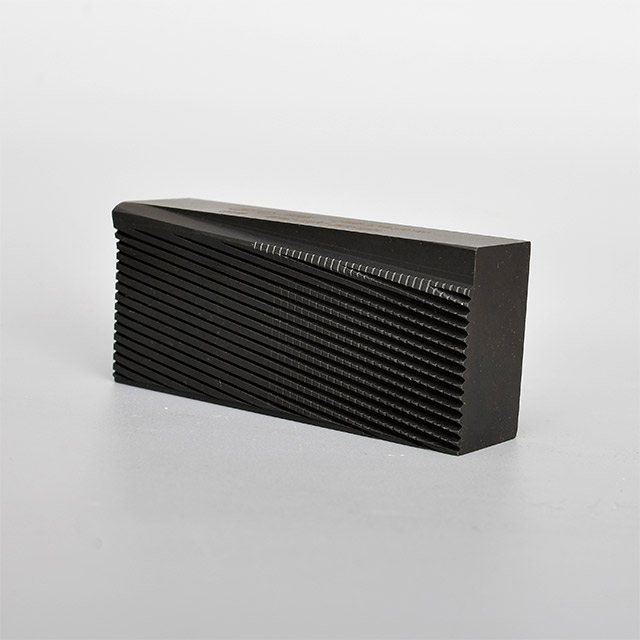
What is Self-Tapping Thread Rolling Die for Screw Threads used for?
A self-tapping thread rolling die forms the external thread and lead-in geometry that allow a screw to cut or form its mating thread during assembly. The die is not reviewed by pitch alone. Blank diameter, entry taper, crest shape, thread flank angle, material hardness, and the rolling machine slot all decide whether the finished screw starts cleanly or tears the mating material. For self-tapping screws, one common RFQ failure is treating the die like a normal metric thread die while ignoring the point shape and first-thread lead-in. Jungu reviews the drawing, thread standard, blank diameter tolerance, material grade, rolling machine model, die size, surface finish target, and photos of starting failure, shallow flank, galling, or short die life before quoting.
Common sourcing use
Self-tapping screw thread forming where lead-in geometry, blank diameter, and first-thread fill decide assembly behavior.
Related product families
Technical Review Scope
What Jungu checks
- Thread standard, pitch, lead-in taper, first-thread form, crest shape, and tolerance class
- Blank diameter tolerance, blank length, material hardness, surface finish, and lubrication condition
- Rolling machine model, flat die dimensions, mounting slot, stroke, and target speed
- Failure mode: poor starting, torn mating material, shallow flank, pitch drift, galling, or short die life
Why no standard price is shown
This is B2B custom tooling. A reliable quotation depends on drawing, material, size, tolerance, machine setup, annual quantity, and the mould-life issue the buyer wants to solve. Jungu quotes after technical review instead of showing a misleading fixed price.
Information Needed for Quotation
| Thread route | Drawing with pitch, thread angle, lead-in, point shape, crest form, tolerance, and gauge or assembly test. |
|---|---|
| Blank data | Blank diameter tolerance, length, material grade, hardness, and surface condition before rolling. |
| Machine fit | Rolling machine model, die size, mounting slot, stroke, and current die photos. |
| Failure evidence | Photos of failed starting, torn flank, galling marks, gauge failure, or worn die edges. |
Application and Buyer Fit
| Typical application | self-tapping screw thread forming where lead-in geometry, blank diameter, and first-thread fill decide assembly behavior |
|---|---|
| Buyer review focus | lead-in shape, blank diameter tolerance, thread crest, flank fill, material hardness, rolling machine slot, and gauge or assembly failure |
| Quotation basis | drawing, material, tolerance, machine model, quantity, and target tool life |
| Review output | a self-tapping thread die route matched to blank control, entry profile, machine fit, and the buyer's inspection method |
Inquiry Process
- Send drawings and application details.
- Jungu reviews manufacturability and tooling route.
- Engineering confirms material, tolerance, and mould-life target.
- Quotation and lead time are prepared after technical confirmation.
FAQ
Can this die use the same route as a normal machine screw thread?
Not automatically. Self-tapping screws need the lead-in and first-thread shape reviewed because assembly behavior depends on how the screw starts.
What blank tolerance should be checked first?
Blank diameter should be checked before die price. If it drifts beyond the thread volume window, the die may show shallow flanks or excessive pressure.
Do you need assembly test information?
Yes. If the buyer has drive torque, stripping, or starting failure data, it helps Jungu review the lead-in and flank route before quoting.
Can this product be customized?
Yes. Jungu manufactures fastener mould tooling according to buyer drawings, samples, and machine requirements.
Need this tooling reviewed?
Send drawings, machine model, material, and current failure photos for review.