
Thread Rolling Dies
Flat Thread Rolling Dies for Screws and Bolts
Drawing-based flat thread rolling dies for screws, bolts, and studs. Jungu reviews the thread profile, blank condition, die mounting interface, machine setup, and current thread defects before quoting.
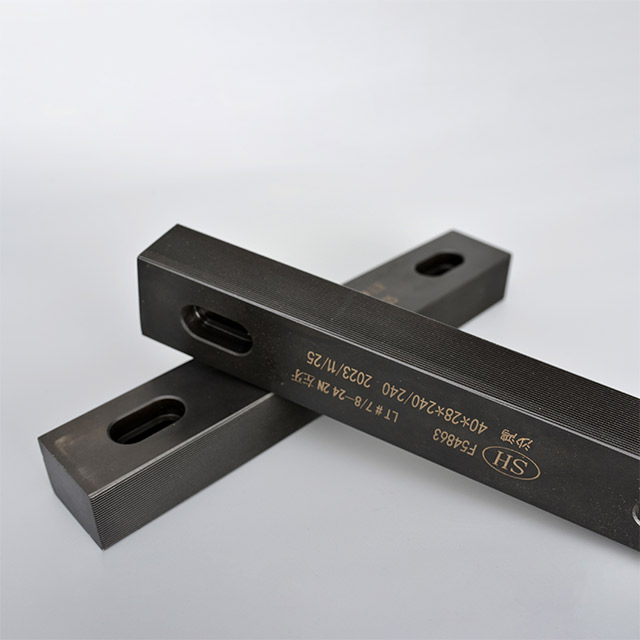
How are flat thread rolling dies used for screws and bolts?
Flat thread rolling dies form external threads between a stationary die and a moving die on a flat-die rolling machine. This page is for that paired tooling route, not cylindrical roll dies. A replacement set cannot be defined by thread diameter alone: the thread standard and pitch, blank condition, workpiece material, die dimensions, mounting interface, machine model, and inspection method must work together. Shallow flanks, torn threads, pitch drift, galling, or early edge damage may come from the die profile, but they can also point to the blank, lubrication, alignment, or machine setup. Jungu therefore reviews the fastener drawing, available blank data, both die interfaces, current die photos, rejected-part photos, and gauge result before preparing a technical quotation. Buyers can use this page for a new flat-die set or for replacing tooling whose original profile may already be hidden by wear.
Common sourcing use
External thread rolling on flat-die machines for screws, bolts, and studs where the die pair, blank condition, machine interface, and gauge result must be reviewed together.
Related product families
Technical Review Scope
What Jungu checks
- Thread standard, pitch, major and minor diameter, thread length, lead-in, tolerance class, and gauge method
- Blank diameter data, cut-length stability, workpiece material, surface condition, and lubrication route
- Stationary and moving die dimensions, mounting slots, installation direction, and available interface drawings
- Flat-die rolling machine model, stroke and speed information, alignment history, and current setup notes
- Current failure evidence: shallow flank, torn thread, pitch drift, galling, edge chipping, uneven wear, or gauge rejection
Why no standard price is shown
This is B2B custom tooling. A reliable quotation depends on drawing, material, size, tolerance, machine setup, annual quantity, and the mould-life issue the buyer wants to solve. Jungu quotes after technical review instead of showing a misleading fixed price.
Information Needed for Quotation
| Thread requirement | Fastener drawing with thread standard, pitch, major and minor diameter, thread length, tolerance class, and gauge method. |
|---|---|
| Blank condition | Available blank diameter data, cut length, workpiece material, hardness information, surface condition, and lubrication. |
| Die and machine fit | Flat-die machine model, stationary and moving die dimensions, mounting slots, installation direction, stroke, and current die photos. |
| Current result | Photos of both worn dies and rejected parts, together with the gauge result and a short description of when the defect appears. |
Application and Buyer Fit
| Typical application | external thread rolling on flat-die machines for screws, bolts, and studs where the die pair, blank condition, machine interface, and gauge result must be reviewed together |
|---|---|
| Buyer review focus | thread standard and pitch, blank data, stationary and moving die dimensions, mounting interface, machine model, workpiece material, lubrication, and gauge result |
| Quotation basis | drawing, material, tolerance, machine model, quantity, and target tool life |
| Review output | a paired flat-thread-rolling-die route matched to the drawing, blank condition, machine interface, failure evidence, and the buyer's inspection method |
Inquiry Process
- Send the fastener drawing, available blank data, machine model, both die dimensions, and current die or reject photos.
- Jungu checks whether a flat-die route matches the machine and separates profile risk from blank, lubrication, alignment, and setup issues.
- Engineering reviews the stationary and moving die layout, profile route, material and surface-treatment requirements, and inspection points.
- A quotation is prepared after the tooling interface and review scope are clear.
FAQ
What distinguishes flat thread rolling dies from cylindrical dies?
Flat dies work as a stationary and moving pair on a flat-die machine. Cylindrical dies use rotating rolls and require a different machine interface and tooling review.
Can Jungu copy an existing worn die?
The sample is useful, but wear can hide the original lead-in and thread profile. Send the fastener drawing, both die interfaces, machine model, and gauge result with the sample.
Why can a new die still produce shallow or unstable threads?
The die is only one part of the system. Blank condition, material, lubrication, alignment, machine setup, and the inspection method can produce similar symptoms.
What should I send before requesting a quotation?
Send the fastener drawing, available blank data, machine model, stationary and moving die dimensions, mounting details, current die photos, reject photos, and gauge result.
Need this tooling reviewed?
Send drawings, machine model, material, and current failure photos for review.