
Thread Rolling Dies
Rethreading Die for Self-Tapping Screw Threads
Custom rethreading die for self-tapping screw thread correction or secondary rolling. Jungu checks existing thread damage, blank control, lead-in shape, and gauge result before quoting.
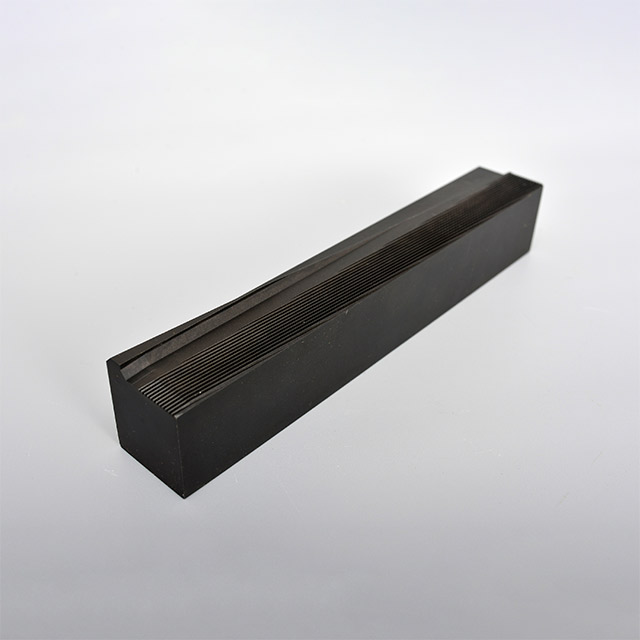
What is Rethreading Die for Self-Tapping Screw Threads used for?
A rethreading die for self-tapping screws is used when a thread needs secondary rolling, correction, or a controlled re-forming pass after the first operation. It is not the same decision as a new-thread rolling die. The existing thread already has material displacement, surface marks, and possible work hardening, so the second pass can create flank tearing or crest damage if pressure is guessed. Jungu reviews the first-operation thread, damage position, blank diameter, thread class, material hardness, rethreading machine or rolling station, target gauge, and photos of before-and-after defects. This tooling is most useful when the buyer can explain whether the goal is pitch correction, surface improvement, lead-in repair, or thread-size recovery. If only a finished part size is sent, the safe pressure window remains unclear.
Common sourcing use
Secondary rolling or correction of self-tapping screw threads where existing thread damage and material hardening must be reviewed.
Related product families
Technical Review Scope
What Jungu checks
- Existing thread profile, damage position, pitch error, crest damage, and lead-in condition
- Material grade, hardness after first forming, surface coating, and lubrication state
- Rethreading machine or rolling station, die size, mounting slot, and target pressure window
- Inspection target: gauge recovery, torque behavior, surface finish, or pitch correction
Why no standard price is shown
This is B2B custom tooling. A reliable quotation depends on drawing, material, size, tolerance, machine setup, annual quantity, and the mould-life issue the buyer wants to solve. Jungu quotes after technical review instead of showing a misleading fixed price.
Information Needed for Quotation
| Existing thread | Photos and drawing showing current thread size, damage, pitch, and lead-in condition. |
|---|---|
| Material state | Material grade, hardness after first forming, surface finish, and coating status. |
| Machine route | Rethreading station or rolling machine model, die size, slot, and target production speed. |
| Repair target | Gauge result, torque issue, surface defect, pitch drift, or assembly failure to be corrected. |
Application and Buyer Fit
| Typical application | secondary rolling or correction of self-tapping screw threads where existing thread damage and material hardening must be reviewed |
|---|---|
| Buyer review focus | first-pass thread condition, damage location, blank or thread size, material hardness, rethreading pressure, and gauge target |
| Quotation basis | drawing, material, tolerance, machine model, quantity, and target tool life |
| Review output | a correction route that limits flank tearing while recovering the buyer's required thread gauge or assembly behavior |
Inquiry Process
- Send drawings and application details.
- Jungu reviews manufacturability and tooling route.
- Engineering confirms material, tolerance, and mould-life target.
- Quotation and lead time are prepared after technical confirmation.
FAQ
Can rethreading fix any rejected screw?
No. If material is already cracked or the blank volume is wrong, a second pass may make the defect worse.
What photos are needed?
Send the rejected screw thread, the current die, the machine setup, and the inspection result that failed.
Is coating needed for rethreading dies?
It depends on material, surface condition, and pressure. Stainless or coated screws may need a different surface route.
Can this product be customized?
Yes. Jungu manufactures fastener mould tooling according to buyer drawings, samples, and machine requirements.
Need this tooling reviewed?
Send drawings, machine model, material, and current failure photos for review.