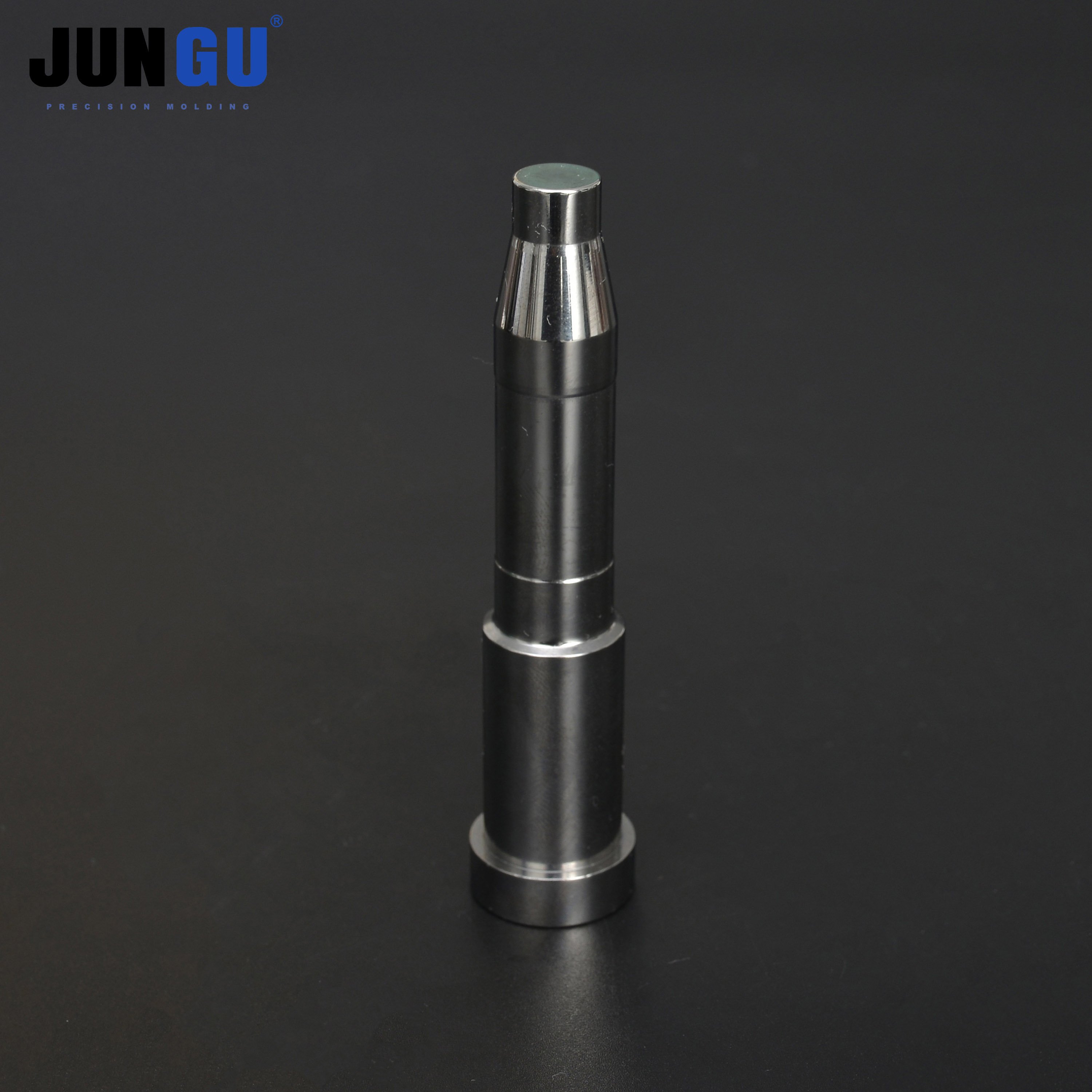
5 Factors That Can Increase Carbide Punch Tool Life and Profitability
Learn five key factors that extend tungsten carbide punch tool life: material quality, geometry, operating parameters, material compatibility, and maintenance.
Read technical noteTechnical Knowledge Center
Practical notes on carbide dies, punch pins, thread rolling dies, mould life, material behavior, and case-specific production decisions.
Latest technical notes
Each article is written to help evaluate tooling choices, production risk, and the questions to ask before requesting a quotation.
Learn five key factors that extend tungsten carbide punch tool life: material quality, geometry, operating parameters, material compatibility, and maintenance.
Read technical note
Explore wear resistance testing methods for tungsten carbide dies: pin-on-disc, abrasion, erosion, impact, and real-world simulation tests.
Read technical note
Discover three major advantages of tungsten carbide punches over steel: superior wear resistance, enhanced precision, and significant cost savings.
Read technical note
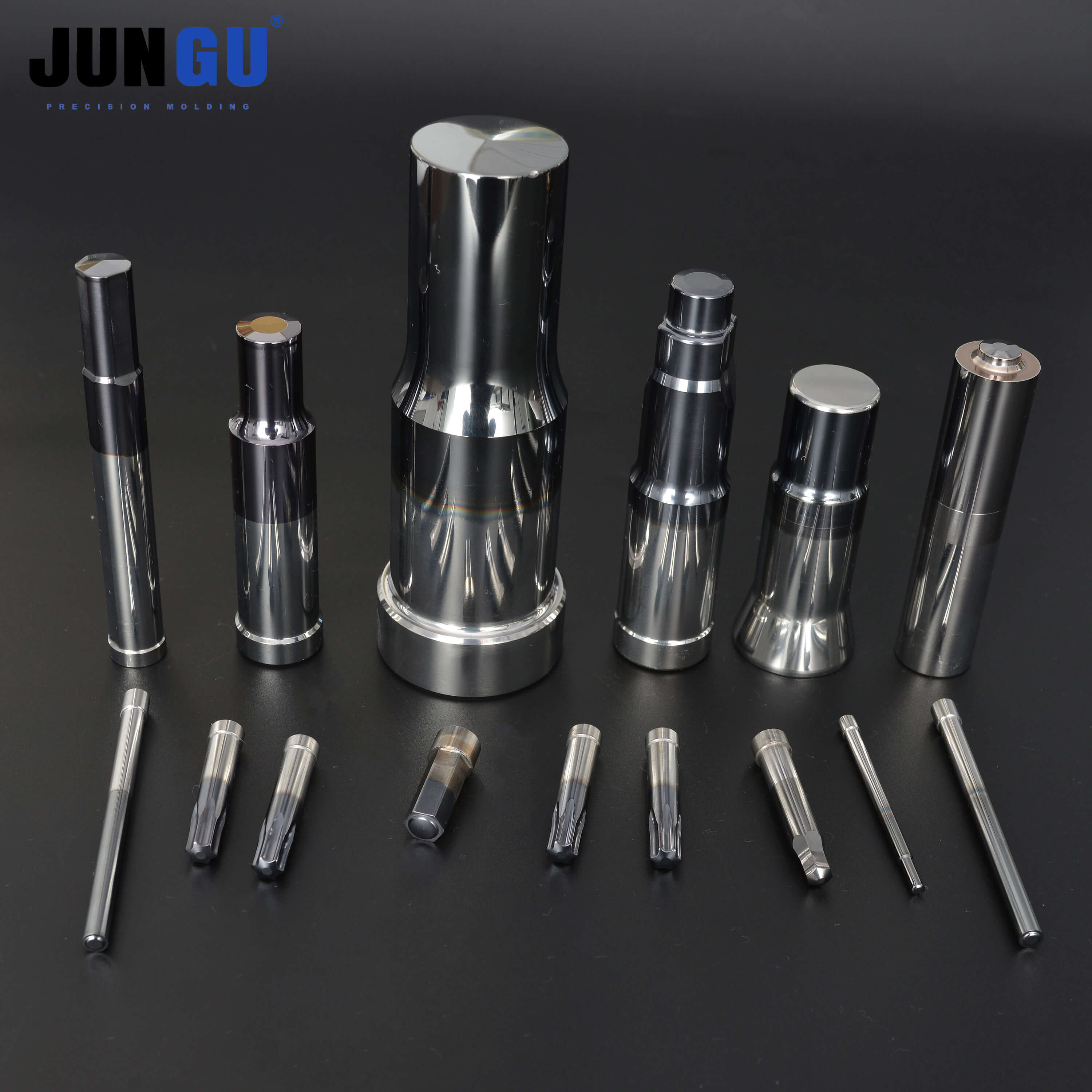
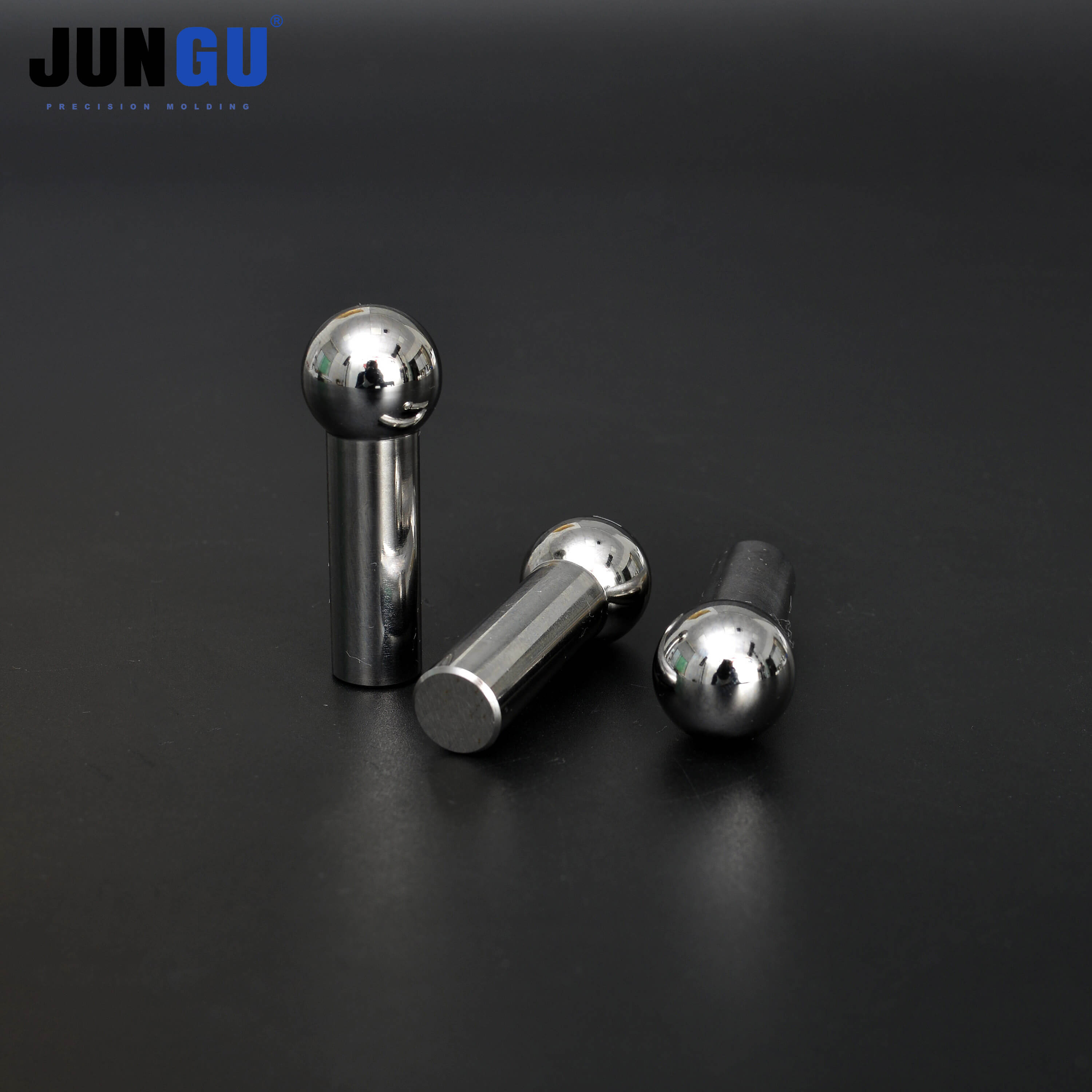
Compare tungsten carbide vs steel sharpness and edge retention. Data from 1M stroke tests shows carbide maintains sharpness significantly longer than steel.
Read technical note
Tungsten carbide punches outperform traditional steel tools with 10-20x longer life, superior precision within ±0.002mm, and significant cost savings.
Read technical note
How custom mold punch tools help manufacturers add part sizes, materials, and geometries while keeping tolerance control and tool life predictable.
Read technical note
Learn the six essential features of punch dies and punch tools: durability, precision, wear resistance, versatility, maintenance, and cost-effectiveness.
Read technical note
Punch tool die bolts secure stamping components for stability and precision. Learn how quality die bolts reduce downtime, prevent tool damage, and improve safety.
Read technical note
Quality punch dies and tools made from tool steel, carbide, and HSS extend equipment life by reducing wear, improving precision, and lowering maintenance costs.
Read technical note