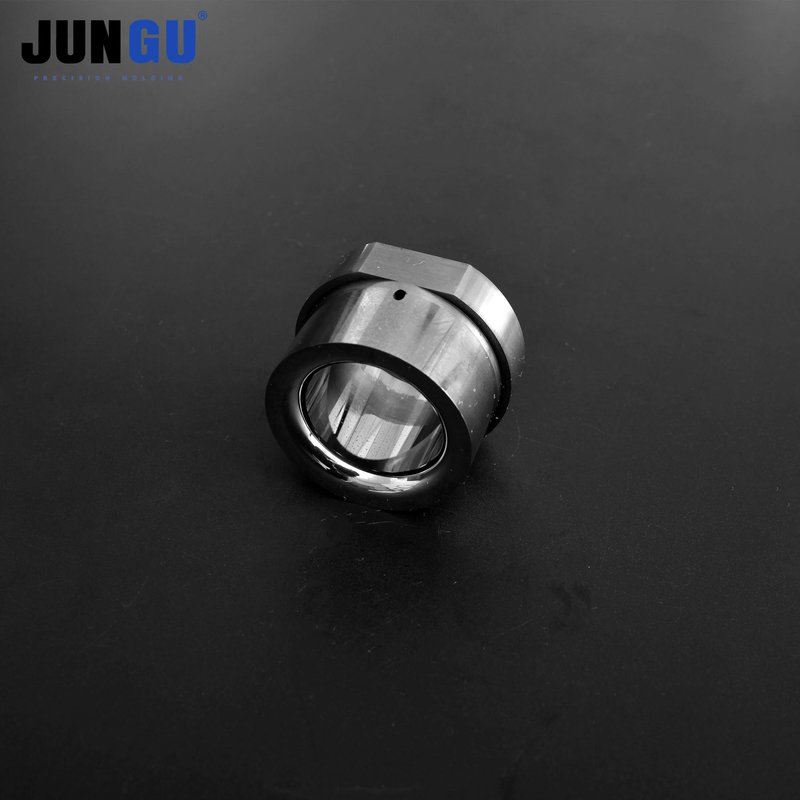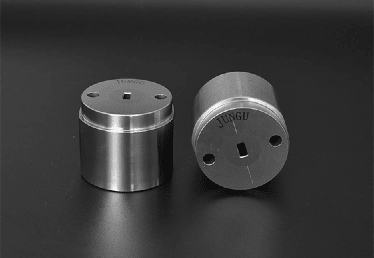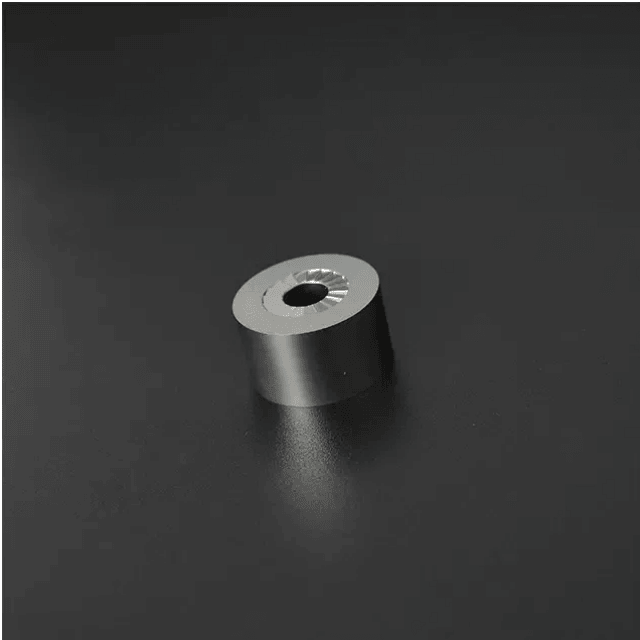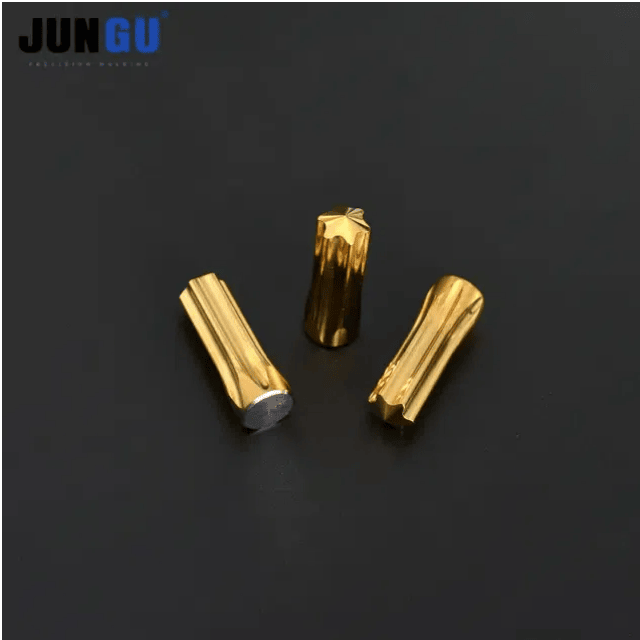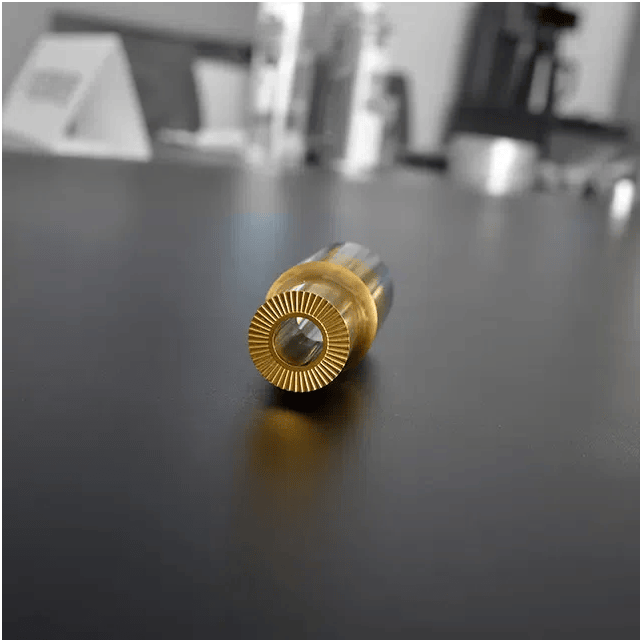
Three BIG Benefits of Using Carbide Punches Instead of Steel Punches in Metal Stamping
Discover three major advantages of tungsten carbide punches over steel: superior wear resistance, enhanced precision, and significant cost savings.
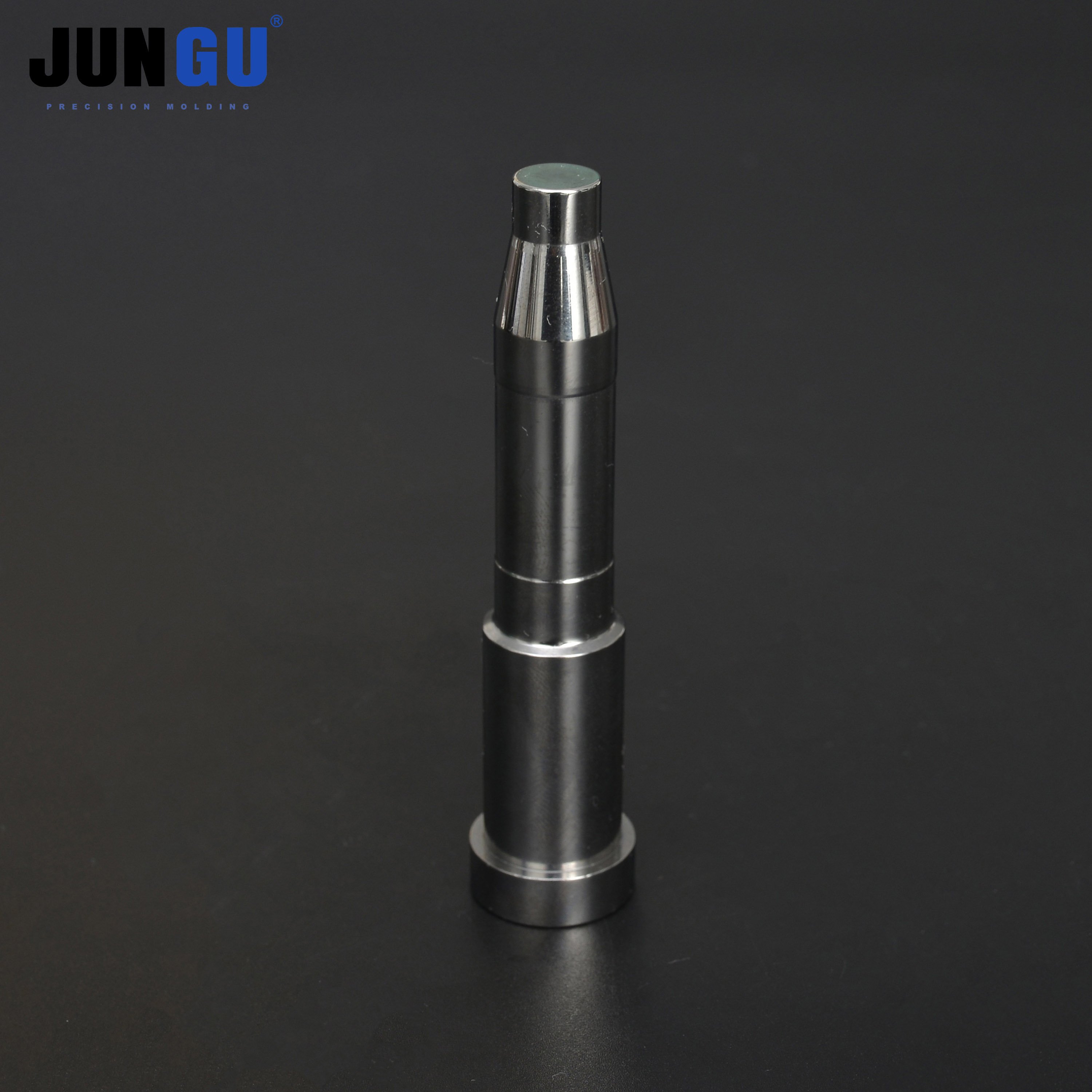
Three BIG Benefits of Using Carbide Punches Instead of Steel Punches in Metal Stamping
When choosing between tungsten carbide and steel punches for metal stamping, three major advantages drive the decision: longer tool life, better precision, and significant cost savings over the long term.
Manufacturing of Tungsten Carbide Punches
Tungsten carbide punches are manufactured through a powder metallurgy process: tungsten and carbon powders are mixed, heated to approximately 1,800°C to form tungsten carbide, ground with cobalt and other additives, then pressed into shape and sintered at about 1,600°C in vacuum or special gas. The final finishing includes grinding, polishing, and quality inspection.
These punches consist of tungsten carbide grains with a metal binder — typically cobalt at 6% to 10%. The microstructure features fine and even carbide particles that increase hardness, wear resistance, and lifespan.
1. Superior Wear Resistance and Longevity
Tungsten carbide punches offer exceptional hardness. Their surfaces resist wear, maintaining shape and sharpness over time. Steel punches fail through abrasive wear, galling, cracking, or deformation. Tungsten carbide punches primarily experience chemical degradation like cobalt loss but still outperform steel dramatically. In forging, special coatings with tungsten carbide extend tool life by about 50% compared to steel.
Carbide punches last 10–20 times longer than steel in demanding applications. Some cemented carbide blanking dies last up to 50 times longer than steel dies.
2. Enhanced Precision and Consistency
High hardness allows these punches to hold their shape after thousands of cycles. Some can maintain accuracy within ±0.001 mm, while steel typically only reaches ±0.01 mm. This difference improves part fit and function. Sharp edges and strong bodies produce clean, burr-free cuts, leading to lower rejection rates and less downtime.
Advanced coatings like TiN or DLC maintain accuracy and reduce friction. Better heat and stress resistance compared to steel means electronics and medical device industries benefit from high rigidity and thermal stability.
3. Reduced Downtime and Cost Savings
Although the initial cost is higher, long-term savings are substantial. Downtime can be cut by over 30% when switching to carbide. Repair costs run 50–80% less than buying new tools. Quality repairs restore punches to like-new performance.
Fewer mistakes and less material waste result from consistent performance. Care is straightforward: clean and oil before use, maintain small clearance between punch and die bushing, inspect regularly, and store safely.
| Benefit | Impact |
|---|---|
| Reduction in tool replacement costs | Up to 40% savings |
| Faster tool sharpening | Less than 5 minutes per tool |
| Increased production throughput | More parts made in less time |
Experts recommend switching to tungsten carbide punches for better products and less downtime in high-volume stamping operations.