The Advantages of Tungsten Carbide over Traditional Tools
Tungsten carbide punches outperform traditional steel tools with 10-20x longer life, superior precision within ±0.002mm, and significant cost savings.
The Advantages of Tungsten Carbide over Traditional Tools
Tungsten carbide punches outperform conventional tool materials across many factory settings. The choice of tool material is critical in manufacturing operations — companies require punches that offer both strength and extended service life. The global market for these punches continues expanding annually, particularly in North America and Europe.
What Are Tungsten Carbide Punches?
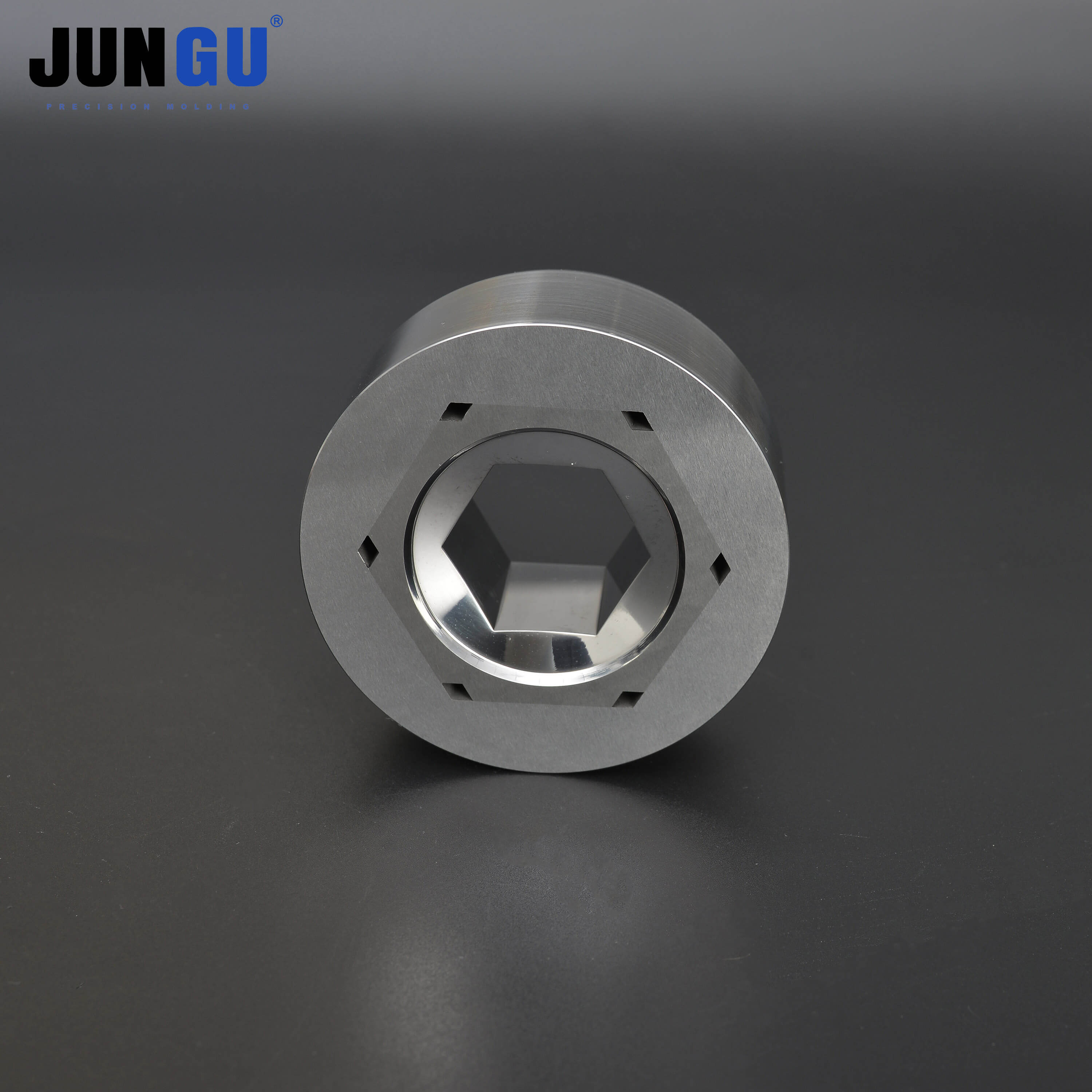
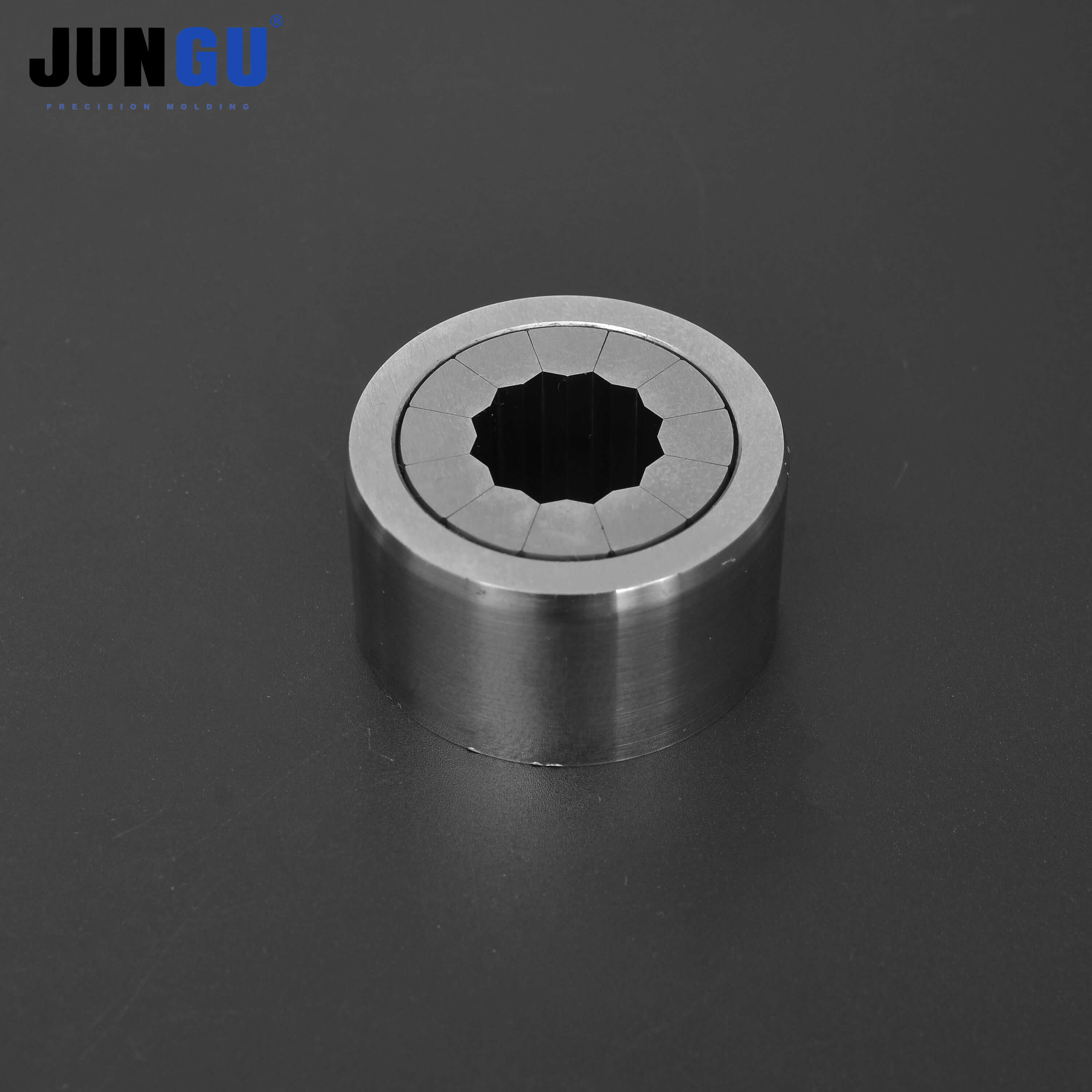
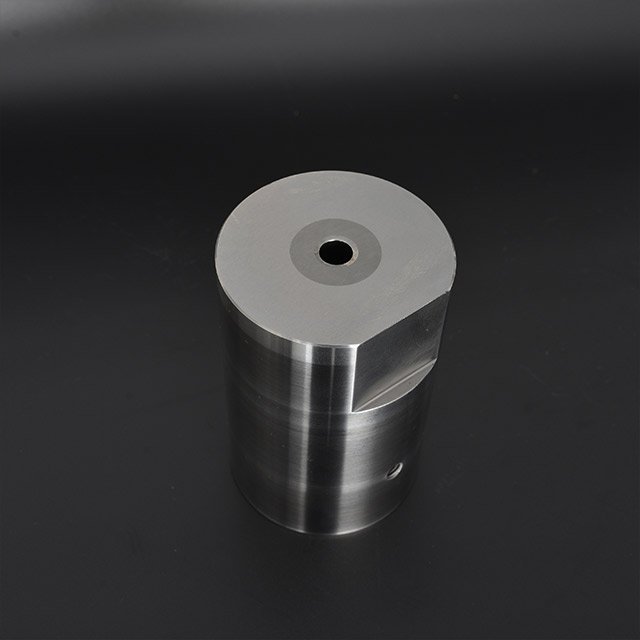
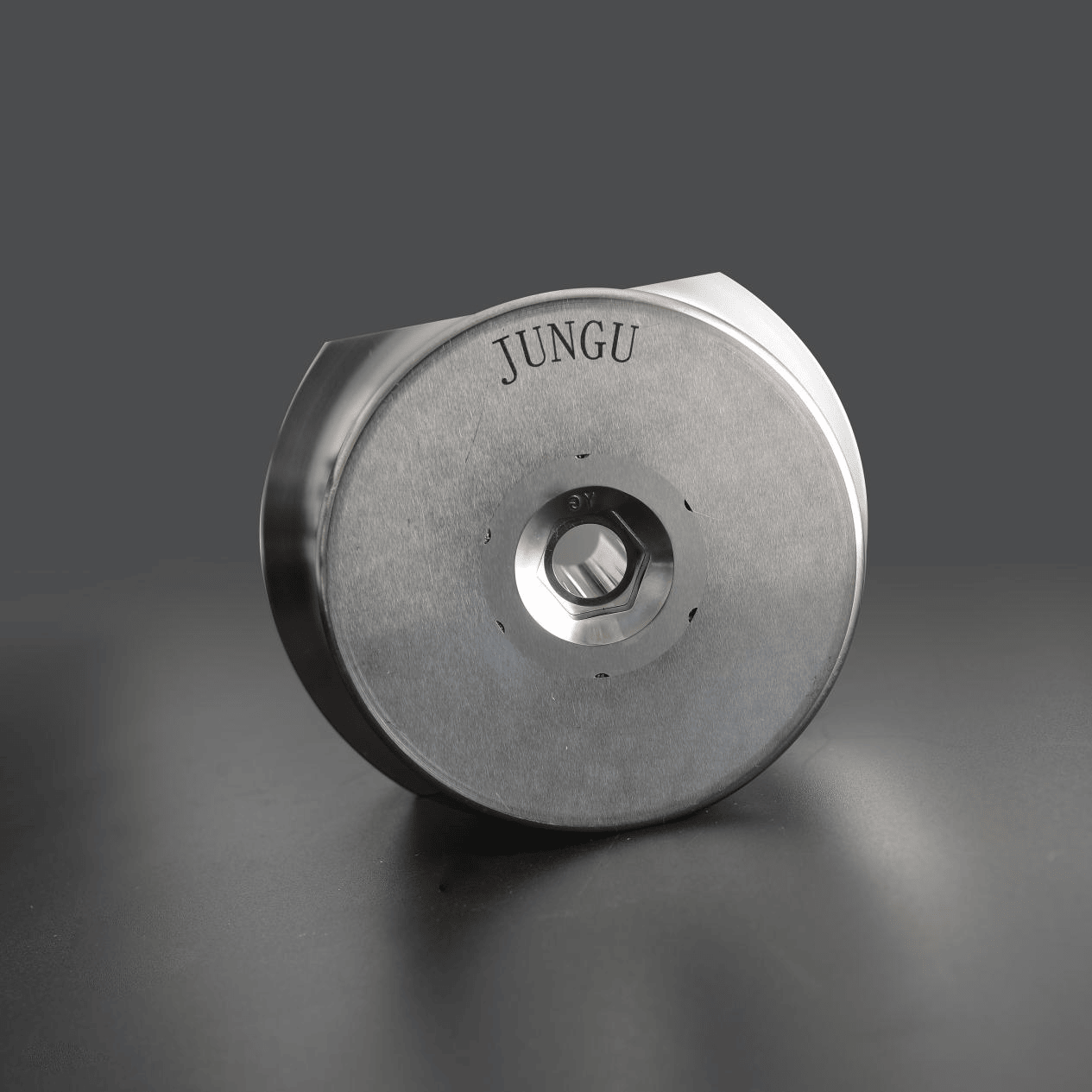
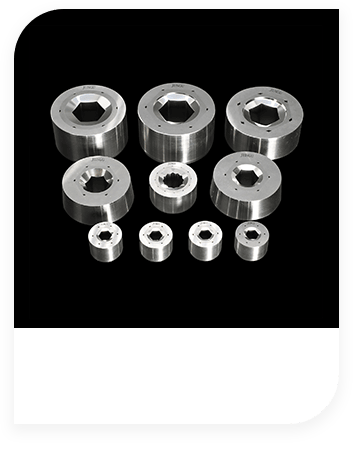
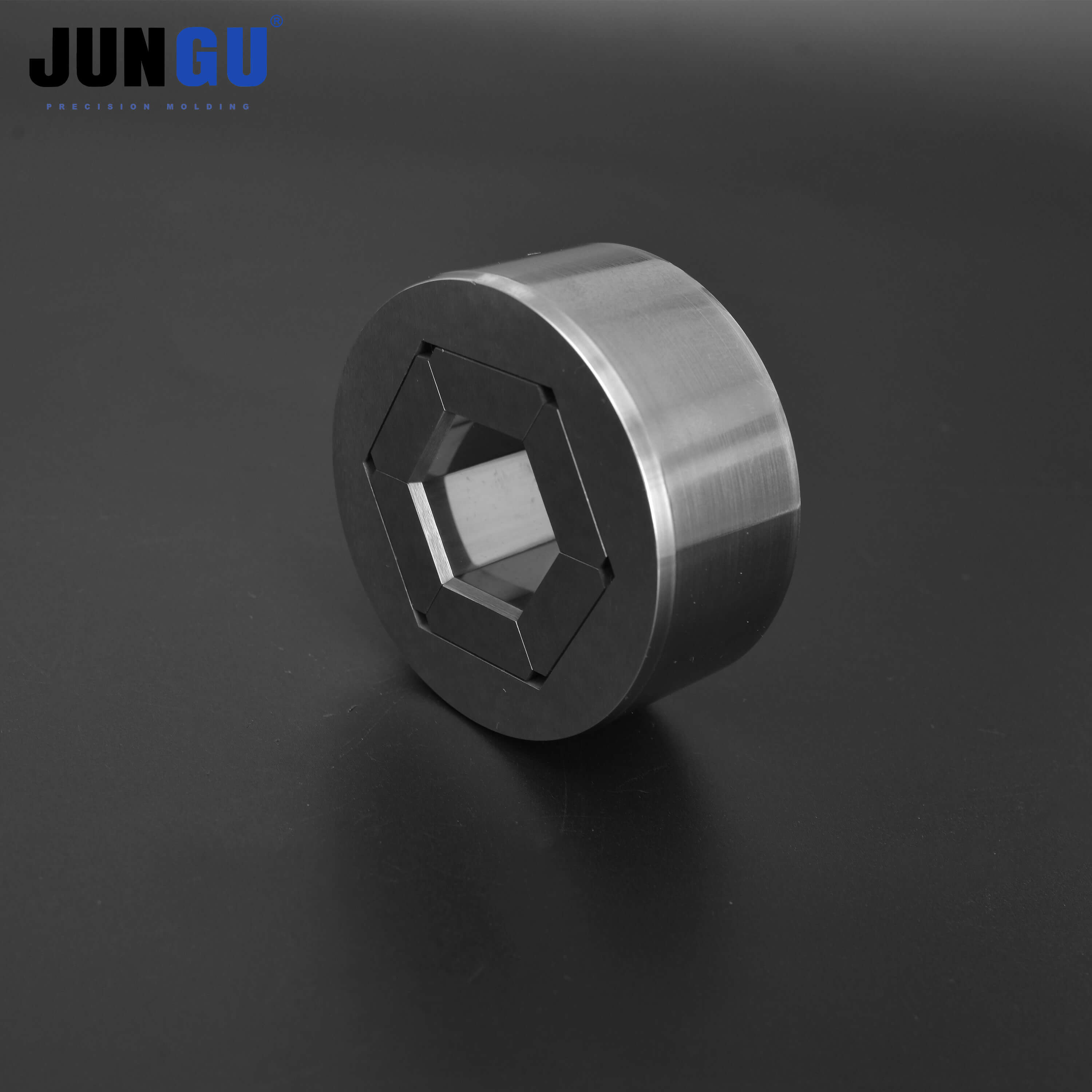
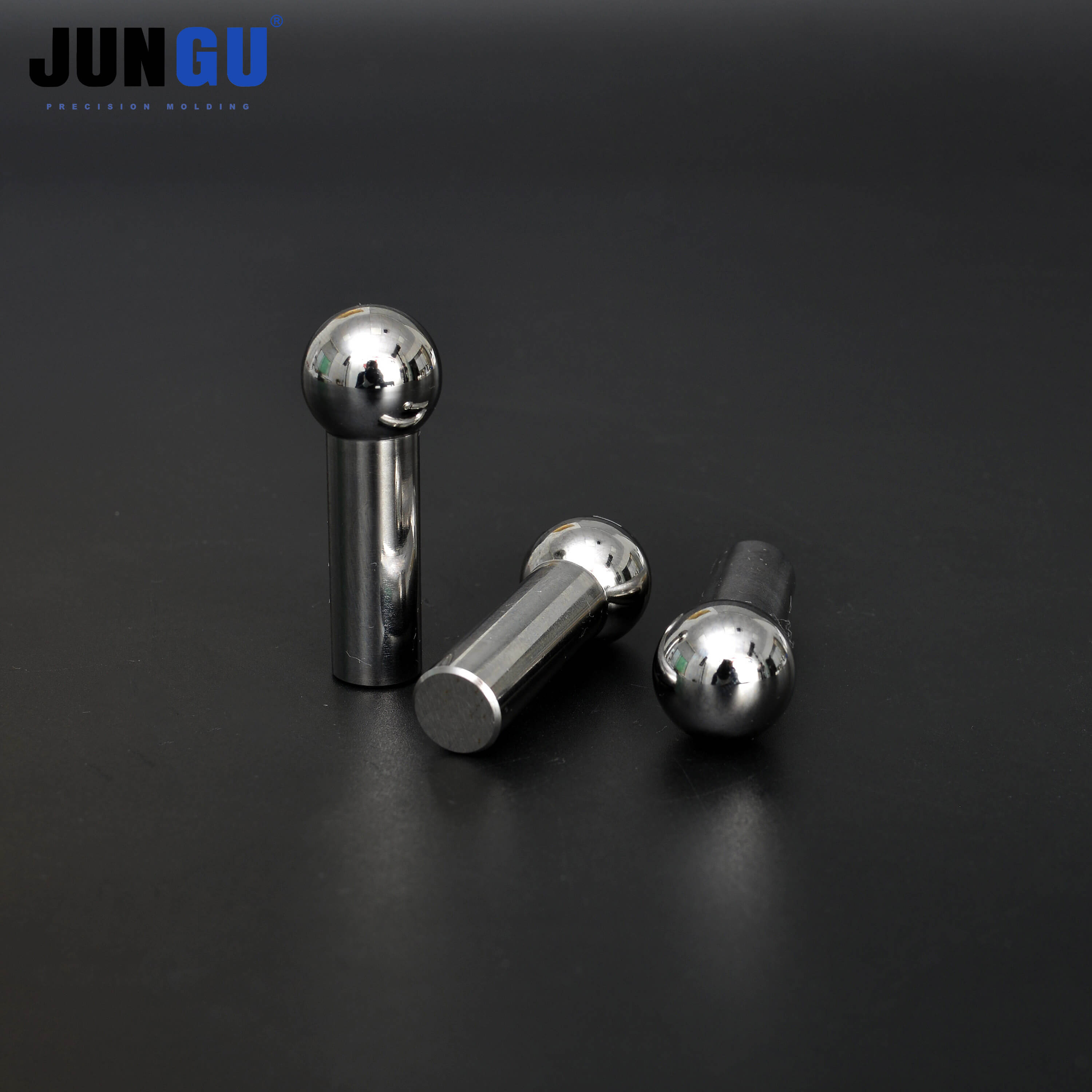
These are specialized tools for shaping, cutting, or forming materials, manufactured from tungsten carbide. CNC machines produce punch pins with precise dimensions through grinding, polishing, and wire EDM processes, achieving accuracy within ±0.002 mm. Unlike standard steel punches, carbide versions use a blend of tungsten carbide, cobalt, titanium tungsten carbide, and nickel — the composition varies per application to achieve the right balance of hardness and toughness.
Key Properties
| Property | Tungsten Carbide | Steel (Typical) |
|---|---|---|
| Hardness (Mohs) | ~9 | ~4–8 |
| Density (g/cm³) | ~15.6 | ~7.8 |
| Wear Resistance | Very high | Lower |
| Temperature Stability | Up to 1,000°C | Softens at high heat |
Performance Differences
Carbide punches outperform steel in stamping operations. They can last up to 20 times longer than most steel punches, reducing replacement frequency. Factories experience fewer tool-related issues and less downtime.
Durability
Tungsten carbide punch tools can be used repeatedly in busy factories, maintaining shape and sharpness through extended use. This results from hard tungsten particles combined with a cobalt binder, resisting cracking, chipping, and bending. Carbide punches achieve 10–20 times the service life of steel. Longer tool life means machines stop less often, enabling continuous production.
Precision
High-precision carbide punches stay sharp for extended periods, resisting the dulling that affects steel punches. They resist bending and chipping, ensuring consistent product quality. Special coatings can further enhance precision and toughness. Industries like electronics use them for small, delicate operations where accuracy is critical.
Industrial Applications
- Automotive: Holes in body panels, engine parts — fewer tool changes, higher output
- Electronics: Progressive stamping of connectors, terminals — tight tolerances, smooth finish
- Aerospace: Forming, deburring, punching fasteners — high precision, durability
- Medical devices: Holes in surgical tools, implants — consistent quality, long tool life
- Mining and construction: Drill bits and tough tools — 37.6% market share (2024)
Cost-Effectiveness
Standard tungsten carbide punches cost $0.25–$0.55 each; high-end versions reach $10–$90. Steel punches typically run $0.80–$6 each. Despite higher upfront cost, tungsten carbide lasts 3–5 times longer, reducing overall expenditure on replacements and repairs. Proper maintenance and recycling of these punches supports both cost savings and environmental goals.