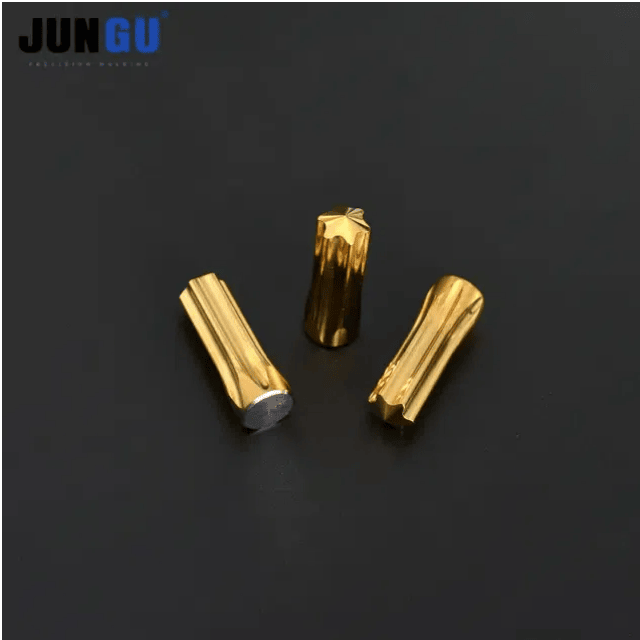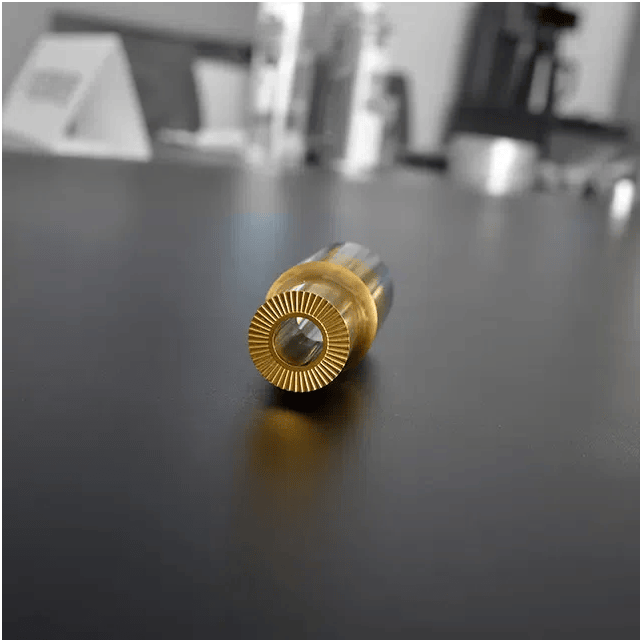
How Custom Mold Punch Tools Improve Line Efficiency
Practical guide to custom mold punch tools for production lines: drawing fit, material choice, tool life, downtime reduction, and measurable process checks.
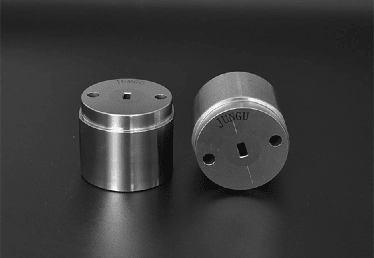
How Customized Mold Punch Tools Improve Production Line Efficiency
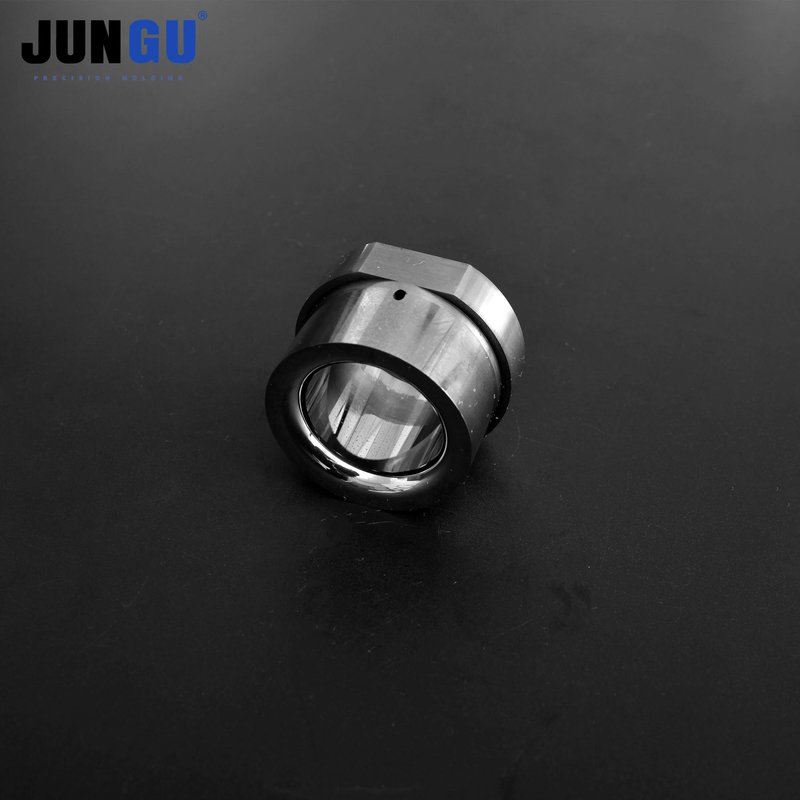
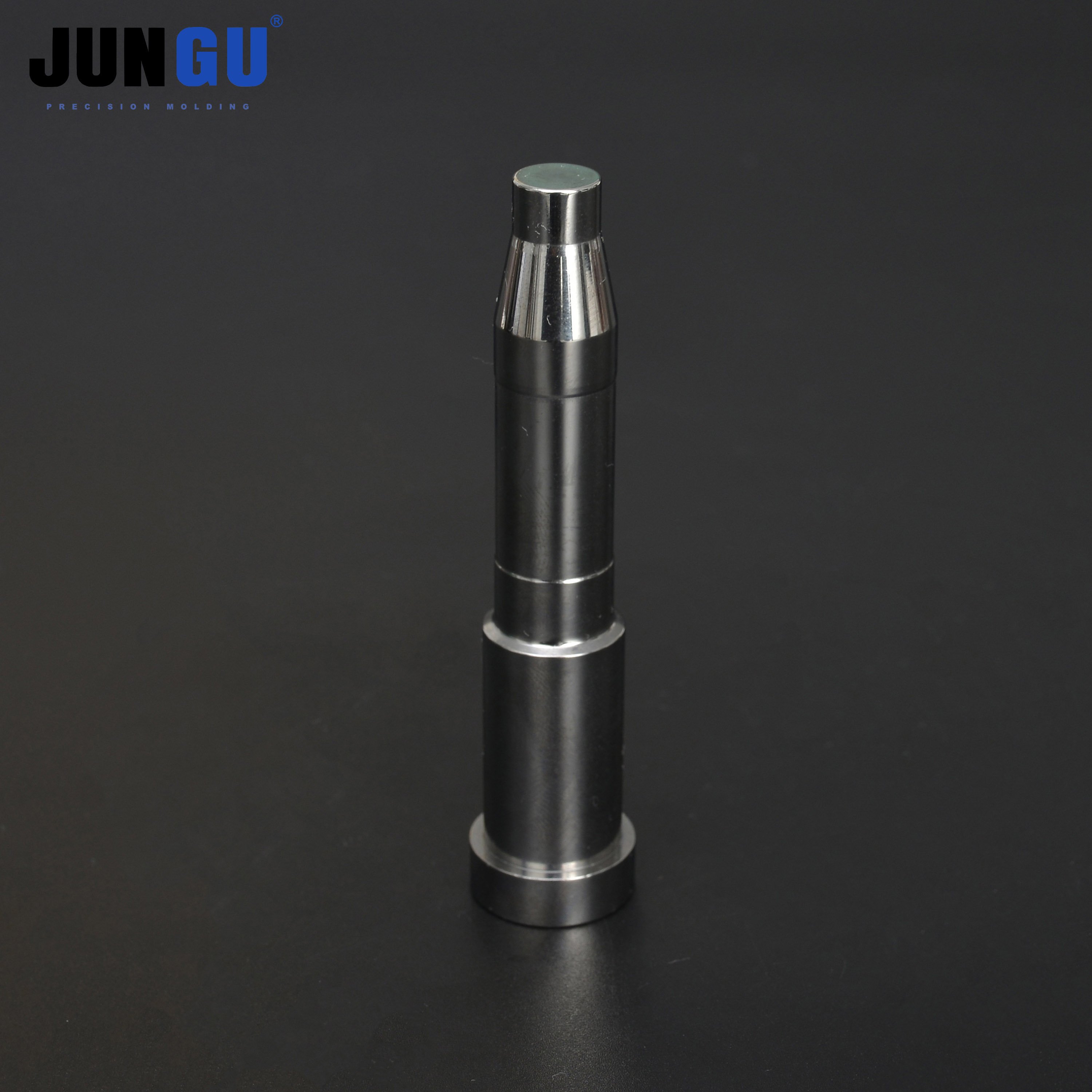
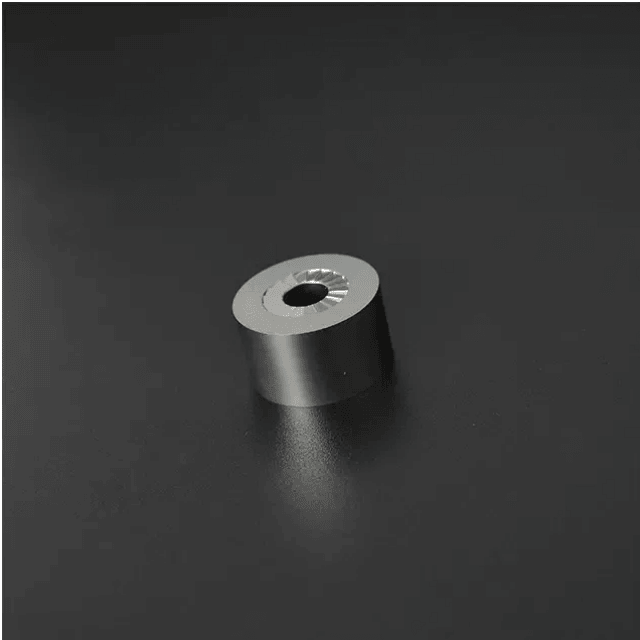
Custom mold punch tools are useful when a standard punch cannot hold the required part geometry, material behavior, or production rhythm. For a stamping or cold forming line, the goal is not simply to make a different-shaped tool. The goal is to keep the punch, die, holder, material, and machine stroke working as one controlled system.
Where Standard Punch Tools Start to Limit Output
Production teams usually consider a custom punch tool when they see repeated burrs, fast edge wear, poor hole position, unstable forming force, or frequent line stops for tool adjustment. These problems often come from a mismatch between the standard tool geometry and the actual drawing, material thickness, hardness, lubrication, or machine condition.
What a Custom Tool Should Be Based On
- Part drawing, tolerance, and critical dimensions
- Material grade, hardness, coating, and thickness
- Machine model, stroke, holder type, and available clearance
- Expected batch size and acceptable tool-change interval
- Failure records from the current punch or die set
Efficiency Gains That Can Be Measured
More Stable Part Accuracy
A custom punch can match the working profile and clearance required by the part. This reduces trial adjustment and helps keep holes, slots, heads, or formed features inside tolerance for longer runs.
Shorter Stops for Tool Change
When material, heat treatment, coating, and edge geometry are selected for the actual workload, the tool wears more predictably. Operators can plan replacement instead of stopping the line after sudden chipping or breakage.
Lower Scrap and Rework
Better alignment and controlled cutting or forming geometry reduce burrs, cracks, and off-size features. The saving comes from fewer rejected parts, not from the punch price alone.
Engineering Notes for Buyers
Before ordering a custom punch, send the part drawing, current tool drawing if available, material details, defect photos, and expected production volume. These inputs allow the mould supplier to recommend carbide, high-speed steel, coating, polishing, and tolerance control based on the actual forming condition.
Conclusion
A custom mold punch tool improves line efficiency when it is designed around a real production problem. The strongest results come from matching geometry, material, heat treatment, and machine fit to the part, then checking tool life and scrap rate after the first production run.