The Essential Features of Punch Dies and Punch Tools for Efficient Metalworking
Learn the six essential features of punch dies and punch tools: durability, precision, wear resistance, versatility, maintenance, and cost-effectiveness.
The Essential Features of Punch Dies and Punch Tools for Efficient Metalworking
Punch dies and punch tools are essential for achieving precise cuts, shapes, and designs in metalworking, with applications across automotive parts, electronics, and consumer goods.
Understanding Punch Dies and Punch Tools
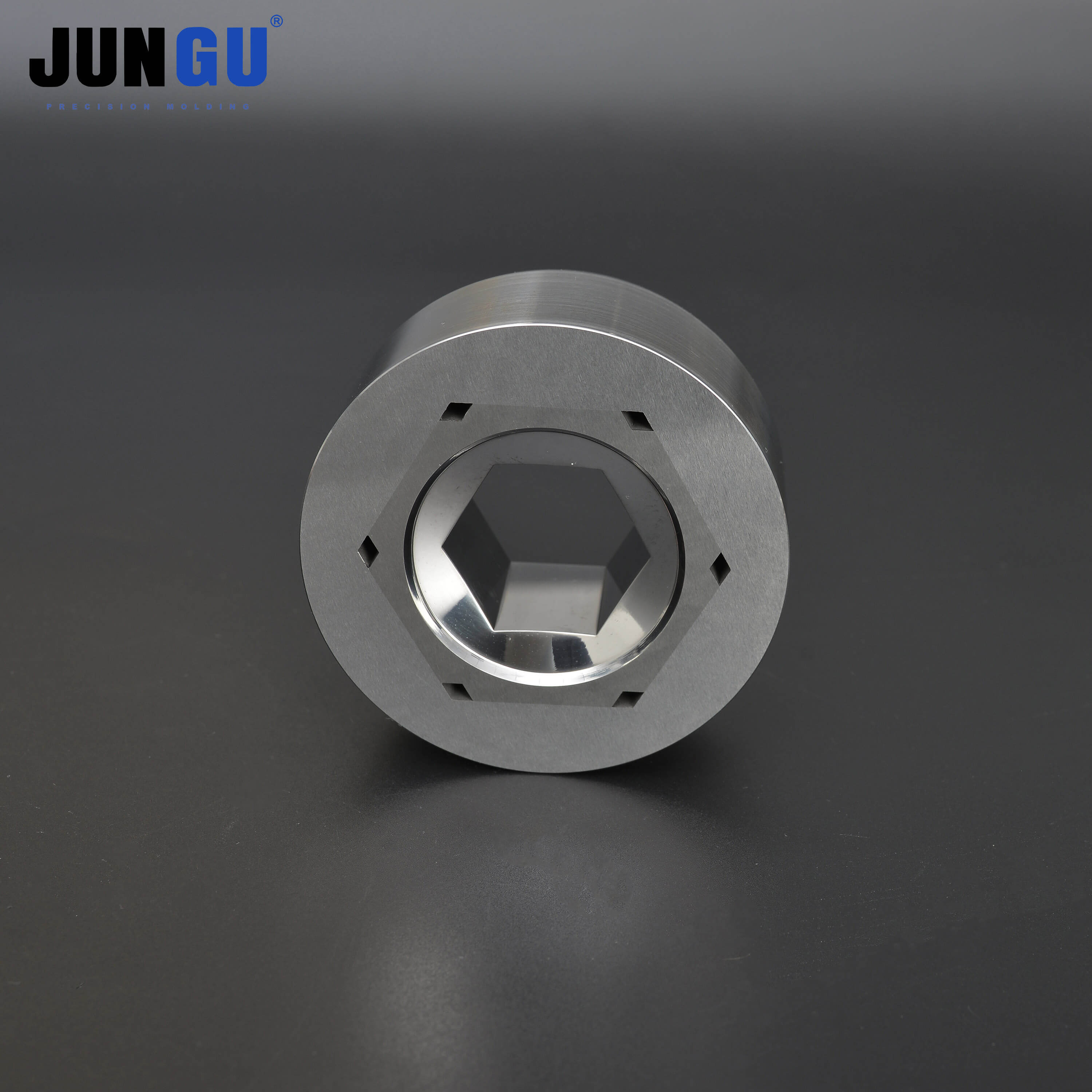
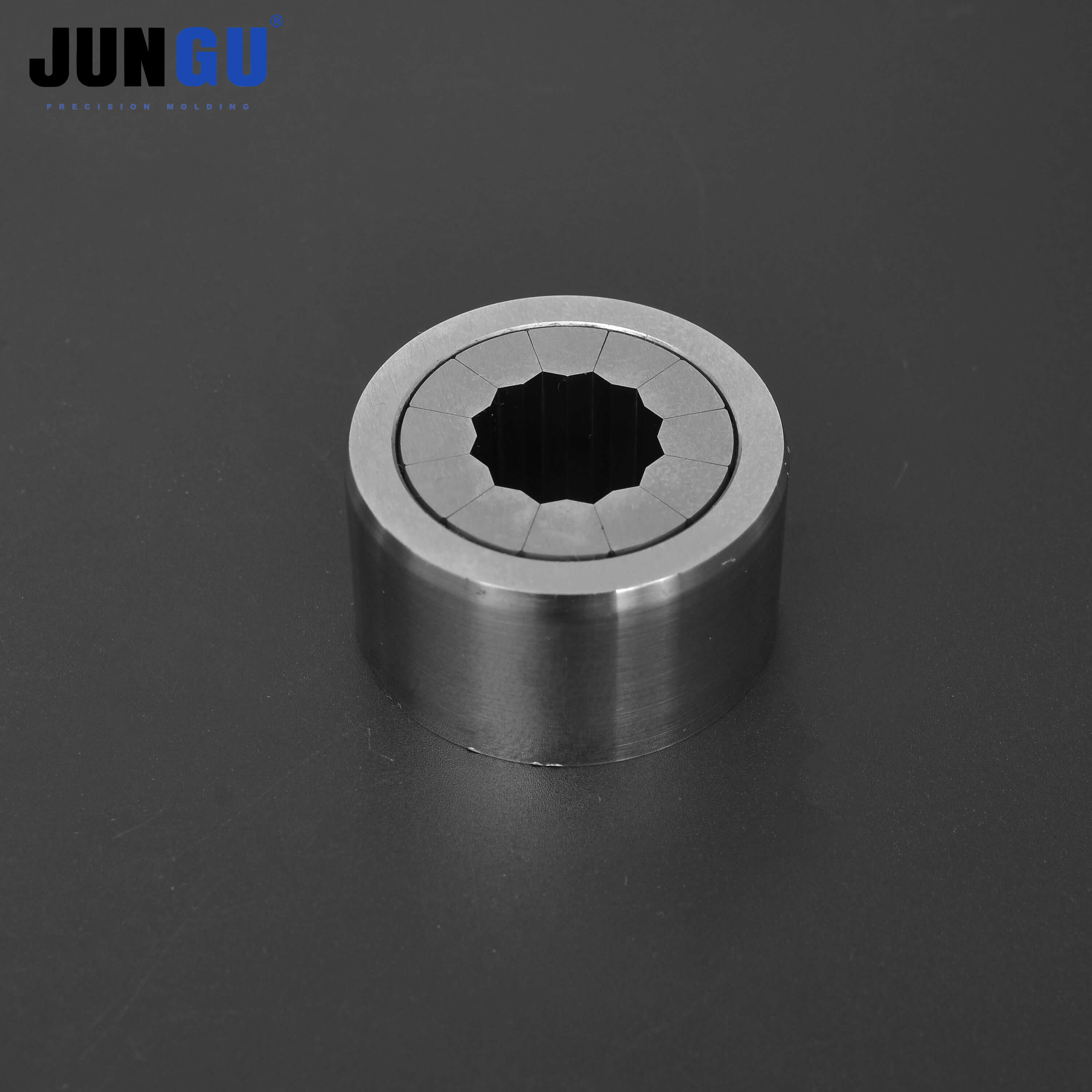
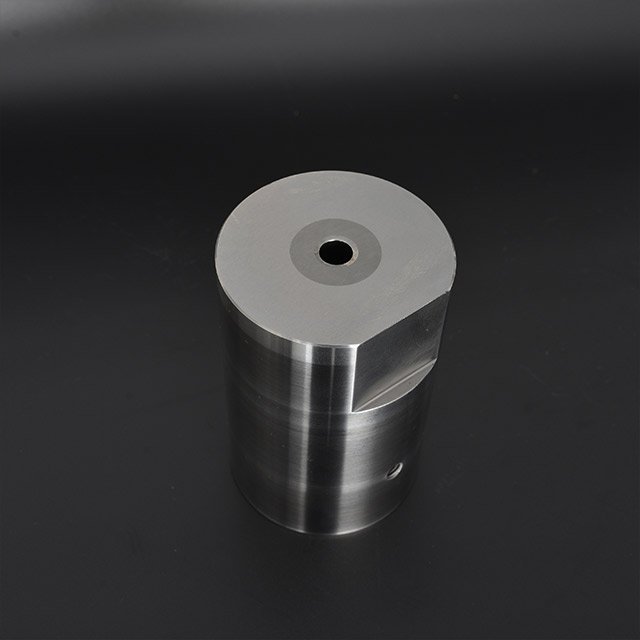
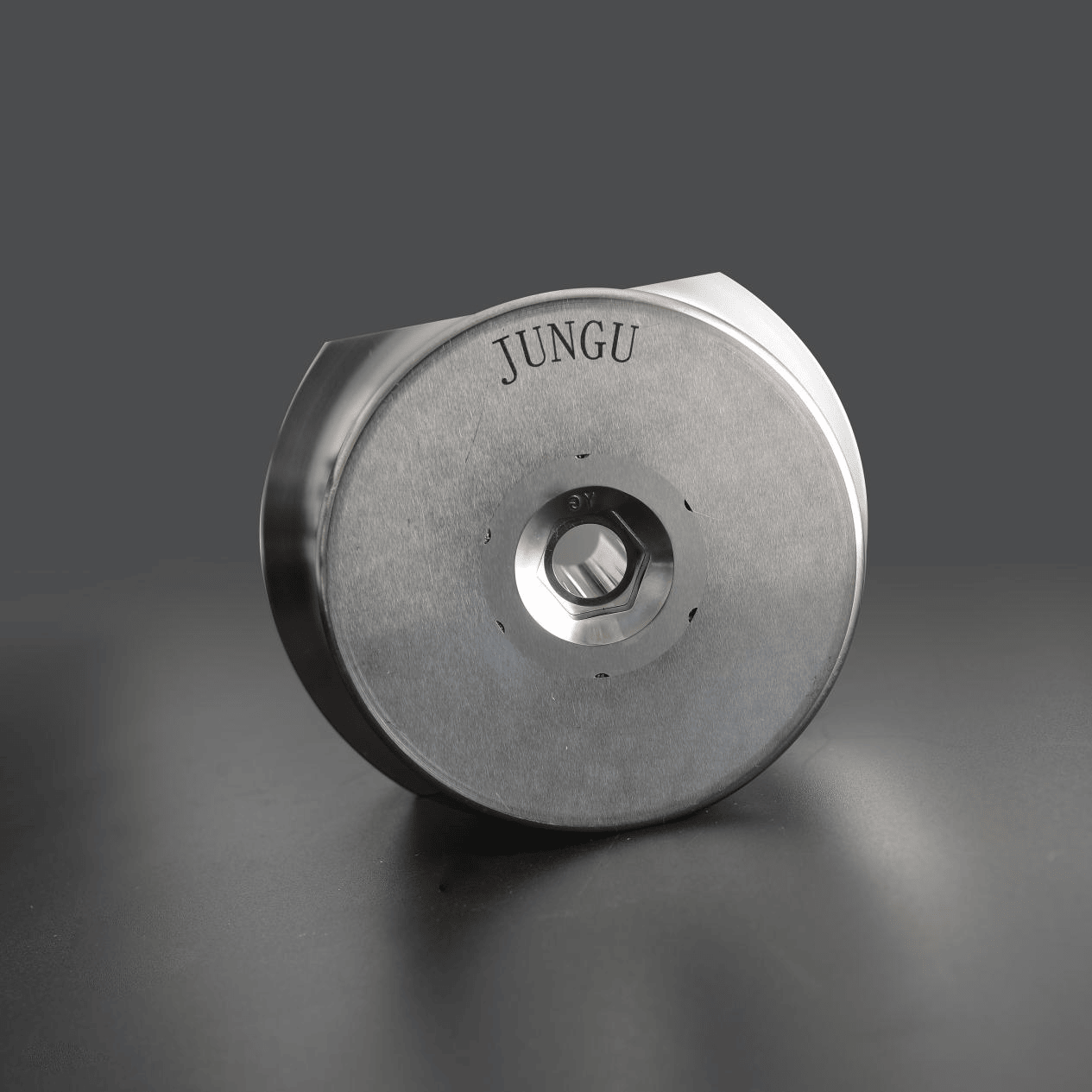
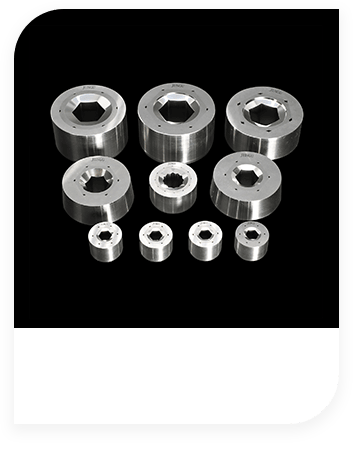
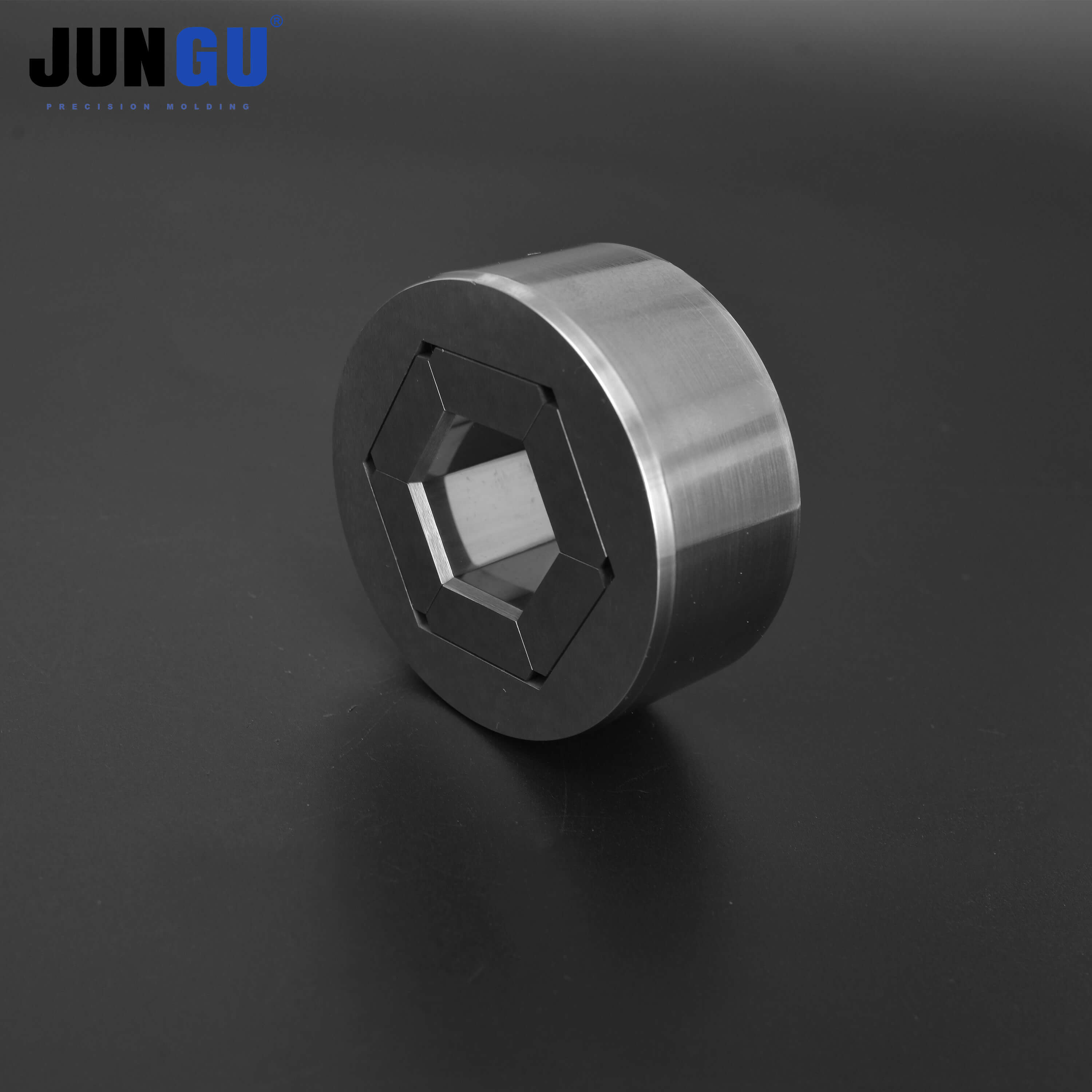
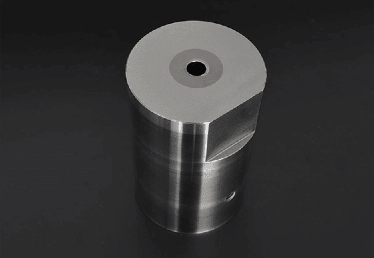
Punch dies cut or shape materials by applying pressure. They consist of two main parts: the punch (which applies force) and the die (the cavity that receives the material). Punch tools encompass punches, dies, and other implements used with press machines for shaping, cutting, and forming metal.
1. Durability and Material Strength
These tools endure high levels of stress, pressure, and abrasion during metalworking. Common materials include tool steels for general applications, high-speed steel (HSS) for faster cutting speeds, and carbide for the highest wear resistance in high-volume production or hard materials. Durability extends tool sharpness and effectiveness, cutting downtime and replacement frequency.
2. Precision and Accuracy
Precision is vital, especially in electronics and aerospace, where tight tolerances are safety-critical. Key elements include tight tolerances manufactured to exacting specifications, sharp edges that stay sharp for clean cuts, and fine finishes that reduce post-processing needs. Accurate cuts reduce secondary operations like deburring and sanding, lowering labor and material costs.
3. Wear Resistance
Continuous stress and abrasion degrade cutting edges over time. Carbide is highlighted for exceptional wear resistance, and treatments like nitride coating add a harder outer layer. High wear resistance maintains cutting performance longer, minimizing downtime for tool changes.
4. Versatility and Customization
Good punch dies should handle a wide range of functions — from cutting holes to intricate designs. Customization is crucial when standard dies cannot meet specific requirements. Automotive and electronics manufacturers often need custom dies for unique parts.
5. Ease of Maintenance and Compatibility
Tools should be easy to inspect, maintain, and replace. Routine maintenance keeps them in optimal condition. Compatible tooling prevents misalignment and excessive wear, ensuring smooth production runs.
6. Cost-Effectiveness
High-quality dies may have a higher upfront cost but save money long-term through longer lifespans, reduced waste, and lower maintenance. Carbide or HSS can be cost-effective for high-volume operations by reducing replacement frequency.