Is Tungsten Carbide Sharper Than Steel?
Compare tungsten carbide vs steel sharpness and edge retention. Data from 1M stroke tests shows carbide maintains sharpness significantly longer than steel.
Is Tungsten Carbide Sharper Than Steel?
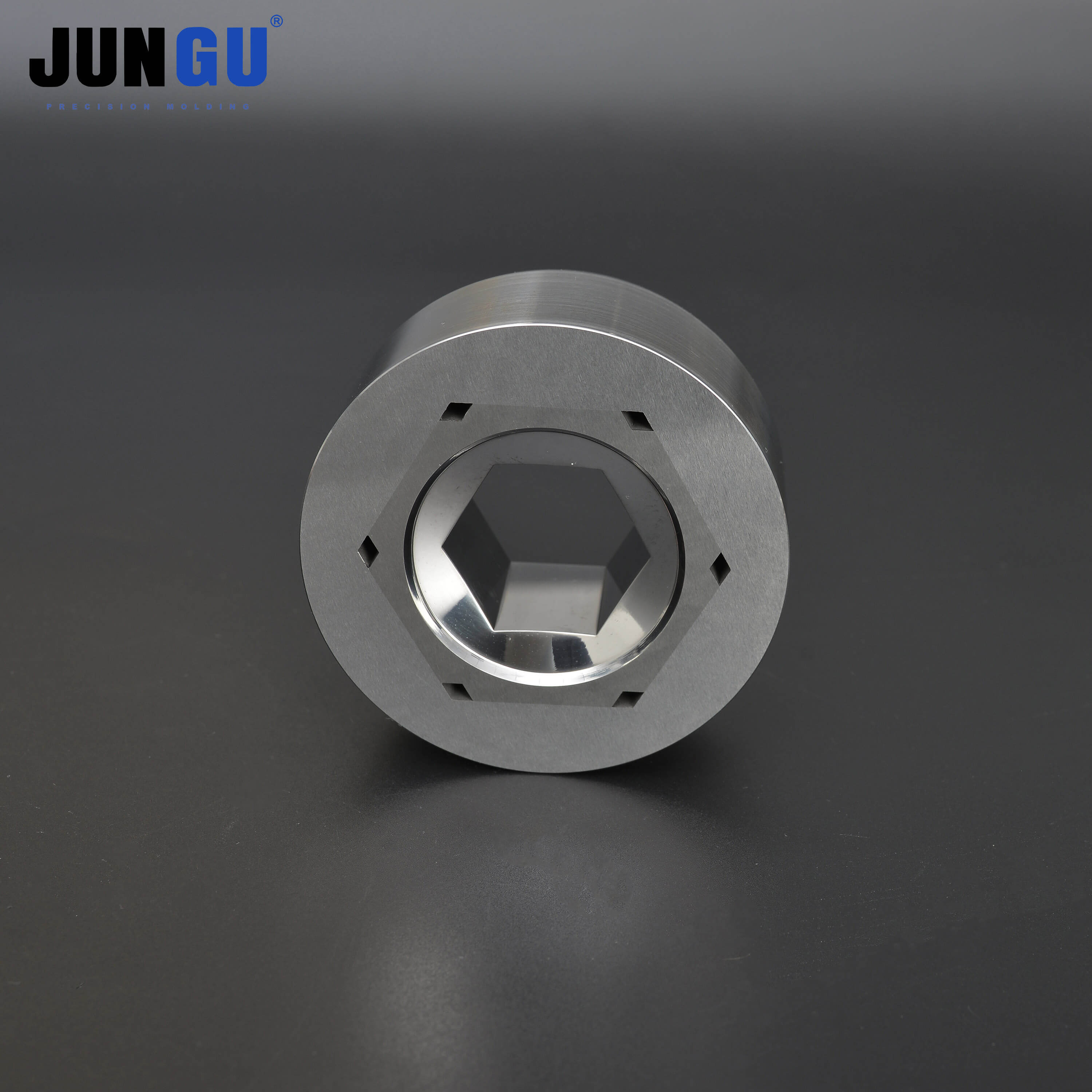
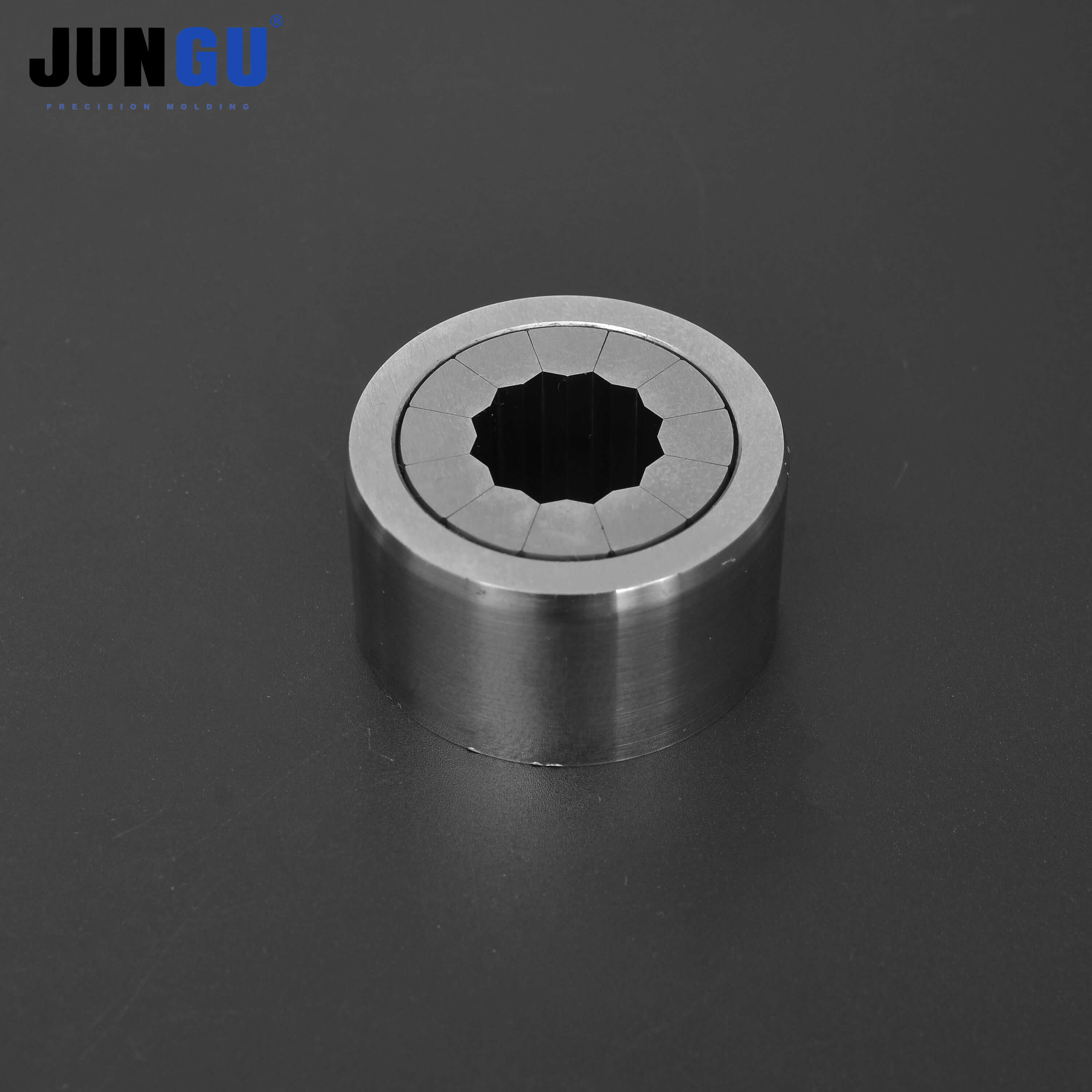
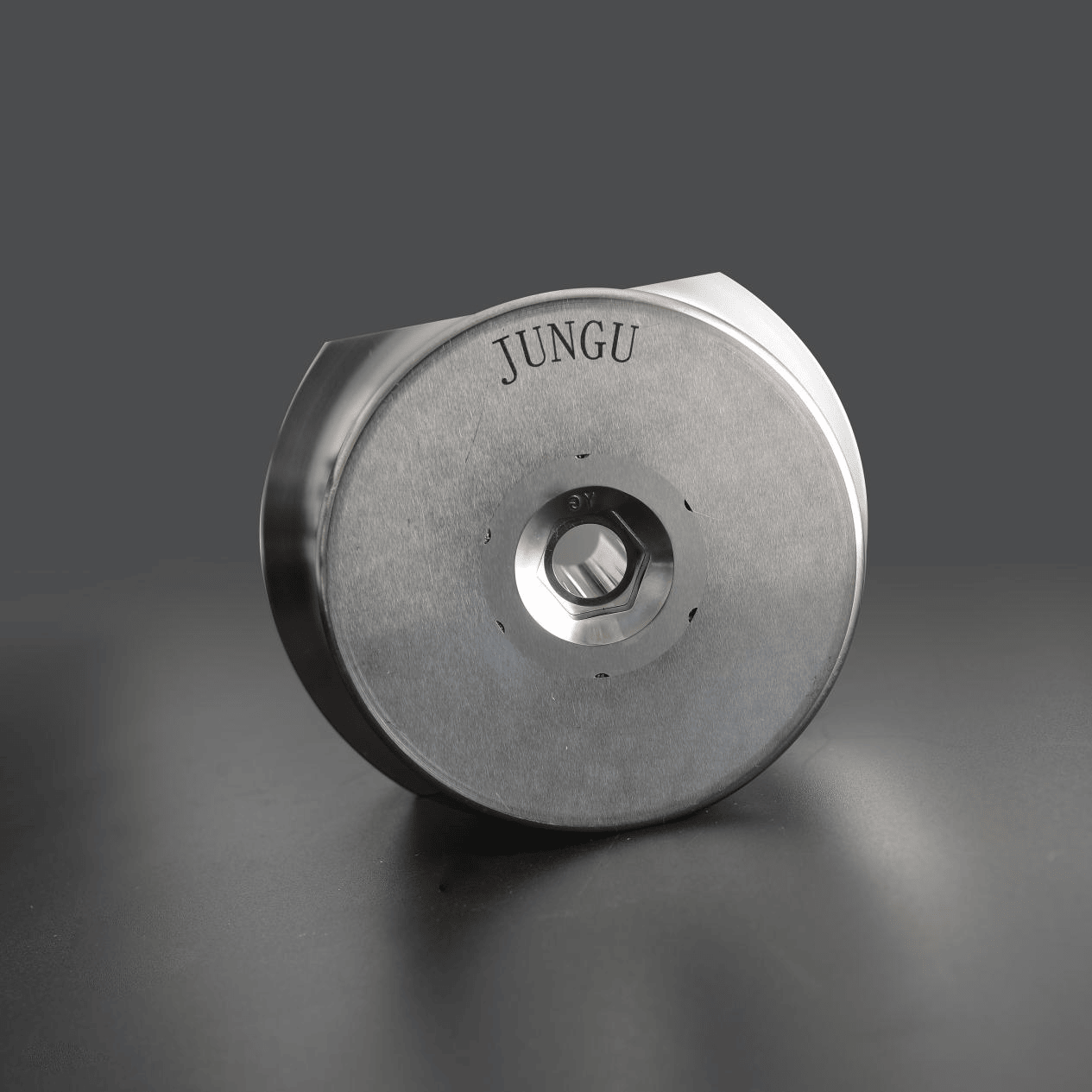
Tungsten carbide outperforms steel in sharpness retention for many applications. Research indicates that reinforcing steel with tungsten carbide boosts hardness by approximately 23% and strength by approximately 35%, helping punches maintain their edge longer.
Sharpness and Edge Retention
A study compared tungsten carbide punches with high-speed steel (HSS) and powder metallurgical steel (REX) over 1,000,000 strokes on spring strips. REX punches showed steady rounding, with edge radius growing from 17 μm to 42 μm. Tungsten carbide punches initially became sharper due to small chips in the cobalt matrix, then rounded slightly, ending at 24 μm after 1M strokes. HSS punches rounded then self-sharpened back to original sharpness.
Key findings: tungsten carbide punches maintain sharpness longer than most steels, with their edge staying near original sharpness even after heavy use. Factories requiring high-quality cuts select them for punch die sets.
Hardness Comparison: Tungsten Carbide vs. Steel
Most steel punches rate approximately HRC 60, while tungsten carbide exceeds HRC 71. Tungsten carbide requires diamond or CBN stones for sharpening, unlike steel. Its stiffness minimizes vibration and bending, producing cleaner cuts. It retains hardness at high temperatures (up to 900–1,000°C), whereas steel punches may bend or dull.
| Property | Tungsten Carbide Punches | Steel Punches |
|---|---|---|
| Hardness | Very hard (~90 HRA) | Softer (~60 HRC) |
| Brittleness | More brittle, can chip | Tougher, impact-resistant |
| Tool Life | 10–20× longer | Shorter |
| Dimensional Stability | Maintains hole size | Enlarges with wear |
| Surface Finish | No burrs, smooth | More burrs, rough spots |
| Impact Resistance | Lower, needs care | Higher |
Wear Resistance in Punches
In indentation and ball-on-sample tests, tungsten carbide showed significantly less wear, lower friction, and less material adhesion compared to steel. Benefits include longer tool life, stable dimensions, smooth surface finish, and lower maintenance costs. Steel punches produce more burrs and rough spots as they wear.
When to Choose Steel Instead
Steel suits jobs requiring toughness over hardness, shock resistance, or limited budget. Choose steel when high impact or bending is expected, extreme hardness or heat resistance is unnecessary, or the workpiece material conflicts with carbide.