Custom Mold Punch Tools for Product Range and Process Capability
How custom mold punch tools help manufacturers add part sizes, materials, and geometries while keeping tolerance control and tool life predictable.
How Customized Mold Punch Tools Expand Product Range and Production Capability
Custom mold punch tools help manufacturers take on parts that standard tooling cannot process reliably. The value is practical: support more sizes, more materials, and more forming details while keeping tolerance, tool life, and changeover under control.
What Makes a Punch Tool ?Custom?
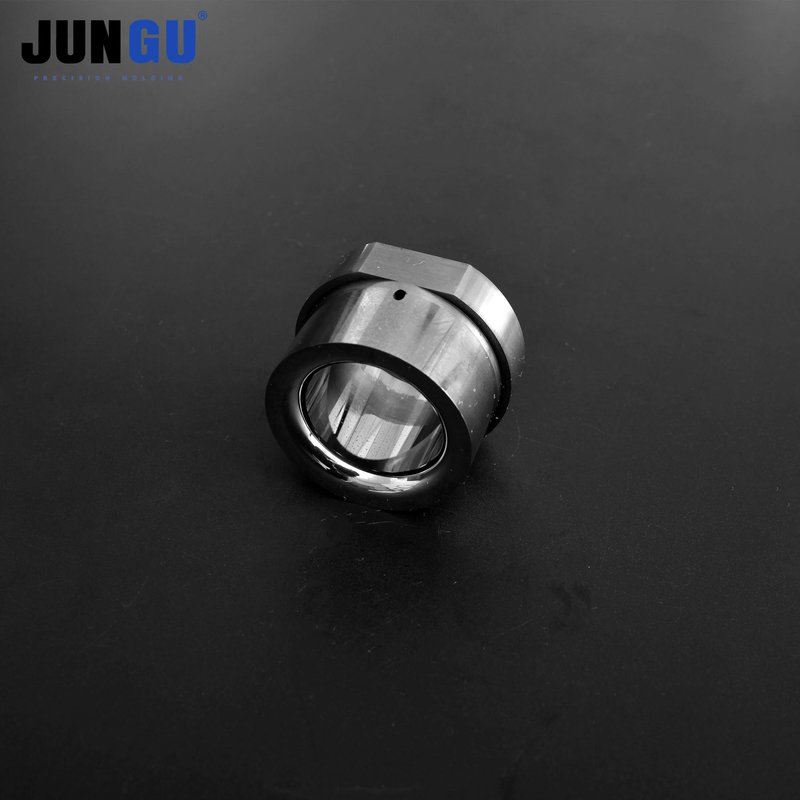
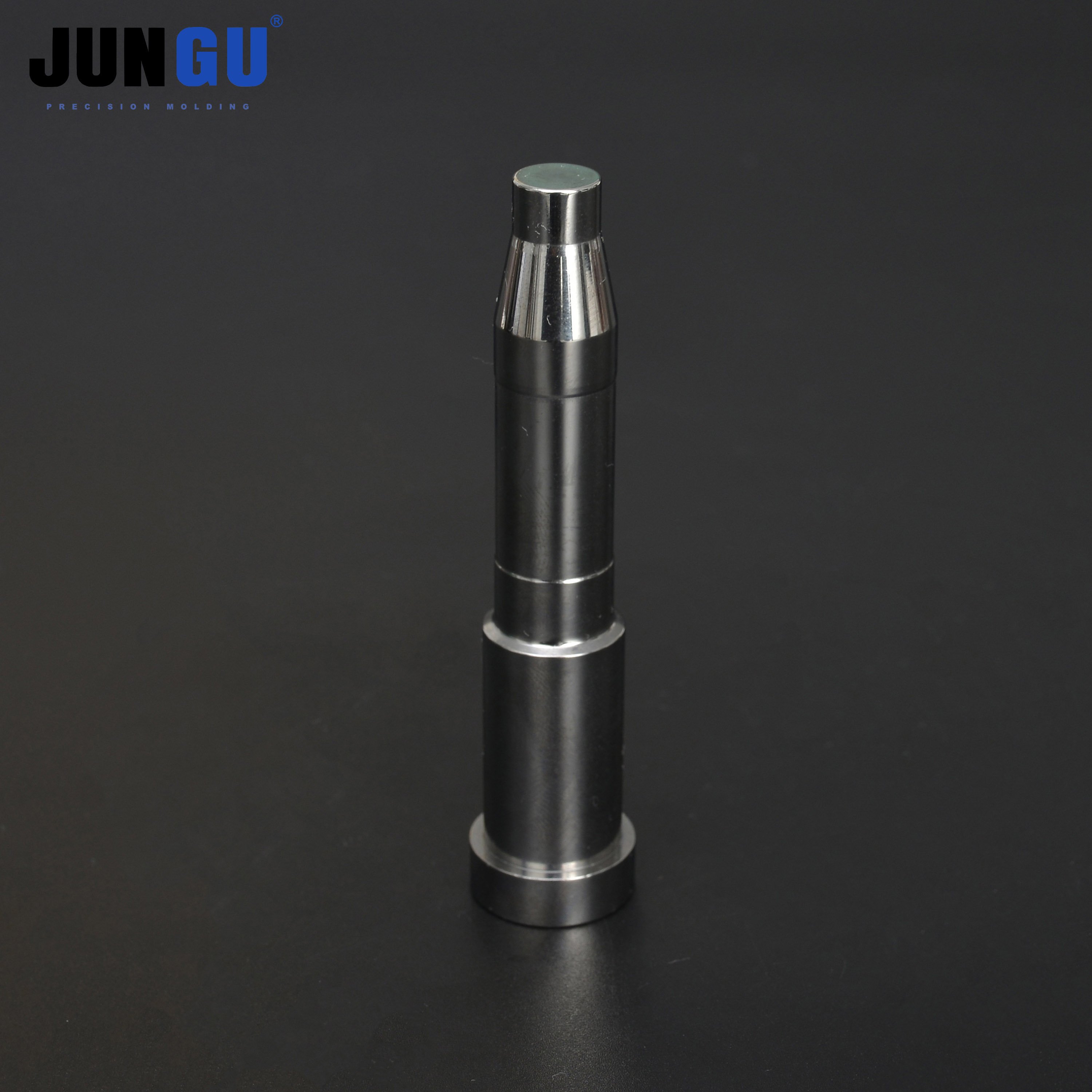
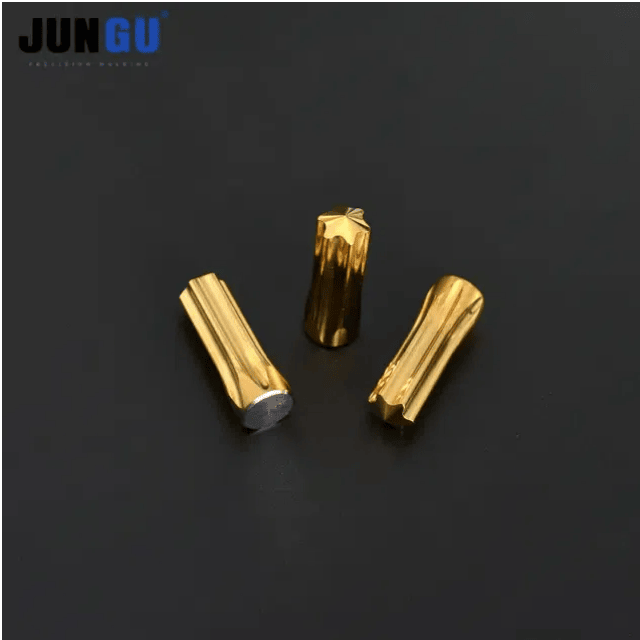
A custom punch tool is built around a specific part drawing and production condition. The supplier adjusts the working profile, clearance, material, heat treatment, surface finish, coating, and holder fit so the tool matches the actual machine and material instead of a general catalog size.
How Custom Tooling Expands Product Range
More Complex Geometries
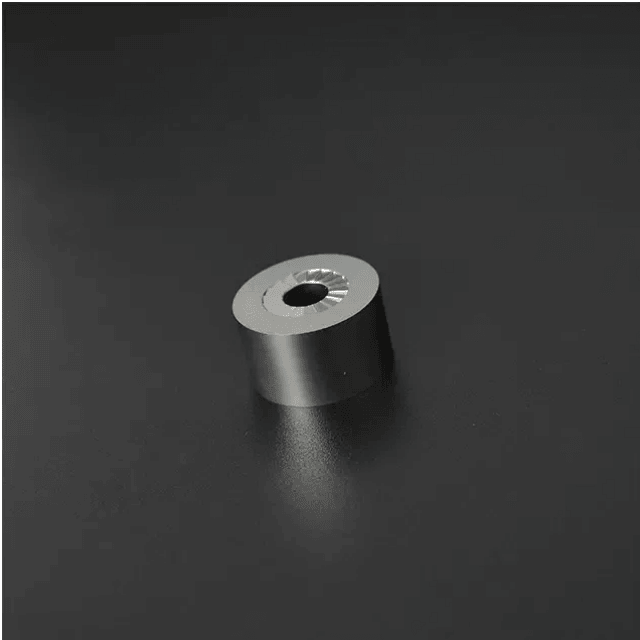
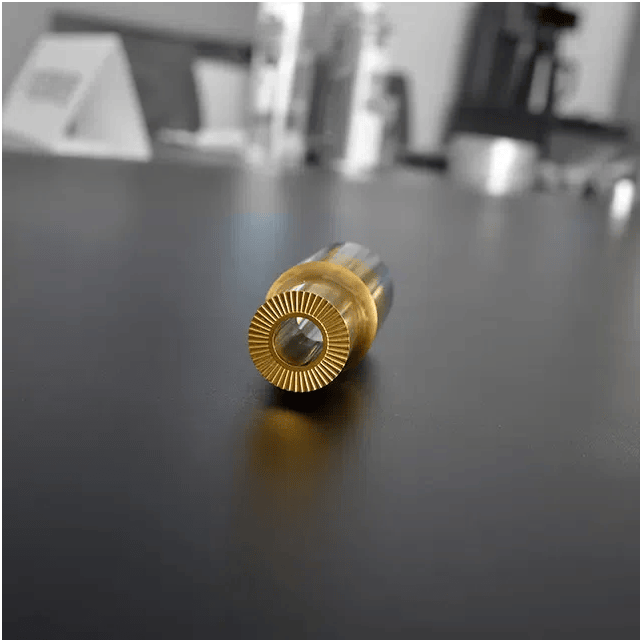
Automotive, electrical, and fastener parts often require non-standard holes, slots, heads, ribs, or formed features. Custom punch tools allow these details to be produced repeatedly without forcing the part design to fit a standard punch.
More Material Options
Stainless steel, aluminum, copper alloy, high-strength steel, and coated materials behave differently during punching or forming. A custom tool can use suitable carbide or tool steel, edge preparation, and surface treatment for the material instead of relying on one general setup.
More Size Flexibility
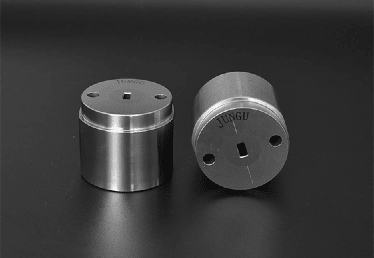
When a customer adds a new size or variant, the production line does not always need a complete redesign. A properly designed punch and matching die insert can extend the available product range while preserving the existing machine platform.
How It Improves Production Capability
- Tolerance control: working dimensions are designed from the drawing and verified against the real process.
- Tool life: material, heat treatment, and polishing are selected for the load and wear pattern.
- Process repeatability: operators get a tool that fits the holder and machine stroke instead of adjusting around mismatch.
- Lower material waste: stable punching and forming reduce scrap from burrs, cracks, and off-size features.
Typical Industries
Custom mold punch tools are common in automotive fasteners, electrical connectors, aerospace hardware, medical device components, and precision metal parts. In these fields, small dimensional errors can affect assembly, torque, contact, or sealing performance.
Buyer Checklist
For a reliable quotation, prepare the part drawing, material grade, production volume, machine information, current defect photos, and target tool life. These details help the supplier design a tool that expands capability without creating hidden production risk.