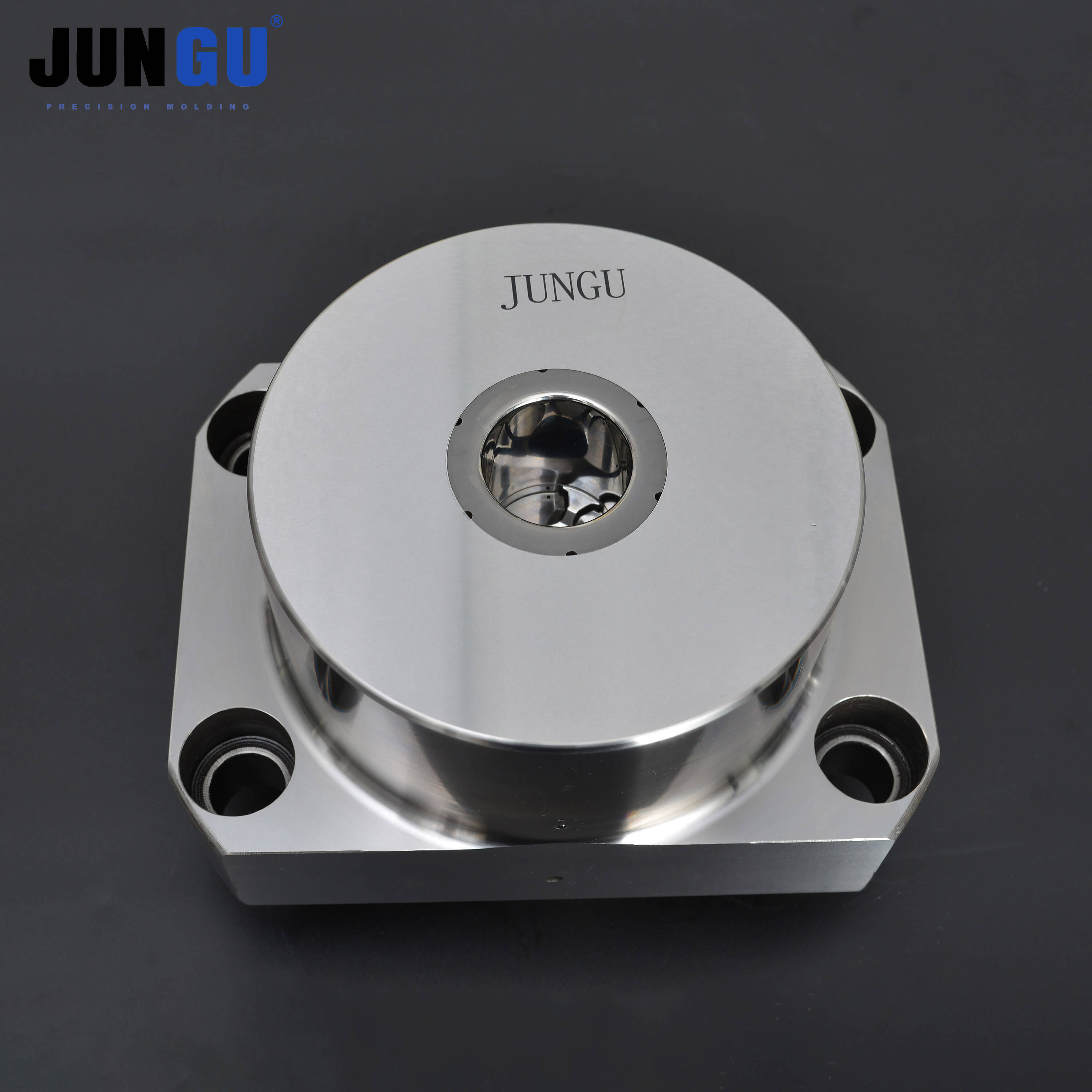
What Is the Difference Between a Hex Die and a Round Die?
Hex dies are for thread repair with simple wrench use, round dies cut new threads with precision, and carbide dies handle demanding high-volume applications.
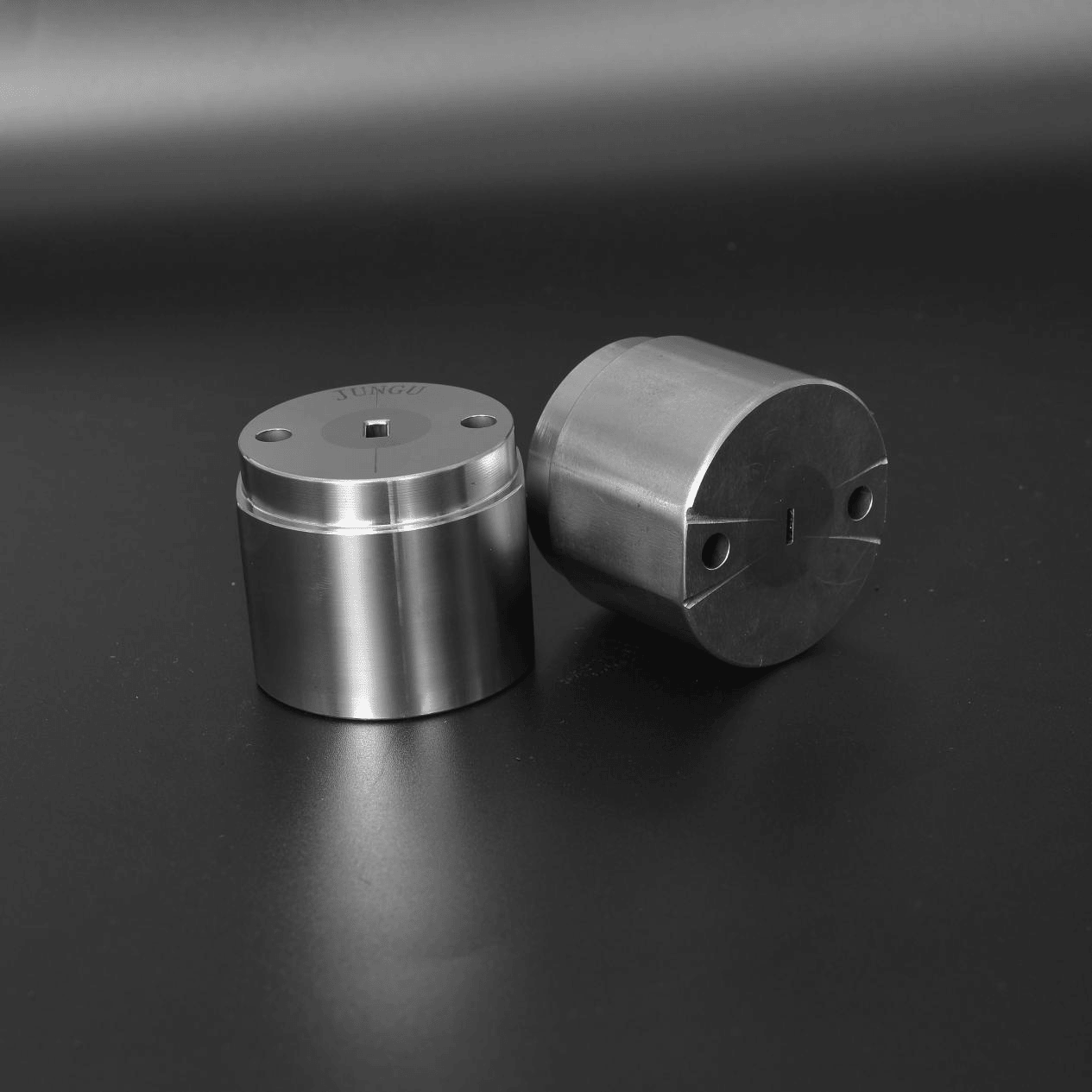
What Is the Difference Between a Hex Die and a Round Die?
Hex dies have six sides while round dies are circular, and this changes how you use them and what jobs they handle best. Carbide dies offer extra strength for demanding applications.
Hex Die
A six-sided tool shaped like a hex nut, used to restore or clean threads on bolts and rods. Its design allows easy gripping with a wrench and works well in tight spaces. Hex dies are primarily used for thread repair — restoring damaged or worn threads rather than cutting new ones. Common applications include rethreading bolts and rods, repairing damaged threads, and cleaning old or rusty threads. They require no special equipment — just hand tools.
Round Die
A circular, ring-shaped tool for cutting new threads on rods, bolts, or pipes. It follows international standards including DIN 223, ISO 2568, and ANSI B94.9. Round dies are used for creating new threads in manufacturing, repair shops, and metalworking. The circular shape enables even thread cutting around the workpiece. A die stock is used to hold and turn the die for control.
Carbide Die
Carbide dies use tungsten carbide combined with metal binders such as cobalt, nickel, or iron, creating extreme hardness and wear resistance. Some formulations include titanium carbide or niobium carbide for added heat stability. Carbide dies are used in factories for cutting and shaping hard materials like steel, and in wire drawing, musical instrument manufacturing, and tailpipe production.
Comparison
| Feature | Hex Die | Round Die | Carbide Die |
|---|---|---|---|
| Shape | Six flat sides, wrench grip | Ring-shaped, requires die stock | Often round, precision applications |
| Function | Repair/clean existing threads | Cut new threads | Stamping, drawing, forming |
| Adjustability | Fixed size, no adjustment | Adjustable pitch diameter | Often adjustable in round form |
| Ease of Use | Simple wrench use | Requires die stock | Professional setup needed |
When to Use Each
- Hex die: Fast thread repair, fixing stripped or rusty bolts, working in confined spaces
- Round die: Cutting new threads, creating custom fasteners, precision projects requiring smooth finishes
- Carbide die: Threading hard metals (stainless or hardened steel), high-volume production, applications requiring extended tool life