If You Need to Cut or Repair a Thread: Die Nuts and Nut Forming Dies
Die nuts for thread repair vs nut forming dies for production. Compare features, applications, and maintenance of these essential threading tools.
Source basis: Jungu customer project records and technical review notes. Customer names, drawings, and production data are anonymized unless publication was authorized.
If You Need to Cut or Repair a Thread: Die Nuts and Nut Forming Dies
Screw thread integrity is critical in industrial manufacturing. Maintaining or creating clean threads is essential for structural safety and mechanical efficiency. Hexagon die nuts are a staple for maintenance and repair professionals, while nut forming dies are used in high-volume manufacturing to set standards for dimensional accuracy and material strength.
What Are Die Nuts?
A die nut is a solid, one-piece hexagonal cutting tool used for cleaning or chasing existing threads on bolts and rods. Unlike adjustable button dies, die nuts have no adjustment screw. Their hexagonal exterior allows use with standard sockets, spanners, or adjustable wrenches, making them ideal for on-site repairs.
How to Use Die Nuts for Thread Repair
- Preparation: Clean the damaged bolt of heavy rust or slag that could chip the die nut’s cutting edges
- Lubrication: Apply high-quality cutting fluid to reduce friction and prevent galling
- Alignment: Start the thread straight — an off-center start will permanently ruin the fastener
- Rotation: Slowly rotate the die nut with a wrench, backing off every half-turn to clear debris
- Completion: Back off carefully after reaching the full length of the damaged area
Die Nuts vs. Button Dies
| Feature | Die Nut | Button Die (Round Die) |
|---|---|---|
| Primary Use | Repairing/cleaning threads | Cutting new threads |
| Adjustment | Solid, non-adjustable | Split, slight adjustment |
| Tool Required | Socket or wrench | Die stock |
| Durability | More resistant to splitting | Thinner, can crack under torque |
| Best Use | On-site repairs, tight spaces | Bench work, custom threads |
Nut Forming Dies in Production
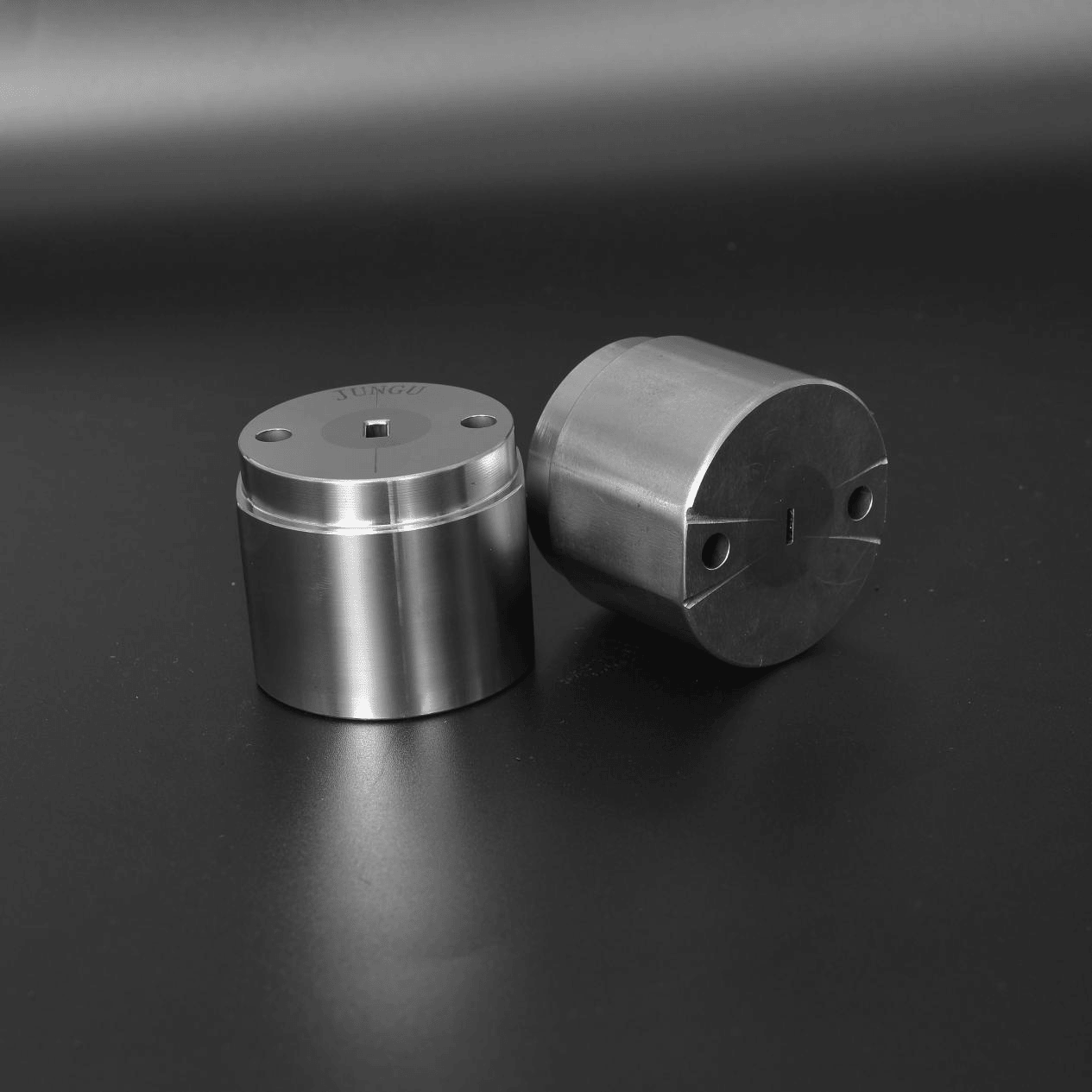
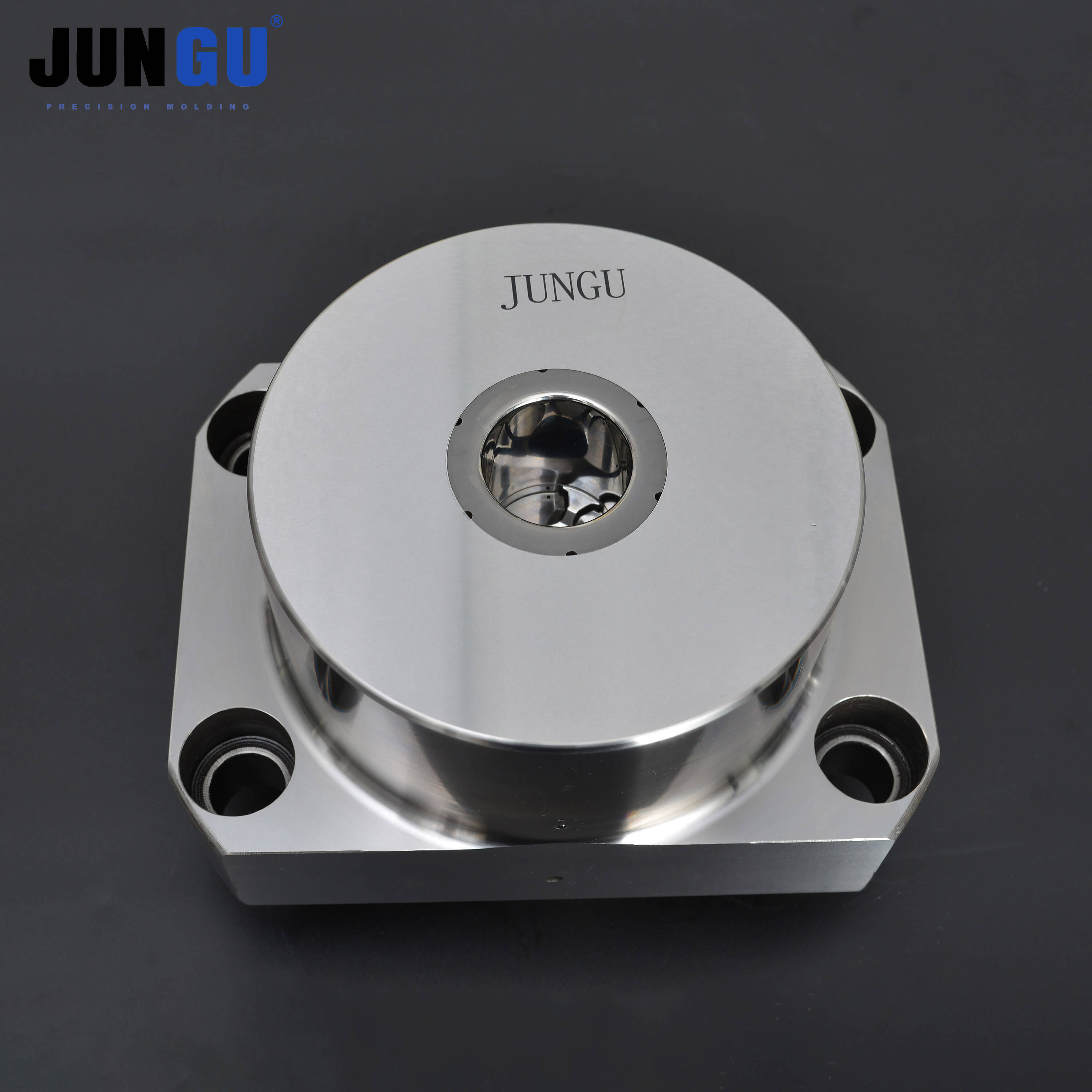
Nut forming dies are precision components used in multi-station cold heading machines to transform wire or rod into hexagonal blanks. Each station performs a specific task: upsetting the metal, squaring it off, punching the center hole. Dies must handle pressures exceeding thousands of PSI and be polished to a mirror finish — any scratch inside will be replicated on every nut produced. Dies often feature carbide inserts and can produce hundreds of thousands of pieces before needing replacement.
Maintenance of Nut Forming Dies
- Lubrication: Specialized lubricants sprayed into the die cavity during every stroke prevent metal pickup
- Inspection: Coordinate measuring machines check internal dimensions for wear
- Storage: Climate-controlled storage and protective oils prevent corrosion