What’s the Difference Between Roll Threading vs Cut Threading Bolts?
Compare roll threading vs cut threading: grain flow, surface finish, tensile strength, production speed, and material waste differences explained.
What’s the Difference Between Roll Threading vs Cut Threading Bolts?
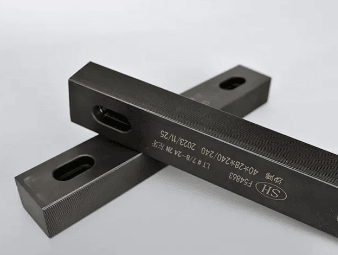
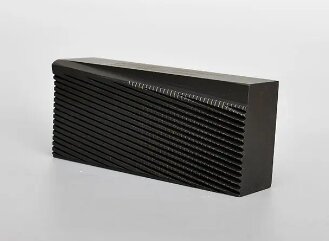
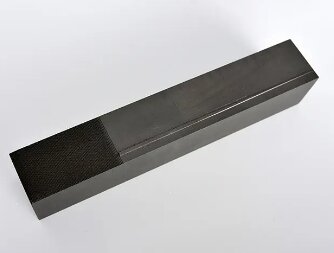
Roll threading is a cold-forming process where a bolt blank is pressed between hardened steel thread rolling dies. The metal is displaced to create a thread profile without any material being removed. Cut threading is a subtractive machining process where a cutting tool physically removes steel from a round bar to carve thread grooves.
Roll-Threading Bolts
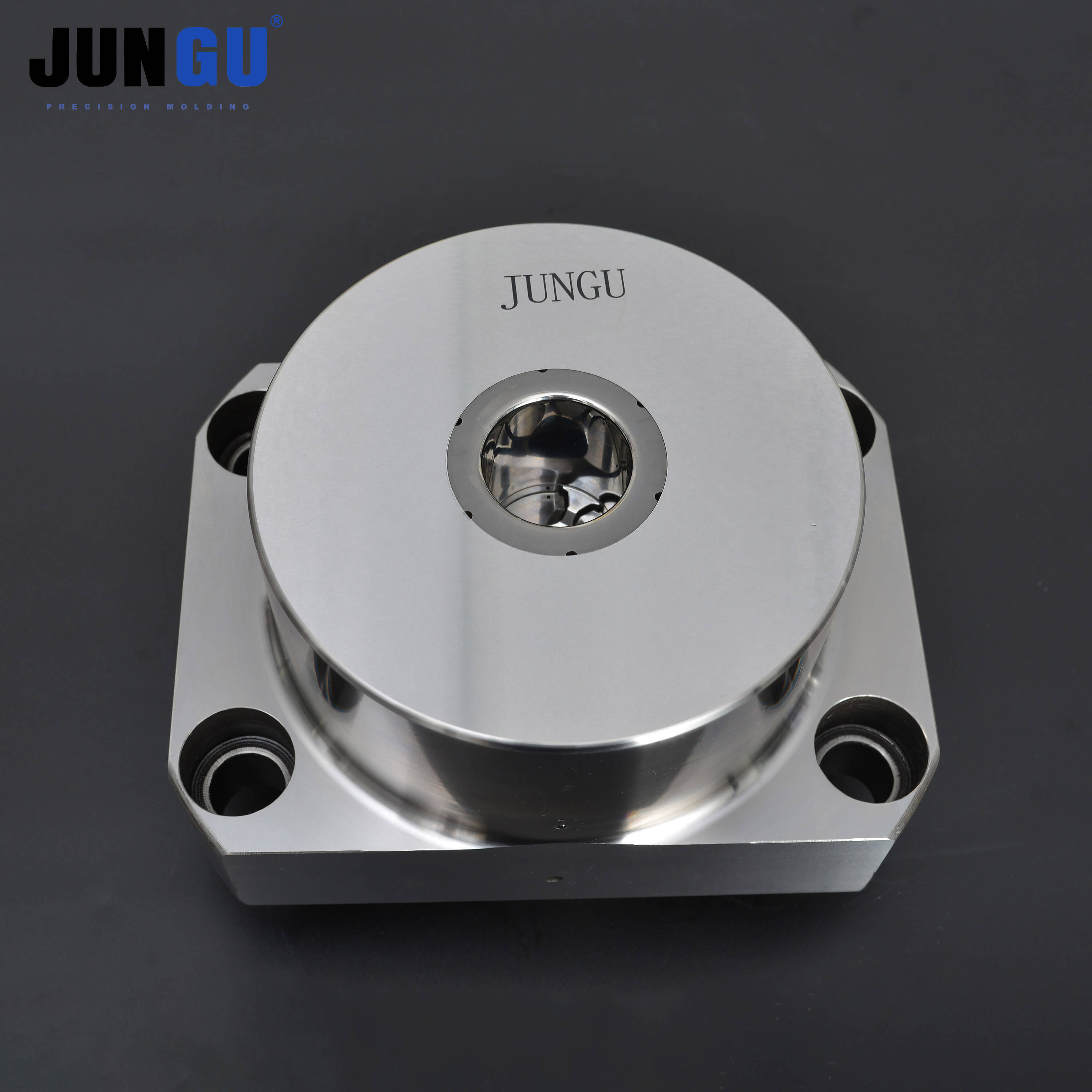
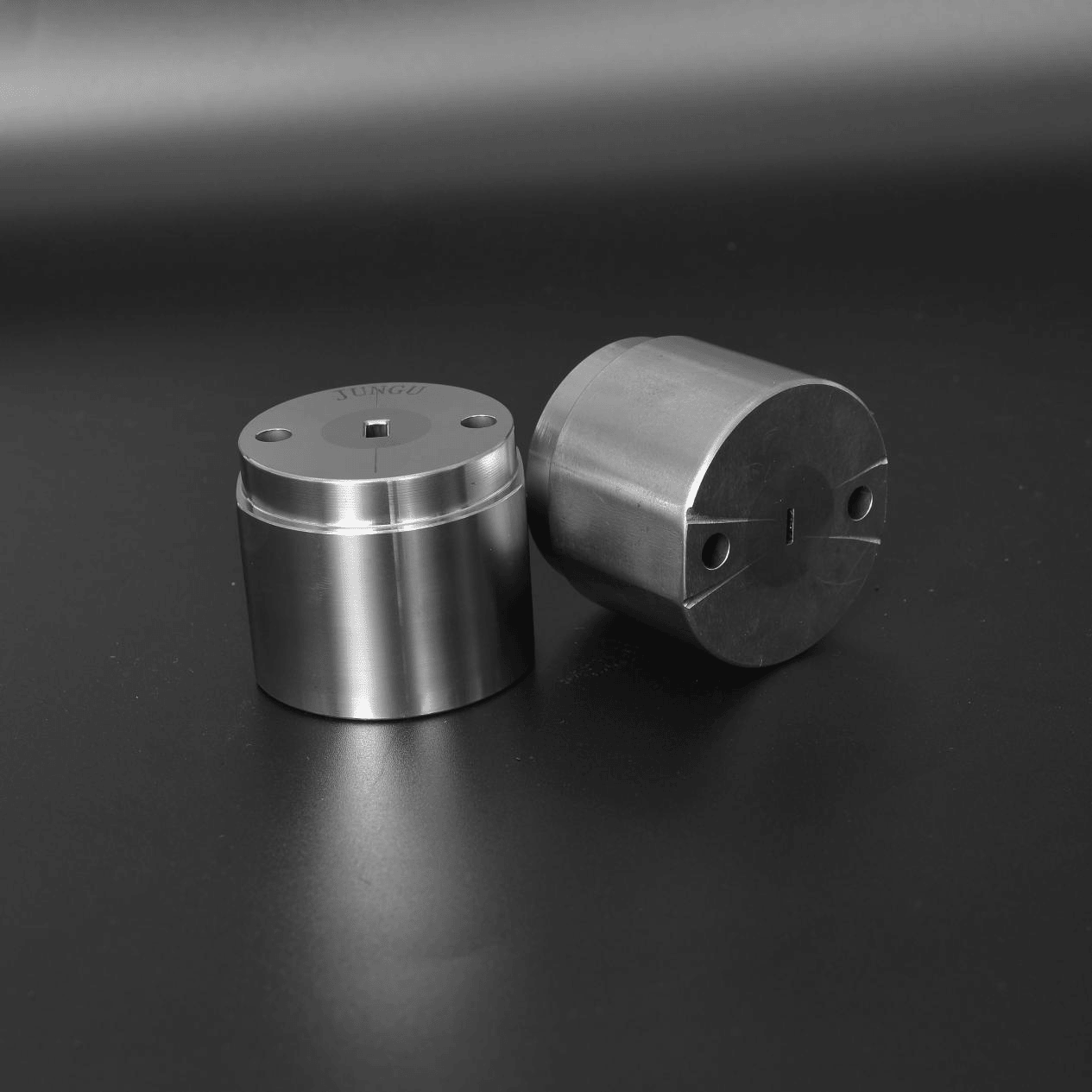
The bolt blank — slightly smaller in diameter than the finished major diameter — rotates between two or more thread rolling dies under massive pressure. The metal flows into the die valleys, pushing upward to form the thread crests. Because no material is removed, the bolt’s volume stays constant. The cold-working action hardens the thread surface, increasing wear and stripping resistance. High-quality thread rolling dies enable high-speed lines outputting thousands of bolts per hour with minimal waste.
Cut-Thread Bolts
A rod at the final major diameter has its thread valleys stripped away using a lathe or threading machine, which severs the metal’s natural grain flow. Cut threading is often the only option for very large diameter bolts, custom pitches, or small batch orders. However, material removal creates significant scrap. Under a microscope, cut thread valleys show tiny tear marks where the tool pulled material away — these micro-fissures act as stress concentration points.
Key Differences
| Feature | Rolled Threads | Cut Threads |
|---|---|---|
| Grain Flow | Continuous and contoured | Severed/Broken |
| Surface Finish | Very Smooth (Burnished) | Rough (Machined) |
| Tensile Strength | Increased via cold working | Base material strength |
| Production Speed | Extremely High | Low to Medium |
| Material Waste | Near Zero | High (Scrap shavings) |
| Tooling | Requires specific dies | Standard cutting bits |
Does Cut Threading Weaken Bolts?
Cut threading results in lower fatigue strength and higher susceptibility to crack propagation. When a bolt is cut, material removal creates stress risers at the thread root. The cutting tool leaves a relatively sharp corner at the bottom of the V-shape, concentrating stress. Without the compressive residual stresses from thread rolling, these points are where cracks most likely begin. In high-cycle vibration applications, a cut-thread bolt will almost always fail before one processed through thread rolling dies.
Does Roll-Threading Deform Rods?
Roll-threading intentionally reshapes the outer layers through controlled plastic deformation. The final major diameter of a rolled bolt is actually larger than the starting rod diameter — this is a planned engineering outcome, not a defect. The cold-working increases the yield strength of the surface material, and the rod remains perfectly straight despite massive forces due to supporting rollers and synchronized timing in industrial rolling machines.