Why Is Thread Rolling Important for Lead Screws?
Thread rolling for lead screws increases hardness by 30%, improves fatigue resistance, achieves 8-24 micro-inch surface finish, and saves material.
Why Is Thread Rolling Important for Lead Screws?
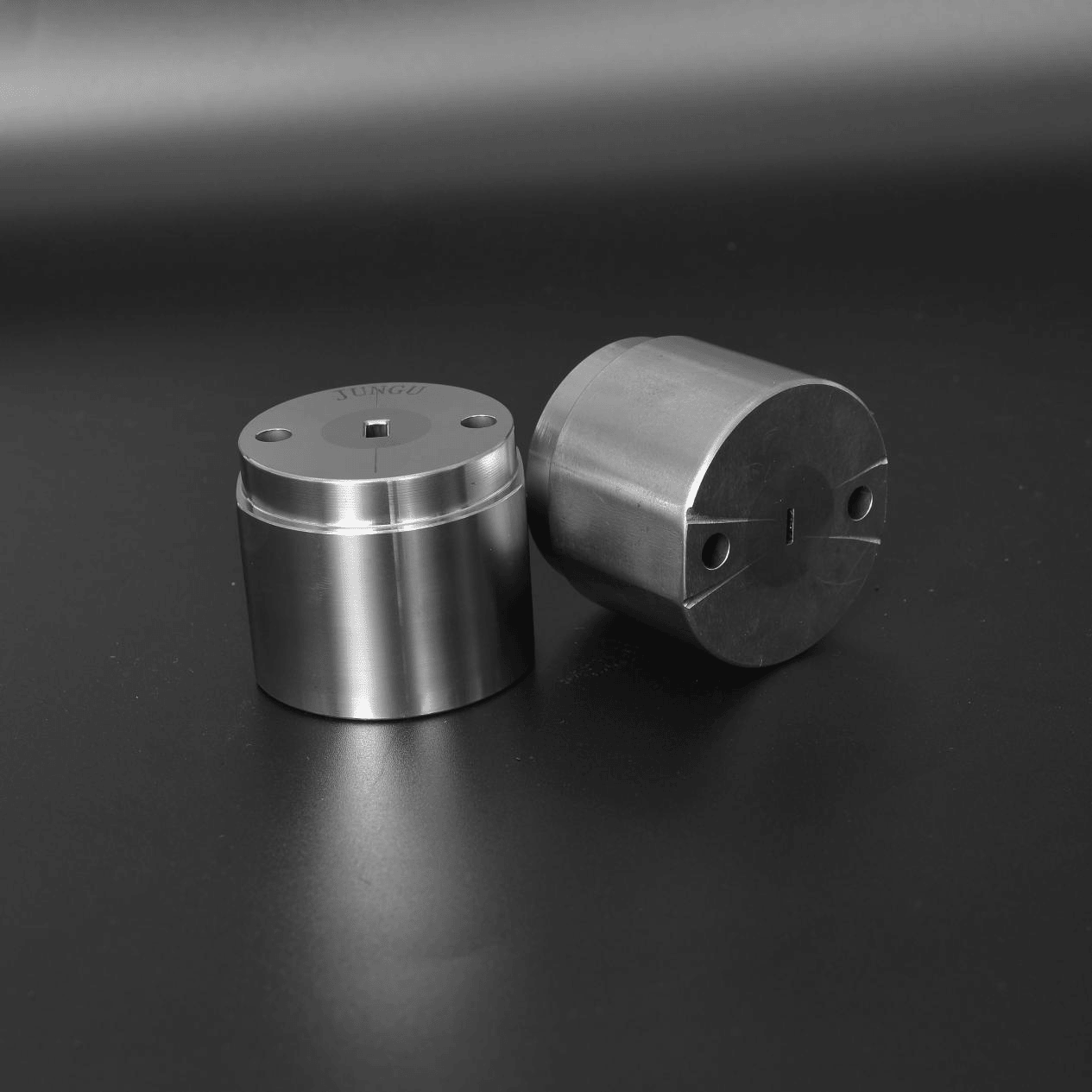
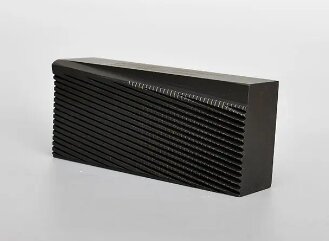
The primary benefits of thread rolling for lead screws include increased tensile strength, enhanced fatigue resistance, a smooth burnished surface finish, and significant material savings. When thread rolling dies are used, metal fibers are compressed and redirected along the thread contour rather than being cut, creating a structure more resistant to stripping and shearing.
Benefits of Thread Rolling for Lead Screws
- Material integrity: No chips produced; nearly 100% material utilization
- Structural strength: Cold-forming increases screw hardness by up to 30%
- Fatigue resistance: Compressive residual stresses at the thread root extend fatigue life — particularly important in applications with frequent reversals or high-cycle oscillation
- Surface finish: Typically reaches 8 to 24 micro-inches, far smoother than lathe or milling cutter finishes, reducing friction and heat generation
- Dimensional stability: Once dies are set, thousands of identical parts are produced with minimal deviation
- Production speed: Rolling is significantly faster than CNC machining or grinding
Material and Preparation
Successful thread rolling requires materials with sufficient ductility — at least 12% elongation. Common choices include medium-carbon steels, stainless steels (303 or 316), and certain alloy steels. Blank preparation differs from cutting processes: rather than starting at the outer diameter, rolling uses a pitch-diameter blank approximately the size of the final thread’s pitch diameter.
| Feature | Machined/Cut Thread | Rolled Thread |
|---|---|---|
| Starting Blank Size | Full Major Diameter | Approx. Pitch Diameter |
| Material Waste | High (as chips) | Near Zero |
| Stress Generation | Tensile Stress | Compressive Stress |
Types of Thread Rolling Systems
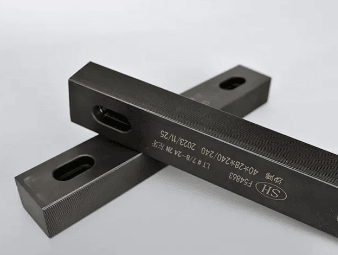
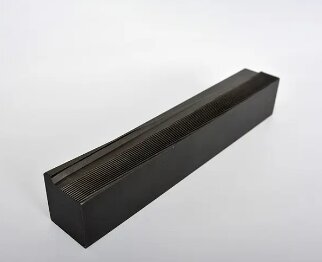
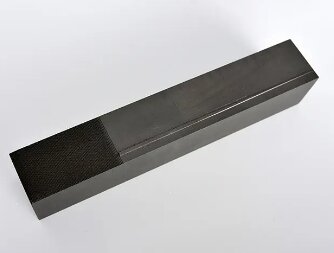
- Flat die: One stationary die, one reciprocating die — maximum speed, best for high-volume fasteners
- Two-roll cylindrical (thru-feed): Best for long lead screws, enables production of screws several meters long with high precision
- Three-roll planetary: Balanced pressure for hollow or thin-walled shafts, prevents distortion