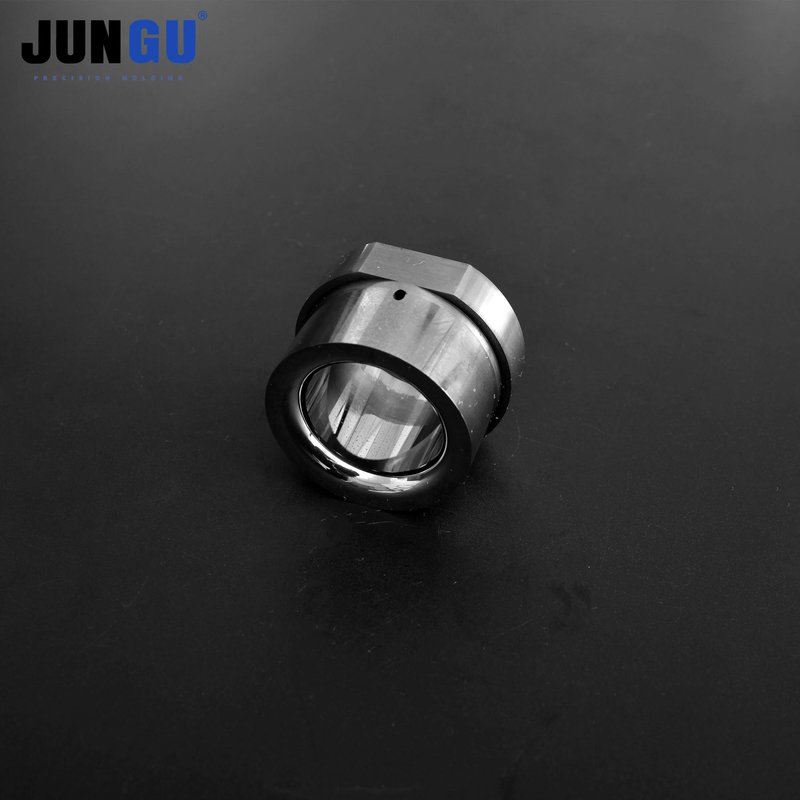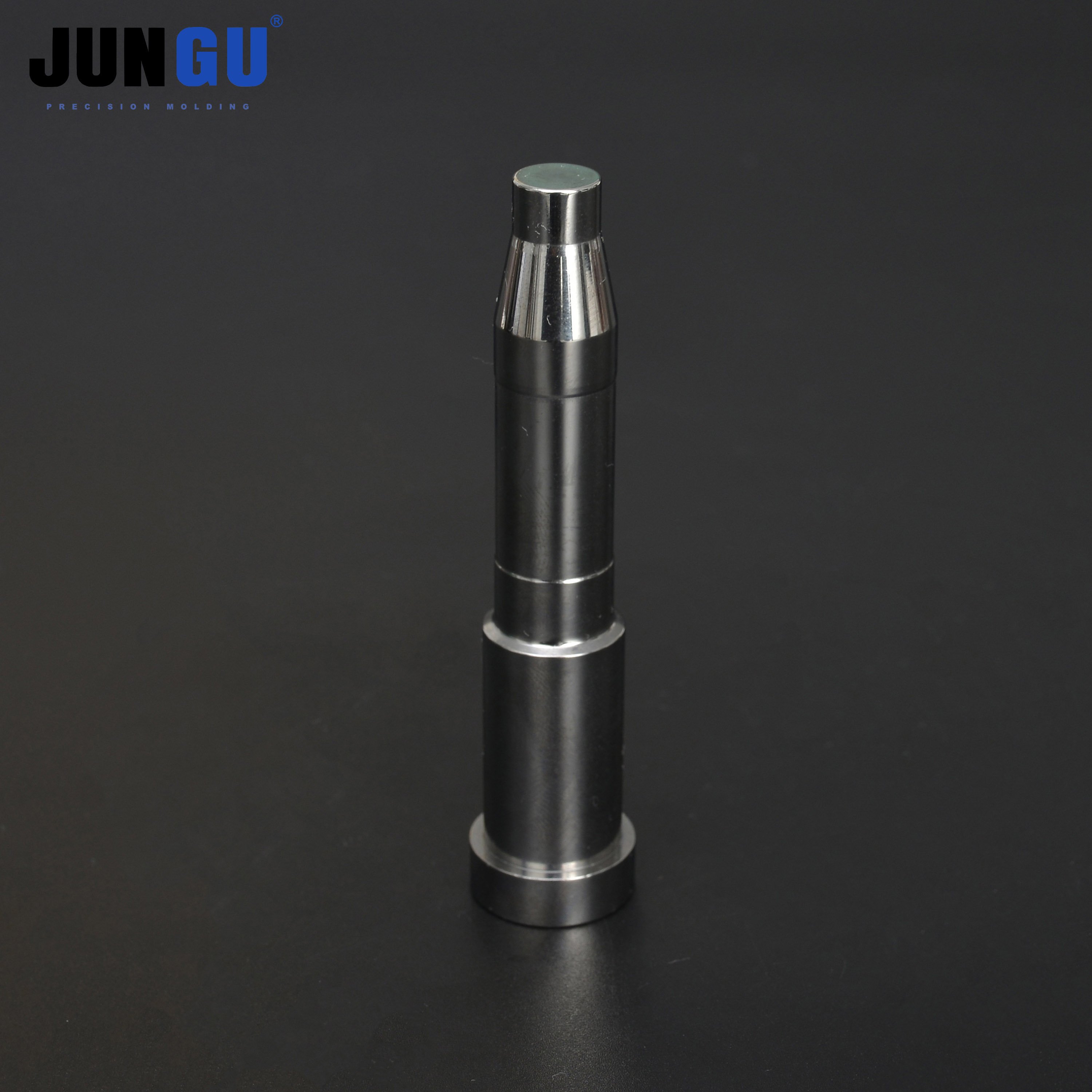
Tired of Frequent Part Replacements? Punch Pin Is the Solution
Frequent punch pin replacements create hidden costs. Learn why pins fail and how quality materials, heat treatment, and precision fit extend service life.
Tired of Frequent Part Replacements? Punch Pin Is the Solution
Frequent tool replacements in industrial manufacturing create hidden costs. Replacing punch tools and pins too often results in higher operating costs, increased downtime, reduced throughput, and quality inconsistencies.
Why Most Punch Pins Fail Too Soon
Low-Quality Metals
Lower-grade metals cannot withstand industrial punching stresses, becoming prone to deformation under pressure and leading to rapid wear.
Improper Heat Treatment
When heat treatment is done incorrectly, the pin becomes brittle and prone to cracking, chipping, or breaking. Improper heat treatment can also lead to uneven hardness, reducing effectiveness.
Poor Fit and Misalignment
Even quality pins fail if misaligned within the punch and die system. Misalignment creates excess friction and accelerated wear, damaging both the pin and other press components.
Features of a Reliable, Long-Lasting Punch Pin
- High hardness without brittleness: Balances resistance to deformation with enough toughness to avoid breaking under stress
- Precision-ground for exact fit: Ensures smooth operation and minimizes misalignment or friction
- Wear-resistant coatings or finishes: Reduce friction and preserve surface integrity in high-volume settings
Economic and Operational Benefits
- Fewer replacements mean lower operating costs and increased profitability
- Less time lost on maintenance and tool changeover
- Better return on investment on your entire tooling system
Frequent punch pin replacement is an unnecessary cost. Durable pins designed for longevity reduce the need for replacements and increase productivity.