
Flat Thread Rolling Die Materials: How to Compare DC53 and HSS Quotes
Compare flat thread rolling die materials on the same blank, die drawing and machine. DC53 identifies a steel grade. HSS identifies a family, so ask whether the offer means M2, M42 or another grade. Then check where the quoted hardness will be measured, what happens to the surface after heat treatment and which samples will be used to release the pair.
What the published hardness ranges actually describe
A die hardness figure describes the tool. A blank hardness figure describes the part at the rolling machine. Put each figure on its own line in the enquiry, with its measurement scale and location. For the blank, add the steel grade, heat-treatment stage, diameter range and surface condition. A finished bolt property class on the drawing cannot describe the condition of a blank that will be rolled before heat treatment.
The steelmakers’ data below show hardness in specific heat-treatment conditions. Daido gives an application range that includes thread rolling dies. The Erasteel values are approximate readings from the hardness curves in its unnotched specimen tests (7 × 10 × 55 mm). Agree the delivered hardness and test location on the purchase order.
| Grade | Hardness | Condition in the source |
|---|---|---|
| DC53 | 62–63 HRC | Hardened at 1,030–1,040 °C and tempered twice at 520–530 °C. Daido includes thread rolling dies in this application group. |
| M2 | About 65–66 HRC | Chart reading at 1,220 °C hardening and two 1-hour tempers at 560 °C. |
| M42 | About 66 HRC | Chart reading at 1,120 °C hardening and three 1-hour tempers at 560 °C. |
The Sala Punzoni flat die catalogue lists M2 and M42 as separate HSS options and offers surface-treatment choices. The data above come from different conditions. Near-matching readings for M2 and M42 under these conditions give no estimate of extra parts per pair.
Get a hardness reading you can use at receiving inspection
Ask for the steel designation and the paperwork that will link the delivered pair to the material lot. Agree whether the hardness report covers each die, a batch sample or a witness specimen. If it covers a witness specimen, ask how that specimen is linked to the pair's heat-treatment batch. Agree the reading location before ordering so inspection can avoid the working teeth. The supplier should identify the test method, scale and reported result, including the stage at which the reading was taken.
If the offer includes nitriding or a coating, ask the supplier to state the base-steel hardness and describe the surface treatment separately. Establish which characteristic will be checked after treatment, and where. A hardness result is useful for checking the agreed condition. Use the material identification and traceability records to confirm the steel grade. If you are comparing dies with different surface treatments, document that difference in the trial.
Keep the comparison fair when a replacement pair is quoted
Two flat dies can mount on the same machine and contact the blank differently. Give both suppliers the stationary and moving die drawings, the thread profile and the entry and finish geometry. Have them mark any proposed profile or mounting change on the quotation drawing. Keep the entry and profile constant if you want to learn what a material change did. When material and geometry change together, a trial compares the two supplied packages.
Suppose a line runs one steel screw before heat treatment and has an accepted DC53 pair. A replacement quote offers M42 and calls it an upgrade. Both offers use the same nominal profile, but the substitution quote includes a different surface treatment. Ask each supplier what changes from the current setup and agree on the same blank lot, measured diameter spread, machine and lubricant for the comparison. Match the trial intervals and agree how to record gauge failures, thread finish and visible die damage. A pass on the first group of samples supports a setup decision. A purchase case based on tool life needs a trial long enough to measure the agreed end-of-life condition.
Decide what to tell the supplier after the trial
| Observed result | Decision |
|---|---|
| Gauge result differs at the first check | Compare the profile, mounting and blank measurement records before judging steel grade. |
| Both pairs pass the planned checks, including the agreed finish | Record both as passing that trial. Continue the comparison if tool life is part of the buying decision. |
| A row of teeth chips near entry on the substitute pair | Record the location, parts rolled and sample condition. Ask the die supplier to review entry geometry, installation and treatment evidence together. |
Take a short trial scheduled for 2,000 pieces per set. In this hypothetical example the original and substitute both complete the run without reaching the agreed stop criterion. Report “2,000 pieces run to the trial stop” for each set, along with the number accepted. If the substitute has 12 rejects in that run, its accepted count is 1,988. Both records describe a completed short trial. They leave open how many more pieces either set could produce. Price per accepted part over the life of the die needs that longer record, plus any regrind and setup costs that actually apply.
Define the end point before the trial, such as the first confirmed failure against an agreed gauge check or visible tool damage that stops the run. Report the number of accepted parts and any setup or machine stops separately. This keeps a report about a bad start from being mistaken for a report about wear after a long run. Use the flat die pair setup guide to document which die and contact position produced a mark.
Can a buyer approve a substitute based on higher HRC?
Agree on the blank condition and the proposed die configuration first. If the supplier changes the steel, coating or entry geometry, ask for the reason and for a comparison that covers the inspection and service requirement driving the purchase. Give the supplier the current die report when available, including the point where wear or chipping was first seen.
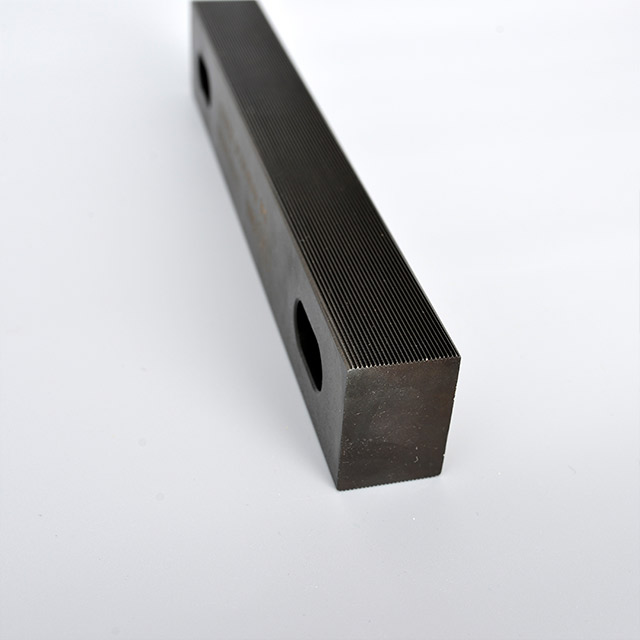
See our flat thread rolling dies for screws and bolts or the thread rolling die range. Send the blank condition, die drawing and existing hardness report for a quote.