
M42 Thread Rolling Die Repair: Regrind or Replace?
Regrinding can be a legitimate route for worn flat thread rolling dies, but the M42 material designation alone does not establish whether a particular tool can be restored. The decision needs the tool's identity, condition, previous rework history and remaining geometry, followed by acceptance against the actual rolling application.
What the manufacturer evidence establishes
Sala Punzoni lists M42 high-speed-steel flat dies and a flat-die regrinding service. This verifies that the material and service exist in the industry; it does not establish that every M42 die is repairable or that Jungu offers the same service.
RLS Tooling describes removing a flat die's old thread form, recording the amount removed and accommodating the resulting position change in its own service. Its numerical increments and setup method belong to that service. They must not become generic instructions for another die or machine.
Identify what “repair” means
Separate cleaning, a new working profile, dimensional rework, treatment of a surface layer and replacement. They are different supplied scopes. A quote for an identified regrind must state what the toolmaker will inspect, what geometry will change and what remains to be approved after processing.
Keep the original tool markings and pair identity in the enquiry. Record which piece is stationary and which is moving, using the machine documentation. Include the original tool drawing if available and every known prior regrind. An unmarked worn sample should not silently become the master drawing.
Preserve the evidence before removing material
Photograph both working faces and the relevant mounting surfaces. Retain accepted and rejected fasteners from traceable runs. Label the failure description as an observation: worn lead-in, damaged ridge, inconsistent gauge result or another observed condition. Do not turn the first visible symptom into a material-failure conclusion.
If a crack is suspected, hold the tool for a specialist condition assessment. This guide does not prescribe a detection method, allowable crack depth or a procedure for grinding through damage. A supplier must assess the actual tool before accepting it for rework.
Agree how the reground tools will locate
Material removal may change the relationship between the working face and the mounting reference. Ask for the as-supplied dimensions after regrinding and a documented review of compatibility with the machine's permitted adjustment. Do not compensate with an assumed shim or change the machine setup from a generic article.
Keep the pair together in the review. If only one tool is proposed for rework, ask the responsible toolmaker how the resulting pair will be identified, inspected and accepted. Matching must be resolved for the actual assembly rather than assumed from similar external dimensions.
Separate tool inspection from the rolling trial
Agree the profile and mounting features to inspect before shipment. Where a coating or surface treatment is present, identify its approved condition after rework rather than assuming the original layer remains unchanged.
For the trial, record the blank material and dimensions, machine identity, tool pair and revision, and the required thread acceptance. A trial run using different inputs does not establish acceptance for the intended production condition. Retain labelled parts with their inspection results.
Compare a regrind quotation with a replacement quotation only after the scopes are aligned. Inspection, transport, treatment, setup review and trial requirements may differ. No percentage saving or retained tool-life promise is justified by the sources above for a Jungu order.
Use a regrind decision record
| Evidence | Decision before work starts |
|---|---|
| Documented wear and previous removal | Ask the toolmaker whether the required new profile fits the remaining geometry. |
| Unknown markings or regrind history | Resolve identity and measure the actual tool before approving a route. |
| Suspected crack or damaged seat | Hold for condition assessment; do not assume face grinding removes the problem. |
| Mounting position after rework | Confirm the delivered dimensions and machine-approved setup route. |
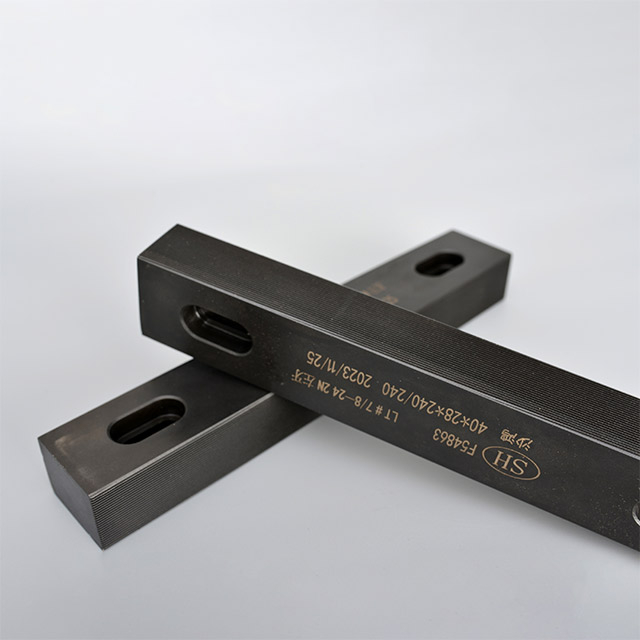
For a replacement enquiry, see our flat thread rolling dies and thread rolling tooling range. General machine and blank selection remains in the thread rolling die buyer guide.
Send the drawing, pair identification and rework history to Jungu for a tooling review. This article does not establish a Jungu M42 repair service, a fixed regrind count or a retained-life guarantee.
Frequently asked questions
Does M42 alone make a die repairable?
No. Assess the identified tool's condition, remaining dimensions and intended application.
Can a reground die use the original setup unchanged?
Do not assume so. Confirm its delivered dimensions against the machine documentation before setup.
Should I compare only the quoted regrind price?
Include inspection, transport, treatment and trial scope before comparing with replacement.