
How Flat Thread Rolling Dies Are Made
When buying new flat thread rolling dies, ask how the maker establishes the mounting references, finishes the working profile and inspects the dies in their delivered condition. Those three decisions determine whether a manufacturing quote describes a usable tool for your machine.
Start from the machine interface
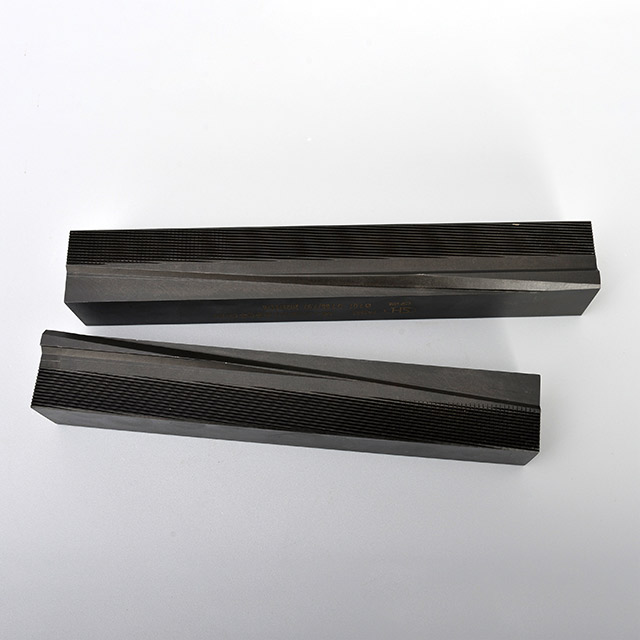
The die maker needs the finished thread designation and the drawing of each flat die. The die drawings should identify which piece is fixed and which moves, the seating and locating faces, and the direction of entry. Ask which reference the profile inspection uses. A report that measures the grooves without relating them to the seating face may leave the mounting question open.
Ask where profile finishing fits in the route
Manufacturing can involve machining the die body, heat treatment, finishing the working profile and a specified surface treatment. The sequence depends on the tool material and design. Profiroll describes profile grinding and application-specific treatment choices. Sala Punzoni lists nitrided and drawing-specific flat dies. These are examples of available routes. Ask your supplier to identify the route in its own quote and the stage at which it verifies the profile.
Agree the records before placing the order
| Stage | What to confirm |
|---|---|
| Drawing release | Revisions for both dies, reference faces and entry direction. |
| Manufacture | Specified material and treatment condition, profile-finishing stage, and which records the supplier will provide. |
| Shipment | How the report ties the measurements to the marked dies, and whether profile and mounting dimensions were checked in the delivery condition. |
| Production trial | Which blank lot and machine setup will be used, and how the resulting fastener will be accepted. |
If a quoted profile report is produced before a later finishing or treatment step, ask how the supplier verifies the relevant characteristics afterward. Keep the report with the pair identifiers so that an inspected die can be traced to the actual delivery.
Can a tool inspection replace a trial on the rolling machine?
The tool report records the die geometry and supplied condition. The rolling trial checks the result with your blank and machine. Agree both acceptance points in the order.
See Jungu's flat dies for self-tapping screws and thread rolling tooling range. After mounting, use the flat die matching guide to review setup evidence.
Send the two die drawings and the fastener specification to Jungu for a new-tool quotation.