
Cold Heading vs Machining: Compare Total Finished-Part Cost
For a cold heading vs machining quotation, compare the total cost of accepted finished parts at the quantity you expect to buy. A lower piece price can take several releases to recover the tooling charge. A cold headed blank may also need a later machining operation, so the comparison must end at the same drawing and inspection stage.
Ask for two complete manufacturing routes
A turned part and a headed blank are different deliverables if the blank still needs a cross-hole, a machined seat or another specified feature. Mark the drawing to show which features are formed and which are finished later. Ask the supplier to list those operations and their inspection points. The comparison should cover the finished part your assembly can use.
In its discussion of cold forming and machining, The Federal Group describes forming finished or near-net shapes and notes that some configurations and tolerances still require secondary operations. That is a reason to request a complete route before estimating savings. The source does not establish a universal order quantity for changing processes. Whether a specific feature can be formed requires a review of its geometry and material condition.
Give both suppliers the same drawing revision, material requirement, heat treatment, finish and acceptance requirements. State the quantity per delivery and the expected total across the period you are evaluating. If a formed route changes an approved material or leaves a different intermediate shape, identify what needs engineering approval. A commercial comparison is useful only after both proposed parts can meet the required function and drawing.
Find the quantity that recovers the extra tooling cost
For a first comparison, let total cost equal the one-time charge plus accepted quantity multiplied by the recurring cost per accepted part. The recurring figure should include the operations needed to reach the agreed finished condition. If tooling replacement or repeat setup is charged separately, add it at the relevant release instead of hiding it in the first tooling charge.
The following numbers are invented to illustrate the calculation. They are not Jungu prices, production results or a recommended minimum order. Currency is USD simply to keep the arithmetic in one unit. Both example routes are assumed to include the same finished condition and acceptance scope.
| Accepted quantity | Machining: 500 + 0.80 × quantity | Heading plus finishing: 6,500 + 0.50 × quantity |
|---|---|---|
| 5,000 | 4,500 | 9,000 |
| 20,000 | 16,500 | 16,500 |
| 50,000 | 40,500 | 31,500 |
The extra one-time cost is 6,000. The recurring difference is 0.30 per accepted part. Dividing 6,000 by 0.30 gives an equal-cost quantity of 20,000. Below that quantity, the example machining route has the lower total. Above it, the example heading route has the lower total, while the assumptions remain valid. There is no process-wide break-even quantity: substitute actual written quotations and their conditions.
Now suppose another finishing step adds 0.10 to the headed route. Its recurring cost becomes 0.60, and the difference falls to 0.20. The equal-cost quantity moves to 30,000. That small change explains why a buyer should settle the finishing scope before approving a tooling charge. If the recurring headed cost equals or exceeds the machining cost while its one-time charge is higher, this simple cost model has no positive break-even quantity.
Check the release plan before using annual volume
Consider a buyer expecting five releases of 10,000 parts. At the full 50,000 quantity, the first table favors heading. If the only firm order is the first release, however, the model gives 8,500 for machining and 11,500 for heading plus finishing. Confirm who carries the tooling cost if later releases never arrive. A forecast and a purchase commitment create different exposure for the buyer.
Ask how often setup charges apply, whether tooling is dedicated to the drawing revision, and what happens if the drawing changes after sample approval. Clarify ownership and storage separately from who paid the invoice. If the quotation assumes a particular number of usable parts from a die, request the basis and the commercial treatment of early replacement. Do not turn a planning assumption into a guaranteed die life.
Keep ordered blanks separate from accepted parts. If a vendor charges by blank produced and finishing rejects some of them, cost per accepted part will differ from the invoice price per blank. Ask for trial evidence before using a yield assumption. Record transport between operations, outside processing and final inspection if they fall outside the quoted scope. Avoid counting the same allowance twice when a supplier already includes it.
Use the trial to test the assumptions behind the quote
Before releasing production tooling, agree which samples and reports establish that the route works. For a headed route, an intermediate sample can help review fill and the stock left for finishing. The final sample must demonstrate the finished drawing requirements. Keep the sample IDs and revisions connected so a successful intermediate inspection cannot be mistaken for final approval.
If machining trials pass but headed-and-finished trials fail at a machined seat, identify which operation established that seat and what stock it received. Request the intermediate and finished readings on identified samples. The result may require a revised formed blank, a different finishing setup or a changed route. Recalculate the cost when the remedy adds an operation. This keeps a tooling decision tied to a demonstrated manufacturing route.
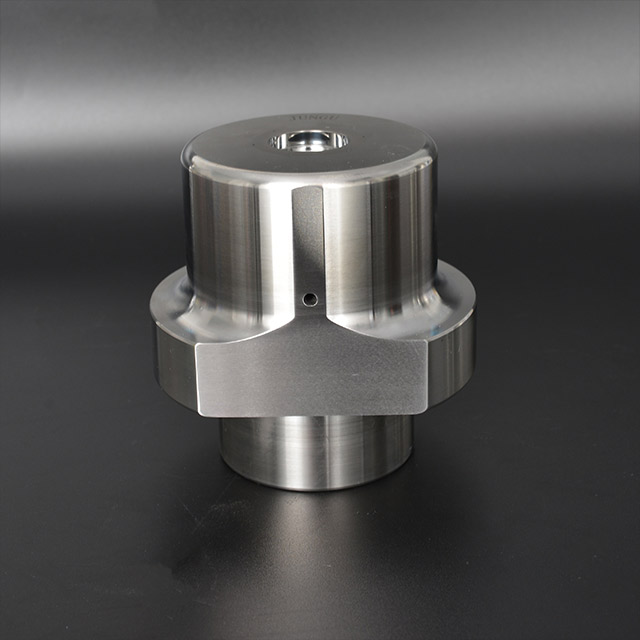
See the bolt forming die, bolt and screw tooling range and forming sequence guide. Send the finished drawing, delivery quantities and proposed finishing route to Jungu for a tooling review.