
Header Punches & Punch Pins
Hexagonal Punch Pin for Cold Heading
Hexagonal punch pins for forming internal hex recesses during cold heading. Jungu checks recess depth, corner radius, punch alignment, material route, and breakage pattern.
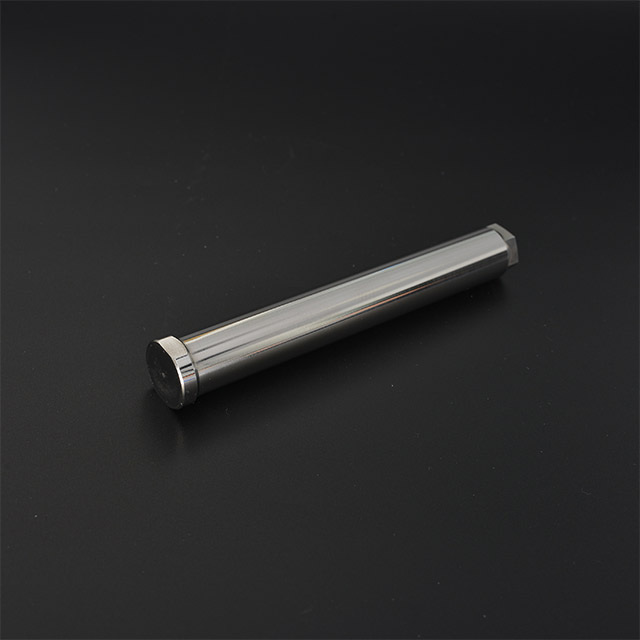
What is Hexagonal Punch Pin for Cold Heading used for?
A hexagonal punch pin forms an internal hex recess or hexagonal profile during cold heading. The failure risk sits at the corners: if the corner radius is too sharp, the fastener material is hard, or the punch is misaligned, the pin can chip before normal wear appears. HSS, powder steel, and carbide-supported routes behave differently under impact, so the material choice should follow the recess depth, fastener grade, machine station, lubrication, and target tool life. Jungu reviews the recess drawing, across-flat size, corner radius, punch length, shank fit, station alignment, coating expectation, and photos of chipped corners or poor fill before quoting. We also check whether the finished recess is rounded, torn, or off-center because each pattern points to a different punch or setup problem.
Common sourcing use
Head forming, piercing, stamping, and special-shaped punch operations in fastener production.
Related product families
When is this the right hexagonal punch page?
Use this page when a cold-heading station repeatedly forms an internal hex and the main questions are impact load, HSS or carbide-supported material choice, coating, shank fit, and corner breakage. If the recess has unusual depth, draft, a long unsupported profile, or a tighter inspection method, use the precision-recess punch page.
Technical Review Scope
What Jungu checks
- Hex recess drawing, across-flat size, depth, corner radius, tolerance, and surface finish
- Punch length, shank fit, station alignment, impact load, lubrication, and coating route
- Current issue: chipped hex corner, rounded recess, poor fill, bending, galling, or short life
Why no standard price is shown
Hexagonal punch pricing depends on recess geometry, corner support, punch length, shank fit, station alignment, fastener grade, and the selected HSS, powder-steel, coating, or carbide-supported route.
Information Needed for Quotation
| Drawing | 2D drawing, 3D file, or sample photos with critical dimensions. |
|---|---|
| Production Context | Fastener type, material, machine model, station count, and annual demand. |
| Quality Target | Tolerance, surface finish, coating, target mould life, and current failure mode. |
| Commercial Context | Prototype quantity, mass-production demand, target delivery time, and destination country. |
Application and Buyer Fit
| Typical application | head forming, piercing, stamping, and special-shaped punch operations in fastener production |
|---|---|
| Buyer review focus | head geometry, punch material, coating, hardness, machine station, wear pattern, and impact load |
| Quotation basis | drawing, material, tolerance, machine model, quantity, and target tool life |
| Review output | a custom punch route matched to the drawing, production line, and tool-life target |
Inquiry Process
- Send drawings and application details.
- Jungu reviews manufacturability and tooling route.
- Engineering confirms material, tolerance, and mould-life target.
- Quotation and lead time are prepared after technical confirmation.
FAQ
Why do hex punch pins chip at the corners?
Sharp corner geometry, hard fastener material, poor alignment, and high impact load concentrate stress at the hex corner.
Should the pin be HSS or carbide?
It depends on wear location and impact risk. Carbide helps wear but needs safe support; HSS or powder steel can be safer for shock load.
When is a precision-recess punch review more appropriate?
Use the precision-recess route when depth, draft, unsupported length, holder runout, or a tight recess inspection method matters more than a standard heading-station material decision.
What should a broken-pin photo show?
Show the complete pin, fracture face, corner damage, shank fit, and the finished recess. The fracture and part mark together help separate geometry, alignment, and material causes.
Need this tooling reviewed?
Send drawings, machine model, material, and current failure photos for review.