
Cylindrical Thread Rolling Dies for Class 3A External Threads
For a Class 3A external thread made with cylindrical thread rolling dies, send the complete thread designation and agree how the first rolled samples will be inspected. “Class 3” by itself leaves out the thread system, size and pitch. The drawing, machine setup and inspection plan each answer a different question.
Start with the finished thread callout
Copy the full designation from the approved drawing. For example, 1/4-20 UNC-3A identifies an external Unified thread and includes its nominal size, pitch designation, series and tolerance class. Use the actual drawing revision and governing specification when agreeing limits. Include the thread length, any shoulder or relief, and the condition at which the thread must be accepted, including any specified finish.
Match the cylindrical dies to the machine
Landis illustrates cylindrical infeed and throughfeed rolling as distinct setups. Identify your machine model, rolling mode, number of rolls, mounting dimensions and workpiece support. A thread ending near a shoulder needs a drawing view that shows the available clearance. If the replacement must fit existing rolls or holders, send their identification and drawings so the mating arrangement can be reviewed.
See Jungu's cylindrical thread rolling dies section for drawing-based enquiries. The catalogue flat rolling die shown below illustrates why identifying the machine and tooling format matters when ordering.
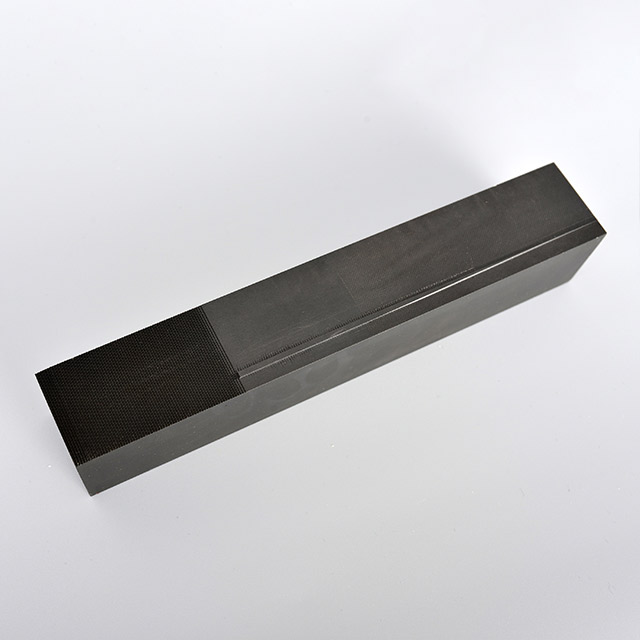
Agree the first-piece evidence before ordering
| Item | What to agree |
|---|---|
| Blank | Material condition, measured diameter and preparation of the sample lot. Use the blank diameter guide for trial inputs. |
| Thread gauging | Correct GO and NOT GO ring gauges, gauge identification, the applicable inspection rule and the stage at which it applies. |
| Other drawing checks | Record the specified major diameter, usable thread length and any separately required profile checks. |
| Traceability | Keep the sample ID, drawing revision, roll set and blank lot with the measurements and gauge results. |
Prittie's gauge guidance shows that allowable NOT GO entry depends on the applicable inspection rule. Have the customer confirm the method and permitted engagement. If a first piece fails, log the gauge result and the separate measurements before changing the blank or die setting. That record helps isolate which condition changed.
Questions before sending an RFQ
Does a GO ring result complete first-piece acceptance?
The acceptance record also needs the specified NOT GO result and any other drawing checks. List these explicitly in the trial plan.
Which samples should we send for a replacement die set?
Send an identified unrolled blank and, if available, labelled accepted and rejected rolled pieces from the relevant runs. Include the gauge results and say whether each sample has received its specified finish.
Send the thread drawing, roll mounting details and first-piece inspection plan to Jungu for a tooling review.