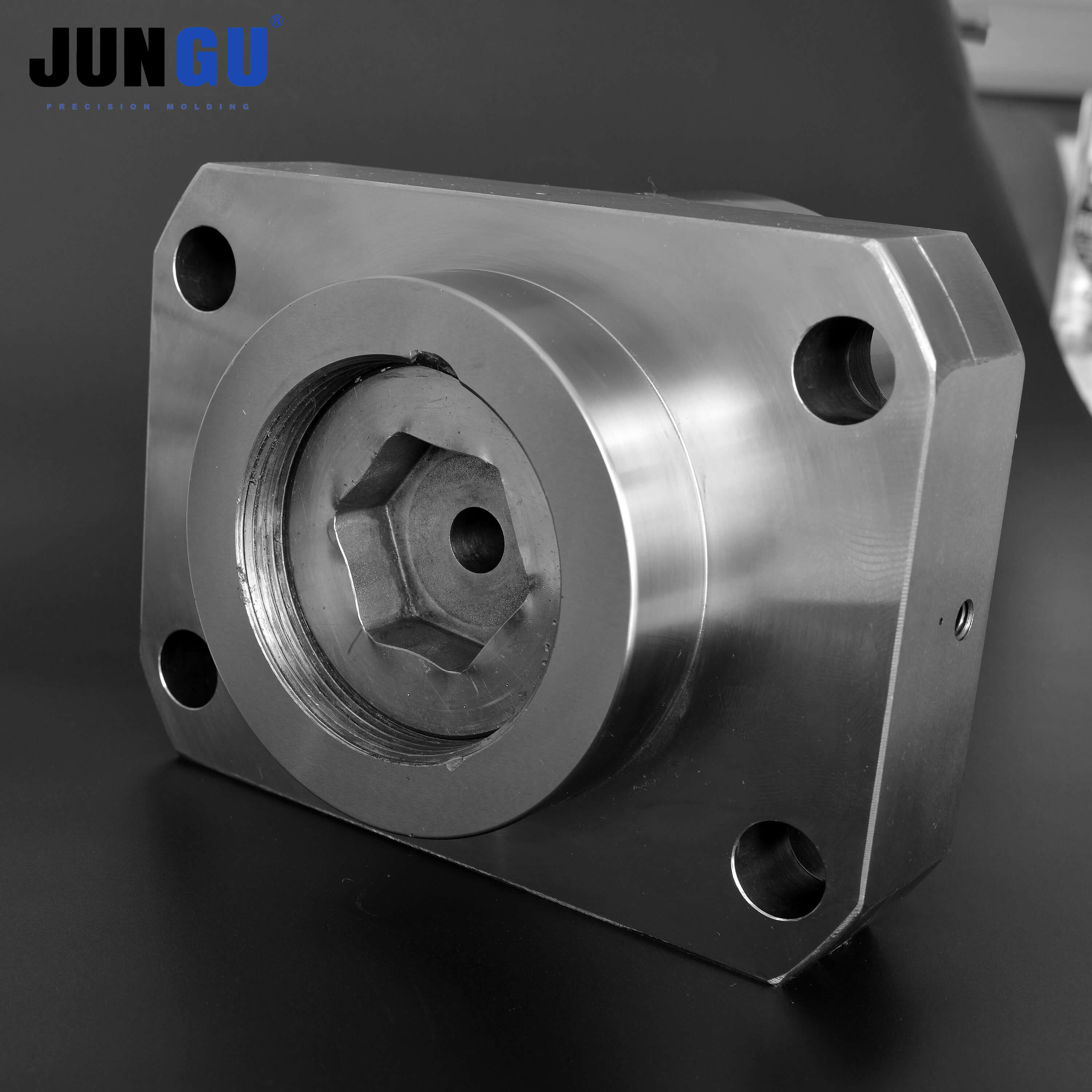
Want to Reduce Waste? Discover the Benefits of Nut Forming Dies
Nut forming dies achieve 95%+ material utilization through chipless cold forging, reducing waste and cost compared to traditional machining.
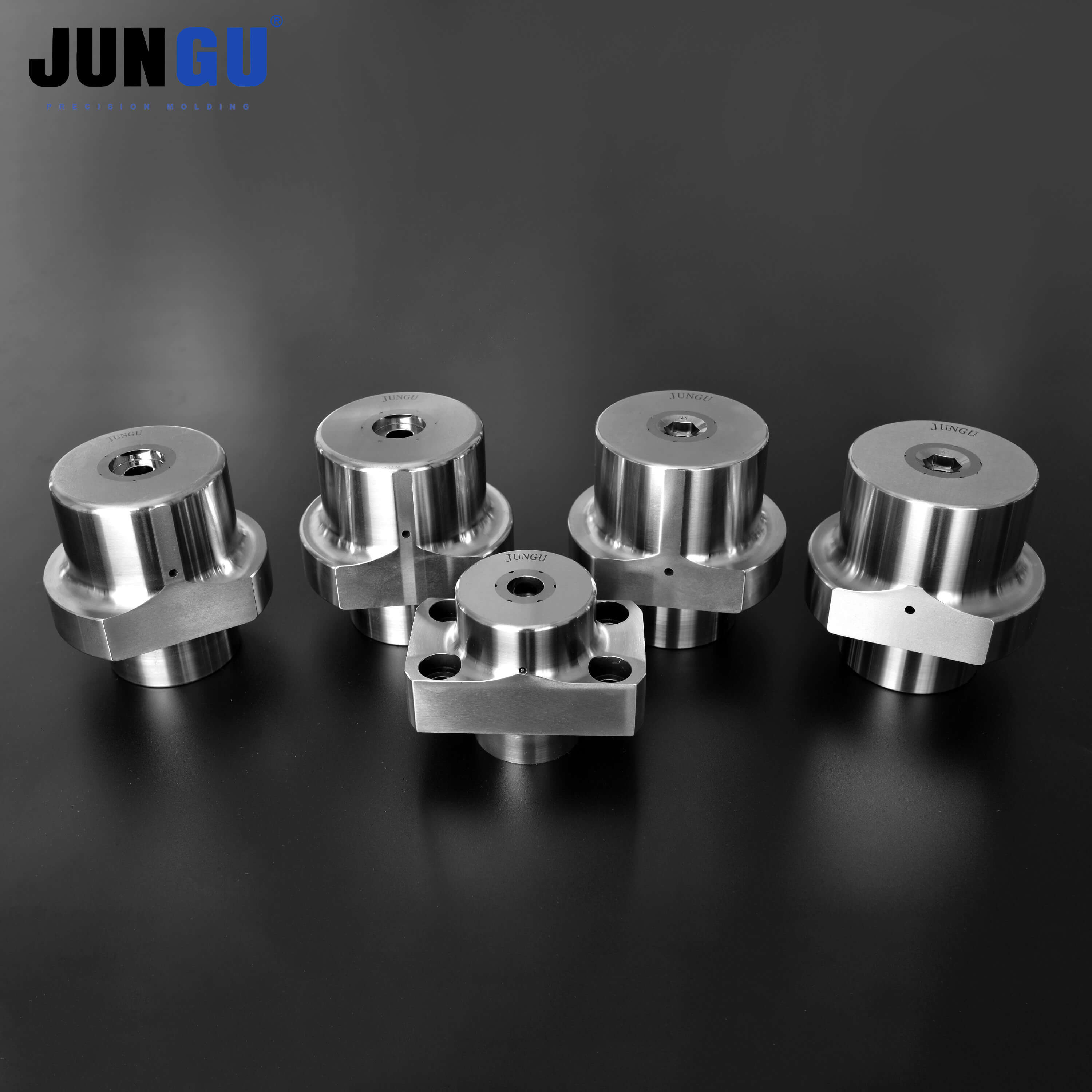
Want to Reduce Waste? Discover the Benefits of Our Nut Forming Dies
Sustainability and cost-efficiency are essential in modern manufacturing. With raw material prices fluctuating and environmental regulations tightening, manufacturers face pressure to optimize production. High-quality nut forming dies reduce waste through cold heading or cold forging that reshapes metal wire into finished nut blanks via plastic deformation rather than cutting material away.
Material Utilization
In traditional screw machining, 40% to 60% of raw material becomes scrap metal shavings. With nut forming dies, precise wire volume is compressed inside the die cavity in a near-net-shape production method, achieving a material utilization rate of up to 95% or higher. The only waste is typically a small slug from the center hole punch.
Cost Comparison: Machining vs. Forming
| Metric | Traditional Machining | Forming with Nut Forming Dies |
|---|---|---|
| Material Utilization | 40%–50% | 90%–98% |
| Production Speed | Seconds per part | Parts per second (100–400/min) |
| Tool Life | Moderate | Very High (Tungsten Carbide) |
| Energy Consumption | High (Constant cutting) | Low (Impact based) |
How Nut Forming Dies Save Money
Premium nut forming dies save money by lowering raw material procurement costs, reducing labor through high-speed automation, and decreasing tool replacement frequency due to superior wear resistance. For high-volume B2B operations producing millions of fasteners, raw material savings alone can pay for the initial investment within months.
Environmental Benefits
Nut forming dies contribute to green manufacturing by minimizing raw material consumption and reducing the carbon footprint linked to metal scrap recycling. The cold forming process requires far less coolant and oil than traditional machining. Fasteners made with formed dies also have superior fatigue resistance, meaning parts stay in service longer and reduce global demand for replacement hardware.
Multi-Station Efficiency
Modern cold-heading machines use a series of dies arranged in stations. As wire moves through, each die performs a specific task: upsetting the head, forming the hexagon, punching the hole. When calibrated perfectly, the machine outputs finished parts at up to 400 pieces per minute. High-quality carbide nut forming dies maintain dimensional stability over hundreds of thousands of cycles, enabling a set-and-forget operation that runs for days with minimal intervention.
For manufacturers considering the transition, nut forming dies represent a shift from a low-margin machining model to a high-volume, high-precision manufacturing capability that can compete globally in automotive and construction supply chains.