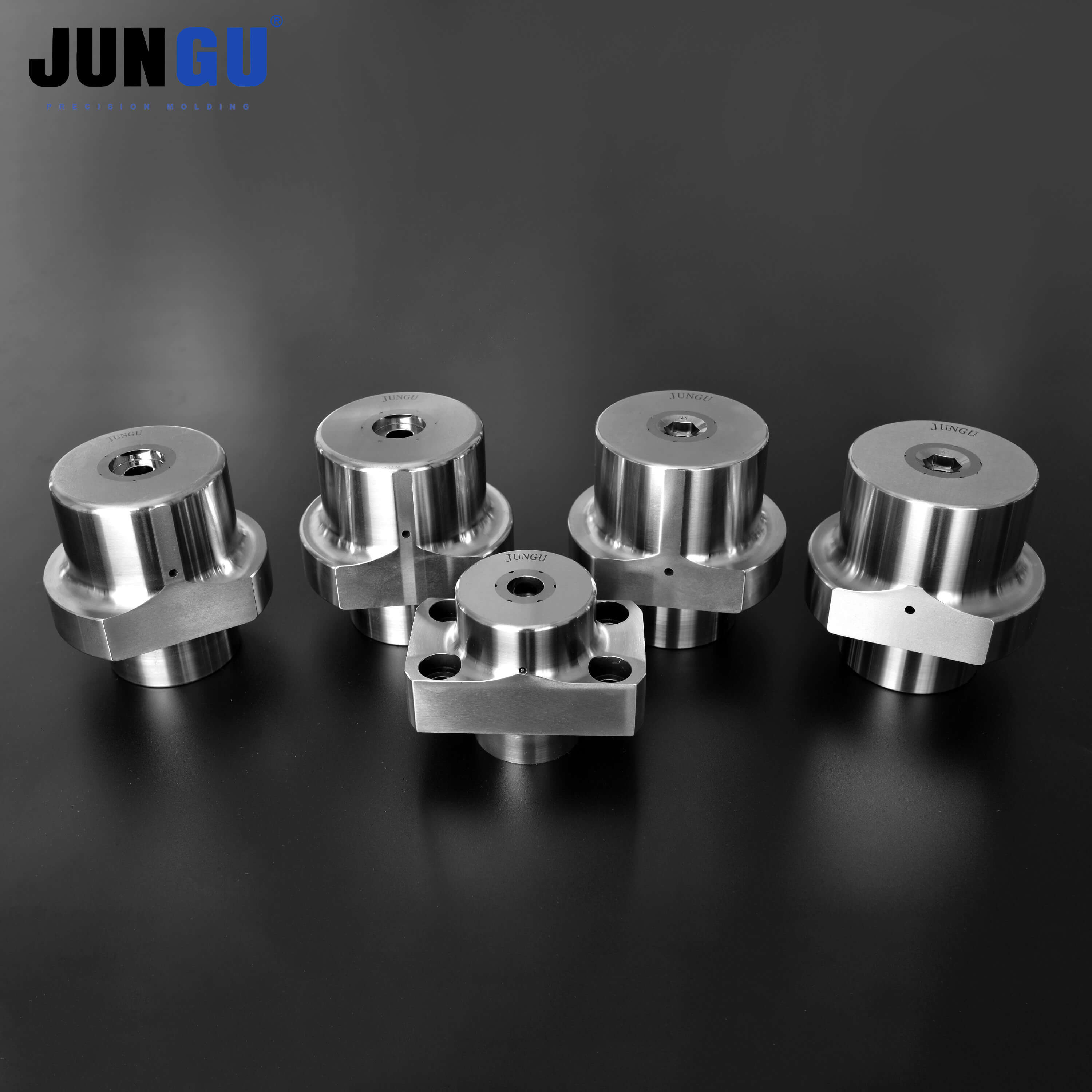
The Role of Stamping Process in Welding Nut Forming
Stamping is the dominant method for welding nut production, achieving 100+ parts per minute with minimal waste and improved material strength.
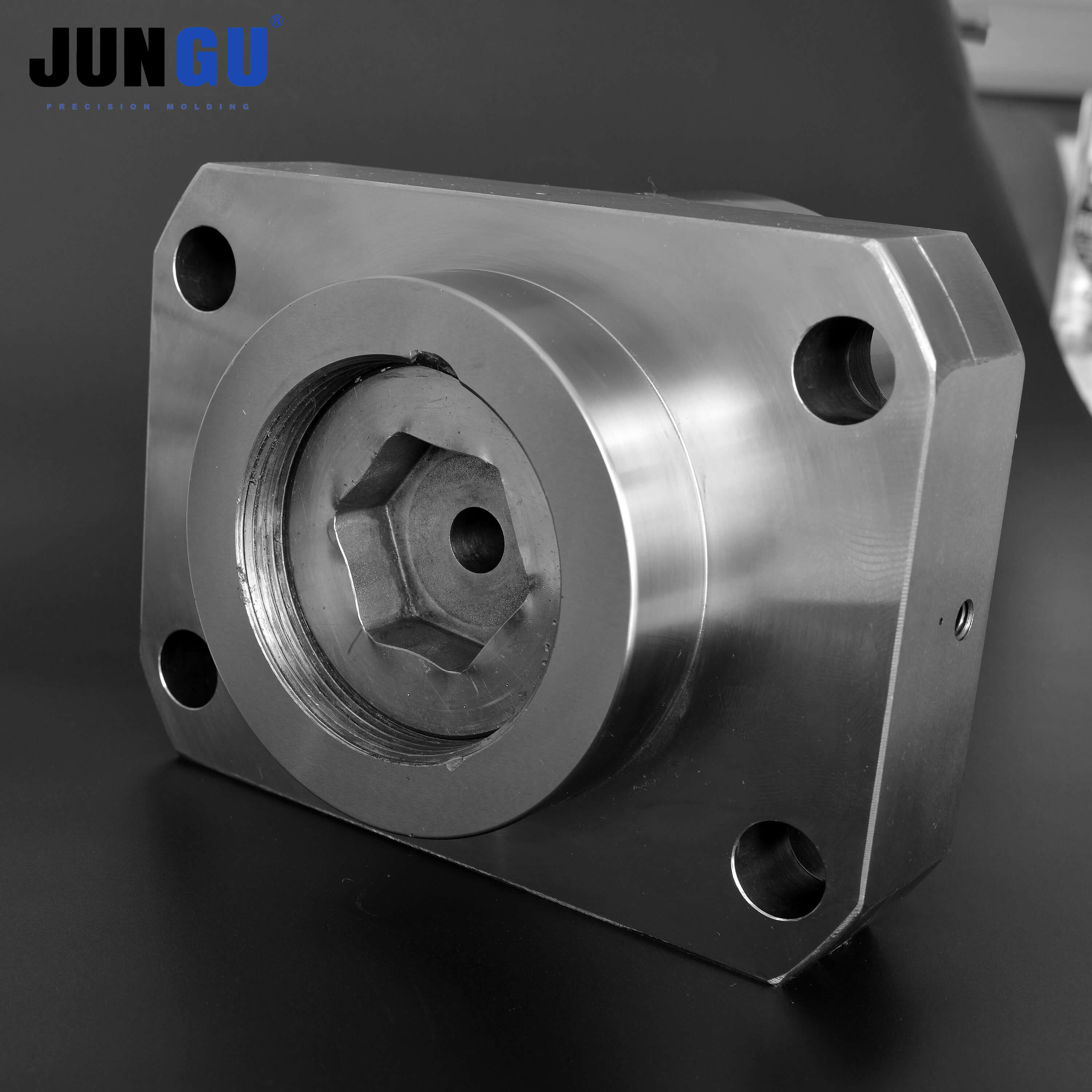
The Role of Stamping Process in Welding Nut Forming
Welding nuts provide a permanent threaded mounting point on sheet metal parts where traditional tapping is impossible. Their production relies on advanced metalworking, with stamping as the dominant method. Using high-precision nut forming dies, stamping transforms raw metal into complex functional geometries that meet strict engineering standards.
Principles and Advantages of the Stamping Process
The stamping process is based on plastic deformation, using nut forming dies to apply force exceeding the metal’s yield strength, permanently altering its shape with high speed and repeatability. A metal coil or sheet feeds into a press where a punch and die cavity perform blanking, piercing, and coining. Because the dies are engineered to exact specifications, every part is nearly identical.
Stamping offers major advantages in material efficiency. Unlike machining that creates waste from metal shavings, stamping moves metal rather than removing it. In multi-station progressive dies, metal passes through different stages, being stretched and compressed into final shape. This saves raw material costs and improves internal grain structure, making the nut more resistant to stripping and fatigue.
How Stamping Shapes Welding Nuts
The process begins with blanking — the dies cut a round or hexagonal blank from the raw metal strip. The blank moves to the next station where a piercing punch creates the central hole. Precision at this stage is critical — if the hole is off-center even by a fraction of a millimeter, the threading tool will fail.
Next comes the coining stage, where the dies apply extreme pressure to create welding projections. These projections concentrate electrical current during resistance welding, allowing the nut to fuse to sheet metal. The final stage involves shaving and sizing, where the dies perform a final trim to ensure external dimensions are within strict tolerances. The entire sequence happens in seconds.
Stamping vs. Traditional Machining
| Feature | Stamping with Nut Forming Dies | Traditional Machining |
|---|---|---|
| Production Speed | Very High (100+ parts/min) | Low (5–10 parts/min) |
| Material Waste | Minimal (less than 10%) | Significant (up to 40%) |
| Material Strength | Increased (Work Hardening) | Baseline (Unchanged) |
| Cost per Part | Very Low for high volumes | Moderate to High |
Challenges
The most significant challenge is upfront investment. High-precision nut forming dies are expensive to design and manufacture. The cost must be amortized over large production runs. Die wear is another concern — under constant stress, friction generates heat that can cause galling or material pickup. Managing springback is also critical — the dies must be over-engineered to compensate for the metal’s natural elasticity.
Despite these challenges, the stamping process is the backbone of the welding nut industry, providing speed, precision, and strength for modern assembly operations.