
Cold Heading Machine Tooling & Parts
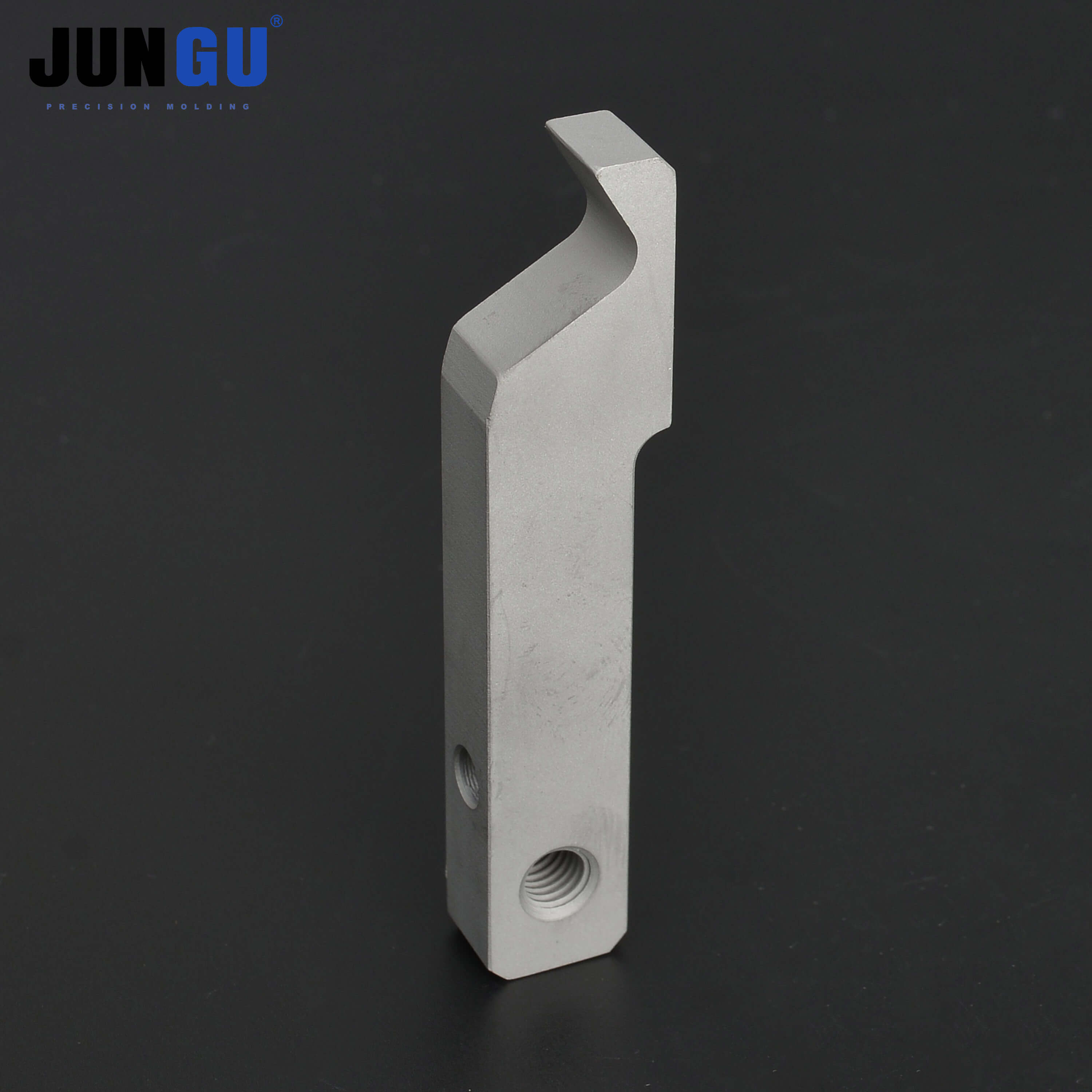
Transfer Finger for Multi-Station Cold Forming Machines
Transfer finger tooling for multi-station cold forming lines. Jungu checks gripper profile, timing, clearance, part support, material route, and scratch or drop pattern before quoting.
What is Transfer Finger for Multi-Station Cold Forming Machines used for?
A transfer finger moves semi-formed blanks between stations in a multi-station cold forming machine. It directly affects part position before the next die closes. If the finger grip is too tight, it scratches the blank or distorts a soft section. If clearance is too loose, the part drops, rotates, or enters the next station off-center. Timing, spring force, gripper profile, finger material, surface finish, and wear pattern all matter. Jungu reviews the machine model, station layout, part diameter and length, semi-formed shape, gripper profile, transfer timing, clearance, material route, and photos of scratches, dropped blanks, rotation marks, or collision damage before quoting.
Common sourcing use
Station-to-station transfer of semi-formed blanks where grip profile, timing, and clearance control part positioning.
Related product families
Technical Review Scope
What Jungu checks
- Machine model, station layout, transfer timing, finger travel, and holder interface
- Part diameter, length, semi-formed shape, contact area, and allowed surface marks
- Gripper profile, clearance, spring force, material route, surface finish, and wear resistance
- Failure: dropped blank, rotated part, scratch, collision mark, off-center entry, or fast finger wear
Why no standard price is shown
A transfer finger is quoted against the machine and the semi-formed part. Holder interface, travel, timing, grip profile, clearance, material, and allowed contact marks determine whether a replacement can run without repeated setup trials.
Information Needed for Quotation
| Machine and station | Machine model, station number, transfer timing, holder type, and finger travel. |
|---|---|
| Part support | Part size, semi-formed profile, contact surface, and surface-mark tolerance. |
| Finger geometry | Gripper profile, clearance target, spring force, material, coating or finish route. |
| Failure evidence | Photos of dropped blanks, scratches, rotation marks, collision damage, or worn gripping faces. |
Application and Buyer Fit
| Typical application | station-to-station transfer of semi-formed blanks where grip profile, timing, and clearance control part positioning |
|---|---|
| Buyer review focus | machine model, station timing, part geometry, gripper profile, clearance, spring force, surface finish, and scratch or drop evidence |
| Quotation basis | drawing, material, tolerance, machine model, quantity, and target tool life |
| Review output | a transfer finger route matched to part support, timing window, gripper wear, and machine station layout |
Inquiry Process
- Send drawings and application details.
- Jungu reviews manufacturability and tooling route.
- Engineering confirms material, tolerance, and mould-life target.
- Quotation and lead time are prepared after technical confirmation.
FAQ
Why does the blank rotate during transfer?
Clearance, grip profile, spring force, or timing may not match the semi-formed part shape.
Can surface scratches come from the transfer finger?
Yes. Contact pressure, burrs, worn faces, or wrong material finish can mark the blank before the next station.
What should be photographed?
Show the part held in the finger, the worn contact face, station position, and any dropped or scratched blanks.
Can a transfer finger be copied from a worn sample?
A sample helps, but worn contact faces may hide the original clearance. Send the machine model, holder interface, part shape, timing information, and installed-position photos as well.
Need this tooling reviewed?
Send drawings, machine model, material, and current failure photos for review.