
Cold Heading Machine Tooling & Parts
Cutting Knife Mould for Cold Heading Machines
Machine-specific cutting knife tooling for cold heading lines. Jungu checks wire diameter, cut length stability, blade seat fit, edge material, and burr pattern before quoting.
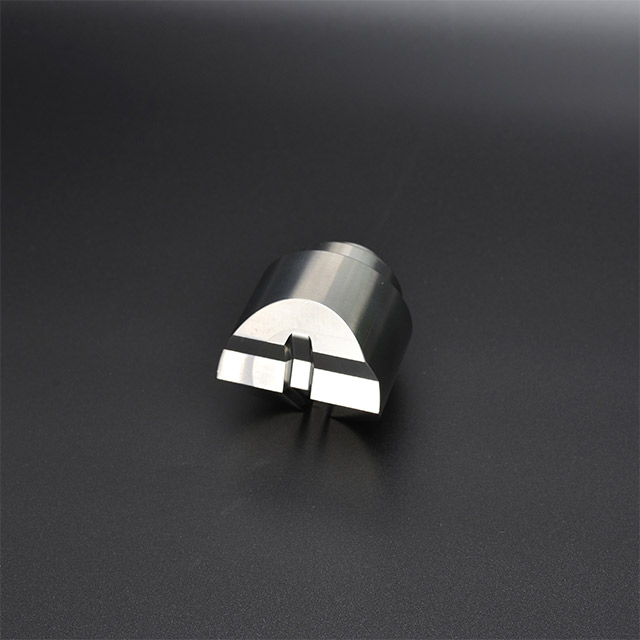
What is Cutting Knife Mould for Cold Heading Machines used for?
A cutting knife mould for cold heading machines cuts wire into blanks before the forming stations. If the cut is unstable, every downstream die receives the wrong material volume. The main sourcing risk is machine fit and edge support, not only blade hardness. A small mismatch in blade seat, clamp face, support angle, or fixing-hole position can create burrs, angled cuts, feed slip, or chipped edges. Jungu reviews machine model, wire material and diameter, required blank length, blade seat dimensions, current cutting knife photos, cut-end quality, and wear marks before quoting. Buyers should send burr photos and the old knife position because the wear location shows whether the issue is edge geometry, clamping, support, or feeding. Burr direction is compared with machine feed direction before the edge material is changed.
Common sourcing use
Wire cutting before cold heading where blank length, cut-end quality, and blade seat support affect every forming station.
Related product families
Technical Review Scope
What Jungu checks
- Machine model, blade seat, clamp face, fixing holes, support angle, and stroke timing
- Wire material, diameter range, hardness, lubrication, cut length, and line speed
- Edge material, heat treatment, coating route, clearance, and grinding finish
- Failure mode: burr, angled cut, chipped edge, feed slip, blank length drift, or abnormal noise
Why no standard price is shown
This is B2B custom tooling. A reliable quotation depends on drawing, material, size, tolerance, machine setup, annual quantity, and the mould-life issue the buyer wants to solve. Jungu quotes after technical review instead of showing a misleading fixed price.
Information Needed for Quotation
| Machine interface | Machine model, blade seat width, fixing-hole position, clamp face, and installed knife photos. |
|---|---|
| Wire data | Wire material, diameter range, hardness, cut length, lubrication, and speed target. |
| Cut quality | Photos of cut ends, burrs, angled blanks, chipped edges, and support-face wear. |
| Replacement target | Whether the goal is longer life, cleaner cut, stable feed, or compatibility with an existing knife holder. |
Application and Buyer Fit
| Typical application | wire cutting before cold heading where blank length, cut-end quality, and blade seat support affect every forming station |
|---|---|
| Buyer review focus | wire diameter, blank length, blade seat, clamp face, support angle, edge material, burr pattern, and feed stability |
| Quotation basis | drawing, material, tolerance, machine model, quantity, and target tool life |
| Review output | a cutting knife route matched to machine interface, wire material, cut-end target, and wear evidence |
Inquiry Process
- Send drawings and application details.
- Jungu reviews manufacturability and tooling route.
- Engineering confirms material, tolerance, and mould-life target.
- Quotation and lead time are prepared after technical confirmation.
FAQ
Why do burrs appear after replacing the cutting knife?
The edge may be correct, but blade seat, clearance, clamp force, or support angle can change the cut.
Can Jungu quote from photos?
Yes for an initial review, but final dimensions need machine model, blade seat, fixing holes, wire data, and old knife measurements.
Does harder material solve chipping?
Not always. Chipping may come from unsupported edge, impact angle, clearance, or wire surface condition.
Can this product be customized?
Yes. Jungu manufactures fastener mould tooling according to buyer drawings, samples, and machine requirements.
Need this tooling reviewed?
Send drawings, machine model, material, and current failure photos for review.